How Sensitive Are Betta Fish
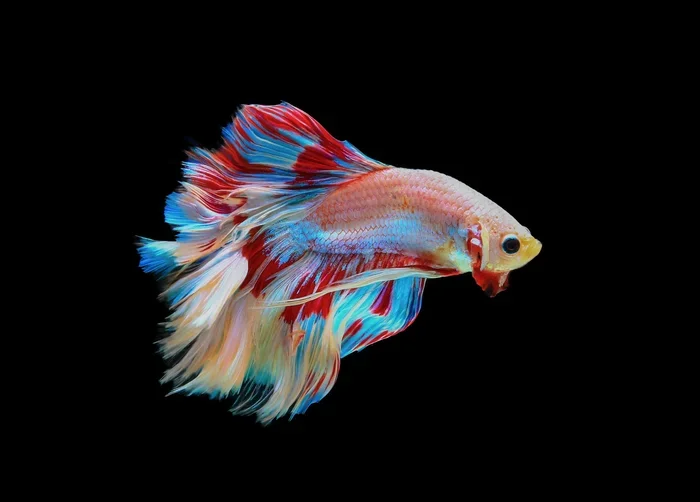
Betta fish are remarkably sensitive creatures that react strongly to changes in water quality, temperature, and their surrounding environment. Understanding how sensitive betta fish are is the first step toward giving them a happy, healthy home. This guide breaks down every aspect of betta sensitivity so you can confidently care for your fish.
Betta fish are some of the most popular pets in the aquarium world. Their bright colors and flowing fins make them stand out. But here is something many new owners do not expect. Betta fish are incredibly sensitive creatures. They respond to even small changes in their environment. A shift in water temperature or a sudden noise can affect them more than you might think.
If you have ever wondered how sensitive betta fish really are, you are not alone. This question comes up often among both new and experienced fish keepers. The truth is that bettas are more delicate than most people assume. They need consistent care and attention to stay healthy. In this article, we will walk you through everything you need to know about betta fish sensitivity. You will learn what affects them, what warning signs to watch for, and how to keep your fish happy and thriving.
Taking care of a betta fish is not just about feeding them. It is about understanding their needs at a deeper level. Sensitive fish like bettas require stable water conditions, proper tank setup, and a calm environment. When you get these things right, your betta will reward you with vibrant colors and lively behavior. Let us dive into the details.
Key Takeaways
- Betta fish are highly sensitive to water temperature, quality, and environmental changes.
- Proper tank setup with the right size, filtration, and décor reduces stress significantly.
- Water parameters like pH, ammonia, and nitrite levels directly impact betta health.
- Overfeeding and poor diet are common mistakes that increase betta sensitivity to illness.
- Recognizing stress signals early helps you act fast and prevent serious health problems.
- Consistent daily care routines keep betta fish comfortable and thriving.
📑 Table of Contents
Why Betta Fish Are So Sensitive
Betta fish have a unique biology that makes them especially reactive to their surroundings. Unlike some hardier fish species, bettas have thin, delicate fins and a streamlined body that responds quickly to changes. Their sensitivity is not just physical. It also relates to how they process their environment through behavior and stress responses.
The Natural Habitat of Betta Fish
Bettas originally come from the warm, slow-moving waters of Southeast Asia. They lived in rice paddies, floodplains, and shallow streams. These environments were warm and stable. The water was not fast-moving or heavily filtered. Because of this history, betta fish are used to consistent conditions. When you suddenly change their tank environment, it can feel like a shock to their system.
This is why how sensitive betta fish are connects directly to their origins. They did not evolve to handle sudden swings in temperature or water chemistry. Their bodies are built for steady, warm, and calm conditions. Replicating that stability in a home aquarium is the key to keeping them healthy.
What Makes Betta Fish Sensitive
Several factors contribute to the sensitivity of betta fish. Here are the main ones:
- Thin, delicate fins that tear easily and respond to water flow.
- A small body size that means even tiny changes in water chemistry have a big impact.
- A labyrinth organ that lets them breathe air, but also makes them vulnerable to poor surface conditions.
- A strong response to stress which can weaken their immune system quickly.
- Sensitivity to chemicals like chlorine and ammonia found in untreated tap water.
Understanding these factors helps you see why betta fish care requires more attention than many people expect. Every detail matters when you are keeping a sensitive species like the betta.
Water Temperature and Your Betta
Temperature is one of the biggest factors in betta fish sensitivity. Bettas are tropical fish. They need warm water to stay healthy and active. When the temperature drops or rises too far, your fish can become stressed, sick, or even die.
Ideal Temperature Range for Betta Fish
The best water temperature for betta fish is between 76 and 82 degrees Fahrenheit. This range keeps their metabolism working properly. It supports their immune system and helps them stay active. If the water stays within this range consistently, your betta will thrive.
But here is the tricky part. Betta fish are sensitive to temperature changes. Even a drop of a few degrees can cause stress. A sudden spike can be even worse. This is why many experienced fish keepers use a submersible aquarium heater with a thermostat. It keeps the temperature steady without any effort on your part.
If you want to learn more about how temperature affects bettas specifically, check out this detailed guide on are betta fish sensitive to water temperature.
What Happens When the Temperature Is Wrong
When the water is too cold, bettas become sluggish. They may stop eating. Their immune system weakens, which opens the door to diseases like fin rot and ich. On the other hand, water that is too warm holds less oxygen. Your betta may start gasping at the surface. Both situations are signs that your betta is stressed by temperature changes.
Water Quality Matters Enormously
Clean, safe water is the foundation of good betta care. Because betta fish are so sensitive, even small amounts of harmful chemicals can cause big problems. Water quality directly affects betta health in ways that are easy to overlook.
Understanding Water Parameters
There are a few key water parameters you should monitor regularly:
- pH level: Bettas do best in slightly acidic to neutral water, around 6.5 to 7.5.
- Ammonia: Should always be at zero. Even small amounts are toxic to bettas.
- Nitrite: Also must stay at zero. It damages the gills and causes breathing problems.
- Nitrate: Should stay below 20 parts per million. Regular water changes keep this in check.
These numbers might seem technical, but they are simple to manage with a basic liquid test kit. Testing your water once a week takes only a few minutes. It gives you peace of mind that your betta is living in safe conditions.
Signs of Poor Water Quality
Your betta will tell you when the water is wrong. Look for these warning signs:
- Clamped fins held close to the body.
- Loss of color or faded scales.
- Gasping at the water surface.
- Refusing to eat.
- Lethargy or hiding in corners.
If you notice any of these signs, test your water immediately. Catching poor water quality early can save your betta’s life. For more information on keeping your tank water clean, read about whether water filters are necessary for betta fish.
How Environment Affects Betta Sensitivity
The environment inside your betta’s tank plays a huge role in how your fish feels and behaves. Bettas are not just sensitive to water chemistry. They are also affected by the physical setup of their home.
Tank Size and Setup
Many people keep bettas in tiny bowls. This is one of the worst things you can do. A small bowl limits the space your betta has to swim. It also makes water quality hard to maintain. Betta fish are sensitive to cramped spaces because waste builds up quickly in a small volume of water.
A tank of at least 5 gallons is the recommended minimum for a single betta. This size gives your fish room to explore. It also stabilizes water parameters more easily. Add some gentle plants and a few hiding spots, and your betta will feel much more secure.
Lighting and Noise Considerations
Bettas are sensitive to bright, harsh lighting. In the wild, they live under overhanging plants and debris that create shade. A tank with soft, indirect lighting mimics their natural habitat. Avoid placing the tank in direct sunlight. It can cause temperature swings and algae blooms.
Noise is another factor that many people overlook. Bettas can hear vibrations through the water. Loud music, banging on the tank glass, or placing the aquarium near a speakers can stress them out. Keep your betta tank in a quiet, calm area of your home.
Common Stressors That Affect Betta Fish
Stress is the enemy of a healthy betta. When your fish is stressed, its body releases cortisol. This hormone weakens the immune system over time. Understanding what causes stress helps you avoid it in the first place.
Aggressive Tank Mates
Betta fish are known for their territorial behavior. Male bettas, in particular, can be aggressive toward other fish with bright colors or long fins. Not all fish make good companions for a betta. Before adding any tank mates, research carefully. Some peaceful species like snails and certain shrimp can coexist with bettas just fine.
If you are curious about which fish can live with a betta, check out these guides on fish that can go with a betta and whether you should put betta fish with other fish.
Overfeeding and Poor Diet
Overfeeding is one of the most common mistakes betta owners make. Bettas have small stomachs. They only need to be fed once or twice a day. Giving them too much food leads to uneaten waste in the tank. This waste raises ammonia levels and makes the water dirty.
Feeding a balanced diet is just as important. High-quality betta pellets should form the base of their diet. You can supplement with frozen or live foods like brine shrimp and bloodworms. For a feeding schedule that works, read about how often you are supposed to feed betta fish.
How to Protect Your Sensitive Betta Fish
Now that you understand what makes betta fish sensitive, let us talk about how to keep them safe and healthy. A few simple habits can make a huge difference in your betta’s quality of life.
Daily Care Routine
Consistency is the most important thing for a sensitive fish like a betta. Try to follow these steps every day:
- Feed your betta the right amount. Two to three pellets or a small pinch of food is enough.
- Watch your fish for any changes in behavior or appearance.
- Check the tank temperature to make sure it stays within the ideal range.
- Remove any uneaten food after a few minutes.
Quick Tips for a Healthy Betta
- Do regular water changes. Replace 25 to 30 percent of the water every week.
- Use a water conditioner. This removes chlorine and chloramine from tap water before you add it to the tank.
- Keep the tank clean. A gentle sponge vacuum helps remove debris from the substrate.
- Avoid sudden changes. If you need to adjust anything in the tank, do it gradually.
- Quarantine new fish. If you introduce a new fish, keep it separate for two weeks to prevent disease spread.
Following these tips gives your betta the stable, clean environment it needs. Remember, betta fish are sensitive but they are also resilient when you care for them properly. A little attention goes a long way.
Final Thoughts
Betta fish are sensitive creatures that deserve thoughtful, consistent care. From water temperature to tank setup, every detail plays a role in their well-being. When you understand what affects your betta, you can create a home where your fish thrives. Start with the basics. Keep the water clean and warm. Feed your betta properly. Watch for signs of stress. These simple steps will help your betta live a long, healthy life.
The more you learn about how sensitive betta fish are, the better equipped you become as an owner. Your fish depends on you for everything. Give it the care it deserves, and you will be rewarded with a beautiful, lively companion for years to come.
Frequently Asked Questions
Why are betta fish so sensitive to water changes?
Betta fish have a small body size and a delicate system that reacts quickly to shifts in water chemistry. Even minor changes in pH or ammonia levels can stress them out. This is why regular, consistent water changes are so important for their health.
Can betta fish recover from stress?
Yes, most bettas can recover from stress if you address the cause quickly. Improving water quality, stabilizing temperature, and reducing noise can help your fish bounce back. The key is to act fast and make changes gradually.
How do I know if my betta fish is stressed?
Common signs of stress include clamped fins, loss of color, gasping at the surface, and hiding more than usual. If you notice these behaviors, check your water parameters and tank conditions right away to find the source of the problem.
Are betta fish sensitive to light?
Yes, betta fish are sensitive to bright or harsh lighting. They prefer soft, indirect light that mimics their natural habitat. Too much light can cause stress and disrupt their sleep cycle, so keep the tank in a calm, shaded area.
What temperature is too cold for a betta fish?
Water below 74 degrees Fahrenheit is too cold for a betta fish. At this temperature, their metabolism slows down and they become sluggish. Prolonged exposure to cold water can lead to serious health problems and even death.
How often should I test my betta tank water?
You should test your betta tank water at least once a week. A simple liquid test kit checks for ammonia, nitrite, nitrate, and pH. Regular testing helps you catch problems early before they affect your sensitive betta fish.