Are You Supposed to Put Betta Fish with Other Fish
Betta fish are beautiful but often misunderstood when it comes to tank mates. While some peaceful species can share a well‑planted community, many combinations end in stress or aggression. This article shows you how to decide if you’re supposed to put betta fish with other fish and how to create a happy, healthy aquarium.
Key Takeaways
- Betta temperament varies: Males are typically more aggressive than females, affecting tank‑mate choices.
- Tank size matters: A minimum of 10‑gallon (38 L) for a community tank gives each fish enough space.
- Choose peaceful, non‑fin‑nipping species: Small tetras, rasboras, and certain shrimp are safe bets.
- Provide plenty of hiding spots: Plants, caves, and décor reduce stress and territorial fights.
- Monitor behavior daily: Early signs of stress let you act before injuries occur.
- Never keep two males together: Even in a large tank, male bettas will fight.
- Test water parameters regularly: Stable pH, temperature, and ammonia levels keep all fish healthy.
📑 Table of Contents
- Introduction: The Betta’s Reputation
- Understanding Betta Behavior
- Can You Keep Betta Fish with Other Fish?
- Best Tank Mates for Betta Fish
- Tank Setup Tips for a Peaceful Community
- Step‑by‑Step: Introducing a Betta to a Community Tank
- Common Mistakes and How to Avoid Them
- Conclusion: Making an Informed Decision
Introduction: The Betta’s Reputation
Betta fish, often called Siamese fighting fish, are famous for their vivid colors and flowing fins. Their fame, however, comes with a myth: that they must live alone. Many new owners wonder, are you supposed to put betta fish with other fish? The answer isn’t a simple yes or no. It depends on the betta’s gender, personality, tank size, and the species you consider as companions.
In this guide we’ll walk through the science behind betta behavior, list the best and worst tank mates, and give practical steps to set up a community tank that keeps everyone safe. Think of it as a friendly chat over coffee, where we share stories, tips, and a few cautionary tales.
Understanding Betta Behavior
Why Betta Males Are Territorial
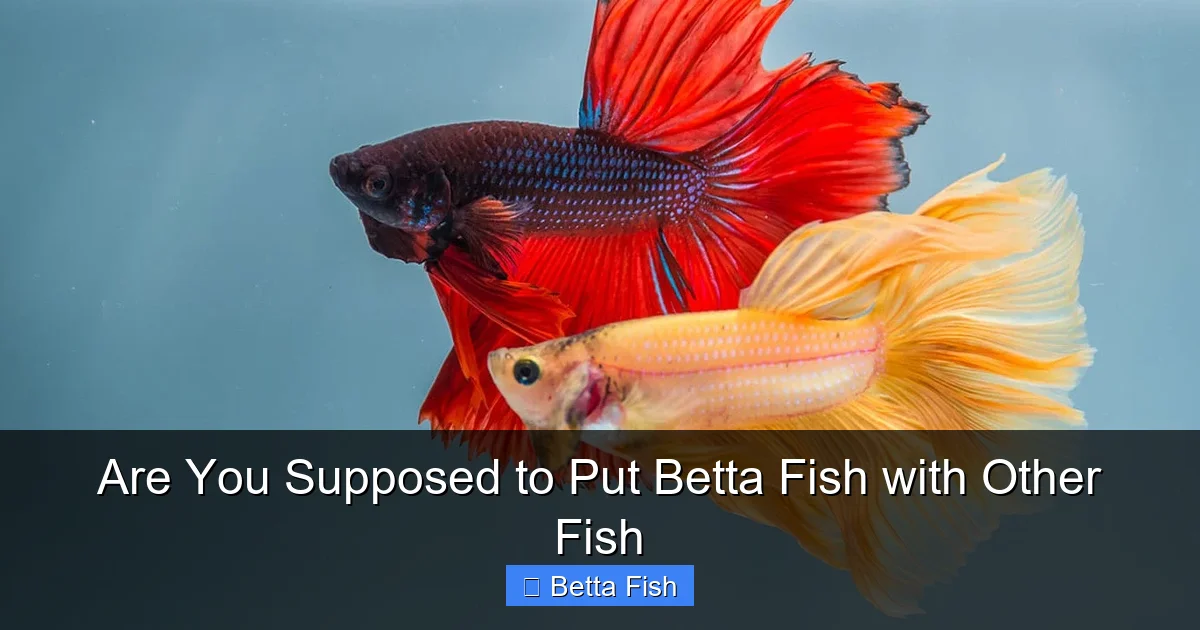
Male bettas evolved to defend their breeding territories in shallow rice paddies. Their bright fins act like flags, warning rivals. When another fish with similar colors or long fins enters the space, the male may flare, chase, or even bite.
Visual guide about Are You Supposed to Put Betta Fish with Other Fish
Image source: media-be.chewy.com
Female Betta Temperament
Females are generally less aggressive, but they can still be fin‑nippers if stressed. A group of females—called a sorority—can coexist if the tank is large enough (at least 20 gallons) and plenty of plants are provided.
Impact of Environment on Aggression
Cramped spaces, poor water quality, and lack of hiding places all amplify aggression. Providing a well‑planted, filtered aquarium helps diffuse tension and gives each fish its own “personal space.”
Can You Keep Betta Fish with Other Fish?
General Guidelines
The short answer is yes, but with conditions. According to experts at Can You Put A Betta With Other Fish, a community tank works best when:
Visual guide about Are You Supposed to Put Betta Fish with Other Fish
Image source: fishkeepingadvice.com
- It is at least 10 gallons for a single male betta plus one or two small, peaceful species.
- Water temperature stays between 76‑82°F (24‑28°C), matching the betta’s preference.
- All fish share similar water parameter needs (pH 6.5‑7.5, soft to medium hardness).
When It’s Not a Good Idea
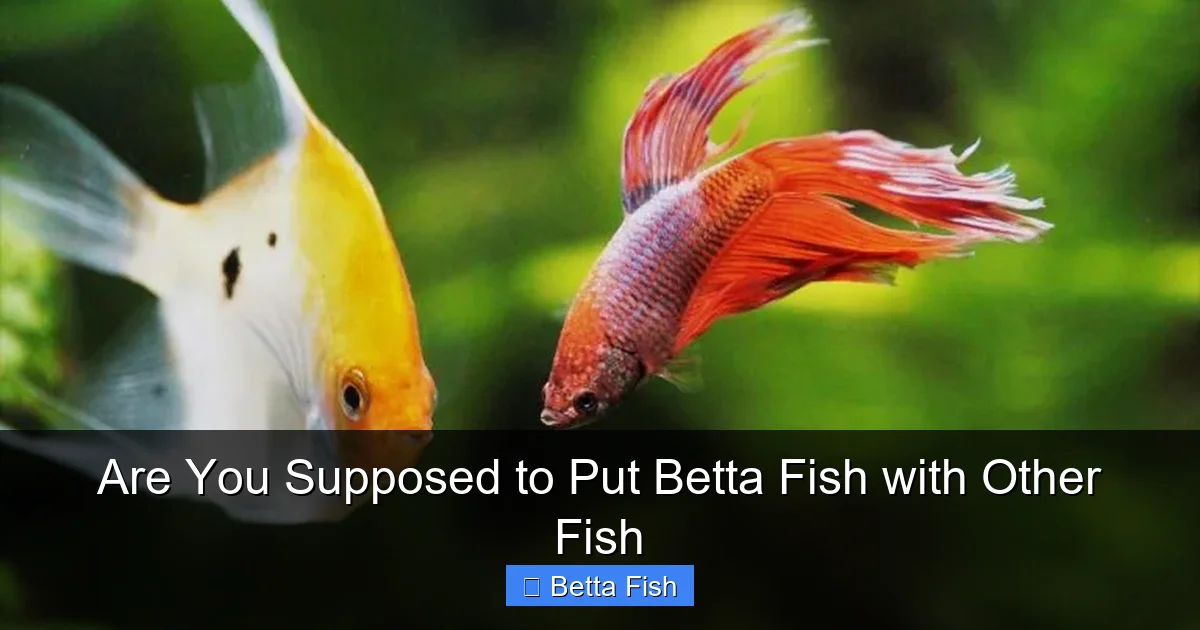
If you have a small bowl, a brightly colored dwarf gourami, or long‑fin guppies, the risk of aggression skyrockets. Also avoid fin‑nipping species such as tiger barbs or aggressive cichlids. In those cases, it’s safer to keep the betta alone.
Best Tank Mates for Betta Fish
Small, Fast‑Swimming Tetras
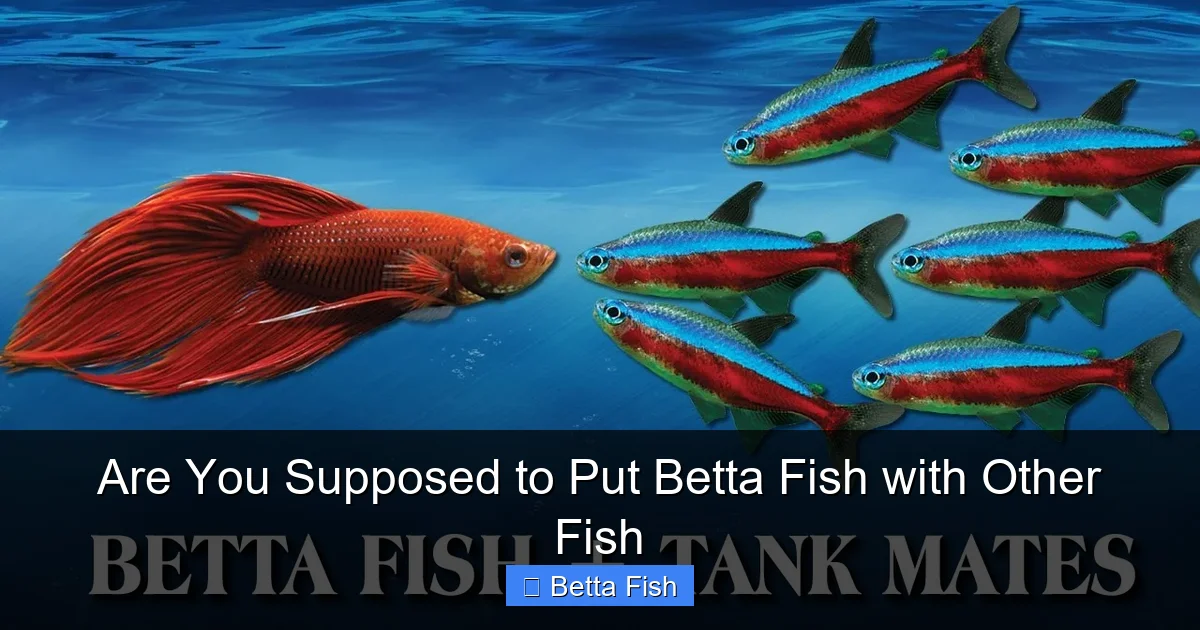
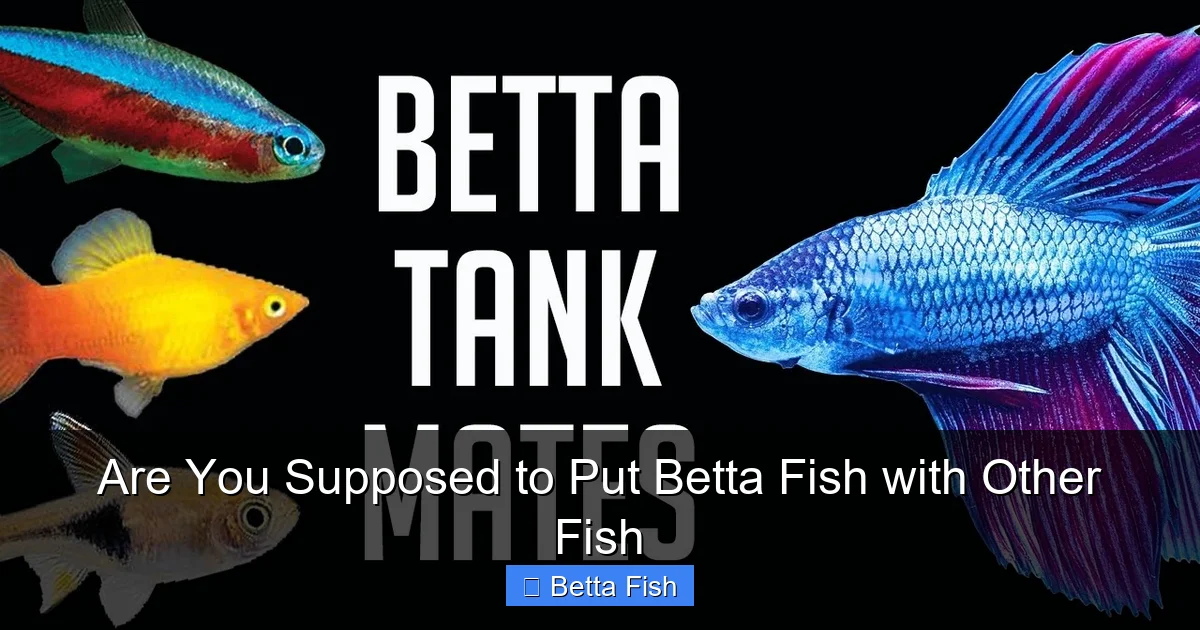
Neon tetras, ember tetras, and celestial rasboras are popular choices. Their quick movements keep them out of the betta’s way, and their small size isn’t seen as a threat.
Visual guide about Are You Supposed to Put Betta Fish with Other Fish
Image source: i.ytimg.com
Peaceful Bottom Dwellers
Corydoras catfish and small loaches enjoy the substrate and rarely interact with the betta’s surface‑level antics. They also help clean leftover food, improving water quality.
Snails and Shrimp
Apple snails and cherry shrimp are excellent “clean‑up crews.” They add movement without provoking the betta. For more details, see Can You Put Shrimp With Betta Fish.
Live Plants as Natural Barriers
Java fern, Anubias, and floating moss create visual barriers. A betta can’t see the entire tank at once, reducing territorial displays.
Tank Setup Tips for a Peaceful Community
Choosing the Right Aquarium
Start with a minimum 10‑gallon tank for a male betta and one or two small tank mates. A larger tank (20+ gallons) allows a sorority of females or a more diverse community.
Filtration and Flow
Betta fish prefer calm water, so use a gentle sponge filter or adjust the flow of a power filter with a spray bar. Strong currents can stress the betta and cause fin damage.
Decor and Hiding Spots
Arrange driftwood, rocks, and dense plants to create “territories.” Each fish should have at least one place to retreat. This layout mimics a natural environment and reduces aggression.
Lighting and Cycle
Provide 8‑10 hours of subdued lighting daily. A stable nitrogen cycle (ammonia → nitrite → nitrate) is essential; sudden spikes can make any fish irritable.
Step‑by‑Step: Introducing a Betta to a Community Tank
1. Quarantine New Arrivals
Keep any new fish in a separate quarantine tank for 2‑3 weeks. This prevents disease spread and lets you observe their temperament.
2. Acclimate Slowly
Float the bag containing the new fish in the community tank for 15‑20 minutes to match temperature, then gradually add tank water to the bag before releasing.
3. Observe the First 24 Hours
Watch for flaring, chasing, or fin nipping. If the betta shows excessive aggression, be ready to move one fish to a separate tank.
4. Adjust the Environment
If tension rises, add more plants or rearrange décor to break line‑of‑sight. Sometimes a simple change in layout diffuses conflict.
5. Ongoing Monitoring
Check behavior daily for the first two weeks. Healthy bettas will ignore peaceful tank mates most of the time, only occasionally glancing at them.
Common Mistakes and How to Avoid Them
- Overcrowding: Too many fish in a small tank spikes aggression.
- Mixing colors: Brightly colored fish can trigger a male betta’s territorial response.
- Ignoring water quality: Poor parameters stress all fish, making fights more likely.
- Using aggressive tank mates: Species like tiger barbs or large gouramis are a bad match.
- Keeping two males together: Even with dividers, they will eventually find a way to fight.
Conclusion: Making an Informed Decision
So, are you supposed to put betta fish with other fish? The answer is nuanced. With a spacious, well‑planted tank, a calm water flow, and carefully chosen peaceful companions, a betta can thrive alongside other species. However, if you’re limited on space or prefer a low‑maintenance setup, a solitary betta in a modest tank is still a beautiful and rewarding choice.
Remember to observe, adjust, and prioritize the health of every inhabitant. When you get it right, the aquarium becomes a lively, colorful community where each fish, including the charismatic betta, lives its best life.
Frequently Asked Questions
Can male bettas live with female bettas?
Yes, but only in a large sorority tank (20+ gallons) with plenty of hiding spots. Direct contact should be limited to prevent breeding aggression.
What are the safest fish to keep with a betta?
Small tetras, rasboras, and peaceful bottom dwellers like Corydoras are among the safest choices.
Do bettas get stressed by snails?
Generally no. Snails such as mystery or nerite snails are neutral and can help clean algae, making them good tank mates.
How can I tell if my betta is stressed?
Watch for constant flaring, loss of color, clamped fins, or hiding all the time. These are signs that something is wrong.
Is it okay to feed the same food to bettas and their tank mates?
Betta pellets are protein‑rich and may not suit all species. Offer a varied diet and place food where each fish can eat without competition.
Can I keep a betta with guppies?
It’s risky. Guppies have long, flowing fins that can trigger a male betta’s aggression, so most experts advise against this pairing.