Can I Add Stress Coat with Betta Fish in Tank
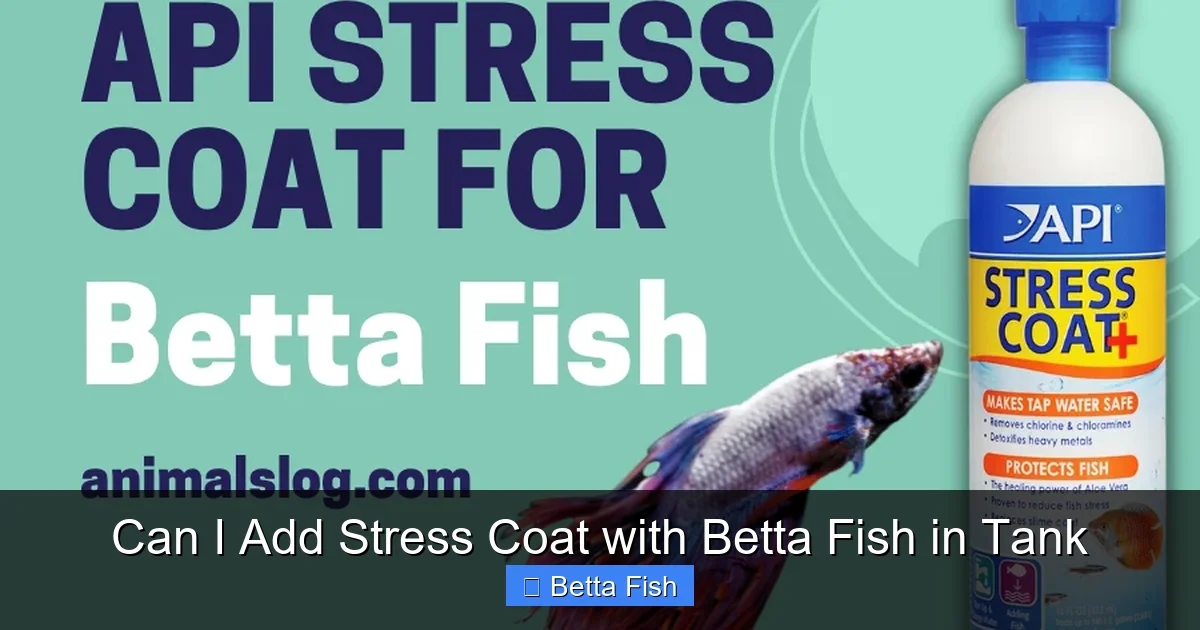
Yes, you can safely add Stress Coat with betta fish in your tank. This popular water conditioner removes chlorine, detoxifies heavy metals, and replaces your betta’s protective slime coat after stress or injury. When used correctly, it supports healing, reduces harm from ammonia spikes, and makes water changes less stressful.
Key Takeaways
- Stress Coat is safe for bettas: It is widely used by hobbyists and is not harmful when dosed as directed.
- It protects and heals: It replaces the slime coat, helping bettas recover from transport, bullying, fin damage, or disease.
- It neutralizes harmful chemicals: It removes chlorine, chloramine, and detoxifies heavy metals in tap water.
- Use with every water change: Adding Stress Coat during routine changes keeps water safe and reduces shock.
- Supportive care matters too: Proper filtration, heating, stable water parameters, and low-stress tankmates are essential.
- Watch for fin clamping or gasping: These can signal poor water quality, not necessarily a reaction to Stress Coat.
- Combine with other conditioners if needed: Some keepers use both a basic dechlorinator and Stress Coat for extra protection.
[FEATURED_IMAGE_PLACEHOLDER]
📑 Table of Contents
- Can I Add Stress Coat with Betta Fish in Tank
- What Is Stress Coat and How Does It Work?
- Is Stress Coat Safe for Betta Fish?
- How to Use Stress Coat in a Betta Tank
- Benefits of Using Stress Coat with Betta Fish
- Common Mistakes When Using Stress Coat in a Betta Tank
- Creating a Low-Stress Environment for Your Betta
- Using Stress Coat During Common Betta Problems
- Should You Use Stress Coat Every Water Change?
- Conclusion: Can You Add Stress Coat with Betta Fish?
Can I Add Stress Coat with Betta Fish in Tank
If you have ever stared at your betta fish and worried about stress, fin damage, or water quality, you have probably heard about Stress Coat. It is one of the most popular aquarium products for protecting fish and helping them heal. But when you keep a sensitive, sometimes feisty species like a betta, it is smart to ask before adding anything to the tank.
So, can you add Stress Coat with betta fish in your tank? Yes, you absolutely can. Stress Coat is generally safe for bettas when you follow the directions on the bottle. It is designed to do exactly what the name says: support and restore the fish’s natural slime coat while making tap water safer. In many cases, it can actually help your betta recover from stress, minor injuries, and poor water conditions.
In this guide, we will walk through what Stress Coat is, why it helps bettas, how to use it safely, and what else you should do to keep your betta calm and healthy. We will also talk about tankmates, water changes, and common mistakes so you can avoid problems before they start.
What Is Stress Coat and How Does It Work?
The basics of Stress Coat
Stress Coat is a liquid water conditioner made for freshwater aquariums. It is most often used when setting up new tanks, doing water changes, or helping fish recover from stress and injury. The main job of Stress Coat is to make tap water safe and to protect the fish’s body.
When you add Stress Coat to your betta’s tank, it usually does three important things:
- Removes chlorine and chloramine: Tap water often contains chlorine or chloramine, which are harmful to fish. Stress Coat neutralizes these chemicals so they do not burn your betta’s gills.
- Detoxifies heavy metals: Tap water can also contain small amounts of metals like copper or lead. Stress Coat helps neutralize them, making the water safer.
- Replaces the slime coat: This is the key feature. Fish are covered in a thin layer of slime that protects them from bacteria, parasites, and minor injuries. Stress Coat contains ingredients that help this layer grow back faster after damage.
Why bettas benefit from slime coat support
Bettas have a delicate slime coat just like other fish. They can lose or damage this coating during several common situations:
- Transport from the store to your home
- Netting and moving between tanks
- Fighting with tankmates or being bullied
- Fin nipping or tearing
- Disease or parasite treatment
When the slime coat is damaged, your betta becomes more open to infections and stress. By using Stress Coat, you help your betta rebuild that natural shield faster. This can be especially useful if your betta has torn fins, red gill areas, or seems prone to illness.
Is Stress Coat Safe for Betta Fish?
Short answer: yes, when used correctly
For most betta keepers, Stress Coat is considered safe and helpful. It is widely used in community tanks, betta-only tanks, and quarantine setups. When you follow the recommended dosage on the bottle, it usually does not cause problems.
That said, every betta is different. Some are more sensitive than others, and some tanks have unique conditions. It is always smart to watch your fish after adding any new product. Look for changes in behavior, appetite, and breathing.
When to be cautious
You should be more careful with Stress Coat in a few situations:
- Very small containers: If your betta lives in a tiny tank or bowl under 1 gallon, overdosing is easier because the volume of water is so small.
- Severely sick fish: If your betta is already struggling with a serious illness, talk to an experienced aquarist or vet before adding multiple medications or treatments.
- Strongly medicated tanks: If you are already using a strong medication, check the label or manufacturer’s instructions to make sure Stress Coat will not interfere.
In most normal setups, though, Stress Coat is a gentle, supportive product rather than a harsh medication.
How to Use Stress Coat in a Betta Tank
Step-by-step dosing guide
Using Stress Coat with your betta is simple. Here is a basic routine you can follow:
- Read the bottle: Check the instructions for the correct dosage. It is usually something like 5 mL (1 teaspoon) per 10 gallons of water, but this can vary by brand.
- Measure your tank size: Be realistic about how much water is actually in the tank. If you have a 5-gallon tank with decorations and substrate, it might hold closer to 4 gallons of water.
- Dose for the total water volume: Add the correct amount of Stress Coat based on the total gallons, not just the amount of new water.
- Pour it in slowly: You can add it directly to the tank near the filter outflow or gently mix it in a cup of tank water first.
- Observe your betta: Watch for normal behavior, steady swimming, and healthy appetite over the next few hours.
Using Stress Coat during water changes
One of the best times to use Stress Coat is during regular water changes. Water changes are important, but they can be stressful for bettas. The temperature may shift, the water chemistry may change, and the process of siphoning and refilling can disturb them.
To make water changes safer:
- Match the temperature: Try to make the new water close to the tank temperature, within 1–2°F if possible.
- Pre-treat the water: Add Stress Coat to the new water before pouring it into the tank, or dose the tank after refilling.
- Avoid deep cleaning every time: Do not scrub all the decorations and rinse all the filter media at once. This can crash the cycle and stress your betta.
Using Stress Coat during water changes helps protect your betta’s slime coat and reduces the shock of new water entering the tank.
Benefits of Using Stress Coat with Betta Fish
Helps reduce stress from handling and transport
Bettas are often shipped in small bags and jostled around. When you bring a new betta home, it may be weak, pale, or hiding. Adding Stress Coat when you introduce the fish to the tank can help it recover faster. It supports the slime coat and makes the water safer right away.
If you ever have to move your betta to a hospital tank or temporary container, Stress Coat can help reduce the stress of that move. It is not a cure, but it is a useful support tool.
Supports healing of fins and skin
Bettas are known for their beautiful fins, but those fins can tear easily. Sharp decorations, rough plastic plants, or bullying tankmates can all cause damage. Stress Coat helps the slime layer recover and may support faster healing of small wounds.
If your betta has minor fin tears or scrapes, you can combine Stress Coat with:
- Clean, warm water (around 78–80°F)
- Low or no strong currents
- Removing sharp objects from the tank
For more serious fin rot or infections, Stress Coat alone is usually not enough. It can still help, but you may need specific medication as well.
Improves overall water safety
Even if your betta seems healthy, Stress Coat can be a good safety net. It removes chlorine, chloramine, and heavy metals, which are common in tap water. If you forget to use a basic dechlorinator one time, Stress Coat can cover that base.
Some keepers choose to use two products:
- A basic dechlorinator for routine use
- Stress Coat once a week or after stressful events for extra slime coat support
This approach is usually safe, but always read the labels and avoid overdosing.
Common Mistakes When Using Stress Coat in a Betta Tank
Overdosing the tank
More is not always better. Using too much Stress Coat can cause problems such as:
- Foam or bubbles on the water surface
- Reduced oxygen exchange if the water becomes too frothy
- Unnecessary chemical load in a small tank
Stick to the recommended dose. If you are not sure, it is better to slightly underdose than overdose, especially in tanks under 5 gallons.
Using it as a replacement for proper care
Stress Coat is helpful, but it is not magic. It will not fix:
- Severe ammonia or nitrite spikes
- Major temperature swings
- Chronic aggression from tankmates
- Poor filtration or lack of cycling
If your betta is constantly stressed, look at the root causes. Check water quality, tank size, temperature, and who is living in the tank with your betta. For example, some fish simply do not belong with bettas. If you are unsure which tankmates are safe, you can read more about which fish can live with betta fish in a tank to avoid constant fighting and stress.
Ignoring signs of real illness
Stress Coat can support healing, but it is not a medication. If your betta has:
- White spots (possible ich)
- Cotton-like growths (possible fungus)
- Severe fin rot with discoloration
- Clamped fins for many days
…then you likely need a targeted treatment. Stress Coat can be used alongside many treatments, but it should not replace proper medication when your betta is truly sick.
Creating a Low-Stress Environment for Your Betta
Choosing the right tank size and setup
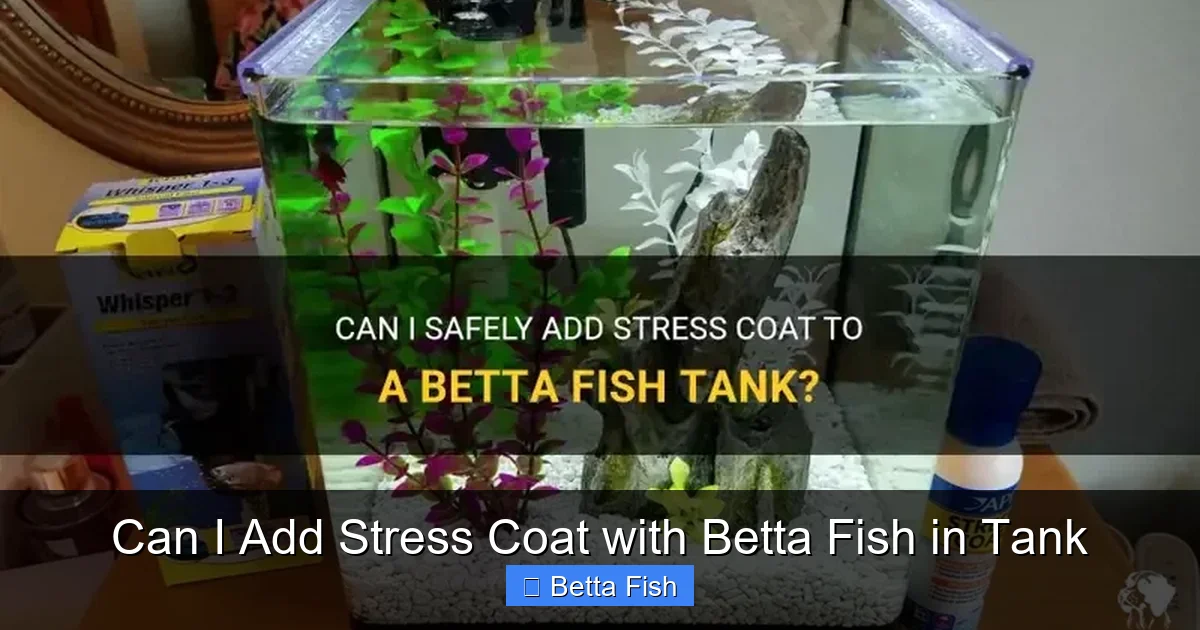
Stress Coat helps, but the best way to reduce stress is to give your betta a good home. A proper setup makes a big difference:
Visual guide about Can I Add Stress Coat with Betta Fish in Tank
Image source: petshun.com
- Tank size: At least 5 gallons is ideal for one betta. Larger tanks are more stable and give your fish room to swim.
- Heater: Bettas need warm water, usually 78–80°F. Sudden drops in temperature can stress them.
- Filter: A gentle filter keeps the water clean without creating a strong current that pushes your betta around.
- Lid: Bettas can jump, so a lid is important, but leave some air space above the water for them to breathe.
Safe tankmates and decorations
Stress often comes from other fish or rough decorations. Sharp plastic plants can tear fins, and aggressive tankmates can bully your betta. If you want to add other creatures, choose peaceful species and watch them closely.
For example, some keepers successfully add snails or shrimp. If you are considering this, you can learn more about can snails be in a tank with betta fish and how to reduce problems. Always have a backup plan in case your betta does not accept new tankmates.
When decorating:
- Use live plants or soft silk plants
- Avoid sharp plastic ornaments
- Provide caves or hiding spots, but make sure they are smooth and safe
Stable water parameters and routine
Bettas do best with stable conditions. Frequent large swings in water chemistry can be more harmful than a slightly imperfect but stable environment.
A simple routine might look like this:
- Test water weekly for ammonia, nitrite, nitrate, and pH
- Do partial water changes once or twice a week, depending on tank size and bioload
- Use Stress Coat or another conditioner every time you add new water
- Feed a high-quality betta pellet and occasional frozen or live food
If you are setting up a new tank, you should also understand the cycling process. Adding a betta to an uncycled tank can cause serious stress and illness. You can read about when to add betta fish to a new tank to avoid common mistakes.
Using Stress Coat During Common Betta Problems
After introducing a new betta
When you bring a new betta home, it may be stressed from transport and changes in water conditions. To help:
Visual guide about Can I Add Stress Coat with Betta Fish in Tank
Image source: i.ytimg.com
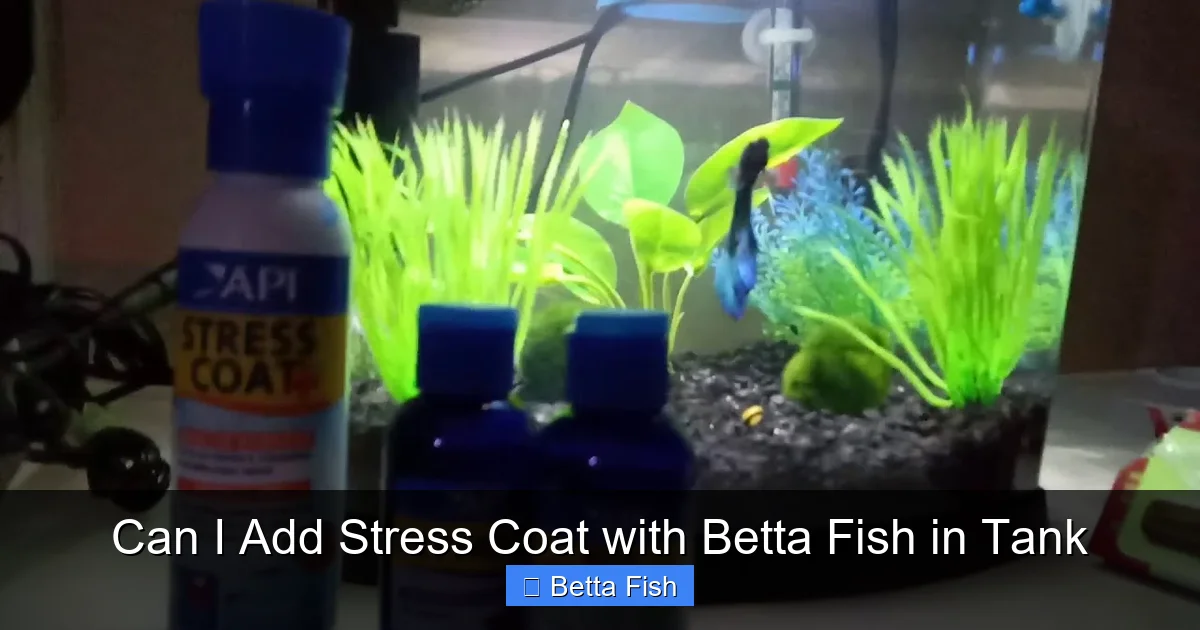
- Float the bag in the tank for 15–20 minutes to match temperature
- Slowly mix tank water into the bag or container over 20–30 minutes
- Net the fish gently and place it in the tank
- Add Stress Coat to the tank at the recommended dose
Do not feed right away if the fish seems very stressed. Wait a few hours or until the next day.
During minor injuries or fin damage
If your betta tears a fin on a sharp object or has a small wound:
- Remove or trim sharp decorations
- Do a small water change and add Stress Coat
- Keep the water warm and clean
- Watch for signs of infection, such as redness, white edges, or rotting smell
Most minor injuries heal on their own in clean water with slime coat support from Stress Coat.
When treating disease
If you are treating your betta for a disease like ich or mild fungus:
- Follow the medication instructions carefully
- Check if the medication advises against extra water conditioners
- If allowed, use a low dose of Stress Coat to support the slime coat
- Maintain excellent water quality with small, frequent changes
Stress Coat is usually supportive, not a cure. It helps your betta stay strong while the medication works.
Should You Use Stress Coat Every Water Change?
Pros of regular use
Many betta keepers use Stress Coat at every water change. The main benefits are:
Visual guide about Can I Add Stress Coat with Betta Fish in Tank
Image source: animalslog.com
- Consistent removal of chlorine and heavy metals
- Ongoing support for the slime coat
- Reduced stress during routine maintenance
If your betta is generally healthy and your tank is stable, using Stress Coat each time is usually fine.
When to use it less often
Some keepers prefer to use Stress Coat only when:
- They are moving the fish
- The betta is injured or sick
- There is a known water quality issue
- They are doing a larger water change than usual
In these cases, they may use a basic dechlorinator most of the time and save Stress Coat for extra support.
Conclusion: Can You Add Stress Coat with Betta Fish?
Yes, you can add Stress Coat with betta fish in your tank, and in many cases, it is a good idea. It helps make tap water safe, supports the slime coat, and can speed up recovery from stress and minor injuries. When used at the correct dose, it is generally safe and gentle.
Still, Stress Coat is only one piece of the puzzle. To keep your betta truly healthy, you also need:
- A properly sized, heated, and filtered tank
- Stable, clean water with regular changes
- Safe decorations and carefully chosen tankmates
- A balanced diet and careful observation for signs of stress or illness
If you combine good husbandry with smart use of products like Stress Coat, your betta is much more likely to stay active, colorful, and calm. For more ideas on what can safely share a tank with your betta, you can explore guides like what can go in a tank with a betta fish to help you build a peaceful, low-stress setup.
Frequently Asked Questions
Can I use Stress Coat daily in my betta tank?
It is usually not needed every day. Most keepers use it during water changes or when the betta is stressed, injured, or sick. Daily use without a clear reason can add unnecessary chemicals to a small tank.
Will Stress Coat cure fin rot in bettas?
Stress Coat alone will not cure serious fin rot. It can support healing of minor tears and help the slime coat, but true fin rot often needs specific medication and very clean water.
Is Stress Coat safe with betta tankmates like snails or shrimp?
Yes, Stress Coat is generally considered safe for most common betta tankmates, including many snails and shrimp, when used at the correct dose. Always observe new tankmates closely for any signs of stress.
Can Stress Coat replace a regular water conditioner?
In many cases, yes, because it removes chlorine, chloramine, and heavy metals. However, some keepers still prefer to use a basic dechlorinator most of the time and reserve Stress Coat for stressful events.
How soon after adding Stress Coat will my betta look better?
It depends on the problem. You may see less stress behavior within a day or two, but healing of fins or slime coat usually takes several days to a week with good water quality.
Should I remove carbon from the filter when using Stress Coat?
Carbon can remove some additives from water conditioners. If you want the full benefit of Stress Coat, it is often recommended to remove carbon for a short time, but it is not always required. Check the product instructions for guidance.