Is My Betta Fish About to Die
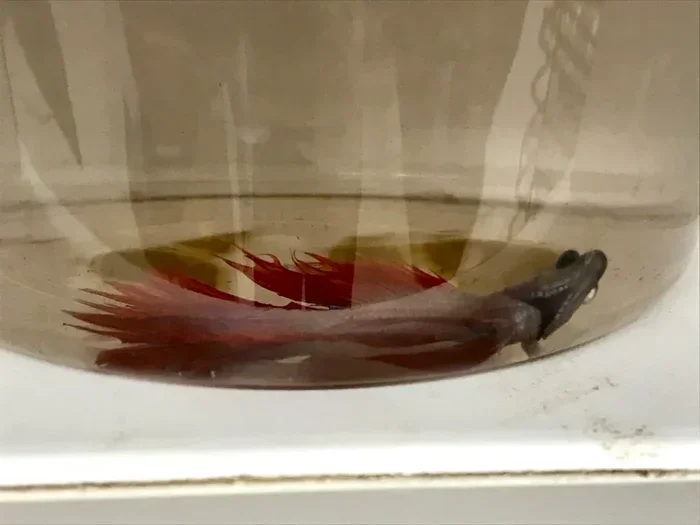
Your betta fish showing signs of dying can be scary, but acting fast makes a big difference. This guide covers the top warning signs that mean your betta fish is about to die, from color fading and not eating to staying at the bottom of the tank. You will learn the most common causes, simple rescue steps, and how to prevent future problems.
It is one of the scariest moments for any fish owner. You look at your betta and something just feels off. Maybe the colors look dull. Maybe your betta is barely moving. Your mind starts racing with one thought: is my betta fish about to die?
The good news is that many betta fish can recover if you catch the warning signs early. This guide walks you through every sign, cause, and rescue step you need to know. Whether your betta is barely moving or showing subtle changes, you will find the answers here.
Let us dive in and help your betta fish get the help it needs right now.
Key Takeaways
- Color fading and clamped fins are early warning signs your betta fish may be dying.
- Not eating and staying at the bottom of the tank are serious symptoms to watch closely.
- Poor water quality and temperature swings are the most common causes of betta fish decline.
- Quick action like water changes and temperature adjustments can save a struggling betta.
- Knowing the signs early gives your betta the best chance of recovery.
- Regular tank maintenance prevents most problems that lead to a betta fish dying.
- Consult a vet or fish expert if symptoms persist despite home treatment.
📑 Table of Contents
Top Signs Your Betta Fish Is About to Die
Betta fish give clear signals when something is wrong. The trick is knowing what to look for. Many owners miss the early signs because they seem minor at first. But these small changes add up fast.
Color Fading and Pale Body
A healthy betta fish has bright, vivid colors. If your betta starts turning white or looks washed out, that is a red flag. Color fading often means stress, illness, or poor water conditions. Check your tank water as soon as you notice this change.
Clamped Fins
When a betta holds its fins close to its body instead of spreading them out, this is called clamped fins. It is one of the most common signs of a betta fish about to die. Clamped fins usually mean your fish is in pain or fighting off an infection.
Not Eating or Refusing Food
A betta that stops eating is a betta in trouble. Most bettas are eager eaters. If your betta fish is not eating for more than two days, something is seriously wrong. This could signal illness, stress, or a swim bladder problem. You can learn more about this in our article on why is my betta fish not eating.
Staying at the Bottom or Sinking
If your betta is lying at the bottom of the tank and not moving, this is a very bad sign. A betta that keeps sinking to the bottom may be suffering from a swim bladder issue or severe weakness. Check out our guide on why is my betta fish sinking to the bottom for more details.
Labored Breathing and Gasping
Watch how your betta breathes. Quick, shallow breaths or gasping at the surface mean your fish is not getting enough oxygen. This can happen because of bad water quality, low oxygen levels, or a gill infection. Gasping is one of the most urgent signs that your betta needs help immediately.
Lethargy and Not Moving
A healthy betta fish is active and curious. If your betta barely moves or stays still for hours, it is telling you something is very wrong. Lethargy can come from cold water, disease, or old age. For more on this topic, read our article on why my betta fish is not moving.
Curled-Up Body or Strange Posture
A betta that curls up into a ball or leans to one side is in serious distress. This posture often points to internal issues like swim bladder disease or organ failure. A curved body is never normal and needs immediate attention.
Common Causes of a Dying Betta Fish
Understanding why your betta is dying helps you fix the root problem. Many causes are preventable with the right care. Here are the most common reasons a betta fish starts failing.
Poor Water Quality
This is the number one killer of betta fish. Ammonia and nitrite build up fast in small tanks. Even a few drops of ammonia can hurt your betta badly. Dirty water causes stress, infections, and organ damage over time. Testing your water weekly is one of the best things you can do for your fish.
Wrong Water Temperature
Betta fish need warm water between 76 and 82 degrees Fahrenheit. Cold water slows their metabolism and weakens their immune system. A betta in cold water will slowly lose energy and stop eating. If you suspect temperature is the issue, check out will my betta fish die in cold water for a deep dive into this problem.
Overfeeding
It is easy to love your betta with too much food. But overfeeding causes bloating, constipation, and swim bladder issues. Uneaten food also rots in the tank and poisons the water. Feed your betta two to three pellets once or twice a day. That is all they need.
Infections and Diseases
Bettas can get bacterial infections, fungal infections, and parasites. These show up as white spots, red streaks, fuzzy patches, or open sores. Left untreated, infections spread fast and can be fatal. Catching them early gives your betta the best shot at recovery.
Stress from Tank Mates or Environment
Betta fish are territorial. Keeping them with aggressive fish causes constant stress. Even a tank that is too small or too bright can wear your betta down over time. Stress weakens the immune system and makes your fish vulnerable to disease.
How to Save a Betta Fish That Is Dying
If your betta is showing serious signs, do not wait. Quick action can mean the difference between life and death. Here is what you should do right now.
Step 1: Test the Water
Grab a water test kit and check ammonia, nitrite, nitrate, and pH levels. Any spike in ammonia or nitrite is an emergency. If the levels are off, do a 50 percent water change immediately. Use dechlorinated water at the right temperature.
Step 2: Check the Temperature
Make sure your tank heater is working. If the water is too cold, slowly warm it up to 78 degrees. Do not change the temperature too fast. A sudden shift can shock your betta even more.
Step 3: Remove Stressors
Turn off bright lights. Keep the tank quiet and away from loud noises or vibrations. If you have tank mates, move your betta to a separate hospital tank. A calm environment helps your betta focus its energy on healing.
Step 4: Feed Carefully
Do not force feed a dying betta. If your fish is still interested in food, offer a tiny amount of high-quality betta pellets or frozen bloodworms. If your betta refuses food entirely, skip feeding for 24 hours and try again. Overfeeding a sick fish makes things worse.
Step 5: Add Aquarium Salt (If Needed)
Adding a small amount of aquarium salt can help with mild infections and stress. Use one teaspoon per gallon of water. Do not use table salt. Aquarium salt is specifically made for fish tanks and is safe for bettas when used correctly.
Step 6: Seek Professional Help
If your betta does not improve within 24 to 48 hours, it is time to see a vet or a fish expert. Many pet stores like Petco offer fish health consultations. You can also search online for can I take my betta fish to the vet at Petco to find out what options are available near you.
How to Tell If It Is Already Too Late
Sometimes, despite your best efforts, a betta fish reaches a point where recovery is not possible. Knowing the difference between a sick fish and a dying fish helps you make the right call.
A betta that is completely unresponsive, has a severely curved spine, or shows visible body decay is likely beyond saving. If your fish has stopped breathing entirely and shows no movement for hours, it has likely passed away.
This is heartbreaking. But understanding the signs helps you avoid unnecessary suffering. You can read more about the final stages in our article on when a betta fish is about to die.
If your betta has passed, make sure to remove the body from the tank quickly. A decomposing fish can spike ammonia levels and harm other fish in the same tank.
How to Prevent Your Betta From Getting Sick
The best way to deal with a dying betta is to prevent the problem from happening in the first place. Good betta care keeps your fish healthy and happy for years.
Keep the Tank Clean
Do regular water changes. A 25 percent water change every week works well for most betta tanks. Always use a water conditioner to remove chlorine and chloramine before adding new water.
Maintain Stable Temperature
Use a reliable aquarium heater with a thermostat. Bettas need steady warmth. Avoid placing the tank near windows, drafts, or air vents. Temperature swings stress your fish and weaken its immune system.
Feed a Balanced Diet
Offer a mix of high-quality pellets, frozen or live foods like brine shrimp, and occasional treats. Variety keeps your betta healthy and interested in food. Never feed more than your betta can eat in two minutes.
Provide a Properly Sized Tank
A betta needs at least a 5-gallon tank. Smaller bowls and cups are not suitable for long-term health. A larger tank gives your betta room to swim and keeps water parameters more stable.
Watch for Early Warning Signs
Check on your betta every day. Look for changes in color, appetite, energy level, and swimming behavior. Catching problems early gives you time to act before things get serious.
Quick Tips to Remember
- Test your water at least once a week for ammonia and nitrite.
- Keep the temperature stable between 76 and 82 degrees Fahrenheit.
- Do not overfeed. Two to three pellets per feeding is plenty.
- Observe your betta daily. Small changes matter.
- Act fast when you notice warning signs. Time is critical.
- Keep a separate hospital tank ready for emergencies.
Common Mistakes Bettas Owners Make
Many well-meaning owners accidentally make things worse for their betta. Here are the most common mistakes to avoid.
Using untreated tap water. Tap water contains chlorine and chloramine that harm fish. Always condition your water before adding it to the tank.
Keeping the betta in a tiny bowl. Small containers cause ammonia spikes fast and stress your fish. A 5-gallon tank is the minimum.
Ignoring early symptoms. A betta that stops eating for one day may just be picky. But two or more days without eating is a serious warning sign. Do not wait too long to act.
Overcrowding the tank. Bettas are solitary fish. Adding too many tank mates creates stress and aggression. Keep your betta alone or with peaceful, non-fin-nipping species.
Skipping water tests. You cannot see ammonia or nitrite with the naked eye. A test kit is essential for every betta owner. Without it, you are guessing blind.
Final Thoughts
Seeing your betta fish about to die is one of the hardest experiences for a fish owner. But knowledge is power. When you know what to look for, you can act fast and give your betta the best chance of survival.
Watch for the warning signs: color fading, clamped fins, not eating, staying at the bottom, and labored breathing. Fix the root causes like poor water quality, wrong temperature, and overfeeding. And most importantly, do not wait too long to take action.
Your betta depends on you. With the right care and quick response, many betta fish recover fully and go on to live happy, healthy lives. Stay observant, stay proactive, and give your betta the love and attention it deserves.
Frequently Asked Questions
How do I know if my betta fish is dying or just sleeping?
A sleeping betta will still respond to light and food. A dying betta will be unresponsive, pale, and barely move. Check the gills for breathing. If the gills are not moving or are moving very slowly, your betta needs help right away.
Can a betta fish recover from being close to death?
Yes, many bettas can recover if you catch the problem early and take action. Quick water changes, temperature adjustments, and removing stressors give your betta the best chance. The key is to act fast and not wait too long.
How long does a betta fish have when it is dying?
There is no set timeline. Some bettas decline over days, while others worsen within hours. It depends on the cause and how quickly you intervene. Early action always gives the best outcome.
Should I isolate a dying betta fish?
Yes, if you have other fish in the tank, move the sick betta to a separate hospital tank. This prevents the spread of disease and reduces stress. A quiet, warm hospital tank gives your betta the best environment to recover.
What water temperature is best for a sick betta fish?
Keep the water between 78 and 80 degrees Fahrenheit for a sick betta. This range supports healing and boosts the immune system. Avoid sudden temperature changes and use a reliable heater with a thermostat.
Can poor water quality kill a betta fish quickly?
Yes, high ammonia or nitrite levels can kill a betta within hours. Bettas are very sensitive to water toxins. Regular water testing and weekly water changes are essential to keep your betta safe and healthy.
=== CONCLUSION ===
A betta fish about to die does not have to mean the end. By learning the warning signs, understanding the causes, and taking quick action, you can save your fish and prevent future problems. Keep your tank clean, your water warm, and your eyes on your betta every day. Your betta gave you its trust. Give it back the care and attention it deserves.