Are Goldfish Related to Betta Fish
Goldfish and betta fish may share the same aquarium hobby, but they belong to entirely different families. Understanding their evolutionary paths, water needs, and temperament helps you keep each species happy and healthy.
Key Takeaways
- Different families: Goldfish are cyprinids, while bettas belong to the gourami family.
- Distinct habitats: Goldfish thrive in cooler, temperate waters; bettas need warm, tropical environments.
- Separate care routines: Feeding, tank size, and water parameters differ greatly between the two.
- Not true relatives: Evolutionary history shows no close genetic link despite superficial similarities.
- Compatibility warning: Keeping goldfish and betta fish together is risky and generally not recommended.
- Learn more: Explore related topics like what betta fish are and why betta fish are hard to care for.
📑 Table of Contents
- Introduction: Two Popular Pets, One Common Question
- 1. Taxonomy: Where Do Goldfish and Betta Fish Fit?
- 2. Natural Habitats: From Temperate Streams to Tropical Ponds
- 3. Physical Differences: Size, Shape, and Color
- 4. Behavioral Traits: Social vs. Solo
- 5. Care Requirements: Feeding, Tank Setup, and Health
- 6. Evolutionary History: A Quick Timeline
- Conclusion: Knowing the Differences Keeps Them Happy
Introduction: Two Popular Pets, One Common Question
If you’ve ever walked into a pet store and seen the bright orange goldfish swimming lazily beside the flamboyant betta, you might wonder, are goldfish related to betta fish? The answer is a clear “no,” but the reasons are fascinating and worth exploring.
Both species are beloved by beginners and seasoned hobbyists alike. They share the spotlight in many home aquariums, yet they come from completely different corners of the fish family tree. In this article we’ll break down their taxonomy, natural habitats, and care requirements so you can see why they’re not cousins, and why mixing them is usually a bad idea.
1. Taxonomy: Where Do Goldfish and Betta Fish Fit?
Goldfish – The Cyprinid Classic
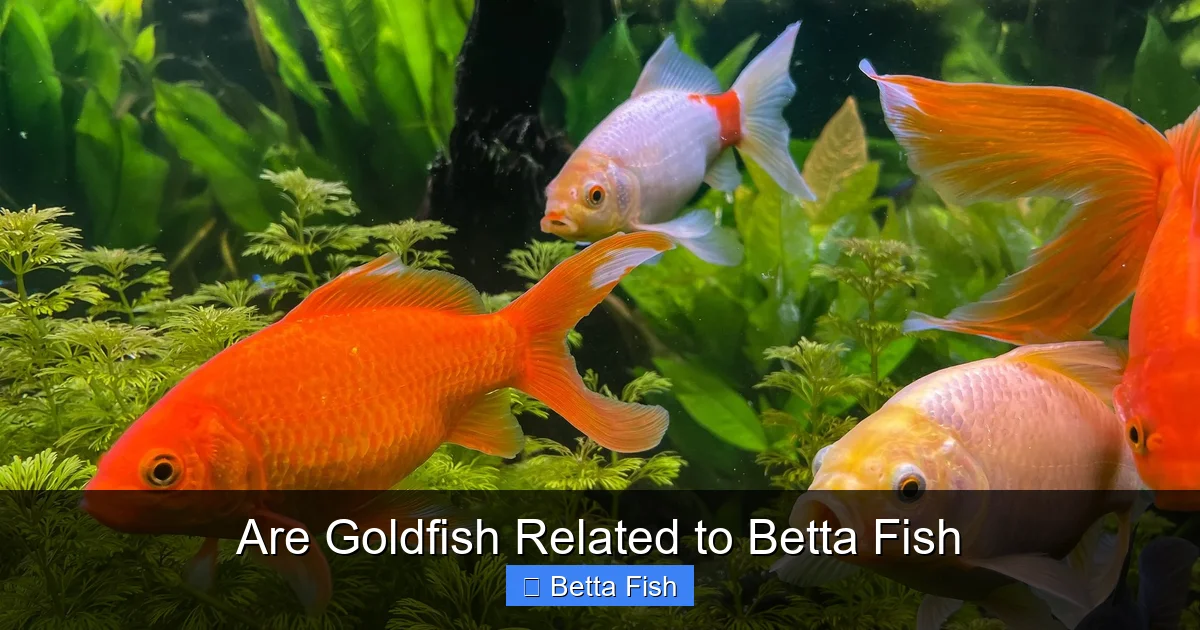
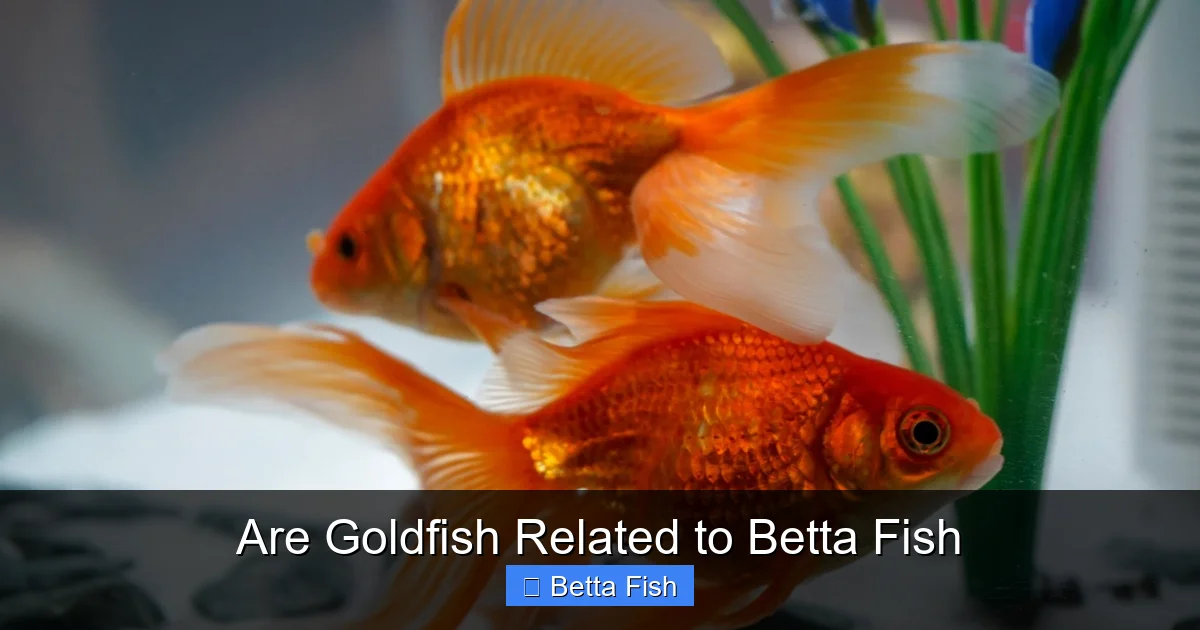
Goldfish (Carassius auratus) belong to the family Cyprinidae, which includes carps, minnows, and other freshwater minnows. This family is part of the order Cypriniformes, a group that has been around for more than 100 million years. Goldfish were domesticated from the wild crucian carp in ancient China, and selective breeding over centuries created the many varieties we see today.
Visual guide about Are Goldfish Related to Betta Fish
Image source: thesprucepets.com
Betta Fish – The Gourami Group
Betta fish, often called Siamese fighting fish (Betta splendens), are members of the family Osphronemidae, the gourami family. They belong to the order Anabantiformes, which also houses climbing perches and other labyrinth fish. The key feature of this order is the labyrinth organ—a specialized breathing structure that lets them gulp air from the surface.
Why the Families Matter
Even though both fish live in freshwater, their family lines split early in evolutionary history. Goldfish lack a labyrinth organ, have different scale structures, and reproduce in very different ways. Betta fish, on the other hand, have a unique bubble‑nesting behavior that goldfish never display. These fundamental differences prove that goldfish are not closely related to betta fish.
2. Natural Habitats: From Temperate Streams to Tropical Ponds
Goldfish Environments
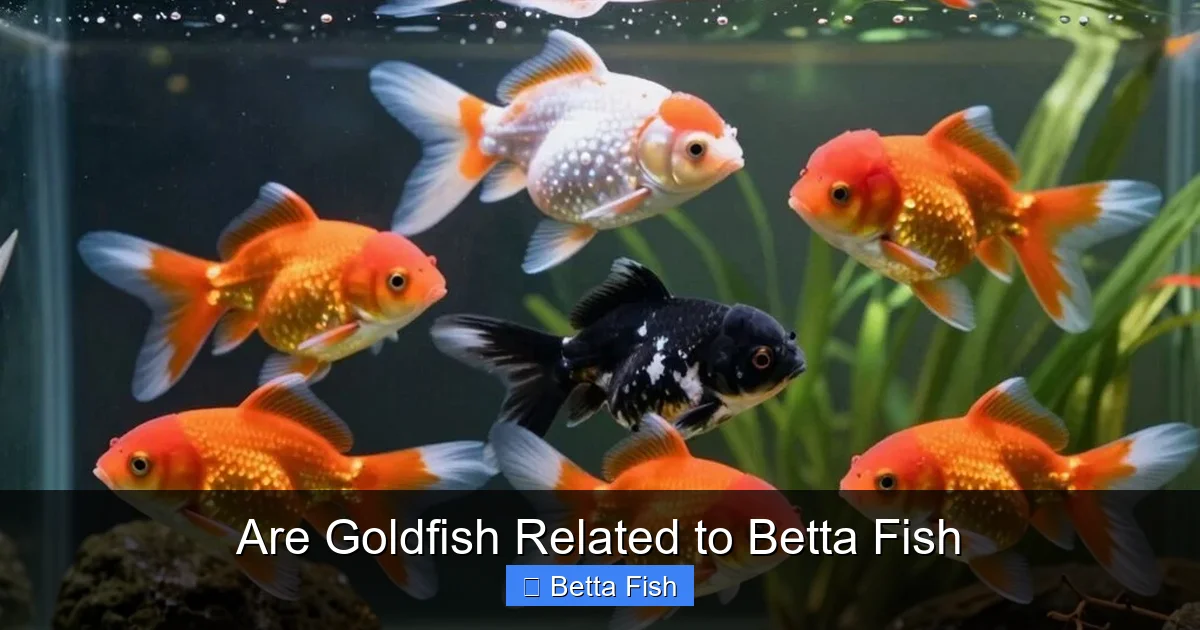
Goldfish originated in the cool, slow‑moving rivers and lakes of East Asia. They prefer water temperatures between 65‑75°F (18‑24°C) and can tolerate a wide range of pH levels. In the wild, they feed on algae, small insects, and plant matter, making them omnivorous bottom foragers.
Visual guide about Are Goldfish Related to Betta Fish
Image source: aquarevolt.com
Betta Environments
Betta fish come from the warm, shallow rice paddies, swamps, and slow streams of Thailand, Cambodia, and Vietnam. Their ideal temperature is 78‑80°F (25‑27°C). The warm water supports the development of the labyrinth organ, allowing bettas to survive in oxygen‑poor habitats where other fish would struggle.
Implications for Home Aquariums
Because goldfish thrive in cooler water and bettas need warmth, trying to keep them in the same tank forces a compromise that harms both. This temperature mismatch is one of the main reasons why the answer to are goldfish related to betta fish also matters for practical tank‑keeping.
3. Physical Differences: Size, Shape, and Color
Body Shape and Size
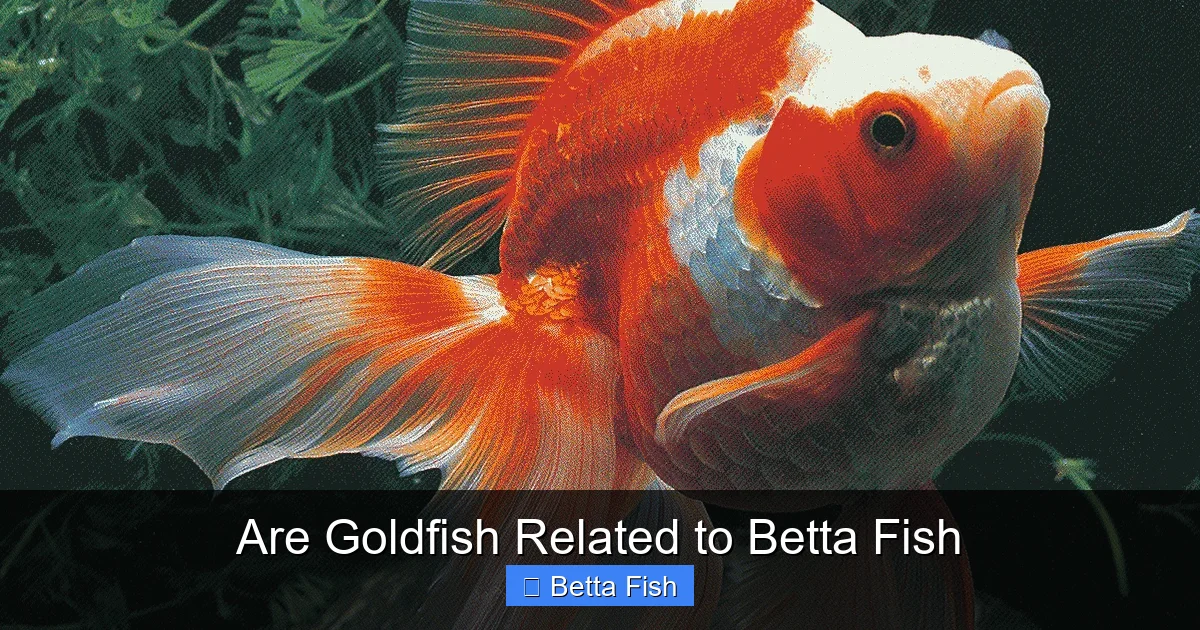
Goldfish can grow from a few inches to over a foot long, depending on the variety. Their bodies are laterally compressed with a deep, rounded belly. Betta fish are much smaller, usually 2‑3 inches long, with a slender, torpedo‑shaped body that tapers toward the tail.
Visual guide about Are Goldfish Related to Betta Fish
Image source: usercontent2.hubstatic.com
Fins and Appendages
Betta fish are famous for their elaborate, flowing fins—often called “veils,” “crowntails,” or “deltas.” These fins are supported by a flexible spine that allows dramatic displays during courtship and aggression. Goldfish have more modest fins, and while some fancy varieties have long flowing tails, they lack the intricate fin structures of bettas.
Coloration
Both species can boast vivid colors, but the mechanisms differ. Goldfish colors come from pigments called carotenoids that they obtain from their diet. Betta fish produce both pigments and structural colors, giving them iridescent blues and bright reds that can change with mood and health.
4. Behavioral Traits: Social vs. Solo
Goldfish – The Social Swimmers
Goldfish are schooling fish. In the wild they gather in large groups for safety. In captivity, they feel most comfortable with companions of the same species. They are generally peaceful and will ignore each other’s presence unless space is limited.
Betta Fish – The Lone Warriors
Male bettas are famously aggressive toward each other, a trait that earned them the name “Siamese fighting fish.” They defend a small territory and will flare their gills and fins at any perceived intruder. Female bettas can coexist in groups called sororities, but careful monitoring is required.
Can They Coexist?
The answer is usually no. Even if you try to keep a single male betta with a goldfish, the betta may view the goldfish’s movement as a threat and become stressed. Likewise, goldfish may see the betta’s flares as random aggression, leading to stress for both. For a deeper look at compatibility, read our guide on can a goldfish live with a betta fish.
5. Care Requirements: Feeding, Tank Setup, and Health
Feeding Differences
Goldfish are omnivores that need a balanced diet of high‑quality flakes or pellets, supplemented with vegetables like peas and spinach. Betta fish are carnivorous and thrive on protein‑rich foods such as betta pellets, frozen bloodworms, or daphnia. Feeding goldfish food to a betta is not recommended; see can you feed goldfish food to betta fish for details.
Tank Size and Filtration
Goldfish produce a lot of waste and need ample swimming space—ideally 20 gallons for the first fish and 10 gallons for each additional one. They also benefit from strong filtration. Betta fish can live in smaller tanks (5‑10 gallons) but still require a filter to keep water clean and stable. Both species need a lid to prevent jumps, but bettas also need a heater to maintain tropical temperatures.
Health Concerns
Goldfish are prone to swim bladder issues and fungal infections in cold water. Betta fish can develop fin rot, dropsy, or ich if water quality drops. Regular water changes (25‑30% weekly) and monitoring temperature are essential for both.
6. Evolutionary History: A Quick Timeline
Goldfish Evolution
Goldfish diverged from their wild ancestors around 1,000 years ago during domestication in China. Their lineage traces back to ancient cyprinids that populated Eurasian rivers during the Miocene epoch.
Betta Evolution
Betta fish evolved much later, adapting to seasonal monsoons and low‑oxygen waters in Southeast Asia. Their labyrinth organ developed about 20 million years ago, giving them a unique niche among freshwater fish.
Why the Divergence Matters
Because goldfish and bettas split from common ancestors so long ago, their genetic makeup, physiology, and behavior have followed separate paths. This long evolutionary distance confirms that goldfish are not related to betta fish in any meaningful way.
Conclusion: Knowing the Differences Keeps Them Happy
While goldfish and betta fish share the limelight in many homes, they belong to different families, come from distinct habitats, and have unique care needs. Understanding that are goldfish related to betta fish is a “no” helps hobbyists avoid costly mistakes, such as mixing water temperatures or feeding the wrong diet.
By respecting each species’ individuality—providing cool, spacious tanks for goldfish and warm, well‑filtered homes for bettas—you’ll enjoy the beauty of both without compromising health. And if you ever feel curious about other aspects of betta care, explore topics like what are betta fish and why are betta fish so hard to take care of for more insight.
Frequently Asked Questions
Are goldfish and betta fish in the same family?
No. Goldfish belong to the Cyprinidae family, while betta fish are part of the Osphronemidae (gourami) family.
Can I keep a goldfish and a betta fish together?
It is not recommended. Different temperature needs, water parameters, and aggressive tendencies make them poor tank mates.
Do goldfish and betta fish need the same type of food?
No. Goldfish require omnivorous flakes or pellets with plant matter, whereas bettas need protein‑rich carnivorous foods.
Which fish lives longer in captivity?
Goldfish often live 10‑20 years with proper care, while bettas typically live 3‑5 years.
Do betta fish have a special organ that goldfish lack?
Yes. Betta fish have a labyrinth organ that lets them breathe air from the surface, an adaptation goldfish do not have.
What water temperature is best for each species?
Goldfish thrive in 65‑75°F (18‑24°C); betta fish need warmer water, around 78‑80°F (25‑27°C).