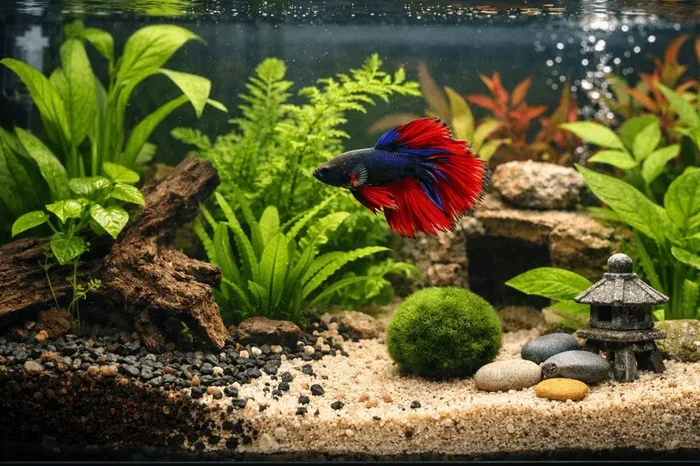
How Many Different Breeds of Betta Fish Are There

So, how many different breeds of betta fish are there? The answer might surprise you! There are over 70 recognized betta fish varieties, ranging from common veiltail bettas to rare crown tail and halfmoon bettas. In this guide, you’ll learn every major betta breed, their unique traits, and how to care for them properly.
Key Takeaways
- 70+ recognized varieties: There are over 70 different betta fish breeds and color morphs recognized by breeders worldwide.
- Five main tail types: Veiltail, halfmoon, crown tail, plakat, and double tail are the primary betta fin categories.
- Breeds vary in care needs: Some betta breeds like plakats are hardier, while others like halfmoons need more specialized setups.
- Color is separate from breed: Betta colors like purple, rainbow, and black are color mutations, not distinct breeds.
- Wild bettas are different: Wild betta splendens look very different from the ornamental breeds kept as pets.
- Breeding drives diversity: Most modern betta breeds come from selective breeding and genetic mutations over decades.
📑 Table of Contents
- What Are Betta Fish Breeds?
- How Many Betta Fish Breeds Actually Exist?
- The Most Popular Betta Fish Breeds
- Rare and Exotic Betta Fish Breeds
- How to Identify Different Betta Breeds
- Taking Care of Different Betta Breeds
- Choosing the Right Betta Breed for You
- Common Mistakes When Buying Betta Fish Breeds
- Quick Tips for Betta Breed Success
- Conclusion
What Are Betta Fish Breeds?
Before we dive into the full list, let’s clarify what we mean by “breed.” In the world of betta fish, breeds refer to distinct varieties shaped by their genetics — especially their fin shape, tail type, and body structure. These are not just color differences. Each breed has unique physical traits that set it apart.
All ornamental bettas belong to the species betta splendens, also known as the siamese fighting fish. These fish were first bred for fighting in Thailand (formerly Siam) centuries ago. Over time, breeders focused on beauty instead of aggression. That shift created the stunning betta varieties we know today.
If you’re new to the hobby, you might wonder how many betta fish species exist. The short answer is that there is one primary species — betta splendens — but within that species, there is enormous diversity. Selective breeding and natural betta mutations have produced dozens of distinct types. To understand the full picture, it helps to know that there are different kinds of betta fish beyond what most pet stores carry.
How Many Betta Fish Breeds Actually Exist?
The exact number depends on who you ask. Most experts recognize over 70 different betta fish breeds and color morphs. However, if we focus strictly on tail and fin types, the number shrinks to about five main categories. Let’s break this down.
The Five Main Betta Tail Types
Every betta breed falls into one of five major tail categories. These define the basic shape and structure of the fish:
- Veiltail (VT): The most common betta in pet stores. Veiltails have long, flowing fins that drape downward. They are easy to care for and widely available.
- Halfmoon (HM): Named for their dramatic 180-degree tail spread. Halfmoons are showstoppers and a favorite among serious hobbyists.
- Crown Tail (CT): Recognizable by their spiky, comb-like fin rays. Crown tails have a wild, exotic look that stands out in any tank.
- Plakat (PK): Short-finned bettas that closely resemble wild betta splendens. Plakats are active, hardy, and great for beginners.
- Double Tail (DT): These bettas have a split tail fin that creates two distinct lobes. They are less common but highly prized.
These five tail types form the foundation for nearly every other breed variation you’ll encounter. Breeders combine them with different colors, patterns, and body shapes to create the full range of betta fish classification groups.
Beyond the Basics: Additional Breed Categories
Some breeders recognize additional categories beyond the five main tail types. These include:
- Crowntail Plakat (CTPK): A short-finned crown tail. Very active and colorful.
- Halfmoon Plakat (HMPK): Short fins with a wide spread. A great middle ground between plakats and halfmoons.
- Super Delta Tail (SDT): Falls between a halfmoon and a delta tail. The spread is impressive but not quite 180 degrees.
- Rosetail (RT): A variation of the halfmoon with extra branching in the tail fins, giving it a ruffled appearance.
- Halfsun (HS): A halfmoon crossed with a crown tail. It combines the wide spread with spiky rays.
When you add up all these categories along with color variations, the number of betta fish diversity types grows quickly. If you’re curious about specific colors, you might wonder are there purple betta fish or are there black betta fish? The answer is yes — those are color morphs, not separate breeds, but they add even more variety.
The Most Popular Betta Fish Breeds
Some betta breeds are everywhere in pet stores and online shops. Others are rarer and sought after by dedicated collectors. Here are the most popular breeds you’re likely to encounter:
1. Veiltail Betta
The veiltail betta is the classic pet store fish. Its long, elegant fins flow behind it like a silk curtain. Veiltails come in nearly every color imaginable, from solid red to multicolored dragon patterns. They are hardy, affordable, and beginner-friendly.
Despite their popularity, veiltails are not the best swimmers. Their long fins create drag, so they prefer calm water with gentle filtration. If you want detailed care advice for this breed, check out our guide on how to take care of a veiltail betta fish.
2. Halfmoon Betta
The halfmoon betta is the crown jewel of the hobby. When fully flared, the tail forms a perfect semicircle. Breeders spend years refining this spread to get the cleanest, most symmetrical halfmoons.
Halfmoons require more attention than veiltails. They need spacious tanks (at least 5 gallons) and careful water quality management. Their large fins also make them more prone to tearing if tank decor is sharp or rough.
3. Crown Tail Betta
Crown tail bettas have a distinctive look. Their fin rays extend beyond the webbing, creating a starburst or comb effect. This unique appearance comes from a specific genetic mutation that affects how the fins develop.
Crown tails are active and display well. They tend to be more interactive with their owners than other breeds, often following fingers and hand signals. Their fins are shorter than veiltails, making them slightly easier to manage.
4. Plakat Betta
If you want a betta that looks wild and acts tough, the plakat betta is your fish. Plakats have short, rounded fins and a muscular body. They are the closest domestic breed to the original wild betta fish.
These fish are excellent swimmers and can even jump higher than other betta breeds. Plakats are energetic and do best in tanks with plenty of open swimming space. They are also among the most affordable betta types.
5. Double Tail Betta
The double tail betta is unique. Instead of one tail fin, it has two distinct lobes. This gives the fish a wide, powerful look. Double tails are less common in stores but highly valued by collectors.
One thing to watch: double tails sometimes have trouble swimming because their tail shape creates extra drag. Keep tank water calm and avoid strong currents. These fish also benefit from a well-planted tank with open swimming areas.
Rare and Exotic Betta Fish Breeds
Beyond the popular breeds, there are some truly extraordinary betta types. These rare breeds often cost more and are harder to find. They represent the cutting edge of betta breeding and betta genetics.
Galaxy and Koi Betta
Galaxy bettas have a metallic, iridescent scales that shimmer like a starry night. Koi bettas display patchwork patterns of red, white, orange, and gold — resembling a koi carp. Both are results of careful betta mutations and selective pairing.
Marble Betta
The marble betta has a unpredictable color pattern. Its body looks splashed with paint, with bold blocks of color that can shift over time. The marble gene is dominant, which means breeders can produce marble patterns relatively easily. However, the colors may change throughout the fish’s life, adding to its mystique.
Dragon Scale Betta
Dragon scale bettas have thick, metallic scales that cover the entire body and even extend onto the fins. They look armored and regal. These fish are a product of intensive betta genetics work and are highly prized in shows.
Rainbow and Purple Betta Fish
You might ask, are there rainbow betta fish? Yes! Rainbow bettas display multiple iridescent colors across their body, shifting between green, blue, and purple depending on the light. Similarly, are there purple betta fish? Absolutely — purple is one of the most sought-after solid colors in the hobby. Pure purple bettas are rare and often expensive because producing consistent purple coloration requires careful breeding over multiple generations.
How to Identify Different Betta Breeds
Knowing how to tell breeds apart is an essential skill for any betta enthusiast. Here are the key features to look for:
Check the Tail Shape
This is the easiest way to identify a betta breed. Spread the tail fully and observe the angle:
- Less than 90 degrees: Likely a plakat or short-finned variety.
- 90 to 150 degrees: Probably a delta or super delta tail.
- Exactly 180 degrees: A halfmoon betta.
- Over 180 degrees: Sometimes called a halfmoon overcross (HMOC).
- Spiky rays visible: Crown tail characteristics.
- Two distinct lobes: Double tail.
Examine the Fin Length
Long fins point toward veiltail, halfmoon, or crown tail. Short fins indicate plakat or halfmoon plakat. The fin length also affects swimming ability and tank requirements.
Look at the Body Shape
Plakats have a sleek, torpedo-shaped body. Halfmoons and veiltails tend to be more rounded. Dragon scale bettas appear bulkier due to their thick scales. Body shape gives you another clue about the breed and its care needs.
Observe Color Patterns
Solid colors, multicolored patterns, and metallic sheens all point to specific breeding lines. If you’re unsure about a specific color variant, our guide on how to enhance the color of betta fish can help you understand what makes colors pop and how to maintain vibrant hues.
Taking Care of Different Betta Breeds
Not all betta breeds have the same needs. Here’s a breakdown of care requirements across the major types:
Tank Size
- Veiltail and Crown Tail: 5 gallons minimum. These fish do well in standard setups.
- Halfmoon and Rosetail: 5 to 10 gallons. Larger tanks help maintain water quality and give these fish room to display their fins.
- Plakat: 5 gallons, but they appreciate 10 gallons because of their active swimming style.
- Double Tail: 5 gallons minimum, with plenty of open swimming space.
Water Conditions
Most betta breeds prefer water temperatures between 76°F and 82°F (24°C–28°C). They thrive in slightly acidic to neutral pH (6.5–7.5). However, long-finned breeds like halfmoons are more sensitive to poor water quality. Frequent water changes are essential for these fish.
For cold-weather care, you may need a heater. Our article on how to take care of betta fish in winter offers helpful tips for maintaining stable temperatures during cooler months.
Feeding
All betta breeds are carnivores. They need high-protein diets with pellets, frozen bloodworms, and live foods. The amount varies by breed size. Smaller breeds like plakats do well with 2–3 pellets twice a day. Larger halfmoons may eat slightly more. For specific feeding guidance, check out how many balls of food for betta fish to get the portions right.
Fin Care
Long-finned breeds are more prone to fin rot and tearing. Keep tank decor smooth and avoid sharp objects. If you notice ragged fins, check water parameters immediately. Early treatment with clean water and appropriate medication usually resolves the problem quickly.
Choosing the Right Betta Breed for You
Not sure which breed to get? Here’s a quick guide to match your experience level and setup:
For Beginners
- Veiltail: Widely available, affordable, and forgiving of minor care mistakes.
- Plakat: Hardy, active, and less prone to fin problems because of their short fins.
- Crown Tail: Active, interactive, and relatively easy to keep healthy.
For Intermediate Keepers
- Halfmoon: Requires good water management but rewards you with a breathtaking fish.
- Rosetail: Similar care to halfmoons with a unique, ruffled tail look.
- Marble: Fun to watch as colors shift, but the unpredictable pattern means no two fish look alike.
For Advanced Keepers
- Dragon Scale: Needs premium water conditions and careful selective feeding to maintain scale quality.
- Galaxy: Best kept in dark tanks to maximize the iridescent shimmer effect.
- Rare color morphs (purple, rainbow): These often require specialized breeding setups and consistent color-maintenance routines.
No matter which breed you choose, the commitment is the same. Every betta deserves a clean tank, proper nutrition, and plenty of enrichment. If you’re wondering about compatibility, bettas are generally solitary. Our guides on are there other fish that can go with a betta and are there any other fish that go well with a betta can help you explore tank mate options if you want to expand your setup.
Common Mistakes When Buying Betta Fish Breeds
Even experienced keepers sometimes make mistakes. Here are pitfalls to avoid:
- Buying based on color alone: A beautiful color doesn’t tell you the breed. Always check tail shape and fin structure before purchasing.
- Ignoring tank size: Halfmoons in tiny bowls develop health problems fast. Give every betta at least 5 gallons.
- Overfeeding: Betts are greedy eaters. Overfeeding leads to bloating and poor water quality. Stick to small, scheduled meals.
- Mixing breeds carelessly: Some breeds cannot coexist peacefully. Male bettas of any breed should never be housed together unless carefully separated by dividers.
- Skipping quarantine: New fish can carry diseases. Quarantine any new betta for at least two weeks before adding it to your main tank.
Quick Tips for Betta Breed Success
- Always buy from reputable breeders when possible. Pet store fish often have weaker genetics.
- Use a heater and thermometer to keep water temperature stable.
- Provide hiding spots like caves or plants, even for solitary bettas.
- Watch for behavioral changes. Lethargy, clamped fins, or loss of appetite signal a problem.
- Learn the difference between betta fish species and color morphs. This knowledge helps you make better purchasing decisions.
- Join online betta communities. Enthusiasts share advice on breed-specific care that you won’t find in general guides.
Conclusion
So, how many different breeds of betta fish are there? The honest answer is that there are over 70 recognized betta fish varieties, built on five main tail types and countless color combinations. From the classic veiltail to the exotic dragon scale, there’s a betta breed for every level of experience and every personal taste.
Understanding these breeds helps you become a better keeper. You’ll know what tank setup to provide, what food to offer, and what health issues to watch for. Whether you choose a hardy plakat or a stunning halfmoon, your betta will thrive when you match its needs to your care routine.
The world of betta splendens is rich with diversity. Take your time, do your research, and enjoy the journey of discovering which breed speaks to you. Every one of these fish is a tiny masterpiece of nature and breeding artistry.
Frequently Asked Questions
How many recognized betta fish breeds are there?
There are over 70 recognized betta fish breeds and color morphs. However, these all stem from five main tail types: veiltail, halfmoon, crown tail, plakat, and double tail. The rest are variations and combinations of these base types.
What is the most common betta breed?
The veiltail betta is the most common. You’ll find them in almost every pet store. They have long, flowing fins and come in many colors. They are also the easiest betta breed for beginners to care for.
Are plakat bettas different from other betta breeds?
Yes. Plakat bettas have short fins and a streamlined body. They are closer to the original wild betta splendens. Plakats are more active swimmers and tend to be hardier than long-finned breeds like halfmoons or veiltails.
Can different betta breeds live together?
Generally, no. Male bettas of any breed are territorial and should not be housed together. Female bettas can sometimes live in groups (called sororities), but this requires careful tank planning. Always research before combining any betta breeds in one tank.
What is the rarest betta fish breed?
Some of the rarest breeds include galaxy bettas, pure purple bettas, and certain dragon scale lines. These are difficult to breed and produce consistently. Their rarity makes them expensive and highly sought after by collectors.
How can I tell what breed my betta fish is?
Look at the tail shape when the fish flares its fins. A 180-degree spread means halfmoon. Spiky rays indicate crown tail. Short fins suggest plakat. Two tail lobes mean double tail. If you’re still unsure, compare your fish to photos of each breed type online or ask at a local fish store.