How Often Are You Supposed to Feed Betta Fish
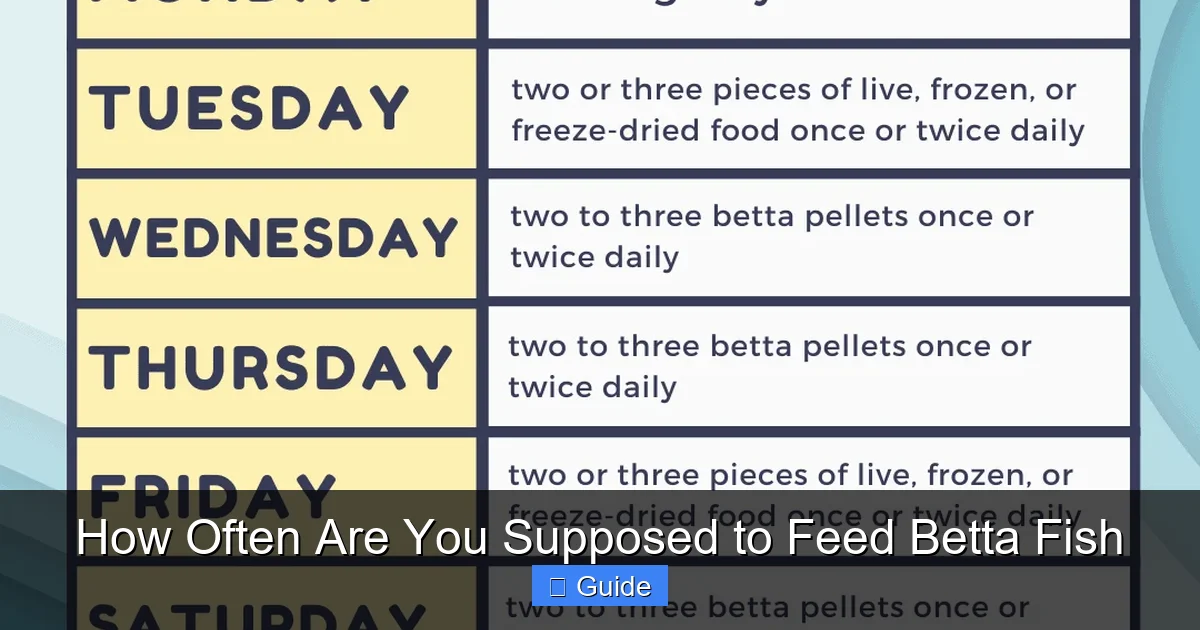
Feeding your betta fish correctly is crucial for its health and longevity. The general rule is to feed adult bettas once or twice a day, offering only what they can consume in 2-3 minutes, typically 2-3 pellets or a few brine shrimp. Overfeeding is the #1 mistake new owners make, leading to serious health issues like constipation, swim bladder disorder, and fatal water pollution. Always prioritize high-quality, protein-rich foods and consider a weekly fasting day to aid digestion.
So, you’ve brought home a beautiful betta fish, with its flowing fins and vibrant colors. You’ve set up a lovely tank, maybe even added a plant or two. Now comes the most basic, yet surprisingly confusing, question: how often are you supposed to feed a betta fish? If you ask five different fish keepers, you might get five different answers. The truth is, proper feeding is one of the most critical aspects of betta care, and getting it wrong is the fastest track to health problems. This guide will cut through the confusion. We’ll dive deep into the science of a betta’s digestive system, debunk the “feed daily” myth, and provide you with a clear, actionable feeding schedule that will keep your aquatic companion thriving for years.
The short answer? For a healthy adult betta, once a day is often perfect. Twice a day can be fine if portions are tiny. But the real answer lies in understanding why this is the case. Bettas are carnivorous fish with a short, primitive digestive tract more akin to a wild predator that might not eat every single day. In their natural rice paddy habitats, they eat insects and larvae that happen to land on the water’s surface. They are not grazers; they are opportunistic hunters. This fundamental biology means their metabolism is not designed for constant, large meals. Overfeeding doesn’t just make your betta fat; it poisons its water and can cause life-threatening internal blockages.
Key Takeaways
- Frequency is Key: Feed adult bettas once or twice daily. Younger fry need 3-4 small meals. Consistency with timing helps regulate their metabolism.
- Portion Control is Non-Negotiable: A betta’s stomach is roughly the size of its eye. Feed 2-3 high-quality pellets or a small pinch of frozen/brine shrimp per meal. When in doubt, feed less.
- Quality Over Quantity: Bettas are obligate carnivores. Their diet must be protein-rich (40-50% protein). Pellets should list fish or shrimp meal as the first ingredient. Avoid fillers like wheat or soy.
- Fasting is Beneficial: Implement a 24-hour fast once a week. This gives their digestive system a break, prevents constipation, and mimics natural feeding cycles where meals aren’t guaranteed.
- Observe and Adjust: Watch your betta eat. If food sinks to the bottom untouched after 2-3 minutes, you’ve overfed. Adjust portions based on your specific fish’s activity level and body condition.
- Water Quality Directly Links to Feeding: Uneaten food decays instantly, creating toxic ammonia and nitrites. Never overfeed and always remove any uneaten food within 5 minutes with a net or siphon.
- Live/Frozen Foods are Supplements, Not Staples: Treats like daphnia, bloodworms, or brine shrimp are excellent for variety and conditioning but should only be given 1-2 times a week to avoid digestive upset.
📑 Table of Contents
- Understanding the Betta’s Natural Diet and Digestive System
- The Golden Rule: Feeding Frequency by Life Stage
- The Art of the Perfect Portion: What “A Little Bit” Actually Means
- Choosing the Right Food: It’s Not All Created Equal
- The Inescapable Link: Feeding and Water Quality
- Troubleshooting: Reading Your Betta’s Signals
Understanding the Betta’s Natural Diet and Digestive System
To know how often to feed, you must first understand what a betta is built to eat. This isn’t about what they will eat (they’ll often eat anything that fits in their mouth), but what they should eat for optimal health.
Carnivores by Nature: The Protein Imperative
Betta splendens are classified as obligate carnivores. This means their bodies require a diet almost exclusively from animal protein to function correctly. In the wild, their menu consists of insects, insect larvae (like mosquito wrigglers), zooplankton, and small crustaceans that fall into the water. Plant matter is virtually nonexistent in their diet. Their short, tubular digestive tract is optimized for breaking down protein and fat, not complex carbohydrates or plant fibers. Feeding a betta a diet high in vegetable matter or fillers (common in cheap, generic fish flakes) is like feeding a lion a salad—it might fill up, but it’s not getting the essential nutrients it needs, leading to malnutrition and digestive issues.
The “Stomach-Size” Rule: A Simple Visual Guide
One of the most reliable rules of thumb for any fish keeper is the “stomach-size” rule. A betta’s stomach is approximately the size of its eye. This is a tiny, tiny organ. When you look at a standard betta pellet, it’s often already too large. Many pellets expand in water, and if fed dry, they can swell inside the betta’s gut, causing dangerous impaction. The visual of an eye-sized meal is a powerful reminder that we, as owners, are prone to drastically overestimating how much our fish need. Their tiny bodies simply cannot process large volumes of food efficiently.
The Dangers of Overfeeding: More Than Just a Fat Fish
Why is the “how often” question so pivotal? Because frequency is directly tied to portion size, and the consequences of getting it wrong are severe and often invisible until it’s too late.
- Constipation & Swim Bladder Disorder (SBD): This is the most common visible issue. A constipated betta will look bloated, struggle to swim upright, may float to the top or sink to the bottom, and have difficulty eating. The swollen intestine presses against the delicate swim bladder, causing loss of buoyancy control. This is almost always diet-related—too much food, too many fibrous foods, or dehydration.
- Water Quality Collapse: This is the silent killer. Any food not eaten within 2-3 minutes will begin to decompose. In a small betta tank (and many are kept in tanks that are too small), this decay produces ammonia at an alarming rate. Ammonia burns gills, stresses the fish, and suppresses its immune system, making it susceptible to diseases like dropsy or fin rot. You can have a perfect filter, but if you overfeed, you are constantly adding toxic waste.
- Liver and Kidney Disease: Chronic overfeeding, especially with low-quality, high-fat foods, forces the liver and kidneys to work overtime to process the excess nutrients. This can lead to fatty liver disease and organ failure over time.
- Reduced Lifespan: A betta kept on a lean, high-quality diet with proper portions can live 4-6 years or more. A constantly overfed betta, living in poorer water quality, is likely to succumb to disease or organ failure by year 2 or 3.
The Golden Rule: Feeding Frequency by Life Stage
Now, let’s get to the specific schedules. “How often” changes dramatically as your betta grows.
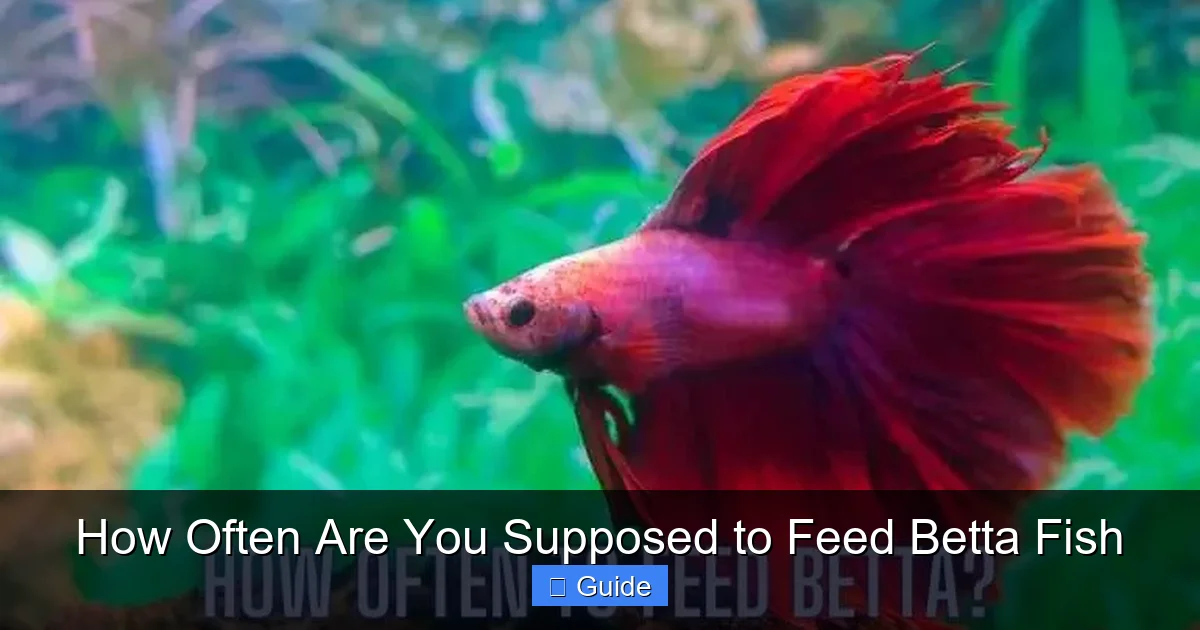
Visual guide about How Often Are You Supposed to Feed Betta Fish
Image source: yoyipet.com
Adult Bettas (6 Months and Older)
This is the standard most people are asking about. For a mature, fully grown betta in a stable tank:
- Optimal Schedule: Once Per Day. This is the safest, healthiest, and most natural-feeling schedule for a captive betta. It mimics the inconsistent meals they might get in the wild and ensures their digestive system gets a full 24-hour rest period.
- Acceptable Schedule: Twice Per Day. This is acceptable only if you drastically reduce the portion per meal. Instead of 3 pellets at once, you would feed 1 pellet in the morning and 1 pellet in the evening. The total daily intake must not increase. This schedule can be useful for very active, larger bettas or for bonding during morning and evening routines, but it requires extreme discipline with portion control.
- Mandatory Practice: One Weekly Fast. Regardless of whether you feed once or twice daily, you should implement a full 24-hour fast once a week (e.g., every Sunday). Do not feed anything at all on this day. This is not cruel; it is a vital health practice. It clears out the digestive tract, prevents buildup, and is a natural cycle. You will often see your betta’s abdomen look slimmer and more streamlined after a fast.
Fry and Juvenile Bettas (0-6 Months)
Baby bettas are growing at an astonishing rate and have much higher metabolic demands. Their feeding schedule is completely different.
- Newly Hatched Fry (First 1-2 Weeks): They will be fed infusoria or a commercial liquid fry food. Feedings are tiny and frequent, 4-6 times per day, as their tiny yolk sacs are absorbed and they transition to external feeding.
- Older Fry & Juveniles (2 Weeks – 6 Months): As they grow, you can introduce newly hatched brine shrimp (their favorite!) and microworms. Feed 3-4 times a day. They are like hungry teenagers and will seemingly always be looking for food. It’s still important not to overfeed, but their systems can handle more frequent, small meals to support growth. As they approach 5-6 months, you can gradually taper back to the adult schedule.
Special Considerations: Sick, Elderly, or Breeding Bettas
There are exceptions to the standard rules.
- Sick or Constipated Bettas: If you suspect constipation or swim bladder issues, the first step is a 24-48 hour fast. After the fast, offer a daphnia (a natural laxative) or a peeled, blanched pea (for omnivores, but can help with blockage) as a single meal. Return to a strict, low-portion schedule once normal swimming resumes.
- Elderly Bettas: As bettas age (5+ years), their metabolism slows. They may do better on a once-every-other-day schedule with very small, easily digestible foods like daphnia or pre-soaked pellets.
- Conditioning for Breeding: Male and female bettas being conditioned for spawning are fed high-quality, protein-rich foods (like live brine shrimp) twice daily to build energy and body mass. This is a temporary, intensive schedule that stops once spawning begins.
The Art of the Perfect Portion: What “A Little Bit” Actually Means
Knowing how often is useless without knowing how much. Let’s quantify the vague.
Visual guide about How Often Are You Supposed to Feed Betta Fish
Image source: fishkeepingguide.net
The 2-3 Pellet Rule (For Standard Pellets)
For a standard, high-quality betta pellet (like those from Hikari, New Life Spectrum, or Fluval), the perfect daily portion for an adult betta is 2-3 pellets. If feeding once daily, give all 2-3 at that one time. If feeding twice daily, give 1 pellet in the AM and 1-2 in the PM. This seems absurdly small to new owners, but it is correct. Remember the eye-sized stomach. These pellets are formulated to be nutritionally complete, so a tiny amount provides all necessary vitamins and minerals.
Measuring Without a Scale: Practical Tips
Not everyone has a milligram scale for fish food. Here’s how to eyeball it accurately:
- The “Tip of a Spoon” Method: Use a standard teaspoon. A single betta’s portion is a small, gentle pile on the very tip of the teaspoon bowl. It’s not a level teaspoon; it’s a pinch.
- The “Pipette or Tweezers” Method: For ultimate precision, use a small plastic pipette (like those for aquarium medicine) or tweezers to place exactly 2-3 pellets into the tank. This also prevents your fingers from contaminating the water.
- For Frozen or Live Foods: A “pinch” of frozen brine shrimp or bloodworms (about the size of a pea, once thawed and drained) is a full meal. For live foods like daphnia, a small swarm in the water column is enough. They will hunt and eat what they want in a few minutes.
Soaking Pellets: To Do or Not To Do?
There’s a debate about pre-soaking dry pellets. The argument for it is that it prevents the pellet from expanding in the betta’s stomach (since it’s already expanded in water). The argument against is that it leaches nutrients into the water. The compromise: If you are using a high-quality, slow-sinking or floating pellet, you can gently rinse it in a cup of tank water for a few seconds to wet the exterior before offering it. Do not soak it for more than 30 seconds. For most keepers using small portions of good pellets, this step is unnecessary if you follow the 2-3 pellet rule rigorously.
Choosing the Right Food: It’s Not All Created Equal
Your feeding frequency and portion are only half the equation. What you feed is equally, if not more, important.
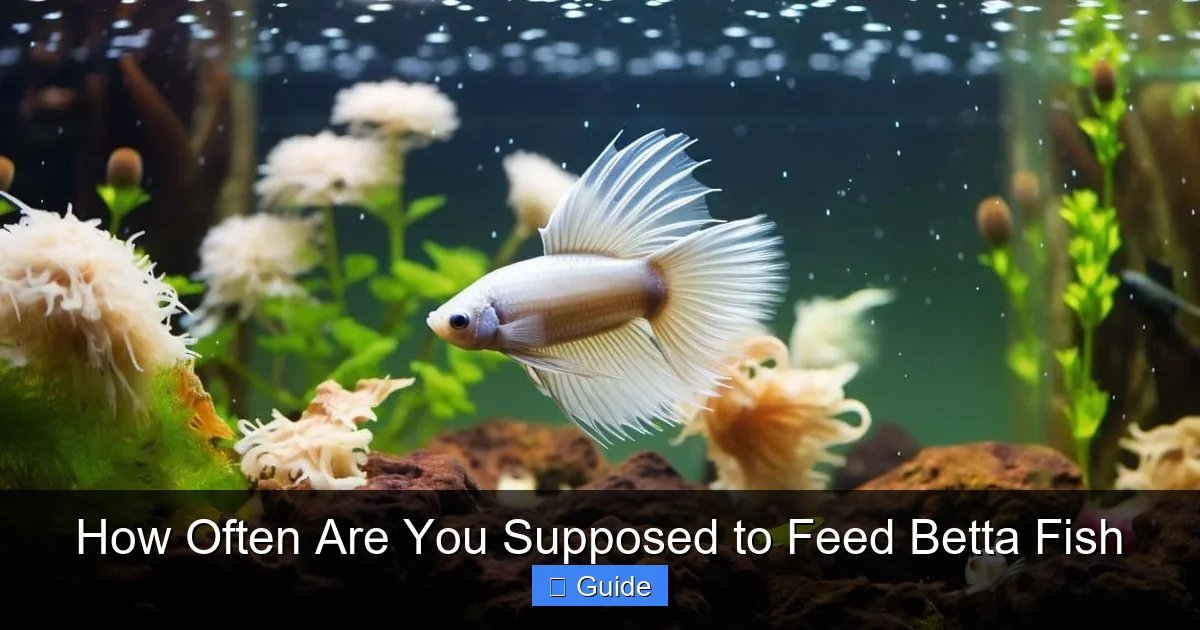
Visual guide about How Often Are You Supposed to Feed Betta Fish
Image source: fishkeepingadvice.com
High-Quality Pellets: The Dietary Staple
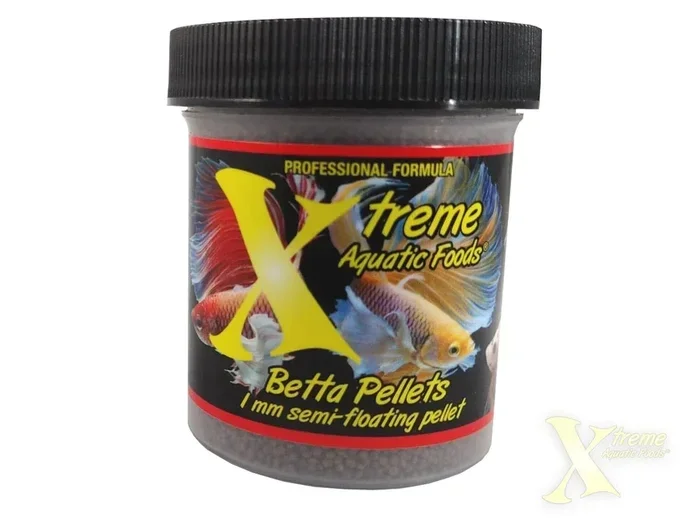
Pellets should form the foundation (80-90%) of your betta’s diet. They are formulated to be nutritionally complete. When shopping, read the ingredient label:
- Good: Whole fish, fish meal, shrimp meal, squid meal as the first 3-5 ingredients.
- Bad: Wheat flour, soybean meal, corn gluten meal, or “fish by-products” as the first ingredient. These are cheap fillers with little nutritional value for a carnivore.
- Recommended Brands: New Life Spectrum Betta, Hikari Betta Bio-Gold, Fluval Bug Bites (for their insect protein focus), and Omega One Betta Buffet.
Frozen & Live Foods: The Vital Supplements
These are not staples but essential supplements for a balanced diet, enrichment, and conditioning. Offer them 1-2 times per week in place of pellets.
- Best Choices: Frozen brine shrimp (eyedropper full), frozen daphnia (excellent for digestion), frozen bloodworms (treat only, high in fat), and live daphnia or microworms.
- How to Feed Frozen: Thaw a small cube in a cup of tank water, drain off the liquid (which can foul water), and offer the solids with a pipette or spoon. Never drop a frozen cube directly into the tank.
What to AVOID
- Standard Flake Food: Almost always unsuitable. It’s full of fillers, pollutes water quickly, and bettas often struggle to eat it from the surface.
- Human Food: No bits of ham, chicken, or bread. Their systems cannot process it.
- Live Worms from Garden: Earthworms are okay occasionally, but never use worms from soil that may have pesticides or parasites.
- Over-reliance on Bloodworms: They are fatty and can cause constipation if fed too often. Think of them as a dessert, not a main course.
The Inescapable Link: Feeding and Water Quality
You cannot discuss feeding frequency without discussing tank maintenance. They are two sides of the same coin.
Why a 5-Gallon Tank is the Absolute Minimum
Many “betta in a vase” setups are doomed from the start. A small bowl or vase has minimal water volume to dilute waste. One overfed meal in a 1-gallon bowl can spike ammonia to lethal levels within hours. A minimum 5-gallon (19-liter) tank is the absolute baseline for a single betta, providing enough water volume to handle the minor waste from a proper 2-3 pellet meal, especially with a filter. Larger is always better.
Your Post-Feeding Routine: The 5-Minute Rule
This is a non-negotiable habit. After you feed, set a timer for 5 minutes. At the end of that time, look at your tank. Any pellets that have sunk to the bottom or are floating uneaten must be removed immediately. Use a small fish net, a turkey baster, or a siphon to get every last piece. This single habit will prevent 90% of water quality issues related to feeding.
Filtration and Maintenance Schedule
A filter is essential, not for creating a strong current (bettas hate that), but for hosting beneficial bacteria that process ammonia. In a properly cycled 5+ gallon tank with proper feeding, you should be performing a 25-30% water change once a week. If you ever overfeed, do an extra 25% change 24 hours later to remove any dissolved waste. Never clean all filter media at once, as this kills the beneficial bacteria.
Troubleshooting: Reading Your Betta’s Signals
Your betta is constantly communicating its health through its behavior and appearance. Here’s how to decode it in relation to feeding.
Signs You Are Underfeeding (Rare)
This is less common than overfeeding but can happen with very active, large bettas or in community tanks where they are outcompeted. Signs include:
- Sunken abdomen or sharp, angular body shape.
- Lethargy, lack of energy, staying at the bottom.
- Aggressive, frantic chasing of your finger or food as if starving.
- Slow, gradual weight loss over weeks.
Solution: Slightly increase portion (add one more pellet) or ensure it’s getting its full meal before other fish can steal it.
Signs You Are Overfeeding (The Usual Suspect)
These are the classic, tell-tale signs:
- Bloating: A visibly swollen, rounded abdomen. This is the first sign of constipation.
- Stringy, White Poop: Healthy betta poop is short, dark, and comes in one piece. Long, stringy, white or clear feces indicate constipation or internal infection from poor diet.
- Swim Bladder Issues: Floating upside down, sinking, swimming in circles, or bobbing at the surface.
- Poor Water Quality: Cloudy water, algae blooms, or a strong odor within a day or two of feeding.
- Leftover Food: Consistently finding pellets on the substrate after 5 minutes.
Solution: Immediate 24-48 hour fast. Then, feed only daphnia for one meal. Re-evaluate your portion size and frequency. Implement the weekly fast permanently.
When Your Betta Won’t Eat
A sudden loss of appetite is a red flag. First, check water parameters (ammonia, nitrite, nitrate, temperature). Poor water is the #1 appetite suppressant. Other causes include:
- Stress from tank mates, loud noises, or sudden changes.
- Illness (velvet, dropsy, internal parasites).
- Dislike of a new food (try switching pellet brands or offering frozen daphnia).
- Constipation (look for bloating).
Never force-feed. Address the root cause. For a stubborn betta, try soaking a pellet in garlic juice (a natural appetite stimulant) or using a pipette to place a tiny bit of daphnia directly in front of it.
Frequently Asked Questions
Can I feed my betta fish every other day instead of daily?
Yes, absolutely. For an adult betta, feeding every other day with a proper portion (2-3 pellets) is a very healthy approach that closely mimics their natural eating patterns. It gives their digestive system ample time to fully process food. Just ensure that on the days you do feed, you provide the full nutritional portion.
How do I know if I’m overfeeding my betta?
The most obvious signs are a visibly bloated or swollen abdomen and long, stringy white poop. Behaviorally, watch for difficulty swimming (swim bladder issues) and consistently finding uneaten food on the tank floor after 5 minutes. Cloudy water developing quickly after a meal is also a major indicator.
What is the absolute best food for a betta fish?
There is no single “best” food, but the best strategy is a varied diet. The foundation should be a high-quality pellet with animal protein as the first ingredient (e.g., New Life Spectrum or Hikari Betta Bio-Gold). Supplement this 1-2 times per week with frozen or live foods like daphnia, brine shrimp, or bloodworms to provide variety and essential nutrients.
Can betta fish eat human food like peas or cucumber?
While a tiny piece of a blanched, skinned pea is sometimes used as a home remedy for severe constipation (due to its fiber), human food is not appropriate for a betta’s regular diet. Their carnivorous systems cannot digest vegetables efficiently. Stick to foods formulated for carnivorous fish or appropriate frozen/live meats.
Why is it important to fast my betta once a week?
Fasting gives your betta’s short digestive tract a complete rest. It helps clear out any undigested food, preventing constipation and the dangerous swelling that causes swim bladder disorder. It also mimics the natural feast-or-famine cycle of their wild habitat and can improve overall vitality and water quality by eliminating one day’s waste output.
Should I adjust the feeding schedule for a betta in a community tank?
Yes. In a community tank, your betta may be outcompeted for food by faster, more aggressive tank mates. You may need to target feed your betta using a pipette or by placing food near it while blocking others. You might also need to slightly increase its portion to ensure it gets enough, but you must still be vigilant about removing any excess food the community doesn’t eat to protect water quality.