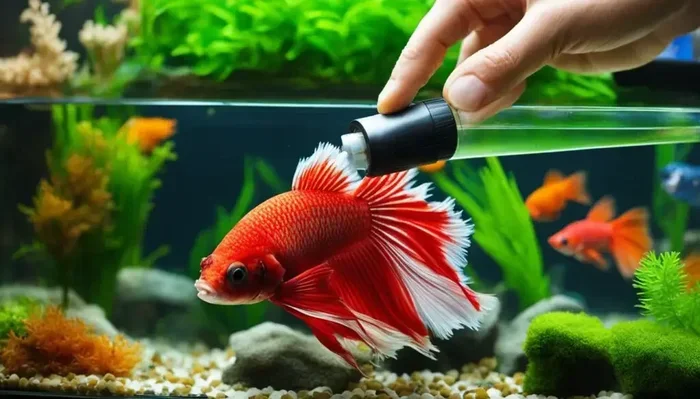
Are Betta Fish Sensitive to Water Temperature
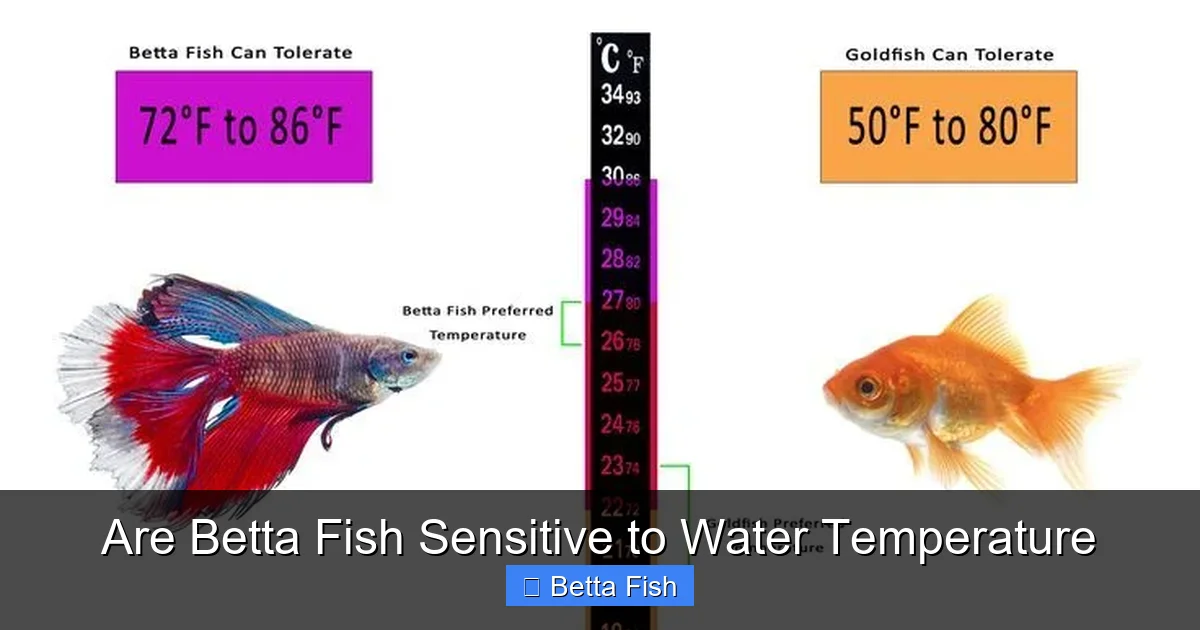
Betta fish thrive in warm, stable water, typically between 76°F and 82°F (24°C‑28°C). Sudden temperature shifts can cause stress, illness, or even death, so maintaining a consistent range is crucial. Use a reliable heater, monitor daily, and adjust slowly to protect your betta’s health.
Key Takeaways
- Ideal range: Betta fish feel most comfortable at 76‑82°F (24‑28°C).
- Temperature spikes: Rapid changes above or below the ideal range cause stress and weaken the immune system.
- Heater use: A quality aquarium heater with a thermostat is essential for most home setups.
- Monitoring tools: Keep a digital thermometer in the tank and check it at least twice daily.
- Gradual adjustments: Change water temperature slowly—no more than 2°F (1°C) per day.
- Seasonal tips: Protect the tank from drafts in winter and direct sunlight in summer.
- Quick fixes: If temperature drops, use a safe aquarium heater or a warm water bath for the tank.
📑 Table of Contents
- Introduction: Why Temperature Matters for Betta Fish
- 1. The Sweet Spot: Ideal Temperature Range
- 2. How Sensitive Are Betta Fish to Temperature Changes?
- 3. Tools of the Trade: Monitoring and Controlling Temperature
- 4. Maintaining a Stable Temperature: Daily and Seasonal Practices
- 5. Common Mistakes and How to Avoid Them
- 6. Frequently Overlooked Factors That Influence Temperature
- Conclusion: Keep It Warm, Keep It Steady
Introduction: Why Temperature Matters for Betta Fish
Imagine stepping out of a warm shower and instantly stepping into an icy lake. Your body would gasp, your muscles would tense, and you’d want to get back to the warmth fast. That’s exactly how a betta fish feels when the water temperature swings dramatically. These vibrant little fighters, native to the warm waters of Southeast Asia, have evolved to live in stable, tropical conditions. When we bring them into our homes, we become their caretakers, and one of the most important jobs we have is to keep the water temperature just right.
In this article we’ll explore exactly how sensitive betta fish are to water temperature, what the ideal range is, why sudden changes are dangerous, and practical, easy‑to‑follow steps you can take to keep the water cozy all year round. By the end, you’ll feel confident that your betta’s tank is a temperature‑stable haven, not a roller‑coaster ride.
1. The Sweet Spot: Ideal Temperature Range
What the science says
Betta fish (Betta splendens) originate from the shallow rice paddies, swamps, and slow‑moving streams of Thailand, Cambodia, and Vietnam. Those habitats stay warm, usually hovering between 76°F and 82°F (24°C‑28°C). In the wild, the temperature rarely dips below 72°F (22°C) or rises above 86°F (30°C).
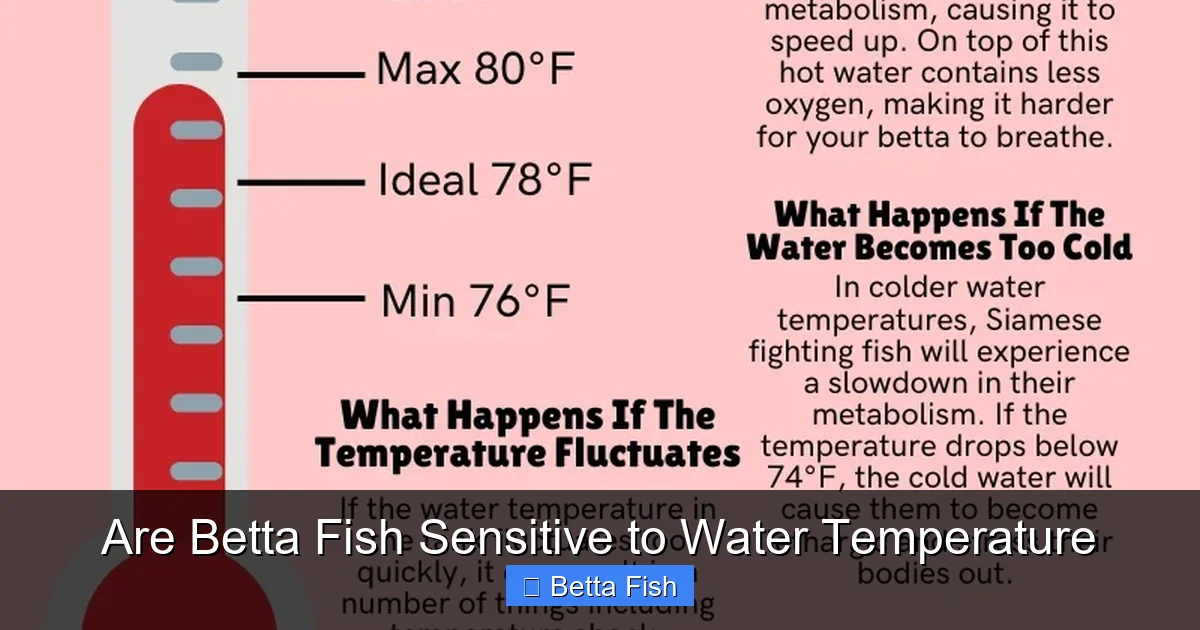
Visual guide about Are Betta Fish Sensitive to Water Temperature
Image source: bettacarefishguide.com
When kept in captivity, matching that natural range is key to healthy growth, vibrant coloration, and strong immune function. A temperature lower than 76°F slows metabolism, making the fish less active and more prone to disease. Conversely, temperatures above 82°F speed up metabolism, which can lead to faster waste production and oxygen depletion.
Quick reference
- Best range: 76‑82°F (24‑28°C)
- Acceptable low limit: 72°F (22°C) – only for short periods
- Acceptable high limit: 86°F (30°C) – only for short periods
Useful internal link
For a deeper dive on the exact numbers, see our guide on what temperature should water be for betta fish.
2. How Sensitive Are Betta Fish to Temperature Changes?
Stress response explained
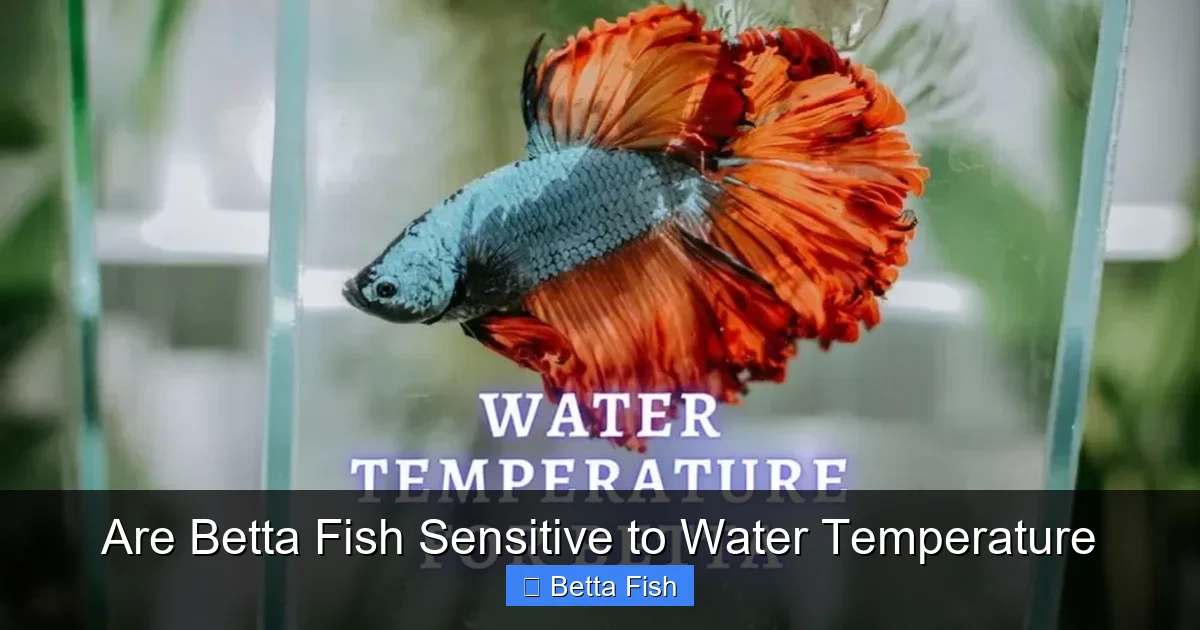
Betta fish are ectothermic, meaning their body temperature matches the water. When the water gets too cold, they become sluggish; when it gets too hot, they gasp for oxygen. Both scenarios trigger a stress response: cortisol levels rise, the immune system weakens, and the fish becomes vulnerable to bacterial or fungal infections.
Visual guide about Are Betta Fish Sensitive to Water Temperature
Image source: img.thepets.net
Signs of temperature stress
- Loss of color: Dull or faded fins indicate the fish is uncomfortable.
- Labored breathing: Rapid gill movement or gasping at the surface.
- Lethargy: Stays at the bottom, barely moves.
- Erratic swimming: Sudden darting or loss of balance.
- Increased aggression: Overly flaring fins or frequent fighting with tank mates.
Real‑world example
Sarah kept her betta in a small glass bowl on a windowsill. During a cold snap, the room temperature dropped from 78°F to 65°F in a few hours. Her betta’s fins turned pale, and he stopped flaring his beautiful tail. After moving the bowl to a heated room and slowly raising the water temperature by 2°F each day, his color returned in a week. This illustrates how quickly a betta can suffer, but also how gradual correction can rescue him.
3. Tools of the Trade: Monitoring and Controlling Temperature
Thermometers – your betta’s thermostat
Invest in a digital, submersible thermometer. Clip‑on strips are cheap but can give inaccurate readings if stuck to the glass. Place the probe near the middle of the tank, away from the heater and filter outflow, for the most representative reading.
Visual guide about Are Betta Fish Sensitive to Water Temperature
Image source: i.pinimg.com
Heaters – the heart of temperature stability
Even in a “warm” room, a reliable aquarium heater is essential. Look for these features:
- Adjustable thermostat: Allows precise setting.
- Wattage appropriate to tank size: Typically 25 W for a 2‑gallon tank, 50 W for 5‑gallon.
- Safety shut‑off: Prevents overheating if the heater fails.
Place the heater near a water flow source (like a filter) to distribute heat evenly.
Backup plans
If you travel or lose power, a battery‑operated heater or a heated insulated blanket can keep the water from dropping too low. Some hobbyists use a simple styrofoam box around the tank to reduce heat loss.
Internal link for temperature basics
Need a refresher on exact numbers? Check out what temperature should a betta fish water be.
4. Maintaining a Stable Temperature: Daily and Seasonal Practices
Daily checks
Make it a habit to read the thermometer each morning and evening. Write the readings in a notebook or phone app; patterns emerge quickly, helping you spot slow drifts before they become problems.
Seasonal adjustments
- Winter: Keep the tank away from drafts, doors, and windows. If the room is heated, the tank may become too warm; raise the heater’s set point only 1‑2°F.
- Summer: Avoid direct sunlight. Use a fan to circulate air around the tank, or place the tank in a shaded area. If the room gets hot, consider a small aquarium chiller or a frozen water bottle tucked into the tank (wrapped in a mesh bag).
Gradual temperature changes
When you need to adjust the temperature—say, moving from 78°F to 80°F—do it slowly. Add a small amount of water at the target temperature each day, or raise the heater setting by just 1°F and wait 24 hours before the next increase. This method prevents shocking the fish’s system.
When to change water
Regular water changes (about 25% weekly) keep nitrate levels low, which also helps maintain stable temperature because you’re not introducing a large volume of cold or warm water at once. If you need to change water and the temperature differs, pre‑condition the new water to match the tank’s temperature using a heater or by letting it sit in the room.
Internal link on water changes
Read more about safe water swaps in our article how to do a water change for betta fish.
5. Common Mistakes and How to Avoid Them
Mistake #1: Relying on room temperature alone
Even if your home stays at 75°F, a small tank can lose heat quickly at night. Without a heater, the water can dip below 70°F, stressing the betta.
Mistake #2: Using a heater set too high
Setting a heater to 90°F may look “warm,” but it can rapidly raise the water, causing oxygen depletion and encouraging algae growth.
Mistake #3: Ignoring thermometer placement
Placing the thermometer near the heater will show a falsely high reading, leading you to think the tank is warmer than it truly is.
Mistake #4: Adding cold tap water during a change
Cold tap water can cause a sudden drop. Always match the new water’s temperature to the tank’s before adding.
Quick fix checklist
- Check thermometer placement.
- Confirm heater setting matches desired range.
- Pre‑heat or pre‑cool replacement water.
- Observe fish behavior for any signs of stress.
6. Frequently Overlooked Factors That Influence Temperature
Tank size matters
Smaller volumes of water change temperature faster. A 1‑gallon bowl can swing 5‑10°F in a few hours, while a 10‑gallon tank is far more stable. If you’re new to bettas, a 5‑gallon tank with a heater is a solid middle ground.
Cover and lid effects
Keeping a lid on the tank reduces heat loss and prevents drafts. However, too tight a seal can trap heat, so ensure there’s a small vent for airflow.
Filtration and flow
Strong filters can create micro‑currents that distribute heat evenly, but they can also cool water if the filter’s intake pulls in cooler room air. Choose a gentle flow filter designed for bettas.
Decor and substrate
Live plants can moderate temperature by absorbing heat during the day and releasing it at night. However, heavily planted tanks may require a slightly higher heater setting because plants use some of the water’s warmth.
Conclusion: Keep It Warm, Keep It Steady
Betta fish are indeed sensitive to water temperature, but caring for them isn’t rocket science. By understanding their natural habitat, using a reliable heater, monitoring with a good thermometer, and making slow, thoughtful adjustments, you create a stable environment where your betta can flourish.
Remember the golden rule: steady wins the race. Small, consistent steps beat big, sudden changes every time. With the tips in this guide, you’ll notice your betta swimming proudly, flaunting bright colors, and living a long, healthy life.
Frequently Asked Questions
What is the ideal temperature range for betta fish?
The best range is 76‑82°F (24‑28°C). Staying within this window supports healthy metabolism, vibrant coloration, and strong immunity.
Can betta fish survive at lower temperatures?
Betas can tolerate short periods down to about 72°F (22°C), but prolonged exposure below this can cause lethargy and increase disease risk.
How quickly can I change the temperature if it’s too high or low?
Adjust no more than 2°F (1°C) per day. Use a heater or add small amounts of pre‑conditioned water at the target temperature to make gradual changes.
Do I need a heater for a betta fish in a warm room?
Even in a warm room, a small tank can lose heat quickly at night. A thermostat‑controlled heater ensures the water stays within the ideal range 24/7.
What are the signs that my betta is stressed by temperature?
Watch for faded colors, rapid gill movement, lethargy, erratic swimming, or unusually aggressive behavior—these can all indicate temperature stress.
How often should I check my betta’s water temperature?
Check at least twice daily—once in the morning and once in the evening—to catch any slow drifts before they become harmful.