How Often to Feed a Crowntail Betta Fish
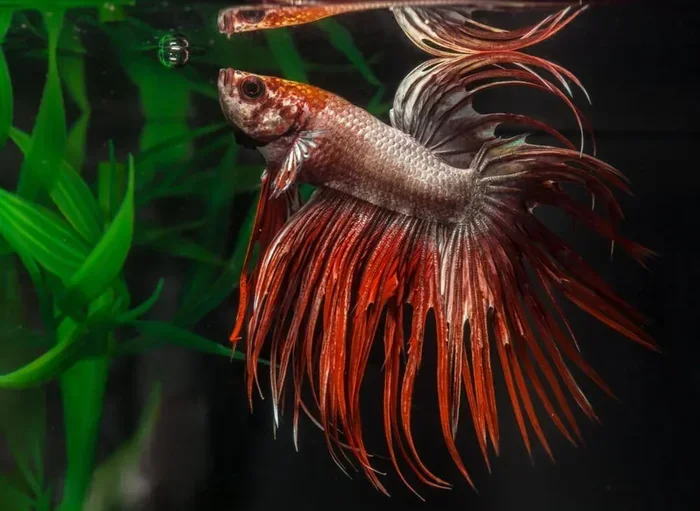
Knowing how often to feed a crowntail betta fish is the single most important part of keeping your betta healthy and happy. Crowntail bettas need small meals 1-2 times a day, with occasional fasting days to prevent overfeeding. This guide covers the complete feeding schedule, portion sizes, best foods, and common mistakes to avoid.
If you own a crowntail betta fish, you already know how stunning these fish are. Their flowing fins and vibrant colors make them one of the most popular pets in the fishkeeping world. But beauty aside, one question every betta owner faces is how often to feed a crowntail betta fish. Get it wrong, and your fish could face serious health issues. Get it right, and your crowntail will thrive for years.
Feeding a betta might seem simple on the surface. Just drop some food in the tank, right? Not quite. Betta fish have small stomachs that are roughly the size of their eye. This means they need very specific portions and a consistent schedule. Overfeeding is a real danger that can cause bloating, constipation, and even death. On the other hand, underfeeding leads to malnutrition and a weakened immune system.
In this guide, we will walk you through everything you need to know about feeding your crowntail betta. We will cover the ideal feeding frequency, portion sizes, the best types of food, and the mistakes most owners make. Whether you are a complete beginner or have had bettas for years, this article will help you get your feeding routine just right.
Key Takeaways
- Feed your crowntail betta 1-2 times a day with small portions that match the size of their eye.
- Overfeeding is the #1 mistake betta owners make and can lead to serious health problems.
- Include variety in their diet with pellets, frozen foods, and occasional vegetables like peas.
- Fast your betta once a week to help their digestive system stay healthy and clean.
- Watch for hunger and fullness cues so you can adjust the feeding schedule as needed.
- Consistency matters more than quantity — stick to a regular feeding routine every day.
📑 Table of Contents
- How Often to Feed a Crowntail Betta Fish
- How Much Food Does a Crowntail Betta Need?
- Best Foods for a Crowntail Betta Fish
- Common Feeding Mistakes to Avoid
- How Feeding Relates to Overall Betta Health
- Adjusting the Feeding Schedule for Special Situations
- Expert Tips for a Perfect Feeding Routine
- Conclusion
How Often to Feed a Crowntail Betta Fish
The short answer is once or twice a day. Most experts agree that feeding your crowntail betta two small meals per day works best. This mimics their natural eating pattern in the wild, where they would snack on small insects and larvae throughout the day. The key word here is “small.” Each meal should be tiny — no bigger than what your betta can eat in two minutes.
Some owners prefer feeding once a day, and that works too. If you choose this route, make sure the single meal is still small and nutrient-dense. A good rule of thumb is to feed what your betta can finish in under two minutes. If there is leftover food sinking to the bottom, you have given too much.
Morning vs. Evening Feeding
When you feed your betta matters more than you might think. Betta fish are most active during daylight hours, so morning feeding aligns well with their natural energy levels. Many owners split their meals between morning and evening. This gives the fish a steady supply of energy throughout the day.
If you can only feed once, the morning is the better choice. Your betta will have the whole day to digest and use the nutrients. Evening feeding is fine, but avoid feeding right before lights out. A full stomach right before rest can cause discomfort and poor sleep for your fish.
The Importance of a Consistent Schedule
Bettas thrive on routine. When you feed them at the same times every day, their bodies adjust and digest food more efficiently. A consistent feeding schedule also helps you track your betta’s appetite and spot any changes early. If your crowntail suddenly refuses food at the usual time, that is a signal something might be wrong.
Try to set feeding times that you will not forget. For example, feed your betta right after your morning coffee and again before you go to bed. This simple habit can make a huge difference in your fish’s overall health. If you ever need to skip a feeding, that is perfectly fine — bettas can handle a missed meal without any issues.
How Much Food Does a Crowntail Betta Need?
Portion control is just as important as feeding frequency. Because a crowntail betta’s stomach is so tiny, overfeeding happens incredibly fast. A common mistake is giving too many pellets at once. Most experts recommend feeding 2-3 pellets per meal for an adult crowntail betta. If you are using other types of food, adjust the amount accordingly.
Here is a simple breakdown of portion sizes for different food types:
- Pellets: 2-3 small pellets per feeding. Look for high-quality betta pellets that sink slowly.
- Frozen or live foods: A small pinch, about the size of a pea, per feeding.
- Bloodworms: 1-2 worms per meal as a treat, not a staple.
- Brine shrimp: A small amount, enough to keep your betta busy for a minute or two.
If you are ever unsure about how much to feed, remember this simple trick. Less is always better than more. A slightly hungry betta is far healthier than an overfed one. If you want more detailed guidance on portion sizes, check out our article on how many pellets to feed a betta fish for expert recommendations.
Understanding Betta Fish Hunger Cues
Your betta will tell you when it is hungry, but you need to know what to look for. A hungry crowntail betta will swim to the top of the tank and hover near the surface. Some bettas will flare their gills or follow your hand around the tank. These are all signs that it is feeding time.
However, do not confuse begging with genuine hunger. Bettas are smart fish and quickly learn that a person appearing near the tank means food is coming. They may start “begging” even shortly after a full meal. Wait at least a few hours between meals, and resist the urge to give in to those pleading eyes. Your betta will be just fine with a consistent, measured feeding routine.
Best Foods for a Crowntail Betta Fish
Not all fish food is created equal, and crowntail bettas are carnivores. They need a diet rich in protein to maintain their vibrant colors and flowing fins. The best approach is to offer a mix of high-quality staple foods and occasional treats. This keeps their diet balanced and interesting.
Staple Foods
High-quality betta pellets should form the foundation of your crowntail’s diet. Look for pellets that list fish meal or shrimp meal as the first ingredient. Avoid pellets filled with fillers like wheat or corn, which offer little nutritional value. Brands specifically designed for bettas are your best bet.
Another great staple option is betta flakes, though many owners prefer pellets because they sink more slowly and are easier to portion. Flakes can also dissolve quickly, which fouls the water faster. If you use flakes, give your betta only a tiny amount and remove any uneaten flakes after a few minutes.
Treats and Variety Foods
Variety is important for keeping your betta healthy and engaged with mealtime. Here are some excellent treat options:
- Bloodworms: A favorite among bettas. Use as a treat 1-2 times per week. They are high in protein but low in other nutrients.
- Brine shrimp: Great for adding variety and stimulating natural hunting behavior.
- Daphnia: A small crustacean that aids digestion and makes an excellent occasional food.
- Mosquito larvae: A natural food source that many bettas love. You can find freeze-dried versions at most pet stores.
You can also feed your betta blanched vegetables like peas or zucchini. These are especially helpful if your betta is constipated. For step-by-step instructions on preparing peas for your betta, read our guide on how to feed a pea to a betta fish. Vegetables should only be given as an occasional supplement, not a main food source.
Foods to Avoid
Certain foods can harm your crowntail betta or cause digestive problems. Avoid feeding your betta:
- Goldfish food or tropical flake food designed for other species
- Bread or crackers
- Processed human foods
- Raw meat or fatty foods
- Foods high in fillers and artificial additives
These foods lack the right nutrients and can cause serious digestive issues. Stick to foods specifically formulated for bettas, and your fish will stay healthy and colorful.
Common Feeding Mistakes to Avoid
Even experienced betta owners can fall into bad feeding habits. Here are the most common mistakes that can harm your crowntail betta:
Overfeeding
This is the number one mistake by far. Betta fish will eat almost anything you put in front of them, and they do not know when to stop. Overfeeding leads to bloating, constipation, and a condition called dropsy, which can be fatal. Uneaten food also decays in the tank, polluting the water and raising ammonia levels. Always err on the side of feeding less.
Skipping Fasting Days
Many owners do not realize that bettas benefit from a fasting day once a week. On this day, do not feed your betta at all. Fasting helps clear the digestive system and prevents constipation. In the wild, bettas would sometimes go a full day between meals, so this is completely natural for them. Skipping a weekly fast is a simple habit that can add months to your betta’s life.
Feeding the Wrong Amount at Wrong Times
Some owners dump a large handful of food into the tank once a day, thinking they are being efficient. This overwhelms the betta’s digestive system and creates water quality issues. Spread the food out into smaller, more frequent meals whenever possible. If you are away during the day, consider an automatic feeder designed for small fish, or simply feed once in the morning and once in the evening.
Ignoring Water Quality After Feeding
Uneaten food decays quickly and releases harmful ammonia into the water. Poor water quality is a leading cause of betta illness. After each feeding, check for any leftover food and remove it within five minutes. This keeps the tank clean and your betta healthy. For more on maintaining a clean environment, see our guide on how often to clean a betta fish tank.
How Feeding Relates to Overall Betta Health
Feeding is not just about nutrition — it directly impacts your crowntail betta’s overall health and lifespan. A well-fed betta will have bright, vivid colors, active swimming behavior, and a strong appetite. An overfed or underfed betta will show signs of lethargy, faded colors, and a weakened immune system.
The Connection Between Diet and Color
Crowntail bettas are known for their dramatic, flowing fins and brilliant hues. The food you provide plays a big role in maintaining these colors. Foods rich in carotenoids and astaxanthin, like high-quality pellets and certain live foods, enhance red, blue, and green pigments. If your betta’s colors start to fade, it might be a sign that the diet needs improvement.
Feeding and Betta Behavior
A well-fed betta is a happy betta. You will notice your crowntail building bubble nests, flaring playfully, and swimming with energy. Underfed bettas become lethargic and may hide in corners or near the substrate. Overfed bettas become bloated and swim awkwardly. Finding the right balance in your feeding routine makes a visible difference in your fish’s behavior and quality of life.
Adjusting the Feeding Schedule for Special Situations
Every betta is different, and there are times when you may need to adjust the standard feeding routine. Understanding these situations helps you provide the best care possible.
Young Betta Fish
Baby and juvenile crowntail bettas need more frequent feedings than adults. Feed young bettas 2-3 times a day with very small portions. They are growing rapidly and need the extra nutrition. As they mature, you can gradually reduce feeding to twice a day.
Sick or Recovering Betta Fish
If your betta is recovering from illness or surgery, it may have a reduced appetite. Offer small, easy-to-digest foods like daphnia or a single pellet softened in tank water. Do not force-feed your betta. If it refuses food for more than two days, consult a veterinarian who specializes in fish.
Betta Fish During Vacation
If you are going away for a weekend or a few days, your adult crowntail betta will be just fine without food. Bettas can easily survive 3-5 days without eating. For longer trips, consider an automatic feeder or ask a trusted friend to feed your betta once in a while. Just make sure they know the correct portion size to avoid overfeeding.
Expert Tips for a Perfect Feeding Routine
Here are some expert-backed tips that will take your betta feeding routine to the next level:
- Rotate food types regularly to provide a broad range of nutrients and keep mealtime exciting.
- Soak dry pellets before feeding to prevent them from expanding in your betta’s stomach, which can cause bloating.
- Use a feeding ring or target to keep food in one spot and reduce waste.
- Watch your betta’s belly — it should be slightly rounded but not bloated after meals.
- Keep a feeding log to track what, when, and how much you feed. This helps identify patterns and problems early.
- Feed in dim or low light to reduce stress and encourage natural eating behavior.
Following these simple tips consistently will help your crowntail betta live a long, healthy, and vibrant life. For more information on betta care basics, visit our article on how often to feed a betta fish, which covers feeding schedules across all betta varieties.
Conclusion
Knowing how often to feed a crowntail betta fish is the foundation of good betta care. Stick to a schedule of 1-2 small meals per day, watch your portion sizes carefully, and always include variety in the diet. Avoid overfeeding at all costs, and do not forget the power of a weekly fasting day. With the right feeding routine, your crowntail betta will reward you with brilliant colors, active behavior, and a long, healthy life.
Take what you have learned here and put it into practice today. Your betta will thank you with every colorful fin flutter and every happy bubble nest. A well-fed betta is a happy betta, and a happy betta makes for a proud owner.
Frequently Asked Questions
Can I feed my crowntail betta once a day instead of twice?
Yes, feeding once a day is perfectly fine for an adult crowntail betta. Just make sure the single meal is small enough to be eaten within two minutes. Some owners prefer once-a-day feeding because it reduces the risk of overfeeding and makes cleanup easier.
How do I know if I am overfeeding my betta fish?
Signs of overfeeding include a swollen or bloated belly, uneaten food sinking to the bottom, and cloudy water shortly after feeding. If you notice these symptoms, reduce the portion size and consider adding a fasting day to help your betta’s digestive system recover.
What is the best time of day to feed a crowntail betta?
Morning feeding is generally the best time because bettas are most active during daylight hours. If you feed twice a day, split the meals between morning and evening. Avoid feeding right before turning off the tank lights so your betta can digest comfortably overnight.
Can I feed my crowntail betta only freeze-dried food?
Freeze-dried food is a convenient option, but it should not be the sole diet. Freeze-dried foods lack the moisture and full nutritional profile of live or frozen alternatives. Use freeze-dried food as a supplement and pair it with high-quality pellets for a balanced diet.
Why does my betta fish spit out its food?
Bettas sometimes spit out food to break it down into smaller pieces, which is completely normal. However, if your betta consistently refuses food, it may be a sign of illness, poor water quality, or simply boredom with the same food type. Try offering a different food or check your water parameters.
How long can a crowntail betta fish go without eating?
A healthy adult crowntail betta can survive 3 to 5 days without food. In fact, a weekly fasting day is beneficial for digestion. If your betta goes longer than five days without eating, that is a cause for concern and you should check for signs of illness or water quality problems.
=== INTERNAL LINKS ===
For more information on betta fish care, check out these helpful resources: