Where Does a Betta Fish Poop From

Betta fish excrete waste from a single opening called the anal vent, located just in front of the anal fin. This multifunctional opening serves as the exit for both digestive and reproductive waste. Monitoring the appearance, frequency, and location of your betta’s poop is a direct window into its digestive health. Understanding this simple anatomy helps you spot issues like constipation, infection, or poor water quality early.
Key Takeaways
- Single Opening Anatomy: Bettas, like most fish, have a cloaca—one opening (the anal vent) for both poop and reproductive fluids, situated anterior to the anal fin.
- Location is Key: The poop exits from a small, often pinkish or dark-colored hole at the base of the vent, not from the fin itself or the gills.
- Poop is a Health Report: Color, consistency, and frequency of waste are primary indicators of digestive health, diet quality, and water conditions.
- Normal vs. Abnormal: Healthy betta poop is typically dark, short, and firm. Stringy, white, clear, or excessive mucus indicates potential issues like constipation, parasites, or infection.
- Cleanliness is Prevention: Prompt removal of waste and regular water changes are critical, as bettas are prone to tail-biting from stress caused by poor water quality and toxins in their own excrement.
- Diet Directly Impacts Output: Overfeeding, low-quality food, or lack of fiber causes digestive problems. A varied diet with fasting days and occasional fiber (e.g., daphnia) promotes healthy excretion.
- Observation is a Habit: Making a habit of watching your betta during and after feeding helps you learn its normal pooping patterns and spot deviations immediately.
📑 Table of Contents
- The Single Opening Myth: Debunking Betta Anatomy
- A Deep Dive into Betta Fish Digestive Anatomy
- The Journey of Betta Waste: From Plate to Pond
- What Healthy Betta Poop Looks Like (And Where It Lands)
- When Poop Signals Trouble: Health Issues to Watch For
- Cleaning and Maintenance: Managing Betta Waste in the Tank
- Debunking Myths: What Betta Poop Is NOT
- Conclusion: The Poop is the Message
The Single Opening Myth: Debunking Betta Anatomy
If you’ve ever watched your betta fish gliding gracefully through its aquatic kingdom, you might have wondered about the less glamorous aspects of its biology. One of the most common questions new betta owners ask is, “Where does a betta fish poop from?” The answer is both beautifully simple and surprisingly complex, rooted in millions of years of fish evolution. Unlike mammals, fish do not have separate exits for different bodily systems. Instead, they utilize a single, multifunctional opening. For the betta splendens, this all-important exit is called the anal vent, or more technically, the cloaca.
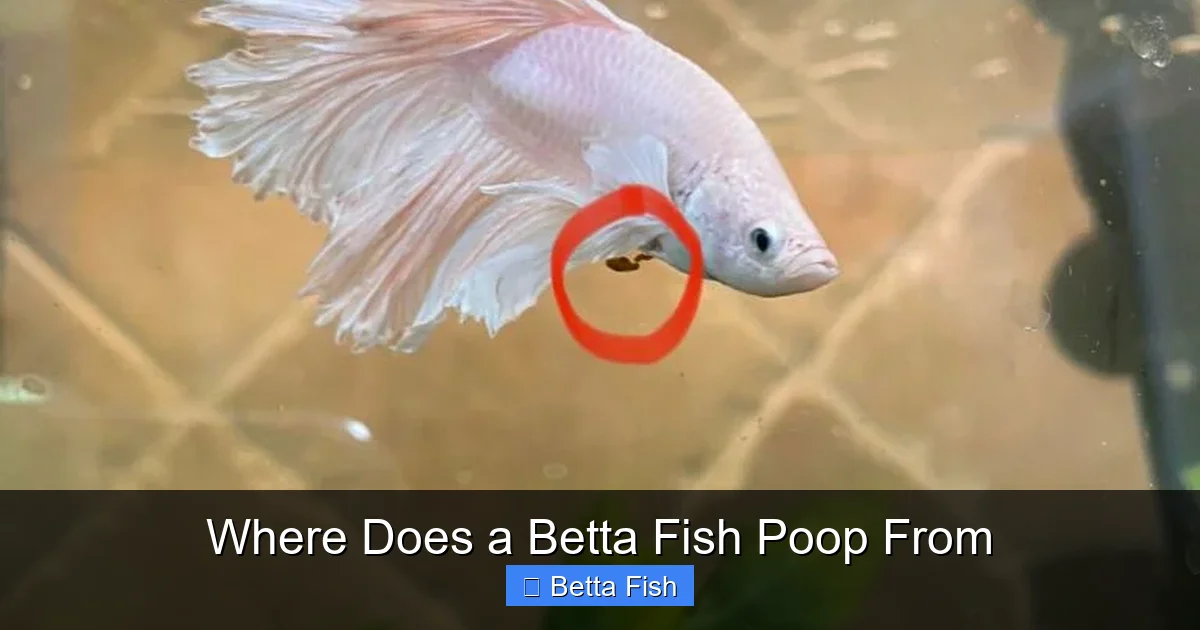
The confusion often stems from the betta’s ornate fins. People might look at the long, flowing caudal (tail) fin or the delicate anal fin and assume waste exits somewhere near there. It does not. The anal vent is a small, discrete opening located on the underside of the fish, precisely at the base where the body meets the anal fin. You have to look closely to see it—it’s often a tiny pink or dark speck. This tiny hole is the grand finale of the digestive journey and the starting point for understanding your betta’s overall well-being. Recognizing this anatomy is the first step in becoming a proactive, observant betta keeper.
Cloaca: The Multifunctional Exit
The term “cloaca” (pronounced klo-AY-kuh) might sound like complex biology, but its function is straightforward. In bettas and most fish, the intestinal tract ends at this single chamber. Digestive waste from the stomach and intestines, as well as reproductive fluids (eggs or sperm), are channeled into the cloaca and expelled through the anal vent. There is no separate “poop hole” and “pee hole.” This design is highly efficient for an aquatic life, minimizing potential entry points for infection. The vent is surrounded by a small ring of muscle that allows the fish to control the expulsion. This is why you might see your betta “shoot” a tiny pellet of waste with a little force, especially if it’s startled while in the process.
A Deep Dive into Betta Fish Digestive Anatomy
To truly understand where waste comes from, we must take a brief tour through the betta’s digestive system. Bettas are obligate carnivores, meaning their bodies are designed to process animal protein, not plant matter. Their short, simple digestive tract reflects this. Unlike herbivores with long, complex guts for breaking down cellulose, a betta’s system is a rapid transit designed for meat.

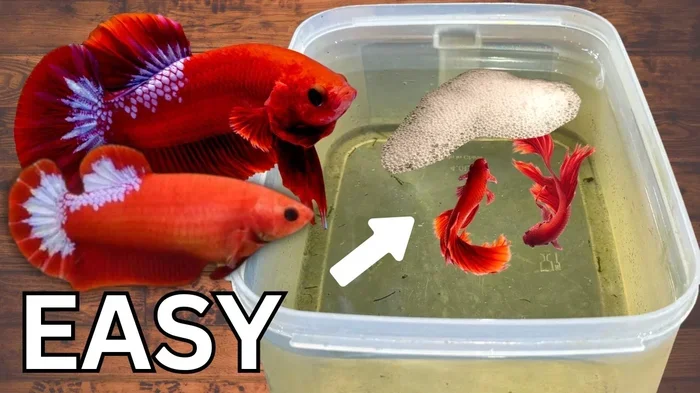
Visual guide about Where Does a Betta Fish Poop From
Image source: smartaquariumguide.com
The journey begins at the mouth. Bettas have tiny, sharp teeth on their jaws for gripping prey, but they don’t chew. They swallow food whole or in large pieces. From the mouth, food travels down the esophagus into a very small, J-shaped stomach. Here, digestive acids and enzymes begin breaking down proteins and fats. Because their stomachs are tiny, bettas can only eat small amounts at a time. Overfeeding literally stuffs this little pouch, leading to constipation and swim bladder issues, which we’ll discuss later.
From the stomach, partially digested food moves into the intestine. The betta intestine is surprisingly short relative to its body length. This is key to their biology. A short gut means food moves through quickly—often in 24-48 hours. This rapid passage is why bettas need frequent, small meals in the wild (they eat constantly, grazing on insects and larvae). In captivity, we must mimic this with proper feeding schedules. The intestine’s primary job is to absorb nutrients. What remains—indigestible matter like scales, insect exoskeletons, and waste byproducts—becomes feces. This fecal matter is then moved by muscular contractions (peristalsis) toward the final destination: the rectum and then the anal vent.
The Role of the Liver and Pancreas
Two critical, unseen players in this process are the liver and pancreas. The liver produces bile, which helps emulsify fats for absorption. The pancreas secretes a cocktail of enzymes (protease for protein, amylase for minimal carbs, lipase for fats) that further break down food in the intestine. If a betta’s diet is inappropriate—too many carbohydrates from cheap pellets or plant-based foods—these organs can become stressed, leading to poor digestion and abnormal waste. Supporting these organs with a high-quality, species-appropriate diet is fundamental to producing healthy poop from a healthy vent.
The Journey of Betta Waste: From Plate to Pond
Let’s follow a single piece of high-quality, protein-rich betta food, like a frozen bloodworm, from bowl to vent. After your betta gulps it down, it spends a few hours in the stomach being broken down. Then it enters the short intestine. The useful bits—amino acids from protein, fatty acids—are sucked up through the intestinal wall into the bloodstream to fuel the fish’s metabolism, growth, and vibrant colors. The remnants, including any indigestible chitin from the worm’s outer layer, are pushed along.
Visual guide about Where Does a Betta Fish Poop From
Image source: smartaquariumguide.com
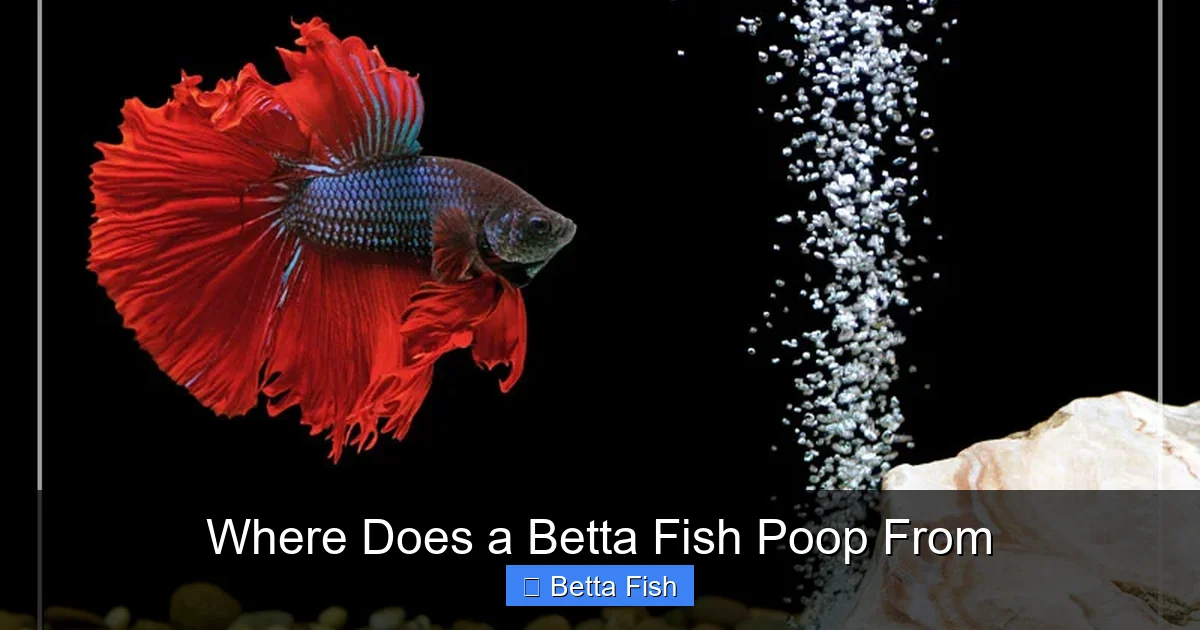
As this waste mass travels, the intestine also absorbs most of the water from it. This is why healthy betta poop is typically solid and short, not long and stringy like a goldfish’s (goldfish have longer guts and different diets). By the time it reaches the rectum, it’s a compact, dark-colored pellet. The rectal muscles contract, pushing the pellet into the cloacal chamber. Finally, the fish relaxes the vent muscle, and the pellet is expelled with a small burst of water from the anal vent, usually sinking quickly to the substrate.
The entire process, from eating to pooping, usually takes between 12 and 48 hours in a healthy adult betta. This timeframe is a useful benchmark. If you notice your betta hasn’t pooped in 2-3 days after a normal meal, or if it’s pooping excessively (more than 2-3 times a day), it’s a sign to scrutinize its diet and health.
Factors That Alter the Journey
Several things can disrupt this smooth journey. Constipation is the most common. It’s caused by overfeeding, dry foods that expand in the gut (like low-quality pellets), or lack of fiber. A constipated betta will produce long, stringy, often pale or white poop that may dangle from the vent—a classic and easily recognizable sign. Swim bladder disorder (SBD) is often a symptom of constipation or infection pressing against the swim bladder, causing the fish to float oddly or sink. Internal parasites like Hexamita or Capillaria can attach to the intestinal wall, causing malabsorption. Their waste products and the resulting inflammation lead to stringy, white, or clear mucus-laden poop. Bacterial infections in the gut can cause similar symptoms, often with a foul smell. Even poor water quality with high ammonia or nitrite can stress the fish internally, slowing digestion and altering waste output.
What Healthy Betta Poop Looks Like (And Where It Lands)
Now that we know the “from,” let’s detail the “what.” A healthy betta’s poop is a thing of simple beauty for the attentive keeper. It should be:
- Color: Typically a dark brown, olive green, or almost black, matching the color of its last substantial meal (e.g., dark brine shrimp lead to darker poop). It should be uniform in color.
- Consistency: Firm, short, and pellet-like. It should hold its shape briefly before dissolving. It is not liquid, not mushy, and not long and stringy.
- Size: Proportional to the size of the fish. A large adult male may produce a pellet about the size of a grain of rice. A smaller female or juvenile will produce less.
- Frequency: Once or twice a day is normal for a well-fed betta. Some may skip a day, especially if fed a smaller meal. What matters is consistency in pattern.
Location, Location, Location: Healthy waste is usually expelled while the betta is stationary, often near the bottom of the tank. It will sink relatively quickly to the substrate (sand, gravel, or bare bottom). You will see small, dark dots scattered on the tank floor. This is normal and easy to clean with a gravel vacuum during water changes. If you see your betta actively swimming and pooping long trails behind it, that is a major red flag for constipation or severe gut issues.
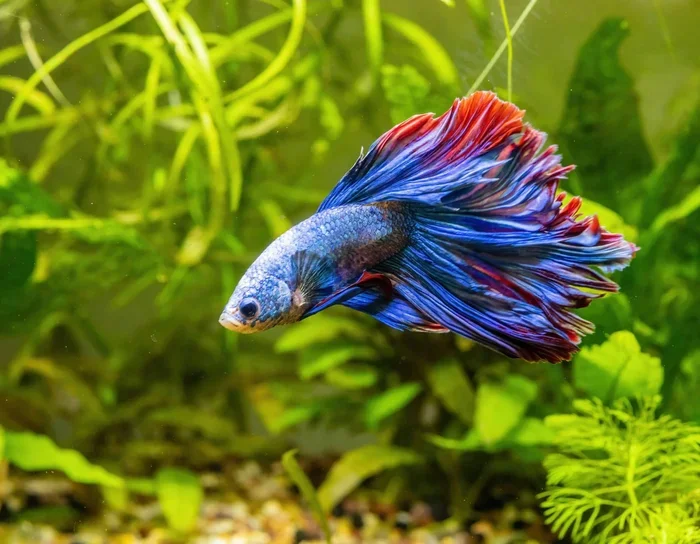
Visual guide about Where Does a Betta Fish Poop From
Image source: buildyouraquarium.com
The “Hanging” Poop: A Red Flag
One of the most frequently asked questions is, “Why is my betta’s poop hanging from its bottom?” This is almost always a sign of constipation. The waste is too dry, hard, or large to be fully expelled. It can dangle from the vent for hours, sometimes even a day. This is uncomfortable and stressful for the fish. A constipated betta may also exhibit a swollen or “puffy” abdomen, lethargy, and loss of appetite. The cause is usually dietary: too many dry pellets, overfeeding, or lack of hydration/fiber. The immediate treatment is to fast the betta for 2-3 days to let its system clear, then offer a fiber-rich remedy like a tiny piece of skinned, blanched pea or a few daphnia (which act as a natural laxative). For severe cases, an Epsom salt bath (1 tsp per gallon for 10-15 minutes) can help relax muscles and reduce swelling. Never pull on hanging poop—you can cause severe internal injury.
When Poop Signals Trouble: Health Issues to Watch For
Your betta’s vent is a window into its internal health. Changes in waste are often the first, and sometimes only, early warning sign of a developing problem. Here is your diagnostic guide:
- White or Milky Stringy Poop: This is the classic sign of an internal parasite infection (like Hexamita) or a severe bacterial infection. The poop is often long, thin, and looks like white thread or mucus. The fish may also be emaciated despite eating (the parasites consume the nutrients). This requires veterinary intervention, often with antiparasitic medications like Metronidazole.
- Clear or Jelly-Like Poop: This indicates the betta is not absorbing nutrients properly. The waste is mostly mucus and water. Causes can be parasites, bacterial infections, or a very poor diet. The fish will likely be thin and lethargic.
- Red or Blood-Tinged Poop: This is a serious symptom. It indicates internal bleeding, possibly from a severe bacterial infection (like Aeromonas), a ruptured internal organ, or advanced parasites. The fish is in critical condition and needs immediate veterinary care.
- Excessive, Cloudy, or “Fuzzy” Poop: If the waste looks like a cloud of debris or has a fuzzy, mold-like appearance, it’s often a sign of poor digestion due to overfeeding or low-quality food. The food is fermenting in the gut instead of being digested. Fasting and a diet upgrade are the first steps.
- No Poop at All: If a normally regular betta stops pooping for 3+ days, especially if its abdomen looks swollen, it’s likely constipated. Begin a fast and follow with a laxative remedy. If there is no improvement in 48 hours, or if the fish shows other signs like sinking or loss of buoyancy, suspect a swim bladder issue or severe impaction requiring professional help.
The Connection to Swim Bladder Disorder (SBD)
The swim bladder is a gas-filled sac that helps a fish control its buoyancy. It sits right behind the digestive tract. A constipated betta with a full, swollen intestine can physically press against the swim bladder, causing the fish to float upside down, sink, or struggle to maintain depth. This is why constipation is the #1 cause of SBD in bettas. Treating the constipation—through fasting, laxatives, and diet change—often resolves the buoyancy issue. However, SBD can also be caused by bacterial infections attacking the bladder itself or genetic defects. Observing the poop is the first clue in diagnosing the root cause.
Cleaning and Maintenance: Managing Betta Waste in the Tank
Understanding where betta poop comes from is useless if you don’t know how to manage it in the tank. Betta waste is not just unsightly; it’s a toxin bomb. As it decomposes, it releases ammonia—the most harmful nitrogen compound in an aquarium. A single betta in a tiny, unfiltered bowl can poison itself with its own waste in days. Proper waste management is non-negotiable for betta health.
The primary rule is: what goes in must come out, and you must remove what comes out. Since bettas are often kept in smaller setups (though a 5-gallon tank is the absolute minimum recommended), waste accumulates quickly. Here is your maintenance protocol:
- Daily Observation: While feeding, glance at the tank floor. Note any new waste pellets. If you see one or two, that’s normal. If you see a pile, you’ve overfed. Remove any visible waste immediately with a pipette, turkey baster, or your fingers (washed, without soap). This prevents ammonia spikes and reduces stress.
- Weekly Water Changes: For a filtered 5-gallon tank, change 25-30% of the water weekly. For an unfiltered smaller container, you may need 50% changes 2-3 times a week. Use a gravel vacuum to stir the substrate and siphon out waste trapped in the gravel or sand. This is the single most effective way to remove poop.
- Substrate Choice: Sand is easier to vacuum clean than gravel, as waste sits on top and is easily sucked up. With gravel, waste can sift down between stones and decay unnoticed. If using gravel, vacuum thoroughly.
- Filter Maintenance: If you have a filter (highly recommended), rinse the filter media in the old tank water you remove during a water change—never under tap water, as it kills beneficial bacteria. The filter will mechanically trap some fine waste particles. Clean or replace media as per manufacturer instructions.
- Live Plants: Live plants can help absorb some ammonia from decomposing waste, but they do not eliminate the need for water changes and physical waste removal. Some bettas may also nibble on plants, which can cause digestive upset if they are not adapted to digesting plant matter.
The Tail-Biting Connection
Poor water quality, including high ammonia from decomposing waste, is a primary cause of stress in bettas. A stressed betta is a betta that may develop compulsive behaviors like fin-nipping or tail-biting. The fish becomes so agitated by the toxins in its water that it starts biting at its own flowing fins. The resulting damage can lead to fatal infections. By meticulously removing poop and maintaining pristine water, you directly combat one of the biggest triggers for this destructive behavior. A clean tank from a clean vent is a happy, intact-finned betta.
Debunking Myths: What Betta Poop Is NOT
With so much misinformation online, let’s clear the air. Myth-busting is crucial for proper betta care.
- Myth: Bettas poop from their gills. Absolute fiction. Fish excrete ammonia (a nitrogenous waste) through their gills as a constant, passive process of osmoregulation. This is not feces. Feces (solid digestive waste) only exits through the anal vent. Seeing bubbles from the gills is normal; seeing solid pellets is not.
- Myth: Long, stringy poop is normal for bettas. It is not. As discussed, this is a sign of constipation or infection. Some people mistakenly think it’s “unfinished food,” but if it’s consistently long and trailing, it’s a problem.
- Myth: You don’t need to clean poop in a filtered tank. False. Filters move water and house bacteria; they do not magically make solid waste vanish. The poop still sits on the substrate, decaying and producing ammonia. The filter may break it down faster, but you must still physically remove it.
- Myth: Bettas can live in bowls because they come from puddles. This tragic myth leads to suffering. Wild bettas live in vast, shallow rice paddies and slow-moving streams with incredible plant density and surface area for gas exchange. A tiny bowl has no water volume to dilute waste, no surface area for oxygen, and no biological filtration. The betta’s own poop will create lethal ammonia levels within days. The “puddle” idea is completely wrong.
- Myth: Feeding peas everyday will keep my betta regular. Peas are a useful remedy for constipation because of their fiber content, but they are not a dietary staple. Bettas are carnivores. Their systems are not designed for high-fiber plant matter. Feeding peas regularly can cause other digestive issues. Use them sparingly as a treatment, not a daily food.
Conclusion: The Poop is the Message
So, where does a betta fish poop from? The answer is the small, unassuming anal vent, located just in front of the anal fin on the fish’s underside. But the real answer goes much deeper. That tiny vent is the endpoint of a delicate digestive system and the starting point for a crucial health monitoring routine. The waste that emerges is not just refuse; it’s a daily diagnostic report written by your betta’s body. A firm, dark pellet signals a well-tuned carnivore in a clean tank. A hanging white string screams for dietary intervention. A lack of output warns of impaction.
By learning this simple anatomy—the “where”—you empower yourself to interpret the “what.” You move from being just a feeder to being a true observer and caregiver. You connect the food you offer to the waste you remove, understanding that every action in the cycle impacts the next. You see that tank cleanliness is not an aesthetic preference but a physiological necessity directly tied to the health of that little vent. In the end, paying attention to where your betta poops from, and what that poop looks like, is one of the most profound and practical ways to ensure your aquatic companion lives a long, vibrant, and healthy life. It starts with a glance, and it ends with a cleaner tank and a happier fish.
Frequently Asked Questions
Is it normal for my betta fish’s poop to hang from its bottom?
No, hanging or dangling poop is a classic sign of constipation. The waste is too dry or hard to be fully expelled. Fast your betta for 2-3 days, then offer a blanched, skinned pea or a few daphnia as a natural laxative. Ensure you are not overfeeding with dry pellets.
Why is my betta’s poop white or clear and stringy?
White, clear, or mucus-like stringy poop is a strong indicator of an internal parasite infection (like Hexamita) or a severe bacterial infection. The fish is likely not absorbing nutrients. This requires treatment with antiparasitic medication like Metronidazole, often administered via food or bath.
How often should a betta fish poop?
A healthy, well-fed adult betta will typically produce a small pellet of waste once or twice a day. Some may skip a day. The key is consistency. If a normally regular betta stops pooping for 3+ days, especially with a swollen abdomen, it is constipated and needs intervention.
My betta’s poop is very long and looks like its food. Is that okay?
No, long, stringy poop that resembles undigested food is not normal and indicates poor digestion, usually from overfeeding, low-quality food, or constipation. Adjust your feeding schedule to smaller portions and consider upgrading to high-protein, low-filler foods.
Can betta fish eat their own poop?
Yes, bettas (and many fish) will occasionally nibble at waste on the tank bottom. This is a natural foraging behavior but is not ideal. It can reintroduce toxins and pathogens into their system. This behavior is a strong indicator that you need to clean the tank more frequently and check your feeding amounts.
How do I clean betta poop from my tank?
Use a gravel vacuum (siphon) during your weekly water change. Stir the substrate gently to suck up trapped waste. For bare-bottom tanks, you can use a pipette or turkey baster to remove visible pellets daily. Never rely solely on a filter to handle solid waste; physical removal is essential.