Should I Ge Tneon Tetra or Betta Fish
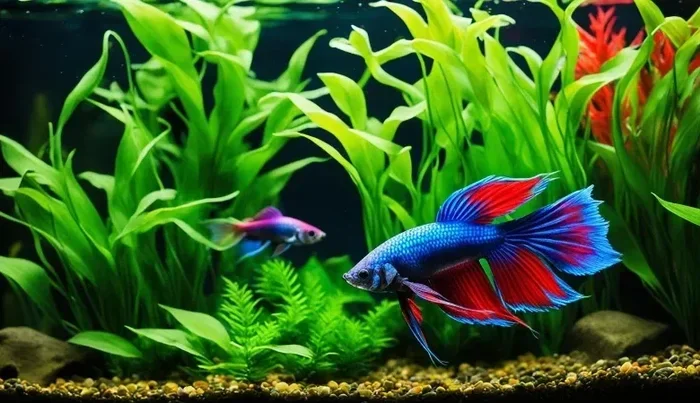
Choosing between a neon tetra and a betta fish depends on your experience level, tank setup, and what you want from your aquarium. Neon tetras are peaceful schooling fish that thrive in groups, while bettas are bold solo fish with striking colors. This guide covers everything you need to know about neon tetra or betta fish care, compatibility, and setup to help you make the best choice.
So you are standing in front of the fish tank at your local pet store, staring at two beautiful options. On one side, you have a neon tetra glowing like a tiny neon light. On the other side, a betta fish flares its gorgeous flowing fins. You want both, but your tank can only have one. What do you do?
Picking between neon tetra or betta fish is one of the most common dilemmas for new aquarium owners. Both fish are popular, colorful, and relatively easy to find. But they are very different in terms of care, temperament, and tank setup. This guide will walk you through everything you need to know so you can make the right choice for your home.
Whether you are a complete beginner or a hobbyist looking to add a new fish, understanding the differences between these two species is key. A neon tetra brings movement and shimmer to a community tank, while a betta adds bold personality and stunning color on its own. Let us dive deep into what makes each fish special.
Key Takeaways
- Neon tetras are peaceful schooling fish: They do best in groups of 6 or more and need a slightly larger community tank.
- Betta fish are territorial and solitary: They prefer to live alone and can be aggressive toward other fish with bright colors or long fins.
- Tank size matters for both species: Neon tetras need at least 20 gallons, while a single betta can thrive in a 5-gallon tank.
- Water parameters differ slightly: Both species prefer warm water, but neon tetras are more sensitive to changes in water quality.
- Feeding habits vary: Neon tetras are omnivores that eat flakes and small pellets, while bettas need a protein-rich diet with pellets or frozen food.
- Beginners may find bettas easier to care for: They are hardier and more forgiving of minor mistakes in tank maintenance.
- Do not keep neon tetras and bettas together: Their different social and territorial needs make them poor tank mates.
📑 Table of Contents
Neon Tetra vs Betta Fish: The Basics
Before you decide which fish to bring home, you need to understand the basics of each species. A neon tetra is a small, colorful fish that grows to about 1.5 inches long. They come from the blackwater streams of South America and are known for their bright blue and red stripes. Neon tetras are schooling fish, which means they feel safe and happy when kept in groups of six or more.
A betta fish, also known as a Siamese fighting fish, is a larger and more solitary species. Bettas grow to about 2.5 to 3 inches and are famous for their long, flowing fins and vibrant colors. Unlike neon tetras, bettas are territorial and do best when kept alone. Male bettas, in particular, will fight other male bettas and even chase fish that look similar to them.
Neon Tetra Care Essentials
Taking care of neon tetras is not too hard, but they do have specific needs. These tropical fish prefer warm water between 72 and 78 degrees Fahrenheit. They also like slightly acidic to neutral pH levels, around 6.0 to 7.0. Neon tetras are sensitive to changes in water quality, so regular water changes and a good filter are a must.
Here are some quick care tips for neon tetras:
- Tank size: At least 20 gallons for a school of 6 or more.
- Water temperature: Keep it between 72 and 78°F.
- Tank mates: Other peaceful fish like corydoras, guppies, or small rasboras.
- Diet: High-quality flakes, micro pellets, and occasional frozen or live food.
- Lifespan: About 5 to 8 years with proper care.
Neon tetras are also known as beginner-friendly fish once you get their water parameters stable. They are active swimmers and love planted tanks with plenty of hiding spots. If you want a lively, colorful aquarium that moves, neon tetras are a great pick.
Betta Fish Care Essentials
Betta fish are often called the king of the aquarium because of their stunning appearance and confident personality. They are hardy fish that can tolerate a wider range of conditions than many other tropical species. A single betta can live happily in a 5-gallon tank, though a larger tank is always better.
Here are some key care tips for betta fish:
- Tank size: Minimum 5 gallons for a single betta.
- Water temperature: Keep it between 76 and 82°F.
- Tank mates: Bettas do best alone, though some can live with peaceful bottom-dwellers like snails or corydoras.
- Diet: Betta pellets, frozen bloodworms, and brine shrimp.
- Lifespan: About 3 to 5 years with proper care.
One thing that surprises many new fish owners is that bettas need more than just a tiny bowl. They are active fish that need space to swim and explore. A filtered and heated tank is the best setup for a healthy betta. You can learn more about proper filtration in our article Should I Use A Filter For My Betta Fish.
Temperament and Behavior: What to Expect
Understanding the temperament of your fish is one of the most important parts of fish keeping. Neon tetras and bettas have very different personalities, and knowing what to expect will help you create a happy home for your new pet.
Neon Tetra Temperament
Neon tetras are peaceful and social fish. They spend most of their time swimming together in schools, darting around the tank, and exploring plants and decorations. They are not aggressive and rarely bother other fish. Because they are so peaceful, neon tetras make excellent community tank residents.
However, neon tetras can be a bit shy at first. If your tank is too bright or has no hiding spots, they may hide a lot. Adding live plants, driftwood, or caves gives them the security they need to come out and show off their beautiful colors. Fish compatibility is easy with neon tetras as long as you avoid fin-nipping species.
Betta Fish Temperament
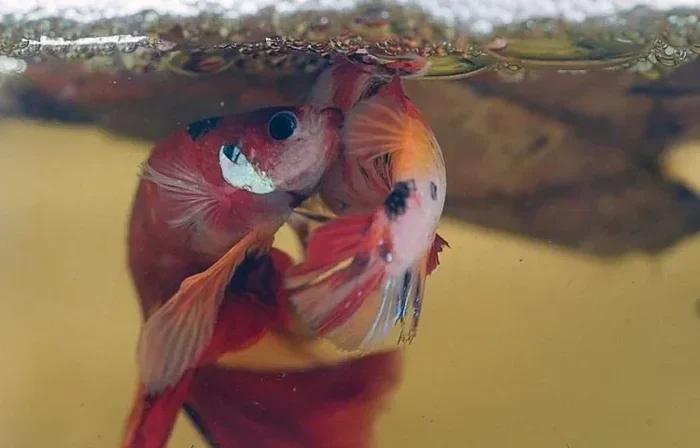
Betta fish are known for their bold and sometimes feisty personality. Male bettas, in particular, are aggressive toward fish with similar colors or long fins. This is why you should never keep two male bettas in the same tank. Even female bettas can be territorial, though they tend to do better in small groups called sororities.
Despite their aggression toward other fish, bettas are fascinating to watch. They build bubble nests, flare their gills, and explore every corner of their tank. Each betta has its own unique personality. Some are curious and active, while others are lazy and like to rest on plants. If you want a fish with a big personality, a betta is hard to beat.
Tank Setup: How to Create the Right Environment
The right tank setup is crucial for the health and happiness of your fish. Neon tetras and bettas have different needs, so the setup for each is quite different.
Setting Up a Neon Tetra Tank
Neon tetras do best in a well-planted community tank. They love swimming in open areas but also appreciate plants and decorations to explore. Here is what you need for a neon tetra tank:
- A tank of at least 20 gallons.
- A gentle filter to keep the water clean without strong currents.
- A heater to maintain a steady temperature of 72 to 78°F.
- Live plants like Java moss, Amazon sword, or Anubias.
- Subdued lighting to mimic their natural blackwater habitat.
- Tank mates like corydoras, harlequin rasboras, or small tetras.
Neon tetras are sensitive to water changes, so test your water parameters regularly. Keeping ammonia and nitrite levels at zero is essential for their health.
Setting Up a Betta Tank
A betta tank can be simpler than a community tank, but it still needs the right equipment. Bettas need warm, clean water and a gentle filter. Here is a basic setup guide:
- A tank of at least 5 gallons (10 gallons or more is better).
- A sponge filter or gentle hang-on-back filter to avoid strong currents.
- A heater set to 76 to 82°F.
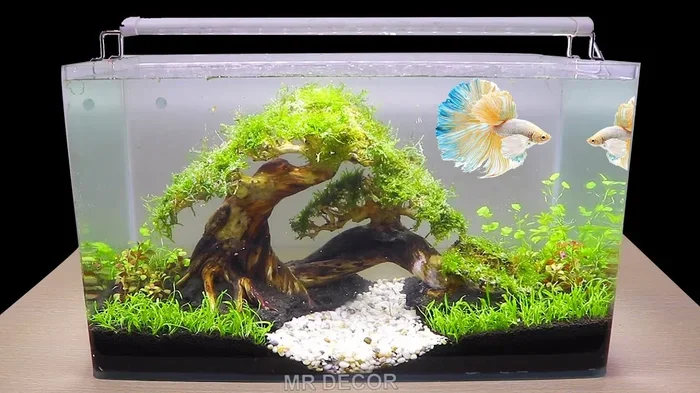
- A few live plants and hiding spots like caves or driftwood.
- Open swimming space for your betta to explore.
Bettas also love to rest on broad leaves like those of a Amazon sword plant or a betta leaf hammock. They are not as active as neon tetras, so they do not need a huge tank, but they do need a comfortable and clean environment. You can read more about choosing the right tank placement in our article Where Should I Put My Betta Fish Tank.
Feeding Your Fish: Diet and Nutrition
Feeding is one of the most important parts of fish care. Both neon tetras and bettas need a balanced diet, but their nutritional needs are different.
What to Feed Neon Tetras
Neon tetras are omnivores, which means they eat both plant matter and small insects or larvae. In the wild, they snack on tiny invertebrates, algae, and organic matter. In your home aquarium, you can feed them:
- High-quality flake food designed for tropical fish.
- Micro pellets or sinking pellets.
- Frozen or live foods like brine shrimp, daphnia, and bloodworms.
- Blanched vegetables like spinach or zucchini in small amounts.
Feed your neon tetras small amounts 1 to 2 times a day. They have small stomachs, so overfeeding is a common mistake. Remove any uneaten food after a few minutes to keep the water clean.
What to Feed Betta Fish
Betta fish are carnivores that need a protein-rich diet. In the wild, they eat insect larvae, small crustaceans, and zooplankton. For your pet betta, the best foods include:
- High-quality betta pellets (the staple diet).
- Frozen or live bloodworms and brine shrimp as treats.
- Daphnia and mosquito larvae for variety.
Feed your betta 2 to 3 pellets once or twice a day. Bettas are prone to overfeeding, which can lead to bloating and constipation. If your betta is not eating, check out our article What Should I Do If My Betta Fish Isn’t Eating for helpful tips.
| Aspect | Neon Tetra | Betta Fish |
|---|---|---|
| Diet Type | Omnivore | Carnivore |
| Staple Food | Flakes, micro pellets | Betta pellets |
| Treats | Bloodworms, daphnia | Bloodworms, brine shrimp |
| Feeding Frequency | 1 to 2 times daily | 1 to 2 times daily |
| Tank Size Needed | 20+ gallons | 5+ gallons |
| Temperament | Peaceful, schooling | Territorial, solitary |
| Lifespan | 5 to 8 years | 3 to 5 years |
| Best For | Community tanks | Solo display tanks |
Can You Keep Neon Tetras and Bettas Together?
This is one of the most asked questions in the aquarium hobby, and the short answer is no. Neon tetras and bettas have very different social needs that make them poor tank mates.
Neon tetras are peaceful schooling fish that need the company of their own kind. They are small and could be seen as food or toys by a territorial betta. Bettas may chase or nip at the long fins of neon tetras, especially if the betta is feeling aggressive or bored.
Even if your betta seems calm at first, stress can build up over time for both species. The neon tetras may become anxious and hide constantly, while the betta may become overly territorial. It is best to keep them in separate tanks to ensure both fish are happy and healthy.
If you are interested in keeping multiple species together, consider reading about fish compatibility first. You can also check out our guide on Can You Tetra And Betta Fish for more detailed information on this topic.
Which Fish Is Right for You?
Now that you know the differences between neon tetras and bettas, it is time to decide which one is the right fit for you. Your choice should depend on your experience level, the tank you have, and what kind of aquarium experience you want.
Choose a neon tetra if you want a lively community tank with lots of movement and color. They are best for aquarists who enjoy watching schools of fish swim together and are willing to maintain stable water conditions. Neon tetras are also a great choice if you already have a planted community tank and want to add more activity.
Choose a betta fish if you want a low-maintenance solo fish with a big personality. Bettas are great for beginners who want a beautiful fish without the complexity of managing a community tank. They also work well for people with smaller spaces who can only accommodate a 5 to 10 gallon tank.
No matter which fish you choose, remember that proper care, clean water, and a good diet are the keys to a happy and healthy fish. Take your time, do your research, and enjoy the rewarding hobby of fish keeping.
Common Mistakes to Avoid
Whether you pick a neon tetra or a betta, there are some common mistakes that new fish owners should avoid. Here are a few to watch out for:
- Overcrowding the tank: Too many fish leads to poor water quality and stress. Stick to the recommended tank sizes.
- Skipping water changes: Even with a filter, regular water changes are essential. Aim for 25% weekly water changes.
- Overfeeding: Excess food pollutes the water and can make your fish sick. Feed small amounts and remove leftovers.
- Ignoring water parameters: Test your water regularly for ammonia, nitrite, and nitrate levels. Both neon tetras and bettas are sensitive to poor water quality.
- Keeping incompatible tank mates: Always research fish compatibility before adding new species to your tank.
Final Thoughts
Deciding between neon tetra or betta fish comes down to your personal preferences, your tank setup, and how much time you want to spend on maintenance. Neon tetras bring a beautiful, active community feel to a larger planted tank, while bettas offer a stunning solo display with minimal fuss.
Both fish are wonderful additions to the right aquarium. The key is to give each species the environment and care they need to thrive. With the right setup, good food, and regular maintenance, you will have a happy and healthy aquarium that brings you joy for years to come.
Take your time, do your research, and enjoy the journey of becoming a better fish keeper. Whether you choose a neon tetra or a betta fish, you are making a great choice. Happy fish keeping!
Frequently Asked Questions
Can neon tetras live with bettas in the same tank?
It is not recommended. Bettas are territorial and may chase or nip at neon tetras, while neon tetras are schooling fish that need peaceful conditions. Keeping them in separate tanks is the safest option for both species.
Which is easier to care for, a neon tetra or a betta fish?
Betta fish are generally easier for beginners because they are hardier and can live in smaller tanks alone. Neon tetras need a larger community tank with stable water parameters, which requires more maintenance and experience.
How many neon tetras should I keep together?
Neon tetras are schooling fish and should be kept in groups of at least 6. A larger school of 8 to 10 fish will make them feel more secure and bring out their best colors. You need a tank of at least 20 gallons for a healthy school.
What is the lifespan of a neon tetra compared to a betta?
Neon tetras typically live 5 to 8 years with proper care, while bettas usually live 3 to 5 years. The lifespan of both fish depends on water quality, diet, and overall tank conditions.
Do betta fish need a heater in their tank?
Yes, betta fish are tropical fish and need a heater to maintain a steady water temperature between 76 and 82°F. Without a heater, cold water can stress your betta and lead to health problems.
Can I feed my betta neon tetra flakes?
Betta flakes are designed for the protein-rich diet bettas need, while neon tetra flakes are formulated for omnivorous fish. It is best to feed each species a diet tailored to their nutritional needs for optimal health.