Are Betta Fish Warm or Cold Blooded
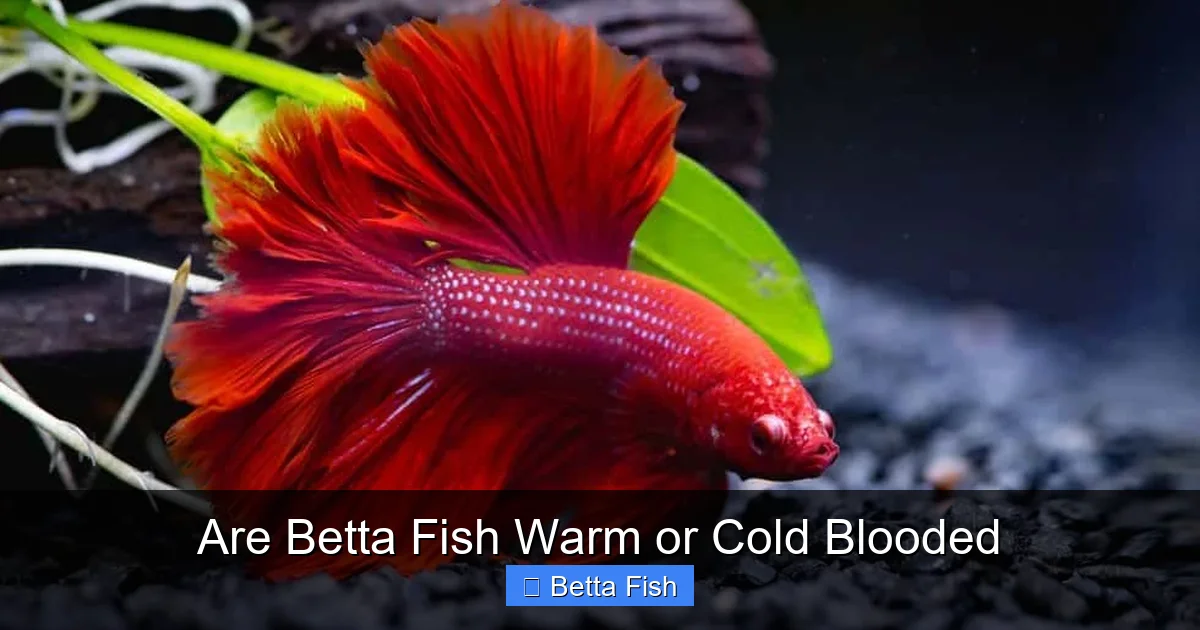
Betta fish are cold‑blooded, meaning they rely on their environment to regulate body temperature. Providing stable, warm water mimics their natural tropical habitat and supports optimal health, color, and behavior.
Key Takeaways
- Cold‑blooded nature: Betta fish cannot generate their own heat and depend on water temperature.
- Ideal temperature range: 76‑82°F (24‑28°C) is perfect for metabolism and vibrant coloration.
- Temperature fluctuations are harmful: Sudden changes can cause stress, disease, and loss of color.
- Heater selection: Use a reliable submersible heater with an adjustable thermostat for consistent warmth.
- Monitoring tools: A digital aquarium thermometer is essential for daily checks.
- Relation to other traits: Their cold‑blooded status ties into why bettas are tropical, freshwater fish that thrive in calm, warm environments.
- Practical tip: Pair temperature control with proper water parameters for the healthiest betta possible.
📑 Table of Contents
- Introduction: Why Temperature Matters for Betta Fish
- 1. Understanding Cold‑Blooded (Ectothermic) Fish
- 2. The Perfect Temperature Range for Betta Fish
- 3. Choosing and Using a Heater: Practical Tips
- 4. Monitoring Temperature: Tools and Techniques
- 5. Temperature’s Influence on Betta Behavior and Appearance
- 6. Common Misconceptions and FAQs
- Conclusion: Keep Your Betta Cozy, Keep It Happy
Introduction: Why Temperature Matters for Betta Fish
When you first bring a betta home, the most obvious thing you notice is its dazzling colors and flowing fins. But beneath that beauty lies a simple biological fact: bettas are cold‑blooded. In plain language, this means they cannot heat their bodies like mammals do. Instead, they depend entirely on the water around them to stay warm enough for their bodies to work properly.
If you’ve ever wondered are betta fish warm or cold blooded, the answer shapes everything else you’ll do as a caretaker—from choosing a heater to deciding what time of day to feed. In this guide we’ll break down the science, explain the ideal temperature range, and give you step‑by‑step tips to create a stable, comfortable home for your finned friend.
1. Understanding Cold‑Blooded (Ectothermic) Fish
What does “cold‑blooded” really mean?
Cold‑blooded animals, also called ectotherms, rely on external heat sources to regulate their body temperature. Their metabolic rate speeds up when the water gets warm and slows down when it cools. For bettas, this directly influences:
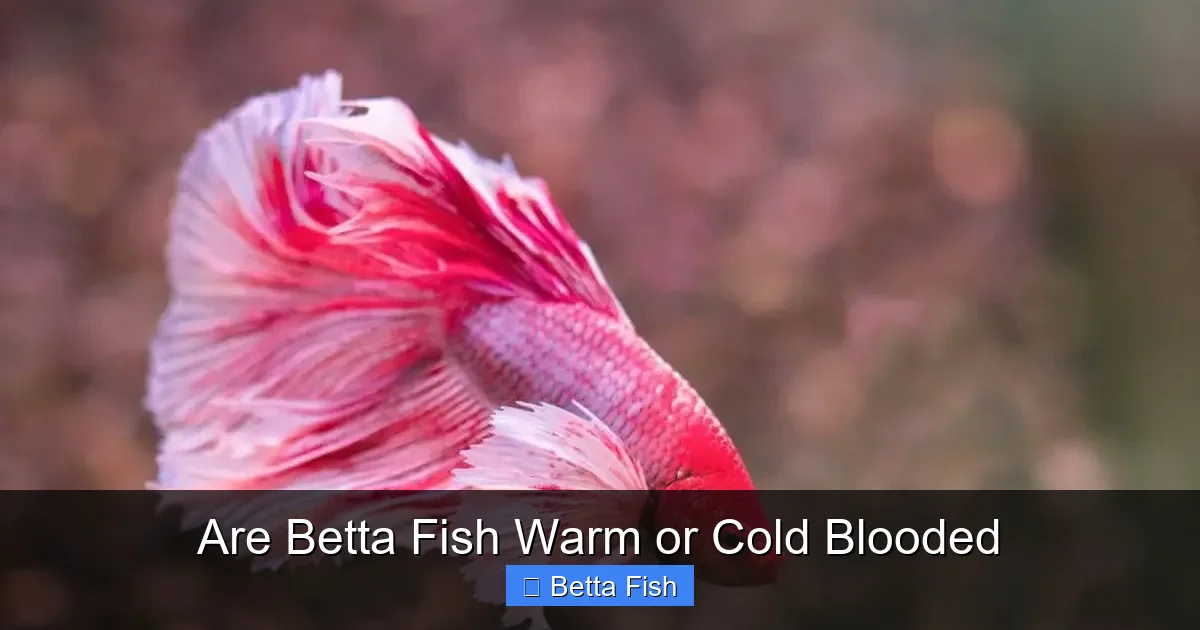
Visual guide about Are Betta Fish Warm or Cold Blooded
Image source: petfishonline.com
- Digestion and appetite
- Immune system efficiency
- Color intensity and fin expansion
- Activity level and aggression
How ectothermy differs from warm‑blooded (endothermic) creatures
Endotherms, like humans and most birds, produce internal heat to keep a constant body temperature. They can stay active in cold climates because their bodies generate warmth. Betta fish lack that ability, so a chilly tank can make them lethargic, pale, and vulnerable to disease.
Why bettas evolved as cold‑blooded tropical fish
In their native Southeast Asian wetlands, water temperatures rarely dip below 75°F (24°C). Over millions of years, bettas adapted to these stable, warm waters, developing bright coloration that works best at higher metabolic rates. This evolutionary background explains why they thrive in a warm aquarium but struggle in cooler setups.
2. The Perfect Temperature Range for Betta Fish
Standard recommendation: 76‑82°F (24‑28°C)
Most experts agree that keeping your betta within this window provides the best balance of health, color, and activity. Below 76°F, you’ll notice slower movement and a dulling of the vibrant hues that make bettas famous. Above 82°F, the risk of oxygen depletion and stress‑related illnesses rises.
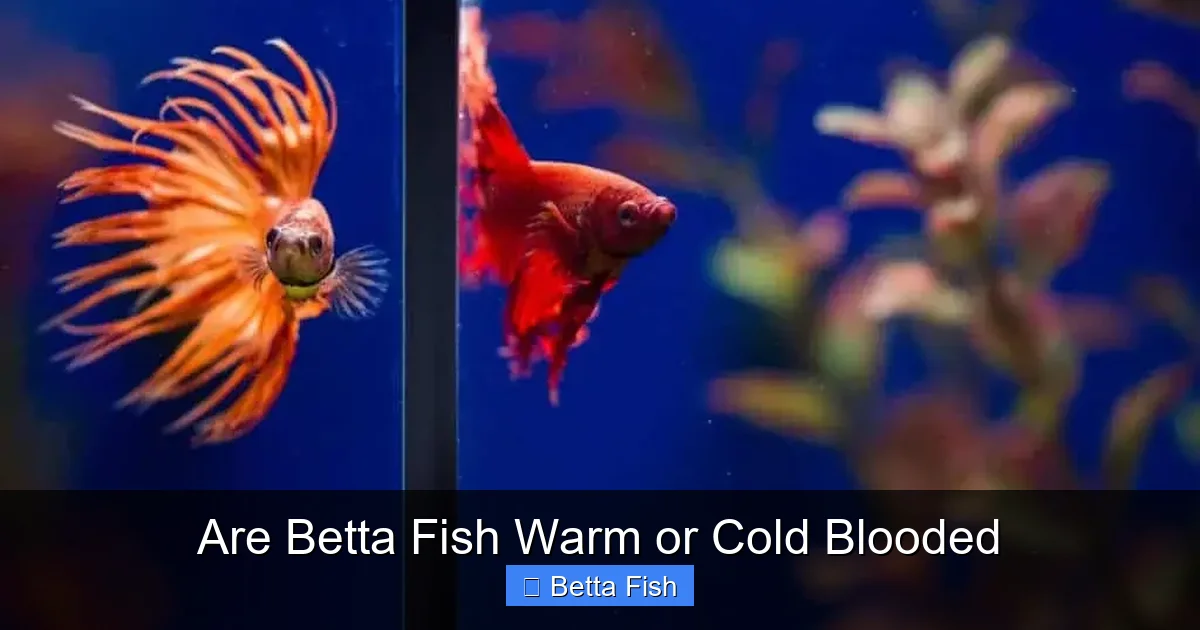
Visual guide about Are Betta Fish Warm or Cold Blooded
Image source: bettasource.com
What happens if the temperature is too low?
When water gets chilly, a betta’s metabolism slows dramatically. You may see:
- Reduced appetite or refusal to eat
- Lethargic swimming, often staying near the bottom
- Pale or washed‑out coloration
- Increased susceptibility to fungal infections
What if the water gets too hot?
Excessive heat can be just as dangerous. Warm water holds less dissolved oxygen, which can lead to:
- Rapid breathing at the surface
- Stress‑induced aggression
- Higher chance of bacterial outbreaks like Ich
- Potential loss of fin integrity
Seasonal adjustments and ambient room temperature
If your home temperature swings with the seasons, a heater with a built‑in thermostat will keep the tank steady. In colder months, place the aquarium away from drafts, windows, or air‑condition vents. In summer, avoid direct sunlight which can cause sudden spikes.
3. Choosing and Using a Heater: Practical Tips
Types of heaters suitable for bettas
Two main options work well:
Visual guide about Are Betta Fish Warm or Cold Blooded
Image source: cdn.mos.cms.futurecdn.net
- Submersible heaters: Drop into the water, fully immersed. They’re accurate and safe for small tanks.
- Inline heaters: Installed in the filter line, ideal for larger setups but overkill for a 2‑gallon betta tank.
How to select the right wattage
For a 2‑5 gallon tank, a 25‑50 W heater is sufficient. More wattage than needed can cause overheating, while too little won’t maintain temperature.
Installation steps
- Rinse the heater with dechlorinated water (no soap).
- Turn off the filter and any aeration.
- Place the heater near the water flow to ensure even heat distribution.
- Plug it in and set the thermostat to the middle of the ideal range (e.g., 79°F).
- Allow 24 hours for the heater to stabilize, then check with a reliable thermometer.
Safety checks
Always use a heater with an automatic shut‑off feature. Periodically inspect the cord and glass for cracks. If the heater feels hot to the touch after a few hours, verify the temperature reading; you may need to lower the setting.
4. Monitoring Temperature: Tools and Techniques
Digital aquarium thermometers
A stick‑on or floating digital thermometer gives instant readings. Place it near the heater but not directly against it to avoid false highs.
Thermostatic controllers
Advanced hobbyists use external thermostats that control the heater via a plug‑in module, offering tighter temperature regulation.
Daily routine
Make checking the temperature part of your morning tank inspection. Write down the reading in a log; patterns emerge that help you catch problems early.
What to do if temperature drifts
If you notice a consistent drift (e.g., dropping 2‑3°F overnight), consider:
- Adding a small aquarium fan to improve surface agitation.
- Ensuring the heater is fully submerged and not stuck to the glass.
- Replacing an old heater that may be losing efficiency.
5. Temperature’s Influence on Betta Behavior and Appearance
Color intensity and temperature
Warmer water (within the safe range) enhances the vibrancy of a betta’s pigments. This is why many breeders keep tanks at the upper end of the spectrum during display periods.
Fin expansion and activity
When comfortable, bettas display their full fin spread and engage in “flaring” behavior—raising their gills and fins to show dominance. Cold water often results in collapsed fins and a shy demeanor.
Link to related traits
Because bettas are cold‑blooded tropical fish, they share temperature needs with other popular tropical species. Learning more about their tropical nature can help you understand broader aquarium care. (Are Betta Fish Tropical Fish)
Impact on breeding
For those interested in breeding, maintaining a stable 78‑80°F environment encourages courtship and successful spawning. Fluctuations can halt breeding cycles entirely.
6. Common Misconceptions and FAQs
“Bettas can live in room‑temperature water because they’re hardy.”
While bettas are resilient, “hardy” does not equal “comfortably thriving.” Room temperature (often 68‑72°F) is below the optimal range and can lead to chronic stress.
“I don’t need a heater if I keep the tank in a warm room.”
Even a warm room can experience night‑time drops or drafts. A dedicated heater guarantees the precise range bettas need.
“Bettas are cold‑blooded, so they don’t need a filter.”
Temperature and filtration are separate concerns. A filter maintains water quality, while a heater stabilizes temperature. Both are essential for a healthy betta.
“All tropical fish are warm‑blooded.”
All tropical aquarium fish, including bettas, are cold‑blooded. Their “tropical” label refers to the warm waters they originate from, not an internal heat‑producing ability.
“Bettas can survive in cold water if I feed them more.”
Extra food won’t compensate for a sub‑optimal temperature. Overfeeding in cold water can actually worsen water quality and increase disease risk.
Conclusion: Keep Your Betta Cozy, Keep It Happy
Understanding that bettas are cold‑blooded is the cornerstone of proper care. By maintaining a steady 76‑82°F environment, you give your fish the chance to display its full color, energetic personality, and robust health. Use a reliable heater, monitor temperature daily, and adjust for seasonal changes. Pair these steps with good water parameters and a proper diet, and your betta will thrive for years.
Remember, a happy betta isn’t just about a pretty tank—it’s about replicating the warm, stable waters of its native habitats. When you get the temperature right, everything else falls into place.
Frequently Asked Questions
Are betta fish warm‑blooded?
No. Betta fish are cold‑blooded (ectothermic) and rely on the surrounding water to regulate their body temperature.
What is the ideal temperature for a betta tank?
The recommended range is 76‑82°F (24‑28°C). This supports healthy metabolism, vivid coloration, and active behavior.
Can I keep a betta without a heater if my home is warm?
Even in a warm home, temperature can drop at night or due to drafts. A heater ensures a consistent environment and prevents stress.
How often should I check my betta’s water temperature?
Check at least once daily, preferably during your morning tank inspection. Keep a log to spot any trends.
Do temperature changes affect betta breeding?
Yes. Stable, warm water (78‑80°F) encourages courtship and successful spawning, while fluctuations can halt breeding cycles.
What other care aspects are linked to temperature?
Temperature influences digestion, immune response, and oxygen levels. Pair proper heating with good filtration and regular water changes for optimal health.