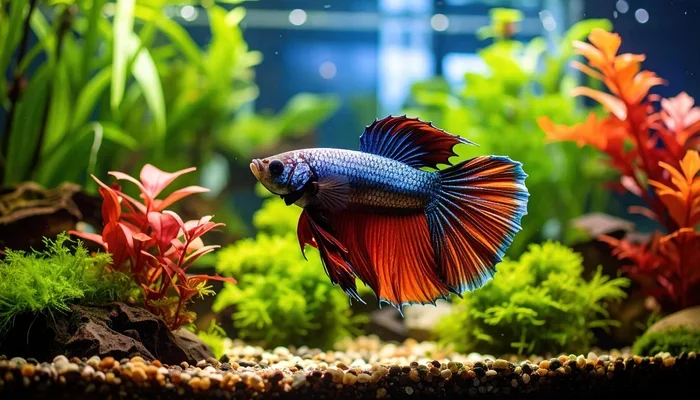
How Often to Feed a Betta Fish Pellets

Knowing how often to feed a betta fish pellets is the single most important part of keeping your betta healthy and happy. Most bettas thrive on a consistent feeding routine of once or twice a day with small portions of high-quality pellets. Overfeeding is the biggest mistake new fish owners make, so portion control matters just as much as frequency.
Feeding your betta fish the right way can feel confusing at first. There are so many opinions online, and not all of them are accurate. If you have ever wondered how often to feed a betta fish pellets, you are not alone. This is one of the most common questions new betta owners ask, and getting it right makes a huge difference.
Your betta fish depends on you for every meal. Unlike fish in the wild that forage throughout the day, pet bettas rely entirely on their owner for nutrition. That means your feeding habits directly impact their health, energy, and lifespan. A simple mistake like feeding too much or too little can cause serious problems over time.
This guide breaks down everything you need to know about betta fish feeding schedules. You will learn exactly how many pellets to offer, how often to feed, and the common mistakes to avoid. By the end, you will feel confident about your feeding routine and your betta will thank you with vibrant colors and active behavior.
Key Takeaways
- Feed your betta fish pellets 1-2 times per day with small portions that match the size of their eye.
- Overfeeding is the #1 danger and can lead to bloating, constipation, and poor water quality in the tank.
- A consistent feeding schedule helps regulate your betta’s metabolism and reduces stress.
- Soak pellets before feeding to prevent them from expanding in your fish’s stomach and causing digestive issues.
- Skip one feeding day per week to help your betta’s digestive system stay healthy and clean.
- Watch for signs of overfeeding like uneaten pellets sinking to the bottom or your betta losing interest in food.
- Pair proper feeding with clean water to maximize your betta fish’s health and lifespan.
📑 Table of Contents
- Why Feeding Frequency Matters for Your Betta Fish
- How Often to Feed a Betta Fish Pellets: The Ideal Schedule
- How Many Pellets to Feed at Each Meal
- Choosing the Right Pellets for Your Betta Fish
- Creating the Perfect Feeding Routine
- Common Feeding Mistakes and How to Avoid Them
- Signs Your Betta Is Being Fed Correctly
- How Water Quality Connects to Feeding
- Final Thoughts on How Often to Feed a Betta Fish Pellets
Why Feeding Frequency Matters for Your Betta Fish
The feeding frequency for betta fish is not just about filling their stomach. It is about mimicking their natural eating patterns and keeping their digestive system working properly. Betta fish in the wild eat small meals throughout the day, but they also go through periods where food is scarce.
When you keep a betta in a home aquarium, you control the entire food supply. This gives you the power to create a routine that supports optimal betta fish health. But it also means you need to be disciplined and consistent.
The Digestive System of a Betta Fish
Betta fish have small stomachs relative to their body size. Their digestive system is designed for frequent small meals rather than one or two large ones. When you feed too much at once, the food sits in the stomach and can expand, causing bloating and discomfort.
This is why portion control matters just as much as how often you feed. A betta’s stomach is roughly the size of their eye, which gives you a perfect visual guide for how much food to offer at each meal. Keeping portions small and feeding them at regular intervals keeps the digestive tract moving smoothly.
How a Feeding Schedule Affects Betta Behavior
Betta fish are intelligent creatures. They quickly learn when mealtime arrives and will often swim to the top of the tank in anticipation. A predictable betta fish feeding schedule reduces stress and keeps your fish engaged and active.
On the flip side, irregular feeding can cause anxiety. If your betta is never sure when food will come, they may become lethargic or develop aggressive behaviors. Consistency in feeding also helps you spot changes in appetite early, which is often the first sign of illness.
How Often to Feed a Betta Fish Pellets: The Ideal Schedule
The short answer to how often to feed a betta fish pellets is once or twice a day. Most experienced aquarists recommend two small feedings per day, spaced about 8 to 12 hours apart. This mimics the natural rhythm of eating and resting that bettas follow in the wild.
However, the exact schedule can vary based on your betta’s age, activity level, and overall health. Let us break this down further so you can find the perfect routine for your fish.
Twice Daily Feeding (Recommended)
Feeding your betta twice a day is the gold standard. Offer a small pinch of pellets in the morning and another small pinch in the evening. This gives your fish a steady supply of nutrients without overwhelming their digestive system.
Many fish owners find that feeding at sunrise and sunset works well. If that does not fit your schedule, pick two times that are consistent every day. Your betta will adapt and start anticipating meals at those times.
Once Daily Feeding
If you prefer a simpler routine, once-daily feeding works fine too. Just make sure the portion is appropriate for one meal. Some owners choose this method when they want to give their betta a fasting day on alternating days.
Once-daily feeding can also work well for older bettas or fish that are less active. The key is to watch your fish and adjust if you notice weight loss or lethargy.
Fasting Days and Why They Matter
Every betta fish benefits from a fasting day. Skipping one meal per week allows the digestive system to fully process any remaining food and clear out waste. This helps prevent constipation and bloating, two of the most common health issues in bettas.
You can skip a feeding on any day that works for you. Some owners skip every Sunday, while others fast their betta for 24 hours once a month. Either approach works. Just do not skip more than one day at a time unless you are dealing with a specific digestive issue.
How Many Pellets to Feed at Each Meal
Knowing how often to feed is only half the equation. You also need to know how much to feed. This is where many betta owners make mistakes. Too many pellets at once can cause serious health problems, while too few can lead to malnutrition over time.
As a general rule, offer 2 to 3 pellets per feeding for an adult betta fish. For younger bettas or betta fry, you can offer smaller portions more frequently, up to 3 to 4 times a day.
If you want a deeper dive into exact portion sizes, check out our guide on how many pellets to feed a betta fish for detailed recommendations based on your fish’s size and age.
The Eye Rule: A Simple Portion Guide
Remember the eye rule. Your betta’s stomach is about the size of their eye. Any food portion larger than that is too much. If you are ever unsure, it is better to underfeed slightly than to overfeed. Betta fish are resilient and can handle a skipped meal far better than an oversized one.
What Happens When You Overfeed
Overfeeding is the fastest way to ruin your betta’s health. Excess food that your fish does not eat will sink to the bottom of the tank and decompose. This spikes ammonia and nitrite levels in the water, which can poison your fish over time.
Inside the betta’s body, overfeeding causes the stomach to stretch and can lead to a condition called dropsy. Symptoms include a swollen abdomen, scales that stick out like a pinecone, and loss of appetite. In severe cases, overfeeding can be fatal.
Choosing the Right Pellets for Your Betta Fish
Not all pellets are created equal. The quality of the food you choose plays a big role in your betta’s overall health and well-being. Cheap pellets are often filled with fillers like wheat and corn, which bettas cannot digest properly.
When shopping for betta fish pellets, look for brands where fish meal or whole ingredients are listed as the first ingredient. High-quality pellets sink slowly, which is important because bettas are labyrinth fish that breathe air and tend to feed at the surface.
Pellet Size and Floating vs. Sinking
The size of the pellet matters more than most people realize. Large pellets are hard for a betta to chew and can cause choking or digestive blockages. Choose pellets that are small enough for your betta to eat comfortably in one bite.
Some pellets float, and some sink. Floating pellets are convenient because you can watch your betta eat them. However, uneaten floating pellets can soak up water and expand, making them even harder to eat later. Sinking pellets may get lost in the substrate, so remove any uneaten food after a few minutes.
Can Betta Pellets Be Fed to Other Fish?
If you have a community tank, you might wonder if betta pellets work for other fish. The answer depends on the species. Betta pellets are formulated specifically for bettas and may not meet the nutritional needs of other fish. If you want to share food, it is better to check what other fish in your tank can eat. You can learn more about this in our article on can I feed betta pellets to other fish.
Creating the Perfect Feeding Routine
A great feeding routine goes beyond just dropping pellets into the tank. It involves preparation, observation, and consistency. The best feeding routine is one that you can stick to every single day without fail.
Step-by-Step Feeding Routine
- Prepare the pellets. Soak them in tank water for 2 to 3 minutes before feeding. This prevents them from expanding in your betta’s stomach.
- Turn off the filter briefly. This makes it easier for your betta to find the food and reduces waste being pulled away before your fish eats it.
- Drop 2 to 3 pellets near your betta. Aim for the front of the fish, not the middle or back.
- Watch your betta eat. Most bettas will eat within 2 to 3 minutes. If food remains after 5 minutes, remove the excess.
- Turn the filter back on. This helps clear any remaining food particles from the water.
Tips for Sticking to a Schedule
Consistency is everything when it comes to feeding betta fish pellets. Here are some practical tips to help you stay on track:
- Set a daily alarm on your phone for feeding times.
- Keep your pellet container near the tank so you never forget.
- Track feedings in a simple notebook or app if you tend to be forgetful.
- Involve other household members so someone can feed your betta if you are away.
Common Feeding Mistakes and How to Avoid Them
Even experienced fish owners sometimes make feeding mistakes. Being aware of these common errors helps you avoid them and keep your betta healthy for years to come.
Mistake 1: Feeding Too Much
This is the number one mistake. It is easy to think your betta is still hungry and drop in a few extra pellets. Resist that urge. Remember that 2 to 3 pellets are plenty for one feeding. Your betta will be just fine with a slightly smaller portion.
Mistake 2: Feeding at Random Times
Irregular feeding confuses your betta’s internal clock and can lead to stress and unpredictable behavior. Pick two set times and stick to them. Your fish will thrive on the predictability.
Mistake 3: Ignoring Uneaten Food
Leaving uneaten pellets in the tank degrades water quality fast. Always remove any food your betta does not eat within 5 minutes. This keeps the betta fish tank clean and prevents ammonia spikes.
Mistake 4: Relying Only on Pellets
Pellets are a staple food, but they should not be the only thing your betta eats. Variety supports better nutrition. You can offer frozen or live foods like bloodworms and brine shrimp as occasional treats. For more ideas on alternative foods, visit our page on what to feed a betta fish.
Signs Your Betta Is Being Fed Correctly
How do you know if your feeding routine is working? Your betta will show clear signs of good health when the feeding schedule is right. Look for these positive indicators:
- Vibrant colors. A well-fed betta displays bright reds, blues, and greens.
- Active swimming. Your fish moves around the tank with energy and curiosity.
- Healthy appetite. Your betta eagerly eats at feeding time and finishes the food within a few minutes.
- Regular waste. Normal, brown-colored waste means the digestive system is working properly.
- No bloating. The abdomen should be a normal, slightly rounded shape, not swollen or distended.
If you notice any of the opposite signs, such as pale colors, lethargy, or refusal to eat, it is time to reevaluate your routine. Sometimes simply adjusting the feeding frequency or switching to a higher-quality pellet makes all the difference.
How Water Quality Connects to Feeding
Feeding and water quality are deeply connected. Every time you feed your betta, there is leftover food that breaks down in the water. This is why maintaining clean water is just as important as getting the feeding schedule right.
You should be performing regular water changes to keep the tank healthy. A partial water change of 20 to 30 percent every week helps remove excess food particles and waste. If you want guidance on keeping the water clean, check out our article on how often to change a betta fish water.
A clean tank means a healthier digestive system for your betta. Poor water quality stresses fish out and weakens their immune system, making them more susceptible to diseases. Pairing a solid feeding routine with good water maintenance is the best thing you can do for your betta fish.
Final Thoughts on How Often to Feed a Betta Fish Pellets
How often to feed a betta fish pellets comes down to a simple principle: consistency, small portions, and observation. Feed your betta once or twice a day, offer 2 to 3 soaked pellets per meal, and skip one feeding day each week for digestive health. Avoid overfeeding at all costs, and always remove uneaten food promptly.
Your betta fish is a living creature that trusts you to meet its needs. Getting the feeding routine right is one of the most impactful things you can do as a fish owner. It takes just a few minutes each day, but the payoff is a happy, healthy, and colorful betta that brings joy to your home for years to come.
Start implementing these tips today and watch your betta thrive. A well-fed betta is a beautiful betta, and there is nothing quite like seeing your fish swim strong and show off its full colors. You have got this, and your fish is lucky to have such a caring owner.
Frequently Asked Questions
Can I feed my betta fish pellets every day?
Yes, feeding pellets every day is perfectly fine as long as you stick to the right portions. Offer 2 to 3 pellets per feeding, twice a day, and include one fasting day per week. Daily feeding provides consistent nutrition that supports your betta’s energy, color, and overall well-being.
What happens if I feed my betta pellets too often?
Overfeeding leads to bloating, constipation, and poor water quality from uneaten food decomposing in the tank. It can also cause a serious condition called dropsy. Always stick to the recommended portion sizes and resist the urge to add extra food even if your betta seems hungry.
Are betta pellets enough on their own for a complete diet?
Betta pellets provide the core nutrition your fish needs, but adding variety with occasional treats like bloodworms or brine shrimp supports better long-term health. Pellets should make up about 75 to 80 percent of the diet, with treats making up the rest in moderation.
Should I soak betta pellets before feeding?
Yes, soaking pellets for 2 to 3 minutes in tank water before feeding is highly recommended. This prevents the pellets from expanding inside your betta’s stomach, which can cause digestive discomfort, bloating, and constipation. It also makes the pellets easier for your fish to eat.
How do I know if I am feeding my betta the right amount?
Watch for signs like a healthy appetite, vibrant colors, active swimming, and normal waste output. If your betta leaves food uneaten or appears bloated after meals, reduce the portion size. A well-fed betta finishes its food within 2 to 3 minutes and shows consistent energy throughout the day.
Can I change the feeding schedule if I am going on vacation?
For short trips of 2 to 3 days, your betta can safely skip meals. For longer absences, consider an automatic feeder or ask a trusted friend to feed your fish. Always leave clear instructions on portion sizes to prevent overfeeding while you are away.