How Much to Feed a Betta Fish
Feeding your betta fish correctly is simple but critical. A betta’s stomach is roughly the size of its eye, so you should only offer 2-3 high-quality pellets or an equivalent amount of other food once or twice a day. The golden rule is “less is more”—overfeeding leads to serious health issues like constipation, swim bladder disease, and fatal water pollution. Always use a dedicated betta food, remove uneaten food promptly, and consider a weekly fast to support digestion. Mastering this single aspect of care is the single biggest factor in ensuring your betta lives a long, vibrant life.
Key Takeaways
- Portion Size is Tiny: A betta’s stomach is about the size of its eyeball. Feed only 2-3 premium betta pellets or a pinch of frozen food per meal.
- Frequency Matters: Feed adult bettas once or twice daily. Juveniles may need 2-3 small meals. A 24-hour fast once a week aids digestion.
- Choose the Right Food: Use a high-quality betta-specific pellet as a staple. Supplement occasionally with frozen or live foods like brine shrimp.
- Overfeeding is Dangerous: It causes constipation, swim bladder disorder, and rapidly fouls water with ammonia, leading to illness and death.
- Observe and Adjust: Watch your fish eat. If food remains after 2-3 minutes, you’ve fed too much. Adjust portions based on your betta’s activity and body shape.
- Water Quality is Directly Linked: Uneaten food decays and pollutes the water. Prompt removal of leftovers is non-negotiable for health.
- Consistency is Key: Establish a regular feeding schedule. Bettas thrive on routine, which reduces stress and supports metabolic health.
📑 Table of Contents
- The Critical First Step: Understanding Your Betta’s Biology
- Decoding “How Much”: The Practical Portion Guide
- Mastering the Schedule: When and How Often to Feed
- Food Choices: Building the Perfect Betta Diet
- Common Feeding Mistakes and How to Fix Them
- The Vital Connection: Feeding and Water Quality
- Conclusion: The Simple Path to a Thriving Betta
The Critical First Step: Understanding Your Betta’s Biology
Before we dive into scoops and schedules, we need to understand the creature at the center of this question. The Siamese fighting fish, or betta splendens, is a carnivorous fish native to the shallow, warm waters of Southeast Asia. In the wild, their diet consists primarily of insects, insect larvae (like mosquito wrigglers), and small crustaceans that fall into the water. This makes them obligate carnivores, meaning their bodies are designed to derive essential nutrients from animal protein, not plant matter.
This biological fact is the foundation of proper feeding. Their short, upward-facing mouths are built for grabbing prey at the water’s surface, not grazing on algae. Their digestive tracts are short and simple, optimized for processing protein, not complex carbohydrates or fibers. This brings us to the single most important physical fact you must internalize: a betta fish’s stomach is approximately the size of its eyeball. It’s an incredibly small, stretchy organ. Visualize that. That tiny space is the maximum capacity for food. Feeding more than this at one time doesn’t give your betta more energy; it overwhelms a system not built for large meals and sets the stage for disaster.
Why “Less is More” is the Unbreakable Rule
This tiny stomach capacity is why the mantra “less is more” is repeated in every reputable betta care guide. Overfeeding is, by a vast margin, the most common mistake new betta owners make. It’s easy to do—you see your beautiful, active fish come to the surface, seemingly begging for more, and your instinct is to give in. But that “begging” behavior is often a learned response to your presence, not a true sign of starvation. Bettas are smart and will associate you with food.
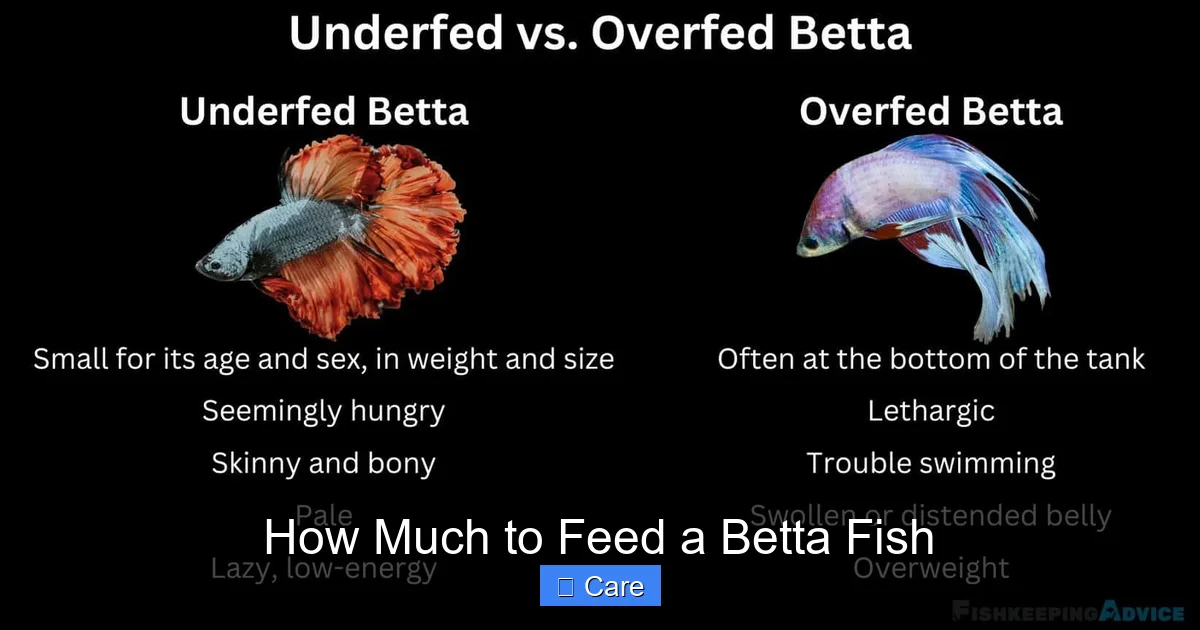
So what happens when you overfeed? First, the immediate digestive burden. Food sits in that tiny stomach, fermenting. This directly leads to constipation, a common ailment where the betta becomes bloated, lethargic, and may develop a “pinecone” appearance due to raised scales. Constipation is uncomfortable and stressful. Worse, the pressure from a full, constipated gut can press against the delicate swim bladder, a gas-filled organ that helps the fish maintain buoyancy. This causes swim bladder disease, where your betta may float uncontrollably, sink and struggle to rise, or swim erratically upside-down. These conditions are stressful, painful, and can become fatal if not addressed through fasting and treatment.
The second, and equally dangerous, consequence is water pollution. Any food not consumed within 2-3 minutes will begin to break down. Betta pellets are formulated to hold their shape, but they will eventually soften and dissolve. This decaying organic matter is a feast for bacteria, causing a rapid spike in ammonia and nitrite levels—the primary toxins in the nitrogen cycle. Even in a cycled tank, this ammonia spike from overfeeding can overwhelm the beneficial bacteria, leading to toxic water conditions that burn your betta’s gills, stress its immune system, and invite disease. You are literally poisoning your fish with kindness.
Decoding “How Much”: The Practical Portion Guide
Now that we understand the “why” behind small portions, let’s get concrete on the “how much.” The answer depends slightly on the food type, but the principle remains constant: the total volume should not exceed that eyeball-sized stomach.
Visual guide about How Much to Feed a Betta Fish
Image source: m.media-amazon.com
For Premium Betta Pellets (The Staple)
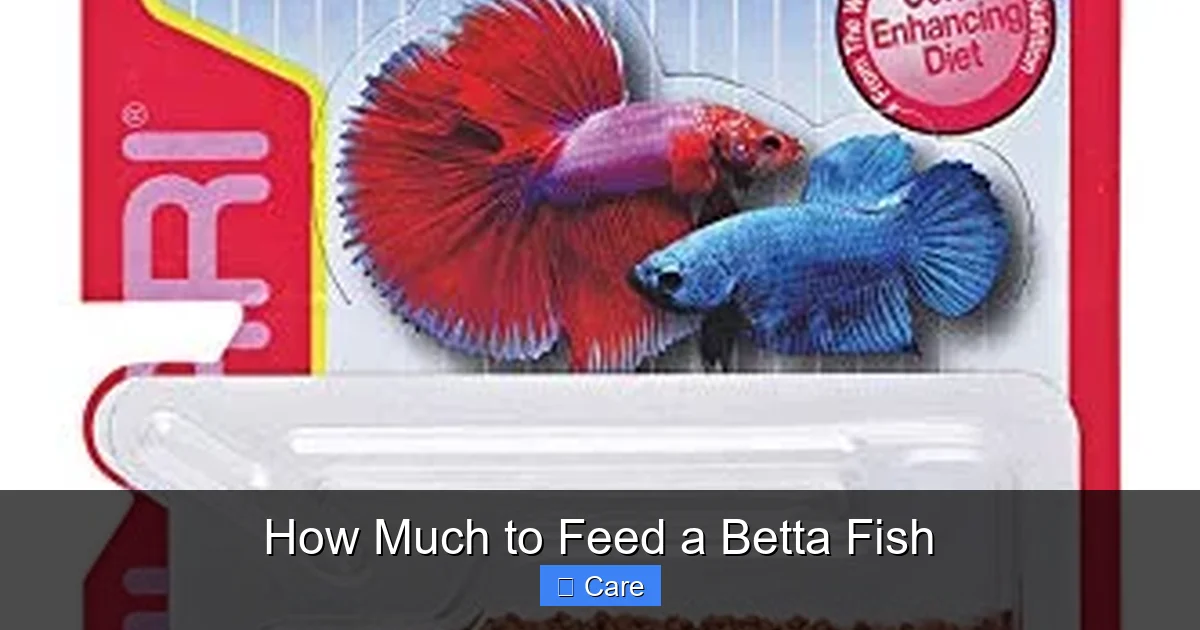
High-quality betta pellets are formulated to be nutritionally complete and to float or sink slowly, matching your betta’s natural surface-feeding behavior. The standard recommendation is 2-3 pellets per meal for a full-grown adult betta (over 6 months old). For a younger, growing betta (a “baby” or “fry”), you might start with 1-2 slightly crushed pellets. The key is to select a pellet size appropriate for your fish’s mouth. Some brands offer “micro” or “nano” pellets that are perfect for smaller bettas or those with delicate mouths. Always check the manufacturer’s feeding guide on the container as a starting point, but use your own judgment based on your fish’s size.
Practical Tip: Use a dedicated, dry spoon or the cap of the food container to measure out your pellets. Never pour directly from the container into the tank, as moisture can cause the remaining pellets to clump and spoil. This measured approach prevents accidental overfeeding.
For Frozen Foods (The Protein Boost)
Frozen foods like brine shrimp, daphnia, bloodworms, or mysis shrimp are excellent supplements. They are closer to a betta’s natural diet and provide high-quality protein. However, they must be used correctly. A “pinch” is the common term—think a small cluster of shrimp, about the size of a pea, for a single meal. Thaw frozen food in a cup of tank water first, then use a pipette or turkey baster to suck up and dispense a small amount. This allows you to control the portion precisely and remove any excess easily. Feed frozen foods no more than 2-3 times a week as a supplement to pellets, not as a daily staple.
For Live Foods (The Occasional Treat)
Live foods like microworms or small crickets are the ultimate stimulant for a betta’s hunting instincts. They are nutritionally excellent but carry a risk of introducing parasites or bacteria to your tank if not sourced safely. If you choose to use live food, the portion is even smaller—a few worms or one very small insect per meal. Due to the risks, many experienced keepers recommend frozen foods as a safer, equally nutritious alternative.
The “Eyeball Test” and Visual Cues
If you’re unsure, use the eyeball test: the total volume of food should not be larger than your betta’s eye. Another great method is to observe your betta’s body shape. A healthy, well-fed betta should have a smooth, streamlined profile. You should not be able to see a pronounced, rounded belly from above. A slight curvature is normal after a meal, but a persistent, firm, or distended belly is a clear sign of overfeeding.
Mastering the Schedule: When and How Often to Feed
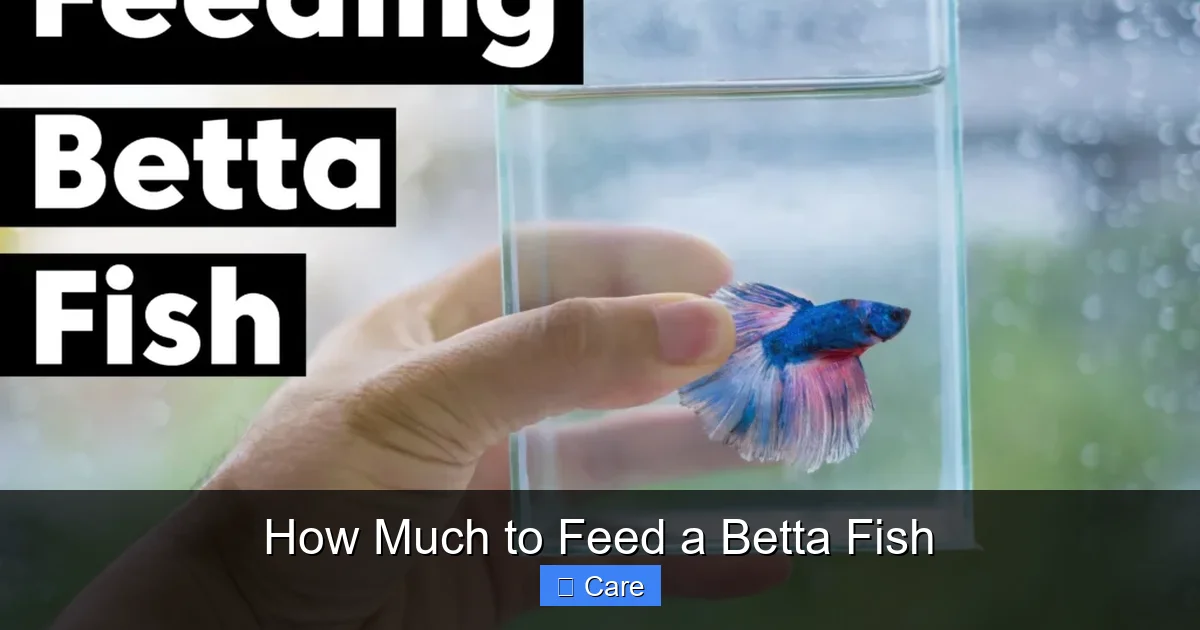
Timing is just as important as quantity. Bettas are diurnal, meaning they are most active during the day. Feeding once in the morning and once in the evening, about 12 hours apart, mimics a natural pattern and keeps your fish’s metabolism active. However, for most adult bettas, once-a-day feeding is perfectly sufficient and many keepers find it easier to manage and reduces the risk of accidental overfeeding.
Visual guide about How Much to Feed a Betta Fish
Image source: fishtanksetups.com
The Juvenile Exception
Baby bettas, or fry, have much higher energy demands for growth. They require 2-3 small meals per day of appropriately sized food, such as infusoria, microworms, or newly hatched brine shrimp, progressing to crushed high-quality pellets as they grow. Their tiny stomachs still require small, frequent meals, but the total daily intake is proportionally higher relative to their body size than for an adult.
The Power of the Weekly Fast
Incorporating a 24-hour fast into your betta’s routine is one of the most beneficial things you can do for its long-term health. Choose one day a week—often the day after a larger meal or simply a convenient day for you—where you provide no food at all. This serves several crucial purposes: it gives the digestive system a complete rest, helps clear out any potential blockages, and can stimulate appetite. It’s a natural reset. Your betta will not starve in a single day; in fact, this practice aligns with how their wild cousins might experience periods without food. It is not cruel; it is a vital component of preventative health care.
Establishing a Routine
Bettas are intelligent and become accustomed to routines. Feed at roughly the same times each day. This predictability reduces stress, as your fish will learn when to expect food and can focus its energy on other activities. Try to avoid feeding right before you turn off the lights for the night, as the fish may not have time to digest before resting. An evening meal 2-3 hours before the tank lights go out is ideal.
Food Choices: Building the Perfect Betta Diet
Not all fish food is created equal, and for a carnivore like the betta, choosing the right staples is paramount. A poor diet directly contributes to poor health, faded colors, and a weakened immune system.
Visual guide about How Much to Feed a Betta Fish
Image source: m.media-amazon.com
The Staple: High-Quality Betta Pellets
Your betta’s primary diet should consist of a premium, betta-specific pellet. Why betta-specific? These pellets are formulated with a high protein content (aim for 40% or more on the crude protein analysis), low carbohydrate fillers, and added vitamins and minerals like spirulina and beta-carotene to enhance color. They are also sized correctly for a betta’s small mouth. Avoid generic “tropical fish” flakes or pellets, which are often plant-based fillers with insufficient protein for a carnivore. Read the ingredient list—the first few ingredients should be whole fish or shrimp meals, not wheat flour or soybean meal.
Brand Consideration: Well-regarded brands include New Life Spectrum OPTI-Betta, Hikari Betta Bio-Gold, and Fluval Bug Bites (which uses insect protein). These are more expensive than basic foods, but you use so little per feeding that a container lasts a long time, and the health benefits are immense.
The Supplement: Frozen & Freeze-Dried Foods
To provide dietary variety and mental stimulation, supplement the staple pellet diet 2-4 times a week with a high-quality frozen food. The best options are:
- Brine Shrimp (Artemia): The gold standard. Easy to digest, high in protein, and their exoskeleton provides roughage to aid digestion and prevent constipation.
- Daphnia: Often called “water fleas,” these are fantastic for their mild laxative effect, helping to keep the digestive tract clear.
- Bloodworms: A favorite, but use sparingly. They are very rich and can cause constipation if fed too frequently. Treat them as a “treat” rather than a regular supplement.
- Mysis Shrimp: Another excellent, nutrient-dense option with a good balance of protein and fats.
Always thaw frozen foods in a cup of tank water (never under warm tap water, which can cook the nutrients) and rinse if they come in a salty brine. Freeze-dried versions are convenient but should be soaked in tank water first to rehydrate and prevent digestive issues.
The Rare Treat: Live Foods
As mentioned, live foods offer incredible enrichment. If you have a trusted, parasite-free source (like a home-grown culture of microworms or vinegar eels), they can be a phenomenal addition. However, for most hobbyists, the risks of introducing pathogens outweigh the benefits when high-quality frozen options are so readily available and safe.
What to AVOID
Several common foods should be strictly avoided:
- Bettas are NOT herbivores. Do not feed peas (a common “cure” for constipation in other fish like goldfish) as a first resort. While a *tiny* piece of skinned, cooked pea *might* be used as a last-resort laxative for a constipated betta, it is not a appropriate regular food and can cause more harm than good due to indigestible cellulose.
- Bread or Crackers: These expand in the stomach and are full of yeast and carbohydrates. Absolutely forbidden.
- Earthworms or Large Insects: Too large, can carry pesticides or parasites, and are difficult to digest.
- Generic “Tropical” Flakes: As stated, these are almost always inappropriate for a strict carnivore.
Common Feeding Mistakes and How to Fix Them
Even with the best intentions, mistakes happen. Recognizing and correcting them quickly is key to your betta’s wellbeing.
Mistake 1: The “Just One More Pellet” Syndrome
Your betta looks at you with those big, pleading eyes. You’ve already given the 2 pellets, but it seems so hungry. You add one more. This is the most frequent error. Solution: Trust the guidelines, not the plea. Your betta is not starving. If you are concerned it is truly underweight (you can see a pronounced, bony ridge along its back and a very skinny abdomen), first rule out disease like parasites. Then, very gradually increase to 3-4 pellets *once* a day, monitoring for bloating. But for 95% of bettas, 2-3 pellets is perfect.
Mistake 2: Letting Food Linger
You drop pellets in, your betta eats some, and you leave the tank for a while. When you return, the remaining pellets are still there, slowly softening. This is a major water quality issue. Solution: Use a net or a gravel vacuum (siphon) to remove any uneaten food within 2-3 minutes of feeding. This is non-negotiable. It takes ten seconds and saves your filter and your fish from toxic overload.
Mistake 3: Inconsistent Diet and Over-Reliance on One Food
Feeding the same pellets every single day, forever, can lead to nutritional gaps. Solution: Rotate your supplements. One day give a few frozen brine shrimp, another day a couple of frozen daphnia. This provides a broader spectrum of nutrients and keeps your betta interested in its food.
Mistake 4: Feeding Too Much, Too Often
Feeding 4-5 times a day, even with small portions, keeps the digestive system constantly active and increases the cumulative waste load on the tank. Solution: Stick to 1-2 feedings per day for adults. Consistency and predictability are more important than frequent, tiny meals.
Mistake 5: Ignoring Signs of Digestive Distress
If your betta becomes bloated, constipated, or exhibits swim bladder issues, the first suspect is overfeeding or the wrong food. Solution: Implement a fast. Stop all feeding for 3-5 days. This allows the gut to clear completely. During this time, ensure water quality is pristine with a partial water change. After the fast, resume feeding with a small portion of easily digestible food like daphnia or a daphnia-based frozen food. Do not jump straight back to pellets.
The Vital Connection: Feeding and Water Quality
You cannot discuss feeding without discussing water quality. They are two sides of the same coin. The single most important thing you can do for your betta’s health, beyond correct feeding portions, is to maintain excellent water conditions. A properly cycled tank (with established beneficial bacteria) is the baseline. But feeding directly impacts this.
Every molecule of uneaten food and every bit of waste (betta poop is surprisingly large relative to their size) is organic matter. Bacteria consume this matter and produce ammonia (NH3/NH4+). In a cycled tank, another type of bacteria (Nitrosomonas) converts ammonia to nitrite (NO2-), which is also toxic. Then, a third bacteria (Nitrospira) converts nitrite to nitrate (NO3-), which is far less toxic but still needs to be managed through water changes. Overfeeding dumps a massive, sudden load of organic material into this cycle. It can cause an ammonia spike that kills beneficial bacteria (setting back your cycle) and poisons your fish. It leads to cloudy water (bacterial bloom) and slimy, foul-smelling surfaces.
Therefore, your feeding protocol must include water management:
- Feed only what will be consumed in 2-3 minutes.
- Always remove all uneaten food immediately after that window.
- Perform regular partial water changes (25-50% weekly for a filtered tank, more frequent for a unfiltered bowl) to dilute nitrate and remove any dissolved waste.
- Use a gravel vacuum during water changes to suck out detritus and waste trapped in the substrate.
- Test your water regularly with a liquid test kit (not strips) for ammonia, nitrite, and nitrate. After any suspected overfeeding incident, test immediately.
Remember: a clean tank is a healthy tank. Your feeding habits are the primary control you have over the pollution load in that tank. Be a diligent gatekeeper.
Conclusion: The Simple Path to a Thriving Betta
When you break it down, caring for a betta’s dietary needs is remarkably straightforward. It’s not about complicated measurements or expensive gadgets. It’s about understanding their biology—that tiny, carnivorous stomach—and respecting it. It’s about choosing the right food, measuring a portion no larger than their eye, feeding once or twice a day, and being ruthless about removing leftovers. It’s about incorporating a weekly fast and rotating quality supplements.
This simple, disciplined approach to how much to feed a betta fish is the single greatest lever you have to influence its health, vibrancy, and lifespan. You will see the results in a fish with brilliant, saturated colors, energetic and curious behavior, a clean and streamlined body, and a tank with crystal-clear water. It transforms feeding from a moment of potential stress (for you and your fish) into a confident, fulfilling part of your daily routine. You are not just putting food in a tank; you are proactively managing the health and environment of a living creature. Start with the eyeball rule today, and watch your betta flourish.
Frequently Asked Questions
How can I tell if I’m feeding my betta enough?
A well-fed betta has a smooth, streamlined body without a visible, rounded belly. It should be active, alert, and display vibrant colors. If you see a consistently thin, bony appearance with a concave abdomen, you may be underfeeding. However, true starvation is rare; more often, a thin betta is suffering from an internal parasite or other illness that prevents nutrient absorption.
My betta always seems hungry and begs at the glass. Is it starving?
Almost certainly not. This is a learned behavior. Bettas are intelligent and quickly associate your presence with food. They may “beg” out of curiosity or anticipation, not genuine hunger. Stick to your measured feeding schedule and ignore the pleas. Overfeeding due to this begging is the most common mistake owners make.
Can I feed my betta once a day instead of twice?
Yes, absolutely. For adult bettas, once-daily feeding is perfectly adequate and is often preferred by keepers as it simplifies the routine and reduces the chance of accidental overfeeding. Juveniles and growing fry benefit from 2-3 small meals per day.
What is the best thing to do if my betta becomes constipated or has swim bladder issues?
The first and most important step is to fast your betta for 3-5 days. This allows the digestive system to clear completely. Ensure water quality is excellent with a partial water change. After the fast, offer a small amount of easily digestible food like daphnia or a daphnia-based frozen food. If the problem persists after a second fast, internal parasites or a genetic swim bladder issue may be the cause, requiring consultation with an aquatic vet.
Is it okay to use generic tropical fish flakes for my betta?
It’s not recommended. Most generic flakes are plant-based fillers with low protein content, formulated for omnivorous or herbivorous fish. Bettas require a diet high in animal protein (40%+). Floats flakes also tend to dissolve quickly, fouling the water. Stick to a high-quality, betta-specific pellet as your staple.
My betta spits out its pellets. What should I do?
This can be normal. Bettas sometimes take food, chew it, and spit it out, especially if the pellet is too large or hard for their mouth. Try a smaller “micro” pellet brand. You can also try soaking the pellet in tank water for 30 seconds to soften it before offering. If the behavior is persistent and your betta is losing weight, there could be an issue with its teeth or mouth, or it may simply be a picky eater—try offering a different brand or a frozen food like brine shrimp to stimulate appetite.