What Temp for Betta Fish
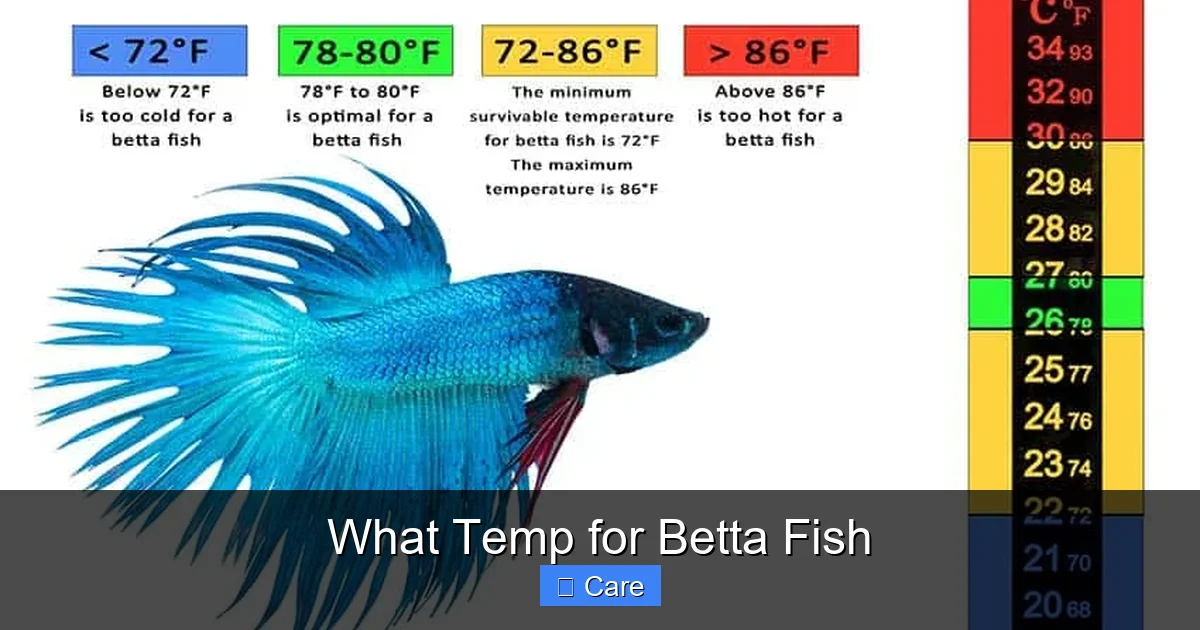
Betta fish thrive best in warm water, typically between 76°F and 82°F (24°C‑28°C). Maintaining a stable temperature prevents stress, disease, and promotes brilliant coloration. Use a reliable heater, monitor with a quality thermometer, and adjust for seasonal changes to give your betta a comfortable, happy home.
Key Takeaways
- Optimal range: 76‑82°F (24‑28°C) is the sweet spot for most bettas.
- Stable temperature: Fluctuations of more than 2°F can cause stress and illness.
- Heater choice: Submersible, adjustable heaters with built‑in thermostats work best.
- Thermometer placement: Keep it in a spot where water circulates for an accurate reading.
- Seasonal adjustments: Lower room heating in winter, avoid direct sunlight in summer.
- Backup plan: A battery‑operated heater or insulated tank can save lives during power outages.
- Signs of wrong temp: Lethargy, faded colors, rapid breathing, or hanging at the surface indicate temperature issues.
📑 Table of Contents
- Introduction: Why Temperature Matters for Betta Fish
- 1. The Ideal Temperature Range
- 2. Choosing the Right Heater
- 3. Monitoring Temperature Accurately
- 4. Seasonal and Environmental Factors
- 5. Signs Your Betta Is Uncomfortable
- 6. Advanced Tips for Temperature Mastery
- Conclusion: Keep It Warm, Keep It Stable
Introduction: Why Temperature Matters for Betta Fish
When you first bring home a betta, the most exciting part is watching those bright fins flare out. But behind the beauty lies a simple truth: bettas are tropical fish. They evolved in warm, calm waters of Southeast Asia, and their bodies are tuned to a narrow temperature window. If the water gets too cold, their metabolism slows, their immune system weakens, and they become sluggish. If it gets too hot, they can overheat, gasp for oxygen, and become prone to bacterial blooms.
In this guide we’ll answer the question “what temp for betta fish?” in depth. You’ll learn the exact temperature range, how to keep it steady, what equipment to use, and how to spot problems before they become emergencies. Think of this as a friendly chat over a cup of tea, with plenty of practical tips you can start using today.
1. The Ideal Temperature Range
What the experts recommend
Most reputable sources, including the Betta Fish Club of America and leading aquarium manufacturers, agree on a target range of 76°F to 82°F (24°C‑28°C)**. Within this band, bettas show their best coloration, active behavior, and robust health.
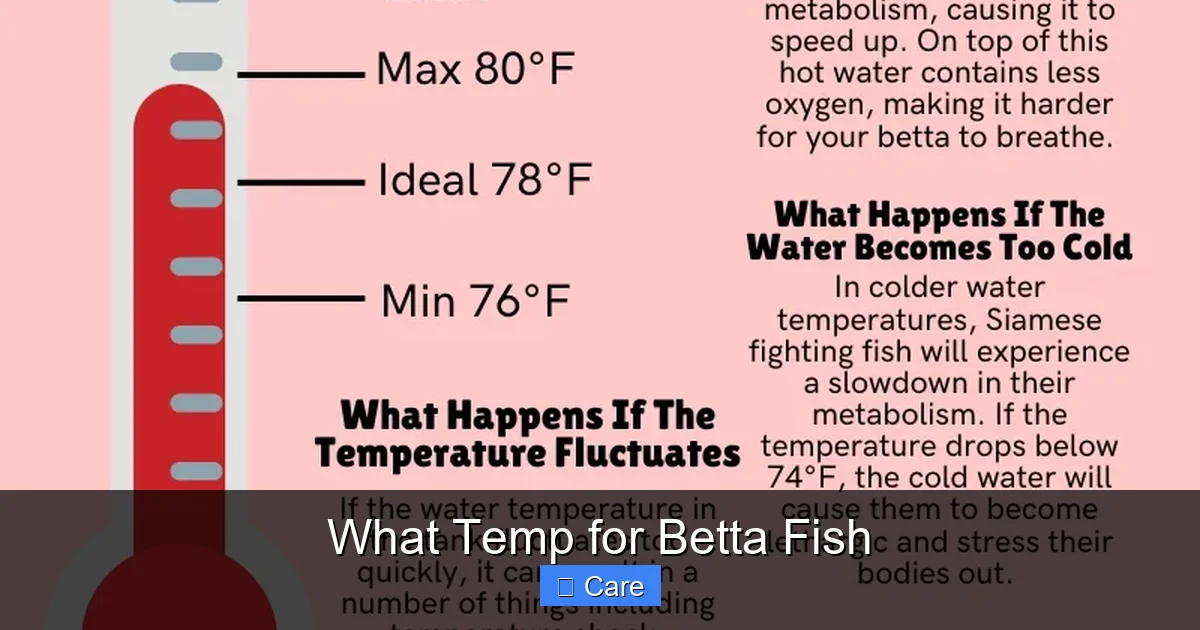
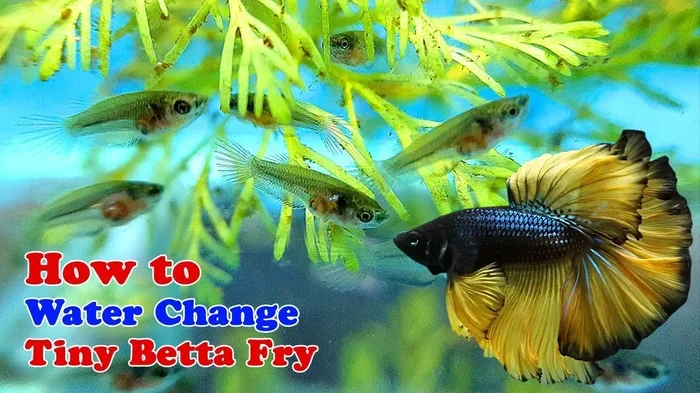
Visual guide about What Temp for Betta Fish
Image source: bettacarefishguide.com
Why that range works
- Metabolic balance: Enzymes that drive digestion and energy production work fastest at 78‑80°F.
- Oxygen solubility: Warm water holds less oxygen, but bettas have a labyrinth organ that lets them breathe air from the surface. Keeping the water at the right warmth prevents them from over‑using this organ.
- Immune function: A stable, warm environment supports the fish’s natural defenses against common pathogens like Ich and fin rot.
Temperature variations by age and breed
Young fry are more sensitive and benefit from the higher end of the range (80‑82°F). Long‑fin or “veiltail” varieties can tolerate slightly cooler water (76‑78°F) as long as the temperature stays steady.
2. Choosing the Right Heater
Types of heaters
- Submersible heaters: Fully waterproof, sit at the bottom, and are the most common for betta tanks.
- Immersion heaters: Hang from the tank wall; good for larger setups but can create hot spots.
- Inline heaters: Installed in the filter line; ideal for heavily stocked community tanks, less common for single bettas.
How to select the proper wattage
A good rule of thumb is 3‑5 watts per gallon. For a typical 2‑5‑gallon betta tank, a 25‑watt heater is more than enough. Over‑powered heaters can cause rapid temperature spikes, which are dangerous.
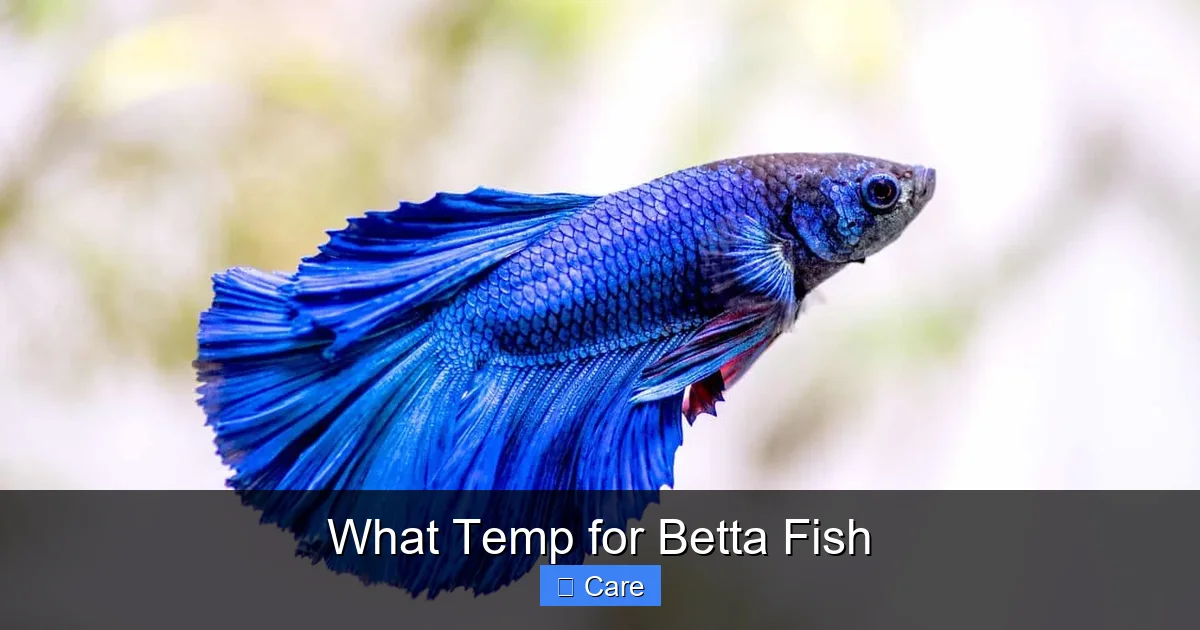
Visual guide about What Temp for Betta Fish
Image source: tankofish.com
Features to look for
- Adjustable thermostat: Allows you to set the exact temperature.
- Built‑in safety shut‑off: Prevents overheating if the heater runs dry.
- Transparent housing: Lets you see if the heater is fully submerged.
Installation tips
- Rinse the heater in dechlorinated water.
- Place it near a water flow source (like a gentle filter) for even heat distribution.
- Turn it on and let the tank sit for at least 24 hours before adding the fish.
- Check the temperature with a separate thermometer to confirm accuracy.
3. Monitoring Temperature Accurately
Thermometers: digital vs. glass
Digital stick‑on or floating thermometers give quick readings but need battery changes. Glass thermometers are cheap and reliable but can be slower to react. Many hobbyists use both—a digital for daily checks and a glass as a backup.
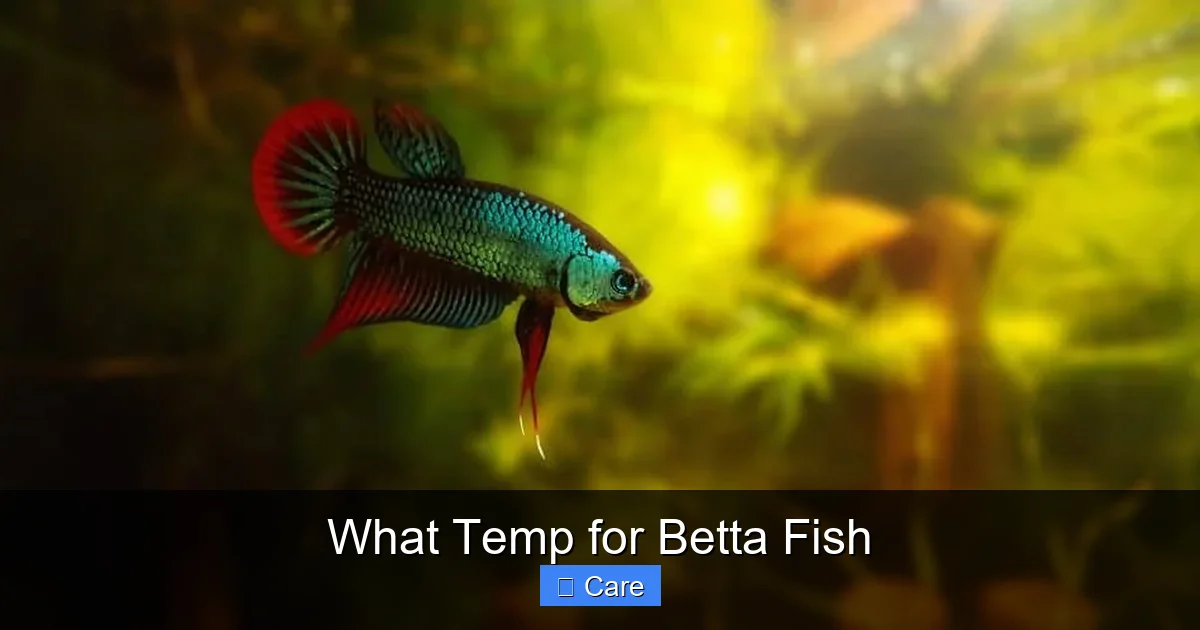
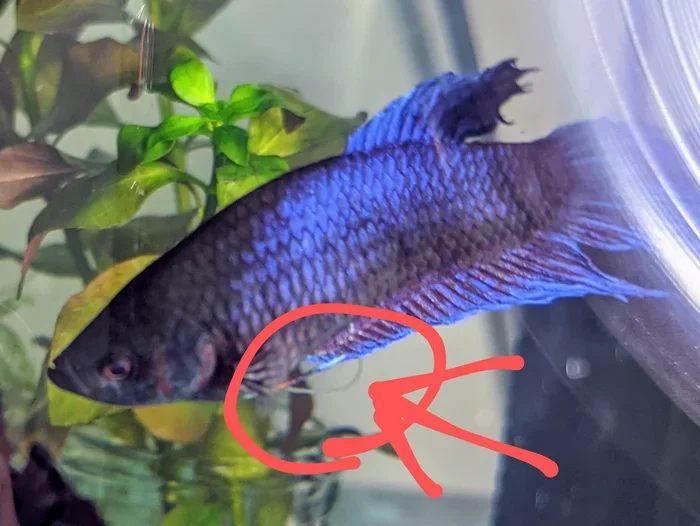
Visual guide about What Temp for Betta Fish
Image source: bettasource.com
Where to place the thermometer
Put the thermometer in a spot where water circulates, typically near the filter outlet or heater. Avoid corners where warm or cool pockets can form.
How often to check
- Daily: Quick visual check of the digital readout.
- Weekly: Compare digital and glass readings to catch drift.
- During power outages: Monitor every few hours.
Dealing with temperature drift
If you notice a steady rise or drop of more than 1°F per day, adjust the heater dial in small increments (½°F). Give the system 12‑24 hours to stabilize before re‑checking.
4. Seasonal and Environmental Factors
Winter cooling
Room heating can drop the aquarium temperature by several degrees. Wrap the tank in a neoprene sleeve or place it on an insulated stand. A small ceramic heater beneath the tank can also help.
Summer overheating
Direct sunlight and warm ambient rooms can push water above 82°F. Move the tank away from windows, use a reflective backdrop, or add a small fan to increase surface evaporation (which cools the water).
Power outage preparedness
Power failures are the biggest temperature threat. Keep a battery‑operated heater or a portable power bank on hand. For short outages, covering the tank with a blanket retains heat.
5. Signs Your Betta Is Uncomfortable
Behavioral clues
- Lethargy: Stays at the bottom or hides for long periods.
- Rapid surface breathing: Indicates low oxygen or high temperature.
- Faded colors: Stress often causes pigments to dull.
- Erratic swimming: Darting or loss of balance can signal temperature shock.
Physical symptoms
Look for stretched-out fins, white spots, or a bloated abdomen. While these can be disease signs, they often appear when the fish is stressed by improper temperature.
Quick corrective actions
- Check the thermometer immediately.
- If too cold, raise heater by 1°F and add a warm water bath (slowly).
- If too hot, turn heater down, add a small ice pack wrapped in a towel to the side of the tank (never directly in water).
- Observe the fish for 30 minutes; if symptoms persist, consider a water change to improve oxygen levels.
6. Advanced Tips for Temperature Mastery
Using a thermostat controller
For the tech‑savvy, a digital thermostat can automate heater adjustments. It reads the water temperature and turns the heater on/off to keep the set point within ±0.5°F.
Creating a stable micro‑environment
Adding live plants not only beautifies the tank but also helps buffer temperature swings. Plants release oxygen and can absorb excess heat during the day.
Regular maintenance
Clean the heater’s surface monthly to remove algae buildup, which can insulate the unit and cause uneven heating. Also, replace old heaters every 2‑3 years as their accuracy degrades.
Conclusion: Keep It Warm, Keep It Stable
Answering “what temp for betta fish?” is straightforward: aim for a consistent 76‑82°F (24‑28°C). The secret isn’t just hitting that number—it’s maintaining it day after day, season after season. With a reliable heater, a good thermometer, and a few simple habits, you’ll give your betta a comfortable home where its colors stay vibrant and its spirit stays lively. Remember, a stable temperature is the foundation for all other aspects of betta care, from feeding to disease prevention. Keep it warm, keep it steady, and enjoy watching your finned friend thrive.
Frequently Asked Questions
What temperature range is safest for a betta fish?
The safest range is 76°F to 82°F (24°C‑28°C). Staying within this band keeps metabolism, immune function, and color at their best.
Can a betta survive in water colder than 70°F?
Betas can survive short periods near 70°F, but prolonged exposure leads to lethargy, weakened immunity, and increased risk of disease.
Do bettas need a heater in a heated room?
Even in a heated room, water can drop below the ideal range, especially at night. A small submersible heater ensures a stable temperature.
How often should I check my betta’s water temperature?
Check daily with a digital thermometer and verify weekly with a glass thermometer. During seasonal changes or power outages, monitor more frequently.
What are the signs of temperature stress in bettas?
Signs include sluggish swimming, rapid surface breathing, faded colors, and hanging at the top of the tank.
Is a battery‑operated heater worth buying?
Yes, a battery‑operated heater provides a safety net during power outages, protecting your betta from rapid temperature drops.