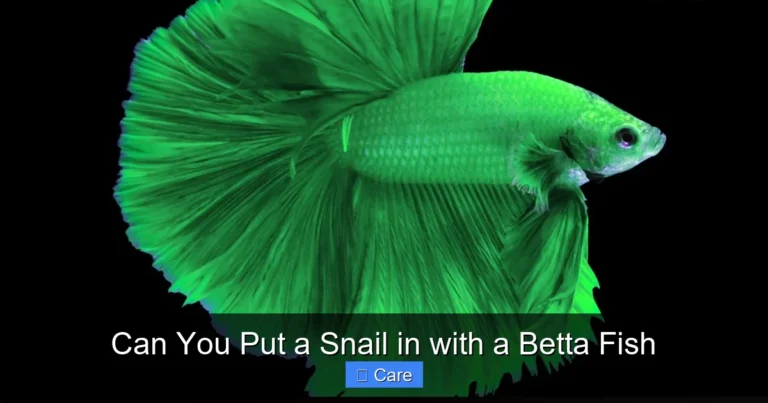
Can Male Betta Fish Live Together

Male bettas are famously territorial, but under the right conditions they can coexist peacefully. This guide explains when it’s possible, how to set up the tank, and what signs to watch for, so you can keep your finned friends happy and healthy.
Key Takeaways
- Territorial nature: Male bettas naturally defend their space, making cohabitation risky without proper planning.
- Tank size matters: A minimum of 20 gallons per male provides enough room to establish separate territories.
- Dividers are a safe start: Acrylic or mesh partitions let you test compatibility before full removal.
- Choose the right tank mates: Peaceful, non‑fin‑nipping species reduce stress and keep aggression low.
- Monitor behavior daily: Early signs of stress—gasping, faded colors, or constant flaring—mean it’s time to separate.
- Water quality is crucial: Clean, stable parameters keep fish immune to stress‑related disease.
- Know the alternatives: If co‑habitation fails, consider a single‑male display tank or a community tank with females only.
📑 Table of Contents
- Introduction: The Myth of the Lone Warrior
- Understanding Male Betta Behavior
- When Can Male Betta Fish Live Together?
- Setting Up a Community Tank for Multiple Males
- Monitoring Health and Behavior
- Alternatives to Male‑Only Cohabitation
- Step‑by‑Step Guide to Trying Two Males Together
- Conclusion: A Balanced Decision
Introduction: The Myth of the Lone Warrior
When most people think of betta fish, they picture a solitary gladiator flashing its brilliant fins at any intruder. That image isn’t wrong—male bettas are fiercely territorial, especially during breeding season. Yet many hobbyists wonder, “can male betta fish live together?” The short answer is “yes, but only under very specific conditions.”
In this article we’ll walk through the science behind male betta aggression, the tank setups that give them a fighting chance, and the practical steps you can take to keep peace. By the end, you’ll know exactly when to try a shared tank and when to give each male his own palace.
Understanding Male Betta Behavior
The Evolutionary Drive to Defend
Male bettas (Betta splendens) evolved in the shallow rice paddies of Thailand, where water bodies are small and resources scarce. In the wild, a male must claim a territory, build a bubble nest, and protect it from rivals. This instinct translates to a modern aquarium: any other male seen as a threat can trigger a full‑body flare, gill flaring, and even a deadly bite.

Visual guide about Can Male Betta Fish Live Together
Image source: pickedbyfish.com
What Triggers Aggression?
- Visual contact: Direct line‑of‑sight with another male is the biggest spark.
- Similar coloration: Brightly colored males often view each other as equal competitors.
- Limited space: Small tanks force fish into close quarters, amplifying stress.
- Poor water quality: Ammonia spikes or low oxygen make fish irritable.
Knowing these triggers helps you design a tank that reduces the chance of a showdown.
When Can Male Betta Fish Live Together?
Size and Layout Are Key
Most experts agree that a single male betta needs at least 5 gallons to thrive alone. To house two males, you should double that minimum—aim for a 20‑gallon long tank. The extra length allows each fish to claim a distinct “zone” with its own hiding spots and visual barriers.

Visual guide about Can Male Betta Fish Live Together
Image source: fishlab.com
Using Dividers to Test Compatibility
Before removing any barrier, set up a clear acrylic or mesh divider. This lets the fish see each other without the risk of a bite. Watch for the following:
- Flare frequency: A few mild flares are normal curiosity.
- Color fading: If a male’s colors dull quickly, he’s stressed.
- Feeding behavior: A stressed male may ignore food.
If both fish appear calm after 48‑72 hours, you can consider a gradual removal of the divider. Keep a close eye on the first few days after removal—aggression can spike once the visual barrier is gone.
Setting Up a Community Tank for Multiple Males
Tank Décor and Hiding Places
Plants (real or silk), driftwood, and caves create visual breaks. Aim for at least three distinct territories per male. For a 20‑gallon tank with two males, place a tall plant or vertical piece of wood in the middle to act as a natural barrier.

Visual guide about Can Male Betta Fish Live Together
Image source: fishlab.com
Choosing Compatible Tank Mates
While the focus is on male bettas, adding peaceful species can diffuse tension by giving each fish something else to focus on. Good options include:
- Snails (e.g., Nerite)
- Small, fast‑swimming shrimp (e.g., Cherry shrimp)
- Non‑aggressive bottom dwellers like Corydoras catfish
Avoid long‑finned or similarly colored fish that might be mistaken for a rival.
Monitoring Health and Behavior
Daily Checks
Spend a few minutes each day watching the males from the side of the tank. Look for:
- Frequent flaring or chasing
- Loss of color intensity
- Signs of injury—fin tears or torn scales
- Changes in eating habits
If any of these appear, it’s a sign that the cohabitation isn’t working. Be ready to re‑introduce a divider or move one fish to a separate tank.
Water Parameters
Stable water is the foundation of any successful betta setup. Keep the temperature between 76‑82 °F (24‑28 °C), pH 6.5‑7.5, and ammonia/nitrite at 0 ppm. Perform 25‑30 % water changes weekly to keep nitrate below 20 ppm.
Alternatives to Male‑Only Cohabitation
Female‑Only Groups
Females are less aggressive and can live in “sorority” tanks when the group is large enough (at least six). If you’re set on a community feel, consider a mixed‑gender setup with one male and several females—but only if the male is large, calm, and the tank is spacious.
Single‑Male Display Tanks
Many hobbyists simply give each male his own 5‑gallon “showcase” tank. This maximizes the visual impact of their fin displays and eliminates aggression entirely. You can link the tanks with a clear divider to create a multi‑tank display that looks like one big aquarium.
Step‑by‑Step Guide to Trying Two Males Together
- Choose the right tank: 20‑gallon long or larger, with strong filtration.
- Set up a divider: Secure a clear acrylic sheet that reaches the bottom and top of the tank.
- Condition the water: Cycle the tank fully, then test for ammonia, nitrite, nitrate, and pH.
- Add décor: Place plants, caves, and vertical barriers on both sides of the divider.
- Introduce the first male: Let him settle for 48 hours.
- Introduce the second male: Place him on the opposite side, keep the divider in place.
- Observe for 72 hours: Look for calm behavior, occasional curiosity flares, and normal feeding.
- Gradual divider removal: Cut a small slit in the divider each day, watching reactions.
- Full removal: If after a week both fish are still calm, remove the divider completely.
- Monitor closely for the next two weeks: Any escalation means re‑install the divider or re‑home one fish.
Conclusion: A Balanced Decision
So, can male betta fish live together? Yes, but only when you give them enough space, visual barriers, and a well‑maintained environment. Even then, success isn’t guaranteed; each fish has a unique temperament. By following the steps above, you’ll make an informed decision and provide the best chance for a harmonious tank. If aggression persists, remember that a single‑male display tank is a beautiful and stress‑free alternative that still lets you enjoy the splendor of these remarkable fish.
Frequently Asked Questions
Can two male bettas ever share the same tank without a divider?
Only in very large tanks (20 gallons or more) with plenty of hiding spots and visual barriers. Even then, close monitoring is essential.
What are the first signs that male bettas are fighting?
Frequent flaring, chasing, loss of color, torn fins, and refusal to eat are early warning signs of serious aggression.
Is it safer to keep male bettas with female bettas?
Yes, a single male can often coexist with several females in a spacious tank, but the male may still become territorial if his bubble nest is disturbed.
Can I keep other fish with two male bettas?
Peaceful, fast‑swimming species like neon tetras or small rasboras can work, but avoid long‑finned or similarly colored fish that may trigger aggression.
How often should I change the water in a multi‑male betta tank?
Perform 25‑30 % water changes weekly, and test parameters daily during the first month to ensure stability.
What should I do if my male bettas start fighting after the divider is removed?
Re‑install the divider immediately, separate the fish into different tanks, and reassess whether a shared setup is realistic for those individuals.