How Long to Betta Fish Live
The average betta fish lives 2-4 years in captivity, but with optimal care, they can thrive for 5 years or more. Their lifespan is heavily influenced by water quality, diet, tank size, and genetics. Moving your betta from a small bowl to a proper heated and filtered aquarium is the single most important step to significantly extend their life. Understanding their needs and providing consistent, high-quality care is the true secret to maximizing your betta’s years.
You’ve probably seen them: the dazzling, flowing-finned betta fish in tiny cups at the local store. Their vibrant colors and dramatic fins are captivating. But that small cup is a myth, a recipe for a tragically short life. So, how long do betta fish live really? The honest answer might surprise you and change how you care for your own. The common misconception is that bettas are disposable pets with a 1-2 year lifespan. This is false. With proper, informed care, your betta can be a vibrant companion for half a decade or even longer. Their lifespan isn’t a fixed number; it’s a direct reflection of the environment you provide. Think of it like this: a human living in a polluted, stressful city with poor nutrition might have a shorter life than one in a clean, supportive community with good healthcare. The same is true for your betta. This guide will dive deep into the realities of betta fish longevity, moving far beyond the basic “2-3 years” answer. We’ll explore the science, the common pitfalls, and the actionable, everyday steps you can take to ensure your Siamese fighting fish doesn’t just survive, but thrives, for as long as possible.
Key Takeaways
- Average Lifespan: A well-cared-for betta fish typically lives 3-5 years, with many reaching 5+ years under pristine conditions.
- Genetics Play a Role: A betta’s lineage and initial health from the store or breeder set the baseline for its potential lifespan.
- Tank Size is Critical: A minimum of 5 gallons is non-negotiable for a healthy, long-lived betta; smaller containers severely shorten their life.
- Water Quality is #1: Stable, warm water (78-80°F) with zero ammonia/nitrite and low nitrates, maintained via a filter and regular water changes, is essential.
- Diet Impacts Longevity: A varied, high-protein diet of quality pellets, frozen foods, and occasional live foods prevents obesity and disease.
- Stress is the Silent Killer: Minimizing stressors like poor water, aggressive tankmates, loud noises, and sudden temperature changes directly adds years to their life.
- Observation is Key: Daily checks for changes in behavior, appetite, or appearance allow for early detection and treatment of health issues.
📑 Table of Contents
Understanding the Real Betta Fish Lifespan
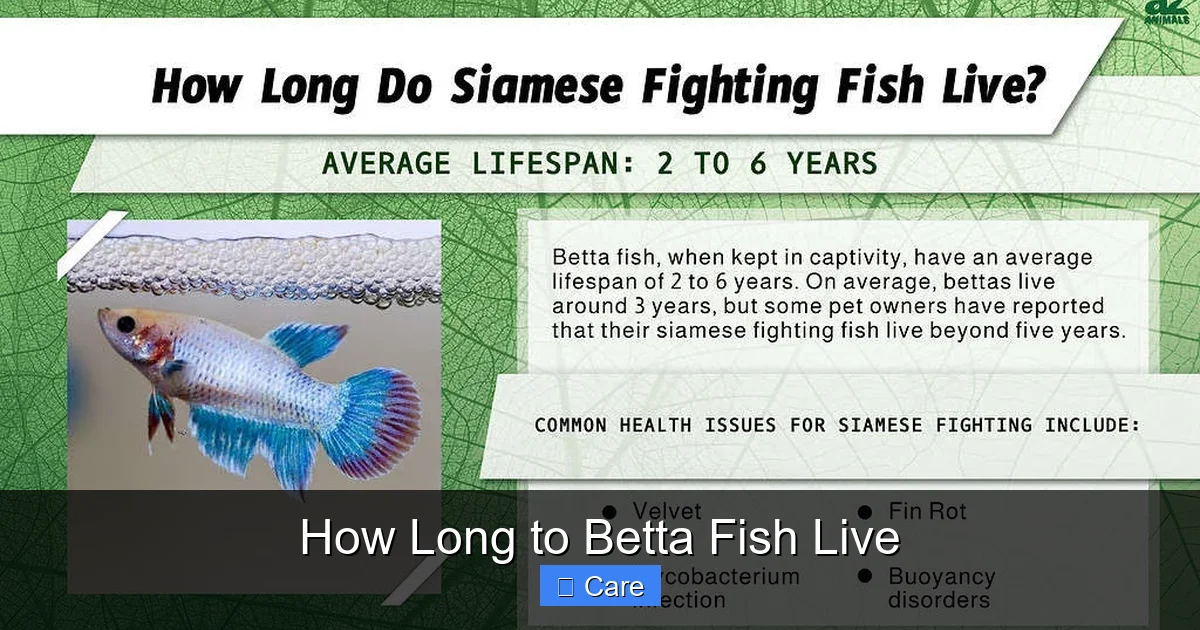
To set the record straight, let’s start with the facts. The average betta fish lifespan in a suboptimal setup—like a small, unheated bowl—is indeed a mere 1 to 3 years. This is the tragic norm perpetuated by misinformation. However, when we look at bettas in environments that meet their biological needs, the story changes dramatically. In a properly cycled, heated, and filtered tank of at least 5 gallons, with a consistent feeding and maintenance routine, a betta’s average lifespan extends to 3 to 5 years. And it’s not unheard of for dedicated owners to see their bettas live 6, 7, or even 8 years. These aren’t mythical outliers; they are the result of meticulous, knowledgeable care. The key takeaway is this: how long your betta lives is almost entirely in your hands. You control the variables that determine whether they live a short, stressed life or a long, healthy one.
The Wild vs. Captivity Lifespan Gap
Interestingly, wild bettas (Betta splendens) have a different, often shorter, life expectancy. In their native Southeast Asian rice paddies and shallow streams, they face predators, territorial fights, disease, and drastic environmental changes like monsoons and droughts. Their lifespan in the wild is typically 1-2 years. Domestication has, in some ways, made them more robust but also more reliant on us. The vibrant colors and long fins we adore are products of selective breeding that can sometimes come with genetic trade-offs, like increased susceptibility to certain diseases or physical impairments. Therefore, a captive betta with proper care often outlives its wild counterpart because we can provide a stable, predator-free, and consistently nutritious environment that nature simply cannot guarantee. This highlights our immense responsibility as caretakers.
Core Factors That Determine How Long Your Betta Will Live
Now that we know the potential, let’s break down the critical factors that act as levers on your betta’s lifespan clock. Each one is a piece of the puzzle; neglect one, and the whole structure becomes unstable.

Visual guide about How Long to Betta Fish Live
Image source: cdn.shopify.com
Genetics and Initial Health: The Starting Line
You can’t change your betta’s genetics, but you can choose wisely. The betta you bring home already has a genetic blueprint that influences its hardiness, immune system strength, and predisposition to certain conditions. A betta from a reputable local breeder or a high-quality online seller who focuses on health over extreme finnage will often have a stronger genetic foundation than a mass-produced “factory farm” betta from a big-box store. These mass-produced bettas are often shipped long distances in poor conditions, stressed, and may have latent illnesses. When selecting your betta, look for one that is active, alert, with clear eyes, undamaged fins, and no signs of cotton-like growth (fungus) or white spots (ich). Starting with the healthiest possible individual gives you the best possible running start.
The Unmatched Importance of Tank Size and Environment
This cannot be stressed enough: a betta cannot live happily or healthily in a bowl, vase, or tiny “desk tank.” The myth that they live in puddles in the wild is misleading; while their habitat is shallow, it is also vast, heavily planted, and part of a complex ecosystem. A minimum of 5 gallons is the absolute, non-negotiable standard for a single betta. Why is space so crucial?
- Water Stability: Larger volumes of water dilute toxins (ammonia, nitrite) and resist drastic temperature and pH swings, creating a stable environment.
- Swimming Exercise: Bettas are active, curious fish. They need space to swim, explore, and display natural behaviors. Constraint leads to stress, boredom, and muscle atrophy.
- Thermal Consistency: It’s much harder to maintain a steady 78-80°F temperature in a half-gallon jar than in a 5-gallon tank with a proper heater.
- Enrichment: A larger tank allows for safe decorations—silk plants, caves, logs—that provide hiding spots and mental stimulation, reducing stress.
Forget the “betta in a cup” aesthetic. It’s animal cruelty disguised as convenience. Invest in a real tank from day one.
Water Quality: The Non-Negotiable Foundation
If tank size is the rule, water quality is the law. Bettas are labyrinth fish, meaning they breathe atmospheric air, but they still live and osmoregulate in water. Poor water quality is the number one killer of captive fish, period. Here’s what you must master:
- The Nitrogen Cycle: This is the single most important concept in fishkeeping. You must establish a “cycled” tank before adding your betta. This means growing a colony of beneficial bacteria that convert toxic fish waste (ammonia) into less harmful nitrite, and then into much less harmful nitrate. An uncycled tank is a bowl of slow poison.
- Heater & Temperature: Bettas are tropical fish. They require a consistent water temperature of 78-80°F (25.5-26.5°C). A small, adjustable aquarium heater is mandatory. Cold water slows their metabolism, suppresses their immune system, and makes them susceptible to diseases like dropsy.
- Filtration: A gentle filter is essential to keep the water clean and house the beneficial bacteria. Choose a filter with an adjustable flow, as bettas’ long fins make them poor swimmers in strong currents. A sponge filter is an excellent, gentle option.
- Water Changes: Even with a filter, you must perform weekly water changes of 25-50% to remove nitrate buildup and replenish minerals. Use a water conditioner to dechlorinate tap water and match the temperature of the tank water.
Test your water weekly with a liquid test kit (like API Freshwater Master Test Kit) to ensure ammonia and nitrite are always at 0ppm and nitrates are below 20ppm.
Nutrition: Fuel for a Long Life
You are what you eat, and so is your betta. A poor diet leads to constipation, swim bladder disorder, obesity, and a weakened immune system.
- Staple Diet: High-quality betta-specific pellets or granules should be the base. Look for brands with whole fish or shrimp as the first ingredient. Avoid fillers like wheat and soy.
- Variety is Vital: Feed a small portion (what they can eat in 2-3 minutes) of pellets once or twice a day. Fast one day a week to aid digestion. Supplement 2-3 times a week with high-protein frozen or freeze-dried foods: daphnia, bloodworms, brine shrimp, or mysis shrimp.
- Avoid Overfeeding: This is the most common mistake. Overfeeding fouls the water and causes severe health issues. Their stomachs are roughly the size of their eye.
- Live Food Caution: While live foods are excellent, only source them from reputable suppliers to avoid introducing parasites to your tank.
A varied, high-protein diet that mimics their natural insectivorous tendencies is a cornerstone of longevity.
Common Mistakes That Cut a Betta’s Life Short
Knowing what to do is only half the battle. Avoiding these fatal errors is just as critical for how long your betta fish lives.
Visual guide about How Long to Betta Fish Live
Image source: a-z-animals.com
The “Complete Tank” Fallacy: Adding Fish Too Soon
The excitement of a new tank is real. You set it up, add water, decorations, and maybe even a “betta buddy” the same day. This is a guaranteed path to “new tank syndrome” and dead fish. A new tank is not cycled. It has no beneficial bacteria. You must wait 4-6 weeks after setting up the tank and adding an ammonia source (like fish food or pure ammonia) before the cycle completes and it’s safe for your betta. Use water tests to confirm the cycle is complete (ammonia=0, nitrite=0, nitrate>0). Patience here saves lives.
Ignoring the Signs: Poor Observation
Bettas are expressive. A healthy betta is curious, flares at its reflection, and gracefully patrols its territory. A sick or stressed betta will show clues: lethargy (hiding at the bottom or top), clamped fins, loss of appetite, faded colors, scratching on objects (sign of parasites), or a bloated body. Catching these signs early is the difference between a quick recovery and a fatality. Make it a habit to observe your fish for 5 minutes every day. Know what “normal” looks like so you can spot “abnormal” instantly.
Incompatible Tankmates
The idea of a “betta community” is popular but risky. Male bettas are famously territorial and will attack anything with long, flowing fins (like guppies) or anything that resembles a rival betta (like some male swordtails). Fin-nippers like tiger barbs or serpae tetras will turn a betta’s fins into shredded rags. While female bettas can sometimes be kept in sororities (5+ females in a heavily planted 20+ gallon tank), it’s advanced and risky. For a beginner, the safest, longest-lived betta is a solitary one. If you want tankmates, research extensively. Suitable, peaceful options for a 10+ gallon tank include small, fast schooling fish like ember tetras or harlequin rasboras, and bottom dwellers like Kuhli loaches or Amano shrimp. Always have a backup plan (a separate “hospital” tank) if aggression occurs.
Signs of Aging and What to Expect
Even with perfect care, your betta will age. Recognizing the signs of a senior betta helps you adjust their care and appreciate their golden years.

Visual guide about How Long to Betta Fish Live
Image source: bestfishkeeping.com
Physical Changes in Older Bettas
As your betta approaches 4-5 years, you may notice changes. Their colors might become slightly less vibrant (though a good diet can slow this). Their fins may become a bit shorter or less pristine due to natural wear and tear. They may develop a slight “hump” on their back as their spine ages. Their activity level will decrease; they may spend more time resting on a broad leaf or the bottom of the tank. This is normal geriatric behavior, not necessarily illness. They may also eat less, requiring smaller, more frequent meals.
Adjusting Care for Senior Bettas
For your aging betta, comfort and low stress are paramount.
- Softer Filtration: Ensure the filter flow is very gentle to prevent them from tiring while swimming.
- Easy Access to Food: Place food directly in front of them or use a feeding ring if they are less mobile.
- Maintain Impeccable Water: Their immune system is weaker, so clean water is even more critical. Stick to a strict water change schedule.
- Monitor Closely:
Age-related decline is gradual. A sudden change—like rapid lethargy, loss of buoyancy, or a major appetite drop—is a sign of acute illness and requires immediate attention.
How to Maximize Your Betta’s Lifespan: A Practical Action Plan
Let’s synthesize everything into a simple, actionable checklist you can implement today to give your betta the best shot at a long, healthy life.
The 5-Gallon Minimum Setup Checklist
Your first and most important investment:
- Tank: A 5-gallon glass or acrylic aquarium (never a bowl). A longer tank is better than a tall one, as bettas prefer the surface.
- Heater: A 25-50 watt adjustable aquarium heater with a thermostat. Use a separate thermometer to verify accuracy.
- Filter: A gentle filter (sponge, hang-on-back with baffle, or internal power filter with flow control).
- Light: A simple, low-to-medium intensity light. Avoid constant, harsh light.
- Substrate & Décor: Fine sand or smooth gravel. Provide silk plants (no plastic, which can tear fins), a broad leaf (real or silk) for resting near the surface, and at least one cave or hiding spot.
- Water Conditioner: To make tap water safe.
- Test Kit: A liquid freshwater test kit to monitor cycle parameters.
Set this up, cycle it for 4-6 weeks, and only then introduce your betta using the drip acclimation method to equalize temperature and water chemistry.
Daily, Weekly, and Monthly Care Routine
Daily: Feed 1-2 small meals. Observe your betta for 5 minutes. Check that the heater is on and at the correct temperature.
Weekly: Test water parameters (ammonia, nitrite, nitrate, pH). Perform a 25-50% water change using a gravel vacuum to remove debris. Clean the filter media by rinsing it in the old tank water you just removed (never tap water, which kills beneficial bacteria).
Monthly: Inspect all equipment. Trim any dead plant leaves. Deep clean the glass with an algae pad (never soap!). Review your maintenance logs and water test trends.
The True Answer: It’s Up to You
So, how long do betta fish live? The scientific range is 2-5 years on average, with the potential for 8+ years in exceptional cases. But the real answer is a question: how long will YOU make your betta live? Their lifespan is a direct report card on the quality of care you provide. By moving beyond the myth of the “low-maintenance bowl fish” and embracing the responsibility of providing a spacious, clean, warm, and enriched environment, you transform the betta’s life from a brief, stressful existence into a long, vibrant one. You move from being a casual observer to a dedicated caretaker. That tiny, resilient fish with the big personality is counting on you. The power to grant them years of beauty and activity is in your hands, starting with that first decision to set up a proper tank. Your betta’s journey to a 5-year birthday—or beyond—begins with that single, crucial step.
Frequently Asked Questions
What is the average lifespan of a betta fish in a bowl?
In a small, unheated bowl with no filter, a betta’s lifespan is tragically short, typically only 1-2 years. The poor water quality, temperature stress, and lack of space severely compromise their immune system and overall health.
Can betta fish live with other fish?
It’s possible but risky. Male bettas are highly territorial and often aggressive. They can sometimes coexist with small, fast, non-flashy schooling fish like ember tetras in a large, heavily planted tank (10+ gallons), but there are no guarantees. Female bettas can be kept in sororities with careful planning. For maximum safety and lifespan, a solitary betta in a species-only tank is the best choice.
How often should I change my betta’s water?
With a properly cycled and filtered tank (5+ gallons), you should perform a 25-50% water change once a week. This removes waste products (nitrates) and maintains water quality. Smaller, unfiltered containers require much more frequent changes (sometimes daily), which is why they are not recommended.
What temperature should my betta tank be?
Betta fish are tropical and require a consistent water temperature between 78-80°F (25.5-26.5°C). A reliable aquarium heater with a separate thermometer is essential. Temperatures below 76°F suppress their immune system, while temperatures above 82°F can cause stress and oxygen depletion.
How can I tell if my betta is sick or just old?
Gradual changes like slightly faded colors, reduced activity, or shorter fins are normal with aging. Sudden or severe symptoms—rapid lethargy, clamped fins, loss of appetite, white spots, cotton-like growth, bloating, or swimming upside down—are signs of acute illness (like ich, fin rot, or swim bladder disease) and require immediate treatment.
Do betta fish recognize their owners?
Yes, bettas are intelligent and can learn to recognize the person who feeds them. They will often swim to the front of the tank when they see their owner, anticipating food. They can also be trained to follow a finger or flare at their reflection, showing a level of awareness and interaction beyond many common pet fish.