How to Make a Betta Fish Happy and Thrive
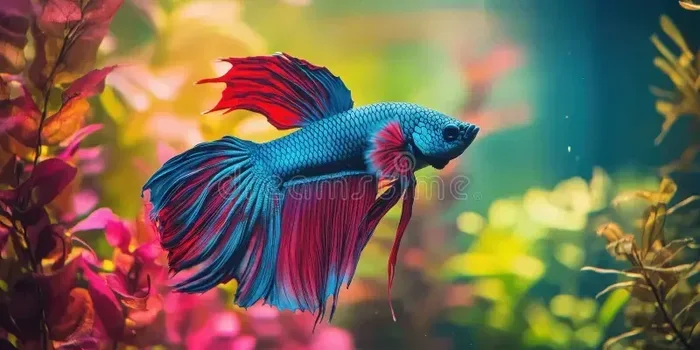
Keeping your betta fish happy starts with the right environment and care. Many owners overlook simple needs that make a huge difference in their fish’s life. By focusing on clean water, proper space, and mental stimulation, you can create a thriving home for your colorful companion. This guide shows you exactly how to make a betta fish happy while avoiding common mistakes that cause stress.
Betta fish are some of the most beautiful pets you can keep at home. Their bright colors and flowing fins make them a favorite for beginners and experienced aquarists alike. But beauty alone does not guarantee a good life. These fish have specific needs that many people miss. When those needs go unmet, your betta can become stressed, sick, or dull.
The good news is that making your betta fish happy is not hard once you know what to do. It comes down to a few simple habits. Clean water, the right temperature, enough space, and a little mental stimulation go a long way. In this guide, we will walk through everything you need to create a joyful home for your betta.
Key Takeaways
- Tank Size Matters: A minimum of 5 gallons gives your betta room to swim and explore comfortably.
- Clean Water Is Essential: Regular water changes and proper filtration keep your fish healthy and stress-free.
- Temperature Control: Maintain water between 78-82°F using a reliable heater for optimal comfort.
- Enrichment Boosts Happiness: Add plants, hiding spots, and gentle stimulation to prevent boredom.
- Proper Feeding: Offer a varied diet with high-quality pellets and occasional treats for better health.
- Watch for Stress Signs: Faded colors, hiding, or lethargy signal that something needs adjustment.
- Gentle Interaction: Betta fish can recognize their owners and enjoy calm, consistent engagement.
📑 Table of Contents
- Understanding What Makes a Betta Fish Happy
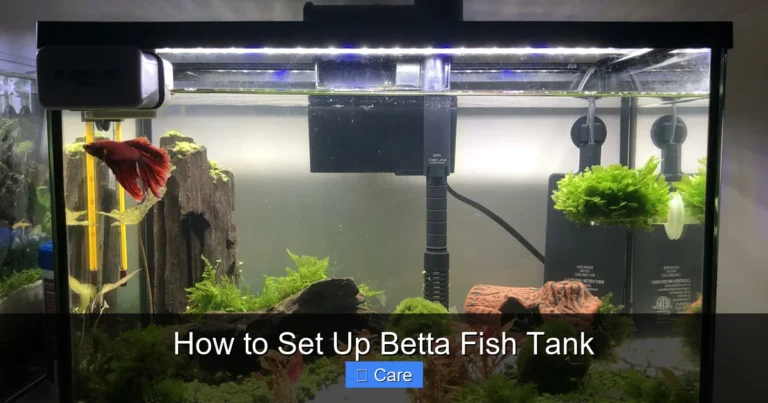
- Creating the Perfect Tank Setup for Happiness
- Feeding Your Betta for Joy and Health
- Enrichment and Mental Stimulation for Bettas
- Maintenance Habits That Keep Your Betta Thriving
- Building a Long-Term Bond With Your Betta
- Quick Tips for a Happy Betta
- Common Mistakes to Avoid
- Expert Insights on Betta Happiness
- Conclusion
Understanding What Makes a Betta Fish Happy
Betta fish are not just decorative pets. They are living creatures with real needs. In the wild, they live in shallow rice paddies and slow-moving streams in Southeast Asia. They have room to explore, plenty of plants to hide in, and warm water that stays steady. Replicating those conditions in your tank is the first step toward a happy fish.
Many people think bettas can live in tiny bowls or vases. That is simply not true. Small spaces cause stress and poor water quality. A stressed fish will not show its true colors. It may also get sick more often. When you give your betta room to swim and a clean environment, you set the stage for a thriving pet.
The Role of Space and Environment
Space is one of the biggest factors in your betta’s well-being. A cramped tank limits movement and builds up waste quickly. Waste leads to harmful ammonia and nitrites. These toxins make water unsafe and cause stress. A larger tank dilutes waste and gives your fish more room to explore.
Plants and decorations also play a big role. Live plants help clean the water and give your betta places to rest. Soft decorations prevent fin tears. Hiding spots reduce stress when your fish wants a break. A well-decorated tank looks better and feels safer for your pet.
If you are wondering whether bettas need a lot of room, you should know that they do appreciate extra space. Our guide on do betta fish like a lot of space explains why bigger tanks lead to happier fish.
Signs of a Happy Betta Fish
How do you know if your betta is doing well? Happy bettas show bright colors and active behavior. They swim around with confidence and explore their tank. Their fins stay full and unbroken. They also eat well and respond when you approach the tank.
Some bettas even build bubble nests. These nests are a sign that your fish feels secure enough to breed. While breeding is not required, a nest often means your betta is comfortable. You can learn more about this behavior in our article on do betta fish bubble nest mean they are happy.
Common Signs of Stress to Watch For
Stress shows up in many ways. A stressed betta may hide constantly or lose its color. It might clamp its fins close to its body. Some fish stop eating or swim erratically. These signs tell you that something in the tank needs attention.
Water quality is the most common cause of stress. Poor temperature control is another big factor. Even the wrong lighting can bother your fish. By checking these basics, you can catch problems early and keep your betta comfortable.
Creating the Perfect Tank Setup for Happiness
The tank setup is the foundation of your betta’s happiness. A good setup supports clean water, stable temperature, and natural behavior. It also makes your fish feel safe and engaged. Let’s break down the key parts of a happy tank.
Choosing the Right Tank Size
Tank size is one of the most important choices you will make. A small bowl might look cute, but it does not support a healthy life. Waste builds up fast in tiny volumes of water. Temperature also swings wildly in small tanks. These changes stress your fish and shorten its life.
A 5-gallon tank is the minimum for most bettas. It gives enough space for swimming and helps keep water stable. Larger tanks are even better because they hold steadier water conditions. If you have room, a 10-gallon tank offers more flexibility for plants and decorations.
Some owners ask if a 2-gallon tank can work. While a betta might survive in that space, it will not thrive. Our detailed post on can betta fish be happy in a 2 gallon tank explains why bigger is better for long-term health.
Water Quality and Filtration Basics
Clean water is the single most important part of betta care. Fish live in water all day, so its quality affects everything. Ammonia and nitrite are toxic even in small amounts. A good filter helps remove waste and keeps the water safe.
You do not need a powerful filter that creates strong currents. Bettas prefer calm water. A gentle filter or a sponge filter works well. Regular water changes also keep the tank fresh. Replacing 25 to 50 percent of the water each week removes built-up waste and replenishes minerals.
If you are unsure about filtration, our article on do betta fish have to be in a filtered tank covers the basics of why filtration matters and how to choose the right type.
Temperature and Lighting Needs
Bettas come from warm climates, so they need warm water. The ideal range is 78 to 82 degrees Fahrenheit. Temperatures below that can slow your fish down and weaken its immune system. A simple aquarium heater keeps the water steady.
Lighting also matters. Too much light can stress your fish, while too little can make the tank feel dull. A moderate light cycle of 8 to 10 hours a day works well for most tanks. You can read more about lighting concerns in our guide on can a light be to bright for a betta fish.
Some people wonder if they can add warm water during changes. The answer is yes, but you must match the temperature carefully. Our post on can i add warm water to a betta fish tank explains how to do it safely.
Decorations and Plants for Enrichment
A bare tank is boring for any fish. Decorations and plants give your betta places to explore and rest. Live plants are especially helpful because they improve water quality and provide natural cover. Java fern, anubias, and moss are easy choices for beginners.
If you use artificial decorations, choose smooth ones without sharp edges. Rough surfaces can tear delicate fins. Hiding spots also help your fish feel secure. A happy betta will use these spaces to relax and watch the world around it.
Feeding Your Betta for Joy and Health
Food is more than fuel. It is also a source of enrichment and a way to bond with your fish. A good feeding routine supports vibrant colors, strong fins, and a healthy immune system. Poor feeding habits can cause dullness, illness, and low energy.
The Best Diet for a Thriving Betta
Bettas are carnivorous by nature. They do best on protein-rich foods. High-quality betta pellets should be the main part of their diet. These pellets are made to meet their nutritional needs. You can also offer frozen or live foods like bloodworms and brine shrimp as treats.
Some owners ask if they can use regular fish food instead. The truth is that generic food may not have the right balance for bettas. Our article on can i give regular fish food to a betta explains why species-specific food matters.
Treats and Enrichment Through Feeding
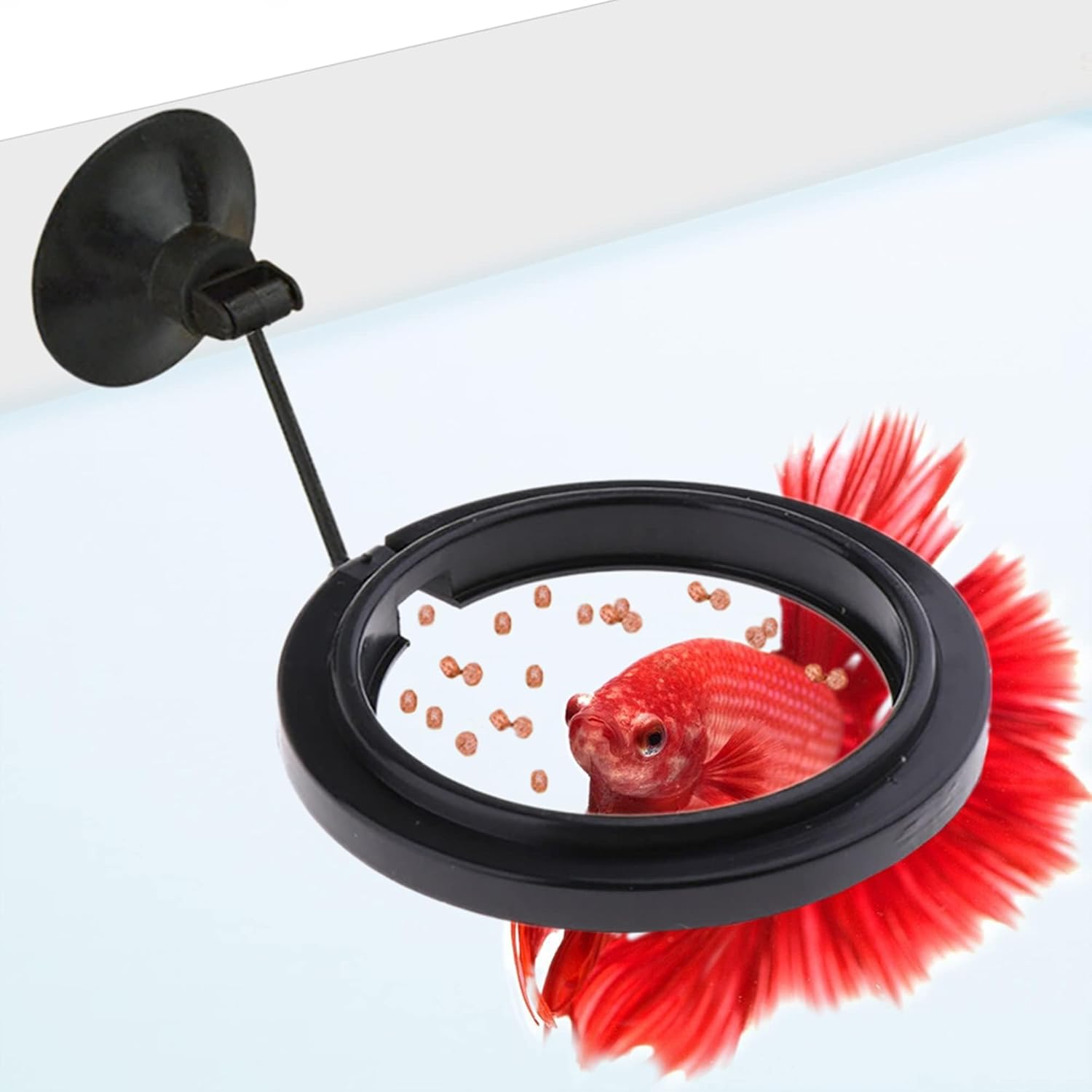
Feeding time can be fun for both you and your betta. Varying the diet keeps your fish interested and supports better health. Occasional treats add variety and mimic natural hunting behavior. Just keep treats small and infrequent so they do not replace balanced meals.
Some people wonder about unusual treats like peanut butter. That is not a safe choice for fish. Our post on can you feed peanut butter to a betta fish explains why some human foods are harmful.
Vegetables are also a common question. Peas are sometimes used for digestion, but you should know the right way to offer them. Our guide on can feeding a pea to a betta fish hurt them covers the details.
How Often and How Much to Feed
Overfeeding is a common mistake. Too much food pollutes the water and can cause health problems. A good rule is to feed small amounts once or twice a day. Your betta should finish the food within a few minutes. If food sinks uneaten, remove it to keep the tank clean.
Fasting one day a week can also help digestion. It gives your fish a break and reduces waste buildup. A simple feeding schedule keeps your betta healthy without overcomplicating care.
Enrichment and Mental Stimulation for Bettas
Bettas are smart and curious fish. They notice their surroundings and can even recognize their owners. Without stimulation, they may become bored or lethargic. Enrichment keeps their minds active and makes daily life more interesting.
Do Betta Fish Get Bored?
Yes, bettas can get bored in a dull tank. A bare setup with nothing to explore offers little mental stimulation. Bored fish may swim in repetitive patterns or hide all day. Adding plants, gentle water movement, and occasional changes can help prevent boredom.
You can read more about this in our article on do betta fish get bored in a tank. It explains how environment affects behavior and what you can do about it.
Interactive Play and Training
Many people do not realize that bettas can learn. They can be trained to follow your finger, swim through hoops, or come to the surface for food. Training is a great way to bond and keep your fish engaged. Keep sessions short and use positive reinforcement with food rewards.
If you want to try trick training, our guide on can you train a betta fish to do tricks gives practical steps to get started. You can also check can you teach a betta fish to do tricks for more training tips.
Safe Tank Mates and Social Needs
Bettas are often kept alone, but some owners wonder about companions. Bettas can live with certain peaceful tank mates if the tank is large enough. However, they are also known for their territorial nature. Choosing the wrong companion can cause stress and fighting.
If you are thinking about adding another fish, our article on do betta fish and frogs get a long explores compatibility with other species. It helps you understand what works and what does not.
Maintenance Habits That Keep Your Betta Thriving
Daily and weekly care habits make a huge difference. Good maintenance prevents disease, keeps water stable, and reduces stress. It also helps you notice problems early, before they become serious.
Water Changes and Cleaning Routine
Regular water changes are essential. They remove waste, replenish minerals, and keep the tank fresh. A weekly change of 25 to 50 percent is a good starting point. Use a gravel vacuum to clean the substrate and remove leftover food.
Always treat new water with a dechlorinator before adding it. Match the temperature to the tank to avoid shock. Clean water is one of the easiest ways to support a happy, healthy betta. If you are unsure about water changes, our post on do betta fish have to have water changes explains why they matter.
Monitoring Health and Behavior
Watching your betta every day helps you catch issues early. Look for changes in color, appetite, and swimming patterns. Check the fins for tears or fraying. Notice if your fish hides more than usual or breathes heavily.
Bettas have a special organ that lets them breathe air from the surface. This is normal, but excessive surface breathing can signal poor water quality. You can learn more about this in our article on do betta fish have to breathe air.
When Something Goes Wrong
Even with good care, problems can happen. A fish may become ill, injured, or stressed despite your best efforts. Quick action matters. Test the water, check the temperature, and look for signs of disease. If your betta is struggling, you may want to read our guide on can you bring a betta fish back to life for helpful first steps.
Sometimes a fish is simply aging or unwell beyond help. In those cases, comfort and gentle care are the best you can offer. Understanding your limits as an owner is part of responsible pet care.
Building a Long-Term Bond With Your Betta
A happy betta is not just about the tank. It is also about the relationship you build over time. These fish can recognize familiar faces and respond to routine. Calm, consistent care helps them feel safe and secure.
Understanding Betta Personality
Every betta has its own personality. Some are bold and curious. Others are shy and cautious. Learning your fish’s preferences helps you tailor care to its needs. A shy betta may need more hiding spots. A bold one may enjoy more interaction.
Bettas also have sensory abilities that help them navigate their world. They can detect smells and sense movement in the water. Our article on do betta fish have a sense of smell explains how they perceive their environment.
Responsible Ownership and End-of-Life Care
Bettas can live several years with good care. As they age, they may slow down or change in appearance. Providing a stable, clean environment helps them age gracefully. If you ever need to rehome a fish, do it responsibly. Our guides on can you return a betta fish to petsmart and can you return a betta fish to petco explain your options.
Some owners also wonder about the lifespan of their fish. If you are curious about age, our post on can you tell how old a betta fish is offers helpful insights.
Quick Tips for a Happy Betta
- Start with a 5-gallon tank or larger for stable water and more room.
- Keep water warm between 78 and 82 degrees with a reliable heater.
- Use a gentle filter that does not create strong currents.
- Add live plants and smooth decorations for enrichment and cover.
- Feed high-quality pellets with occasional protein-rich treats.
- Change 25 to 50 percent of the water each week for freshness.
- Watch your fish daily for signs of stress or illness.
Common Mistakes to Avoid
- Using a bowl that is too small and causes poor water quality.
- Overfeeding and letting uneaten food pollute the tank.
- Skipping water changes and allowing toxins to build up.
- Using sharp decorations that can damage delicate fins.
- Ignoring temperature swings that stress the fish.
- Assuming bettas do not need stimulation and keeping the tank bare.
Expert Insights on Betta Happiness
Experienced keepers agree that happiness comes from consistency. A stable tank, clean water, and a predictable routine reduce stress. Enrichment matters too, but it should never replace the basics. When in doubt, focus on water quality first. Everything else builds on that foundation.
Bettas are resilient, but they still need thoughtful care. A happy betta is active, colorful, and curious. It eats well, rests comfortably, and explores its environment. By meeting these needs, you give your fish the best chance to thrive.
Conclusion
Learning how to make a betta fish happy is about more than aesthetics. It is about creating a safe, clean, and engaging home where your fish can truly thrive. The right tank size, warm water, good filtration, and regular maintenance form the core of great care. Add enrichment, a balanced diet, and gentle interaction, and you will see a brighter, more active betta.
A happy betta reflects the care you give it. When you pay attention to its needs, you build a rewarding relationship that lasts for years. Start with the basics, stay consistent, and enjoy watching your colorful companion flourish.
Frequently Asked Questions
What size tank does a betta fish need to be happy?
A betta fish needs at least a 5-gallon tank to stay healthy and happy. Smaller tanks cause unstable water and stress, while larger tanks give more room to swim and explore.
How often should I feed my betta fish?
Feed your betta small amounts once or twice a day. Make sure it finishes the food quickly, and remove any leftovers to keep the water clean and prevent overfeeding.
Do betta fish need a filter?
Yes, a gentle filter helps keep the water clean and safe. Strong currents can stress bettas, so a sponge filter or low-flow option is usually best.
Can betta fish recognize their owners?
Yes, bettas can learn to recognize familiar faces and may respond when you approach the tank. Regular, calm interaction helps build trust over time.
What temperature is best for a betta fish?
The ideal temperature range is 78 to 82 degrees Fahrenheit. Keeping the water warm supports strong immunity, good digestion, and active behavior.
How do I know if my betta fish is stressed?
Signs of stress include faded color, hiding, clamped fins, and loss of appetite. Checking water quality, temperature, and tank setup can help you find and fix the problem.