How Much Pellets Do You Feed a Betta Fish
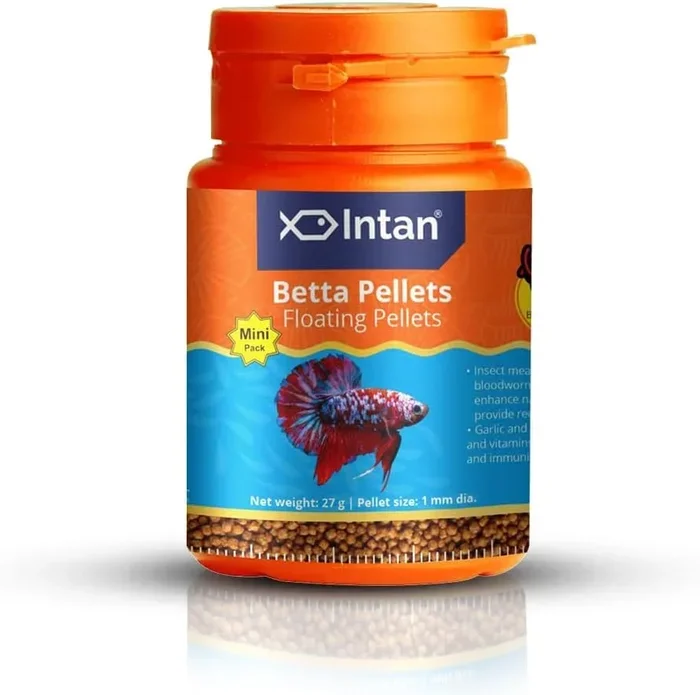
Feeding your betta fish the right amount of pellets is one of the most important parts of betta fish care. Most bettas only need 2 to 4 pellets per feeding, depending on the size of the pellets and your fish. In this guide, you will learn the how much pellets do you feed a betta fish, along with tips to avoid overfeeding and keep your betta thriving.
Key Takeaways
- 2 to 4 pellets per feeding: This is the standard amount for most adult betta fish, depending on pellet size.
- Feed 1 to 2 times daily: A consistent feeding schedule supports better digestion and energy levels.
- Overfeeding is a common mistake: Excess food can cause bloating, poor water quality, and health problems.
- Soak pellets before feeding: Dry pellets expand in the stomach, so soaking helps prevent discomfort.
- Watch your betta’s behavior: A healthy betta is active, curious, and finishes most of its food.
- Variety matters: Supplementing with bloodworms or brine shrimp adds nutrition and keeps meals interesting.
📑 Table of Contents
- How Much Pellets Do You Feed a Betta Fish? A Complete Guide
- Understanding Your Betta Fish Stomach
- How Many Pellets Should You Feed a Betta Fish?
- How Often Should You Feed a Betta Fish Pellets?
- How to Feed Pellets to Your Betta Fish Properly
- Common Mistakes When Feeding Betta Pellets
- Signs Your Betta Fish Is Being Overfed or Underfed
- Expert Insights on Feeding Betta Pellets
- How to Adjust Feeding for Special Situations
- Frequently Asked Questions About Betta Pellet Feeding
- Conclusion: Finding the Perfect Balance
How Much Pellets Do You Feed a Betta Fish? A Complete Guide
If you are a betta fish owner, you already know that these colorful little fish have big personalities. But when it comes to how much pellets do you feed a betta fish, many owners feel confused. The truth is, bettas have tiny stomachs and very specific dietary needs. Getting the portion right can mean the difference between a long, healthy life and one filled with health issues.
In this guide, we will break down everything you need to know about feeding pellets to your betta fish. You will learn the right amount, how often to feed, what mistakes to avoid, and much more. Whether you are a brand-new betta owner or have had these fish for years, this article has something valuable for you.
Let us dive in and make sure your betta gets exactly what it needs, nothing more and nothing less.
Understanding Your Betta Fish Stomach
How Big Is a Betta Fish Stomach?
Here is something that surprises most new betta owners. A betta fish stomach is roughly the size of its eye. That is incredibly small. This means your betta can only hold a very limited amount of food at one time. When you look at that tiny stomach size, it makes sense why how much pellets do you feed a betta fish is such an important question.
Many people assume that because their betta begs for food every time they walk by the tank, the fish is starving. That is not usually the case. Bettas are natural hunters. They are always interested in food. But interest does not mean hunger. Your betta will act hungry even when its belly is full.
Why Overfeeding Happens So Often
Because bettas act hungry all the time, owners tend to give them more food than they actually need. This is the most common mistake in betta fish care. Overfeeding can lead to several problems. These include betta fish bloating, constipation, poor water quality, and a shorter betta fish lifespan. When extra food sinks to the bottom of the tank, it rots and messes up the water quality. This can stress your fish and lead to disease.
That is why understanding portion size is so critical. It is not just about food. It is about your fish’s overall health and comfort.
How Many Pellets Should You Feed a Betta Fish?
So, how much pellets do you feed a betta fish in a single feeding? The general rule is 2 to 4 medium-sized pellets per feeding. This amount is enough to satisfy most adult bettas without overloading their small stomachs. If you use smaller pellets, you may need to give a few more. If you use larger pellets, cut back to 2 or even just 1.
For a more detailed breakdown, you can check out our guide on How Many Pellets To Feed A Betta Fish. That article goes deep into pellet sizes and exact counts for different scenarios.
Pellet Size Matters
Not all betta pellets are the same size. Some brands make tiny pellets. Others make large ones. The size of the pellet directly affects how many you should feed. Here is a simple breakdown:
- Small pellets: 3 to 5 pellets per feeding
- Medium pellets: 2 to 4 pellets per feeding
- Large pellets: 1 to 2 pellets per feeding
As a quick rule of thumb, the total amount should roughly equal the size of your betta’s eye. That is about the volume their stomach can handle.
A Comparison Table: Pellet Amounts by Fish Size
| Betta Size | Pellets Per Feeding | Feeding Frequency |
|---|---|---|
| Small (1 to 2 inches) | 1 to 2 pellets | 2 times per day |
| Medium (2 to 3 inches) | 2 to 3 pellets | 2 times per day |
| Large (3+ inches) | 3 to 4 pellets | 1 to 2 times per day |
These numbers are for dry pellets. If you also offer frozen or live food, you will need to adjust the pellet amount accordingly. For more guidance on this, our article on How Much To Feed A Betta Fish covers the full range of food types and portions.
How Often Should You Feed a Betta Fish Pellets?
Now that you know how many pellets to give, the next question is how often. Most betta fish experts recommend feeding adult bettas 1 to 2 times per day. This schedule keeps things simple and supports healthy digestion. If you feed twice a day, split the total daily pellet amount evenly between the two feedings.
For those who prefer a once-a-day routine, you can give a slightly larger portion in the morning. Just make sure the total amount does not exceed 4 to 6 pellets per day. If you want more detail on building the perfect feeding schedule, our article on How Often Should You Feed A Betta Fish is a great resource.
Feeding Schedule for Different Ages
- Baby bettas (fry): Feed 3 to 4 times per day with crushed or micro pellets.
- Juvenile bettas: Feed 2 to 3 times per day with small pellets.
- Adult bettas: Feed 1 to 2 times per day with standard pellets.
Baby bettas grow fast and need more frequent meals. As they mature, you can slowly reduce feedings. The key is matching the schedule to your fish’s age and activity level.
Can You Feed a Betta Fish Every Other Day?
Some experienced keepers fast their bettas once a week. This can help with digestion and reduce the risk of bloating. But skipping feedings entirely every other day is not recommended for most owners. If you are curious about this approach, our article on Can You Feed A Betta Fish Every Other Day explains when and how to do it safely.
How to Feed Pellets to Your Betta Fish Properly
Step-by-Step Feeding Process
Knowing the right amount is only half the battle. How you deliver the pellets matters too. Here is a simple step-by-step process:
- Count the pellets. Before dropping food in the tank, count out the right number. This prevents guessing and overfeeding.
- Soak the pellets (optional but recommended). Drop the pellets into a small cup of tank water for 1 to 2 minutes. Dry pellets expand in your betta’s stomach. Soaking them beforehand reduces that risk.
- Drop them gently into the tank. Let the pellets sink near the surface. Bettas are surface feeders and will swim up to grab them.
- Watch your fish eat. Give your betta about 2 to 3 minutes to finish. Remove any uneaten pellets after that time.
- Repeat if needed. If your betta seems still hungry after 3 minutes, you can offer one or two more pellets. But do not go overboard.
Quick Tips for Better Pellet Feeding
- Use a small spoon or tweezers to place pellets precisely.
- Feed in a quiet area of the tank. This helps your betta feel safe while eating.
- Rotate pellet brands occasionally for nutritional variety.
- Always use high-quality pellets made specifically for betta fish.
- Avoid feeding flakes. They often float and lose nutritional value quickly.
Common Mistakes When Feeding Betta Pellets
Mistake 1: Giving Too Many Pellets
This is the number one feeding mistake. As we discussed, bettas have tiny stomachs. When you dump a pile of pellets into the tank, much of it goes uneaten. The leftover food rots and poisons the water. If you want to learn more about the dangers of overfeeding, check out our article on Can You Feed A Betta Fish Too Much. It covers the warning signs and long-term effects in detail.
Mistake 2: Skipping Soaking
Dry pellets are convenient. But they absorb water and swell inside your betta’s digestive system. This can cause discomfort, bloating, and even swim bladder issues. Taking 1 to 2 minutes to soak pellets before feeding can prevent these problems entirely.
Mistake 3: Feeding Only Pellets
While high-quality pellets should be the staple of your betta’s diet, feeding only pellets can lead to nutritional gaps. Bettas in the wild eat a varied diet of insects, larvae, and small prey. You should supplement pellets with treats like bloodworms, brine shrimp, or daphnia. These additions boost nutrition and add excitement to mealtime.
Mistake 4: Ignoring Uneaten Food
If your betta does not finish its pellets within 3 minutes, remove the leftovers. Uneaten food decays fast. It releases ammonia and nitrates into the water. This directly affects water quality and can make your fish sick. A simple turkey baster or small net works great for removing debris from the tank bottom.
Signs Your Betta Fish Is Being Overfed or Underfed
Signs of Overfeeding
Overfeeding shows up in several clear ways. Watch for these warning signs:
- Bloated belly: Your betta looks puffy or swollen after eating.
- Lethargy: Your fish stays at the bottom and seems tired.
- Cloudy water: The tank water gets murky quickly after feeding.
- Uneaten food: Pellets sit at the bottom untouched for hours.
- Constipation: Your betta floats on its side or struggles to swim.
If you notice any of these signs, cut back on the pellet amount right away. A fasting day can help reset your betta’s system.
Signs of Underfeeding
Underfeeding is less common but still possible. Signs include:
- Weight loss: Your betta looks thin and its body frame is visible.
- Dull color: The vibrant colors start to fade.
- Low energy: Your betta stops exploring and hides more than usual.
- Slow growth: Young bettas stop growing or grow very slowly.
If you see these signs, slowly increase the pellet amount over a few days. Do not jump to large portions all at once. Gradual changes are always safer for your fish.
Expert Insights on Feeding Betta Pellets
Professional aquarists and betta breeders share a few golden rules when it comes to betta fish feeding:
- Less is more. Most experts agree that slightly underfeeding is better than overfeeding. A hungry betta will still be active and healthy. An overfed betta will face serious health risks.
- Quality over quantity. High-quality pellets with real fish protein as the first ingredient give you more nutrition per pellet. Cheap fillers do not give your betta what it needs.
- Watch, do not guess. Every betta is different. Some are bigger. Some are pickier. Pay attention to your individual fish and adjust portions based on its body condition.
- Keep a routine. Bettas thrive on consistency. Feed at the same times each day. This reduces stress and supports a strong betta fish care routine.
How to Adjust Feeding for Special Situations
Breeding Bettas
When a betta is preparing to breed, its food intake may need to increase slightly. Offer an extra treat of bloodworms or brine shrimp alongside regular pellets. This extra nutrition supports egg production and energy needs. For detailed information on breeding, you can read our guide on How Do You Breed A Betta Fish.
Sick or Recovering Bettas
A sick betta may refuse food entirely. Do not force-feed. Instead, offer 1 to 2 soaked pellets and see if your fish eats. If not, try a different food like a thawed bloodworm. Once your betta recovers, return to the normal feeding routine. If your fish is showing serious illness signs, our article on How Do You Cure A Sick Betta Fish can help you identify and treat common diseases.
New Tank Setup
When you first set up a tank, it is tempting to feed heavily to establish a feeding routine. But start light. Give 2 pellets once a day for the first week. Then slowly increase to the standard amount. This approach helps the tank’s fish tank ecosystem stabilize and keeps the water cleaner during the critical cycling phase.
Frequently Asked Questions About Betta Pellet Feeding
How many pellets should I feed my betta fish each day?
Most adult betta fish do well with 2 to 4 pellets per day, split into 1 to 2 feedings. The exact number depends on the pellet size and your fish’s appetite. Always start with fewer pellets and add more only if your betta finishes everything quickly.
Can I feed my betta fish pellets twice a day?
Yes, feeding twice a day is a great schedule for most bettas. Just make sure each feeding is small. For example, give 2 pellets in the morning and 2 in the evening. This keeps the total daily amount at 4 pellets or fewer.
What happens if I overfeed my betta fish pellets?
Overfeeding can cause bloating, constipation, and poor water quality. Uneaten pellets rot at the bottom of the tank and release harmful ammonia. Your betta may become lethargic, lose color, or develop swim bladder problems. Cutting back on portions and adding a fasting day each week can reverse most mild overfeeding effects.
Should I soak betta pellets before feeding?
Soaking is highly recommended. Dry pellets expand inside your betta’s stomach, which can lead to discomfort and bloating. Simply place a few pellets in a small cup of tank water for 1 to 2 minutes before dropping them into the tank. This small step makes a big difference for your fish’s digestion.
Can I use human food instead of pellets for my betta fish?
You can offer occasional treats like cooked peas (with the skin removed) or tiny pieces of shrimp. But these should only be supplements, not a replacement for quality betta pellets. Human food does not provide the complete nutrition that specially formulated betta pellets deliver. For more ideas on safe foods, check our articles on whether you can feed a betta fish rice or lettuce.
How do I know if my betta fish is hungry or just begging for food?
Bettas are natural beggars. They will swim to the top and flare their fins whenever they see you near the tank. This does not mean they are hungry. A truly hungry betta will lose weight, show dull colors, and become less active. A well-fed betta that swims to the surface is simply excited to see you. Stick to your measured portions and do not give in to begging.
Conclusion: Finding the Perfect Balance
Learning how much pellets do you feed a betta fish is a foundational part of responsible betta ownership. The right amount is small but precise. Two to four pellets per feeding, 1 to 2 times a day, is the sweet spot for most adult bettas. Pair this with a consistent schedule, soaked pellets, and occasional treats like bloodworms or brine shrimp, and your betta will thrive.
Remember that every betta is unique. Watch your fish closely. Adjust portions based on its body condition, activity level, and age. Avoid the common traps of overfeeding and ignoring uneaten food. These small changes will protect your betta’s health, keep your tank water clean, and help your fish live a long and vibrant life.
Put this knowledge into action today. Count those pellets, soak them, and watch your betta enjoy a perfectly balanced meal. Your fish will thank you for it.