Betta fish can appear shy, especially in new or stressful settings, but their behavior is shaped by environment, gender, and personality. Understanding their natural tendencies helps you provide the right tank setup, enrichment, and care so your betta thrives rather than hides.
Key Takeaways
- Shyness is situational: Betta fish often hide when they feel threatened or stressed.
- Tank size matters: A cramped space can amplify timid behavior; aim for at least 5 gallons.
- Gender influences boldness: Males tend to be more territorial, while females may be more cautious.
- Enrichment reduces fear: Plants, caves, and driftwood give shy bettas places to explore safely.
- Observation is key: Watch body language to tell if your betta is shy or simply resting.
- Proper lighting and water quality: Bright, flickering lights or poor water can make bettas retreat.
- Gradual introduction helps: New bettas adjust faster when changes are made slowly.
📑 Table of Contents
- Introduction: Why the Question “Are Betta Fish Shy?” Pops Up
- 1. Understanding Betta Natural Behavior
- 2. Signs That Your Betta Is Shy
- 3. Factors That Can Make a Betta Appear Shy
- 4. How to Encourage a Shy Betta to Come Out of Its Shell
- 5. When Shyness Signals a Problem
- 6. Frequently Overlooked Tips for a Confident Betta
- Conclusion: Embracing Your Betta’s Unique Personality
Introduction: Why the Question “Are Betta Fish Shy?” Pops Up
If you’ve ever watched a betta glide behind a leaf or disappear under a bubble nest, you might wonder, are betta fish shy? The answer isn’t a simple yes or no. Betta fish, also known as Siamese fighting fish, have personalities that shift with their surroundings, gender, and even the time of day. Some owners see a bold, flaring champion, while others notice a timid swimmer that hides at the first sign of movement.
In this guide we’ll break down the science behind betta behavior, explore what makes a betta appear shy, and give you practical steps to help a nervous fish feel safe and confident. By the end, you’ll know exactly how to read your betta’s body language and create a tank that encourages curiosity, not fear.
1. Understanding Betta Natural Behavior
1.1 Wild Origins and Survival Instincts
Betta fish hail from the shallow, slow‑moving waters of Thailand, Cambodia, and Vietnam. In the wild they live among dense vegetation, fallen leaves, and tangled roots. This environment provides countless hiding spots where a small fish can escape predators.
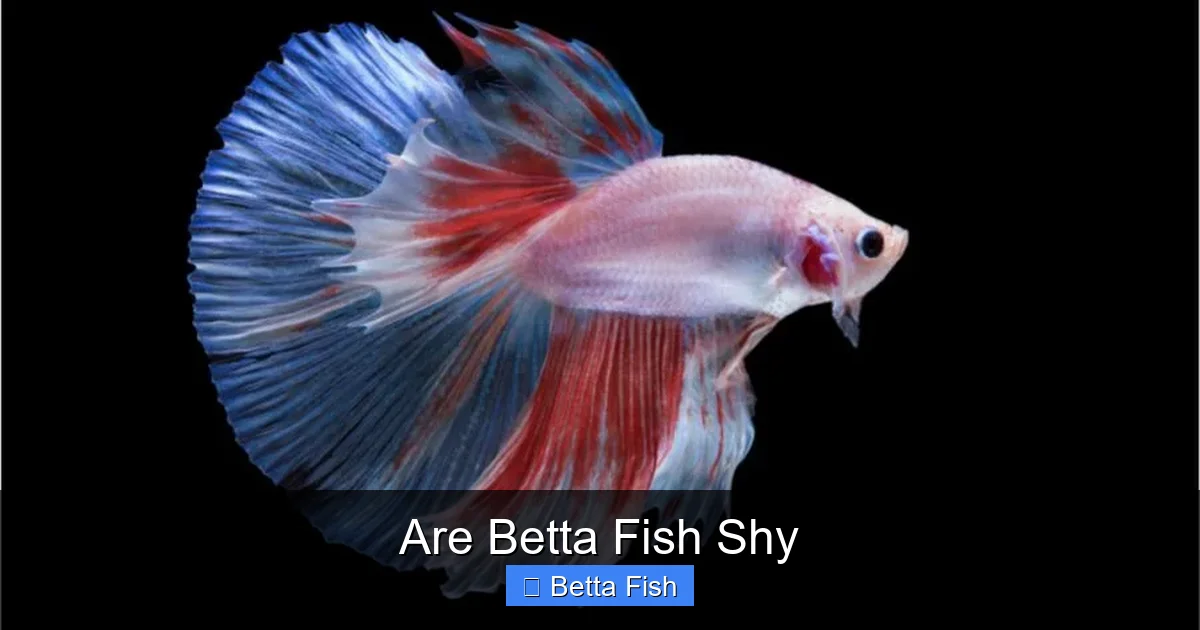
Visual guide about Are Betta Fish Shy
Image source: acaquarium.com
Because of this ancestry, captive bettas often retain a “hide‑first” instinct. When something unfamiliar appears—like a new decoration, a sudden splash, or a moving finger—they may retreat to the nearest shelter. This is not weakness; it’s a survival skill passed down from their wild ancestors.
1.2 Territorial Nature vs. Timidity
Male bettas are famously territorial. They defend a bubble nest and a defined space, which can make them seem bold. However, boldness does not equal fearlessness. A male may flare aggressively toward a rival but still hide from a sudden shadow.
Female bettas, on the other hand, are generally less aggressive and can be more cautious. This difference often leads owners to label females as “shy,” even though males also display timid moments.
1.3 The Role of Light and Time of Day
Betta fish are crepuscular—most active during dawn and dusk. During bright daylight they may rest near the bottom or under a leaf. If you check the tank at midday, you might think your betta is shy, when in fact it’s simply following its natural rhythm.
For more on their daily patterns, see our article on are betta fish nocturnal.
2. Signs That Your Betta Is Shy
2.1 Hiding Behaviors
A shy betta will frequently stay behind plants, caves, or the tank lid. It may pop its head out only briefly before retreating.
2.2 Lack of Flaring
When approached gently, a confident betta will often flare its gills or spread its fins. A shy one will keep its fins folded and stay low in the water column.
2.3 Slow, Hesitant Swimming
Instead of darting around, a timid betta moves in short, cautious bursts, often pausing to assess its surroundings.
2.4 Frequent Resting at the Bottom
While all bettas rest, a shy fish spends a larger portion of the day near the substrate, especially if the water is bright.
3. Factors That Can Make a Betta Appear Shy
3.1 Inadequate Tank Size
Many beginners keep bettas in tiny bowls. A cramped space increases stress, causing the fish to hide more often. Aim for a minimum of 5 gallons; larger is better for enrichment.
3.2 Poor Water Quality
High ammonia, fluctuating pH, or low temperature can make bettas uneasy. Regular water changes (25% weekly) and a reliable heater keep the environment stable.
3.3 Over‑Stimulation
Bright LED lights, loud noises, or constant movement near the tank can trigger a flight response. Dimmer lighting and a quiet room help a shy betta settle.
3.4 Incompatible Tank Mates
Even though bettas are often kept alone, some owners add peaceful species. If the companions are too active, the betta may hide to avoid competition.
Read about what fish are compatible with betta fish before sharing the space.
3.5 Gender and Personality
Just like people, bettas have individual temperaments. Some males are gentle giants, while some females are bold explorers. Observing your fish over several weeks will reveal its unique personality.
4. How to Encourage a Shy Betta to Come Out of Its Shell
4.1 Provide Plenty of Hiding Spots
Ironically, giving a shy betta more places to hide can make it feel safe enough to explore. Use live plants like Java fern, driftwood, or ceramic caves. The goal is to create a “safe zone” that the fish can retreat to, then gradually venture out.
For plant ideas, check which live plants are good for betta fish.
4.2 Gradual Light Adjustment
Start with low‑intensity lighting and increase it slowly over a week. This mimics sunrise and helps the betta acclimate without startling it.
4.3 Interactive Feeding
Use a feeding stick or tweezers to bring food close to the surface. As the betta learns that food arrives near you, it will start coming out of hiding to eat.
4.4 Gentle Conditioning
Spend a few minutes each day sitting near the tank, speaking softly, and moving your hand slowly above the water. Over time the betta will associate your presence with safety.
4.5 Enrichment Toys
Floating mirrors, ping‑pong balls, or soft ping‑pong balls can spark curiosity. Introduce one toy at a time and watch how the betta reacts.
4.6 Consistent Routine
Betta fish thrive on predictability. Feed at the same times, perform water changes on a set schedule, and keep the tank lights on a regular day/night cycle (10‑12 hours of light).
5. When Shyness Signals a Problem
5.1 Illness or Injury
Sudden, prolonged hiding can indicate health issues such as fin rot, swim bladder disease, or internal parasites. Look for other signs: white spots, frayed fins, loss of appetite, or erratic swimming.
5.2 Stress From Aggression
If a male betta is constantly flaring at its own reflection, it may become exhausted and retreat. Cover part of the tank with a backdrop to reduce reflections.
5.3 Inadequate Nutrition
Poor diet can lead to lethargy. Offer a varied menu of high‑quality betta pellets, frozen bloodworms, and occasional daphnia.
5.4 Environmental Toxins
Chemicals from soaps, aerosols, or even certain decorations can leach into the water, causing the fish to hide. Rinse all new items thoroughly before placing them in the tank.
6. Frequently Overlooked Tips for a Confident Betta
6.1 Use a Background
A dark, non‑reflective background reduces visual stress and helps the betta focus on the water, not the outside world.
6.2 Keep the Surface Calm
Strong surface agitation can frighten bettas. Use a gentle air stone or a low‑flow filter to maintain water quality without creating big bubbles.
6.3 Avoid Direct Sunlight
Sunlight can cause rapid temperature spikes and algae growth, both of which stress the fish.
6.4 Test Water Regularly
Invest in a good test kit. Keeping ammonia at 0 ppm, nitrite at 0 ppm, and nitrate below 20 ppm creates a stress‑free environment.
6.5 Provide a Bubble Nest (for Males)
Male bettas naturally build bubble nests. Allowing them to do so can improve confidence and overall health.
Conclusion: Embracing Your Betta’s Unique Personality
So, are betta fish shy? The short answer is: they can be, but shyness is often a response to environment, health, or the time of day rather than an inherent flaw. By understanding their natural instincts, providing ample space, and offering gentle enrichment, you can help even the most timid betta blossom into a curious, vibrant swimmer.
Remember, patience is key. Observe, adjust, and celebrate each little step your betta takes toward the surface. With the right care, your betta will move from hiding behind leaves to proudly displaying its dazzling fins—proving that confidence can grow in even the smallest of tanks.
Frequently Asked Questions
Do betta fish naturally hide in the wild?
Yes. In their native shallow waters, bettas use dense vegetation and roots for protection from predators, which translates to hiding behavior in captivity.
Can lighting affect a betta’s shyness?
Bright or flickering lights can startle a betta. Using a dimmer or a gradual sunrise timer helps the fish feel more secure.
Is a larger tank better for a shy betta?
Absolutely. A minimum of 5 gallons gives the fish room to explore and reduces stress that can cause excessive hiding.
How can I tell if my betta is sick rather than shy?
Look for additional symptoms such as loss of appetite, faded colors, ragged fins, or abnormal swimming patterns. If these appear, test the water and consider a vet visit.
Do female bettas need separate tanks?
Female bettas are less aggressive than males, but they can still fight if crowded. Providing at least 5 gallons per female and plenty of hiding spots keeps them calm.
Will adding live plants help a shy betta?
Yes. Live plants create natural cover and improve water quality, both of which encourage a timid betta to explore more confidently.

