How Do You Cure a Sick Betta Fish
Wondering how to cure a sick betta fish? Identify the signs, clean the tank, treat the illness, and adjust care routines to give your finned friend a swift recovery. Follow these proven tips and keep your betta thriving.
Key Takeaways
- Spot early signs: Look for loss of color, erratic swimming, or ragged fins.
- Water quality is crucial: Bad water is the #1 cause of disease.
- Quarantine first: Isolate the sick betta to prevent spread.
- Targeted treatments work: Use appropriate meds for fin rot, swim‑bladder issues, or dropsy.
- Adjust feeding and temperature: Proper diet and stable temps boost immunity.
- Prevent future illness: Regular water changes and tank checks are key.
- Know when to seek help: If no improvement, consult a vet or experienced hobbyist.
📑 Table of Contents
- Introduction: Why Your Betta Gets Sick and How You Can Help
- 1. Recognizing the Symptoms of a Sick Betta
- 2. Checking and Fixing Water Quality
- 3. Quarantine: Isolating the Sick Betta
- 4. Common Betta Illnesses and How to Treat Them
- 5. Adjusting Daily Care to Boost Immunity
- 6. When to Call in a Professional
- Conclusion: A Healthy Betta Starts with Quick Action
Introduction: Why Your Betta Gets Sick and How You Can Help
Betta fish are beautiful, hardy, and surprisingly resilient, but they’re not immune to illness. A sudden change in behavior—like a loss of color, clamped fins, or a lazy swim—can be a warning sign that something is wrong. The good news? Most common betta ailments are preventable and treatable if you act quickly.
In this guide we’ll walk you through the whole process: spotting symptoms, checking water, quarantining, choosing the right medication, and making long‑term care changes. Think of it as a friendly chat with a fellow betta lover who wants the best for your fish.
1. Recognizing the Symptoms of a Sick Betta
Common warning signs
Betta fish are masters at hiding pain, so you need to be observant. Look for these red flags:
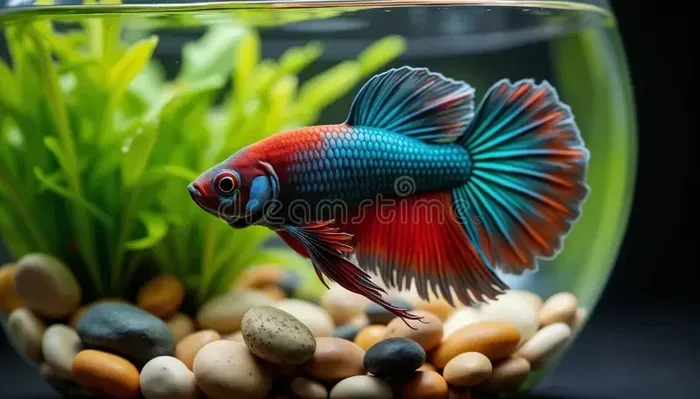
- Color loss or fading: A healthy betta shines with bright blues, reds, or greens. Pale or dull colors often signal stress.
- Clamped or ragged fins: Fins that are torn, frayed, or held close to the body point to fin rot or fungal infection.
- Erratic swimming: Floating upside‑down, sinking to the bottom, or zig‑zagging can mean swim‑bladder disease.
- Visible spots or ulcers: White or red patches may indicate dropsy or bacterial infection.
- Lethargy or loss of appetite: A sick betta may hide or refuse food.
For a deeper dive into spotting illness, see our article How Do You Know If Your Betta Fish Is Sick.
When symptoms mimic normal behavior
Sometimes a betta’s “odd” behavior is just natural. During breeding season males may become aggressive, and bettas often rest at the bottom after a big meal. Observe the pattern—if the odd behavior lasts more than 24‑48 hours, it’s time to investigate further.
2. Checking and Fixing Water Quality
Why water matters more than food
Betta fish breathe surface air, but they also absorb toxins through their skin and gills. Poor water quality is the #1 cause of disease. Even a tiny spike in ammonia can stress your fish and open the door to infections.
Step‑by‑step water test
- Use a liquid test kit to measure ammonia, nitrite, nitrate, and pH.
- Ideal ranges: ammonia 0 ppm, nitrite 0 ppm, nitrate < 20 ppm, pH 6.5‑7.5.
- If any parameter is out of range, perform a partial water change (25‑30 %).
Need a refresher on water changes? Read How Do You Change A Betta Fish Water for a quick guide.
Temperature and filtration
Maintain a steady 78‑80 °F (25‑27 °C). Sudden drops chill the immune system. A gentle sponge filter helps keep the water clear without creating strong currents that stress bettas.
3. Quarantine: Isolating the Sick Betta
Why quarantine works
Putting the ill fish in a separate tank stops disease from spreading to tank mates and gives you a controlled environment for treatment.
Setting up a quarantine tank
- Use a 5‑gallon tank with a heater set to the same temperature as the main tank.
- Add a small filter or air stone for gentle flow.
- Include hiding places—plastic plants or a ceramic cave.
- Do a full water change before moving the betta.
Monitoring progress
Check the fish twice daily. Record any changes in behavior, fin condition, or appetite. If there’s no improvement after 5‑7 days of treatment, consider seeking professional help.
4. Common Betta Illnesses and How to Treat Them
Fin Rot
Fin rot appears as ragged, white‑gray edges on the fins. It’s usually bacterial.
Treatment steps:
- Increase water temperature to 80‑82 °F to speed up metabolism.
- Add a small dose of antibacterial medication (e.g., Maracyn 2) according to the label.
- Perform daily 20 % water changes to keep the tank clean.
For a detailed protocol, see How To Cure Fin Rot On A Betta Fish.
Swim Bladder Disorder
This condition makes the betta float upside‑down or sink. It can be caused by over‑feeding, constipation, or infection.
Home remedies:
- Fast the fish for 24‑48 hours (no food).
- Give a pea (blanched, skinned) once a day for 2‑3 days.
- Keep water temperature stable.
For more on swim‑bladder care, read How To Cure A Betta Fish With Swim Bladder.
Dropsy
Dropsy shows as a swollen belly and raised scales, often a sign of internal infection.
Immediate actions:
- Move the betta to a quarantine tank with pristine water.
- Administer a broad‑spectrum antibiotic (e.g., tetracycline) as directed.
- Reduce feeding to a tiny amount of high‑protein food.
While dropsy is serious, early treatment can save the fish.
Fungal Infections
White cotton‑like growth on the body or fins indicates fungus.
Treatment: Use antifungal medication like API Fungus Control, and keep water pristine.
5. Adjusting Daily Care to Boost Immunity
Feeding the right way
A balanced diet strengthens the immune system. Offer high‑quality betta pellets, occasional frozen or live foods, and avoid over‑feeding.
Read more about feeding basics in How Do You Feed A Betta Fish.
Regular tank maintenance
- Change 25 % of the water weekly.
- Gravel vacuum to remove waste.
- Clean the filter media every 4‑6 weeks.
- Test water parameters weekly.
Adding beneficial bacteria
Products like Seachem Stability introduce good bacteria that break down ammonia faster, giving your betta a healthier environment.
Stress reduction tips
Limit bright lights to 8‑10 hours a day, avoid sudden temperature changes, and keep the tank away from loud vibrations.
6. When to Call in a Professional
Most minor illnesses respond to at‑home treatment, but you should seek expert help if:
- The betta shows no improvement after a full course of medication.
- Symptoms worsen quickly (e.g., rapid swelling, severe fin loss).
- You’re unsure of the diagnosis.
Local aquarium shops often have knowledgeable staff, and some veterinarians specialize in fish health.
Conclusion: A Healthy Betta Starts with Quick Action
Seeing your betta fish act strange can be scary, but with the right steps—spotting symptoms early, fixing water quality, quarantining, treating the specific illness, and adjusting daily care—you can nurse almost any common ailment back to health. Remember, prevention is always easier than cure, so keep up with regular water changes, proper feeding, and routine observations. Your betta will thank you with vibrant colors and lively fins for years to come.
Frequently Asked Questions
How quickly should I start treatment after noticing symptoms?
Begin treatment within 24 hours of spotting signs. Early intervention greatly improves recovery chances.
Can I use human medications on my betta fish?
No. Always use fish‑specific treatments, as human meds can be toxic to aquatic life.
Is it safe to add new fish to the tank while one is sick?
Never. Keep the sick betta isolated until fully recovered and the main tank water is tested and cleared.
How often should I perform water changes during treatment?
During active treatment, change 25‑30 % of the water daily to keep toxin levels low.
What should I feed a betta that is recovering from illness?
Offer small amounts of high‑protein foods like frozen bloodworms or brine shrimp, and gradually reintroduce regular pellets.
Can poor water temperature cause my betta to get sick?
Yes. Temperatures below 76 °F or sudden spikes stress the immune system and can trigger disease.