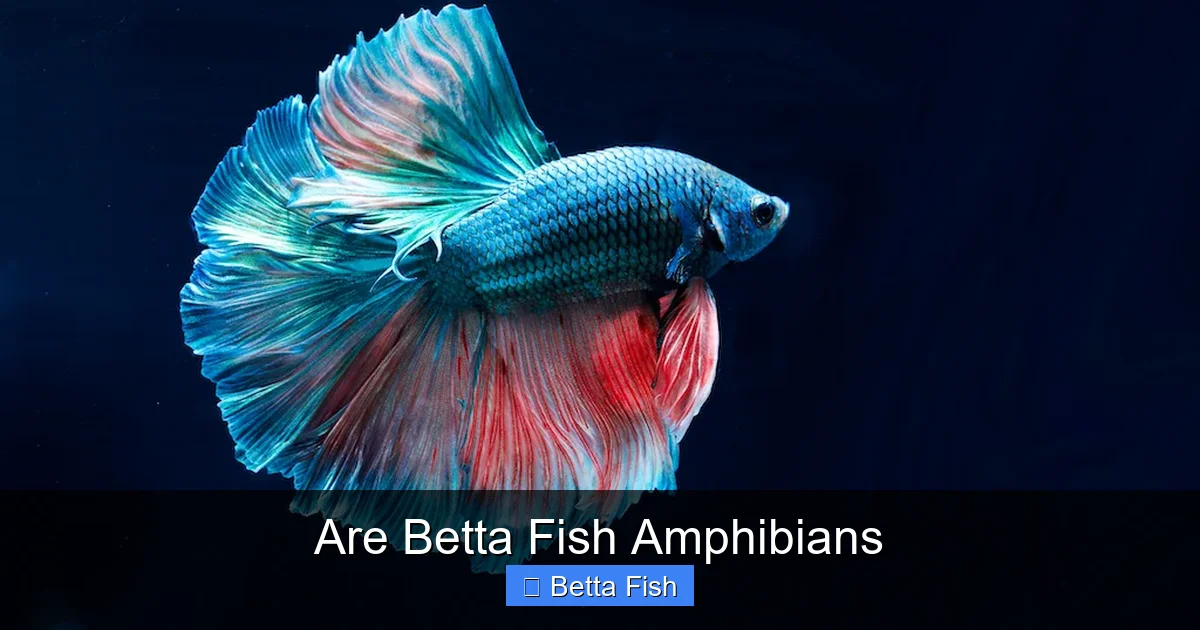
Are Betta Fish Amphibians
Betta fish are vibrant freshwater fish, not amphibians. They breathe through gills, lay eggs, and live entirely in water, unlike amphibians that need both water and land. Understanding these differences helps you provide the right care for your betta.
Key Takeaways
- Classification: Betta fish belong to the class Actinopterygii (ray‑finned fishes), not Amphibia.
- Respiration: They use gills for oxygen, while amphibians have lungs and can breathe through skin.
- Reproduction: Betta fish lay eggs and fertilize them externally; most amphibians lay eggs that develop into larvae.
- Habitat: Bettas are strictly freshwater, thriving in warm, still water; amphibians need both aquatic and terrestrial phases.
- Care Implications: Knowing bettas are fish guides tank size, heating, and water‑quality requirements.
- Common Myths: Their “flaring” and “labyrinth organ” sometimes cause confusion, but they are not amphibian traits.
- Fun Fact: Betta fish are tropical, not amphibious, and are among the most popular aquarium pets worldwide.
📑 Table of Contents
- Introduction: Why the Question Pops Up
- 1. The Biological Basics: What Makes an Amphibian?
- 2. Betta Fish: A Quick Overview
- 3. Comparing Respiration: Gills vs. Lungs vs. Labyrinth
- 4. Reproduction: Eggs, Not Tadpoles
- 5. Habitat Requirements: Water‑Only Life
- 6. Common Misconceptions and How to Spot Them
- 7. Care Implications of Knowing Betta Fish Are Not Amphibians
- Conclusion: The Bottom Line
Introduction: Why the Question Pops Up
If you’ve ever watched a betta flare its gorgeous fins and wondered, “Is this little creature an amphibian?” you’re not alone. The bright colors, dramatic behavior, and the fact that bettas can survive in low‑oxygen water often lead hobbyists to mix up classifications. In this article, we’ll break down the science, compare bettas to true amphibians, and give you clear takeaways for caring for your fish.
Understanding whether a betta is an amphibian isn’t just trivia—it affects how you set up the tank, what temperature you maintain, and even how you feed your pet. Let’s dive into the facts, step by step.
1. The Biological Basics: What Makes an Amphibian?
Defining Amphibia
Amphibians are a class of vertebrates that live part of their lives in water and part on land. They have moist, permeable skin that can absorb oxygen, and most develop from a larval stage (like tadpoles) into an adult that can breathe air with lungs.
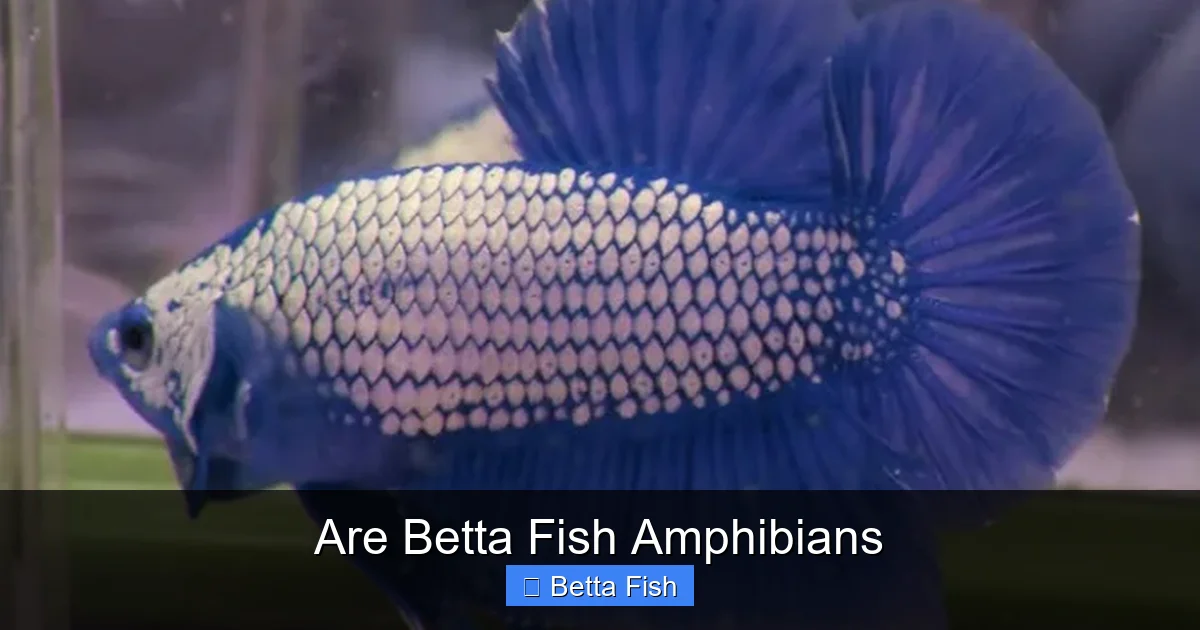
Visual guide about Are Betta Fish Amphibians
Image source: bettafishnest.com
Key Traits of Amphibians
- Dual life cycle: Aquatic larvae → terrestrial adult.
- Skin respiration: Many absorb oxygen directly through their skin.
- Lungs + gills: Most start with gills, later develop lungs.
- Eggs in water: Typically gelatinous, lacking a hard shell.
These traits set amphibians apart from fish, reptiles, and mammals. Knowing them helps you see why bettas don’t fit the amphibian mold.
2. Betta Fish: A Quick Overview
Taxonomy and Natural Habitat
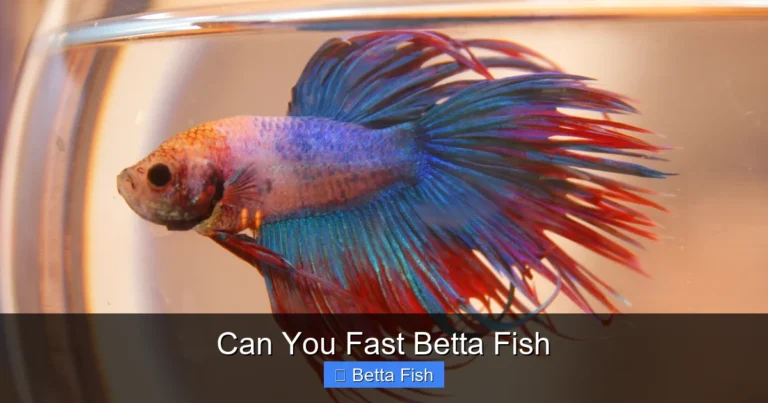
Betta fish (Betta splendens) belong to the family Osphronemidae, a group of ray‑finned freshwater fishes native to the shallow, slow‑moving waters of Thailand, Cambodia, and Vietnam. They thrive in warm, acidic waters rich in vegetation.
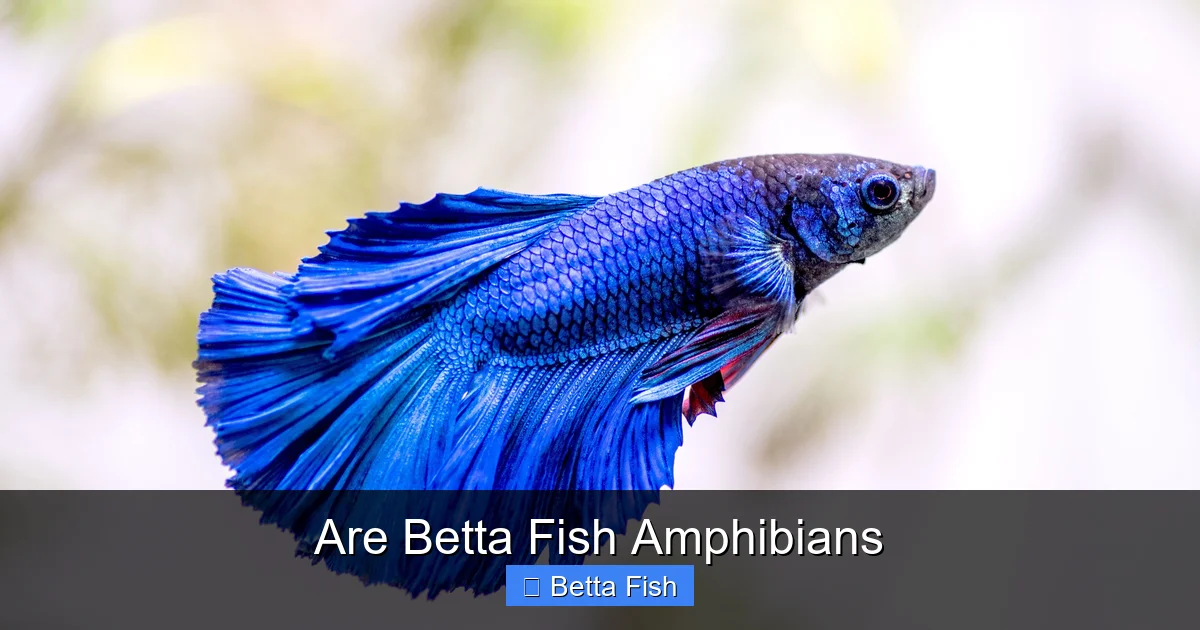
Visual guide about Are Betta Fish Amphibians
Image source: thesprucepets.com
For a deeper dive into their origins, check out Where Are Betta Fish Native To.
Physical Adaptations
Betta fish have a special “labyrinth organ” that lets them gulp air from the surface, allowing survival in oxygen‑poor water. This organ is often confused with amphibian lungs, but it functions differently—it’s an extra breathing surface, not a true lung.
3. Comparing Respiration: Gills vs. Lungs vs. Labyrinth
How Betta Fish Breathe
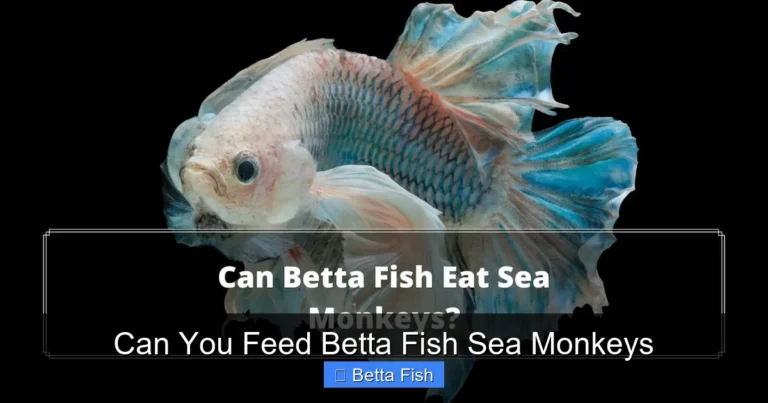
Betta fish primarily extract dissolved oxygen through gills, just like other fish. When oxygen levels dip, they surface to take a gulp of air, which passes into the labyrinth organ for gas exchange.
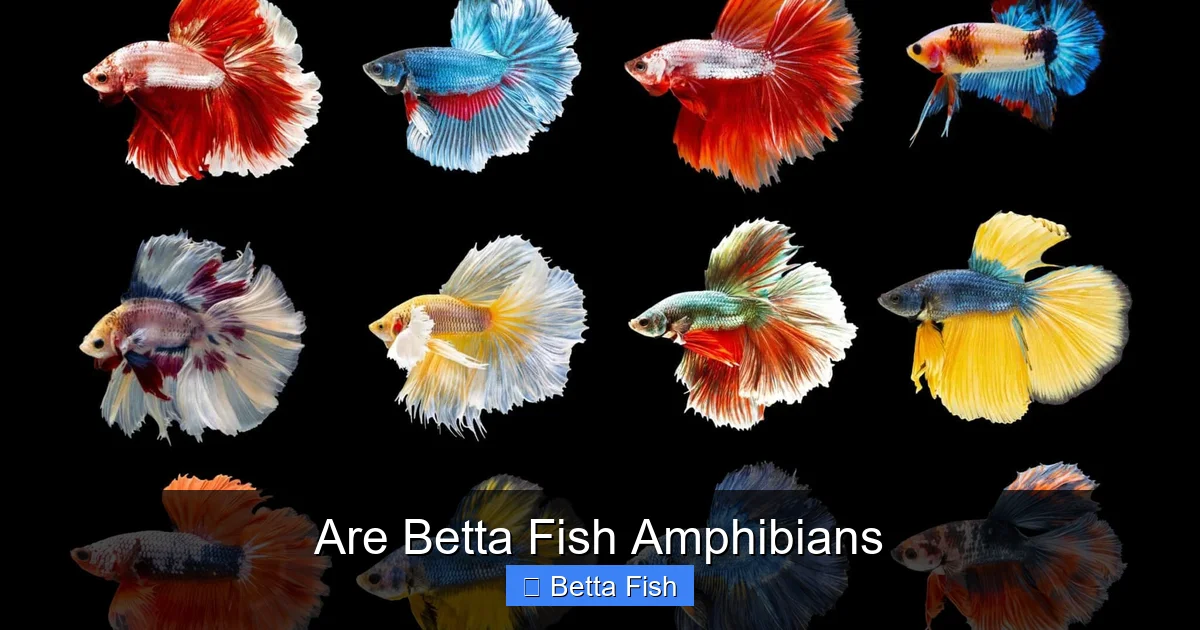
Visual guide about Are Betta Fish Amphibians
Image source: aquariumwhisperer.com
Amphibian Breathing
Amphibians start with gills as larvae, then develop lungs. Many also continue to breathe through their skin throughout life. This dual system is absent in bettas, which never develop lungs or skin respiration.
Practical Tip: Monitoring Oxygen
Even though bettas can use the labyrinth organ, a well‑aerated tank is still essential. Use a gentle air stone or a filter that creates surface agitation to keep dissolved oxygen levels healthy.
4. Reproduction: Eggs, Not Tadpoles
Betta Breeding Basics
Male bettas build bubble nests on the water’s surface. After the female lays eggs, the male fertilizes them and carefully places each egg into the nest. The eggs hatch into tiny, fully formed fry within 24‑36 hours—no larval stage.
Read more about their breeding behavior in Why Are My Betta Fish Not Breeding.
Amphibian Life Cycle
Most amphibians lay gelatinous eggs that hatch into aquatic larvae (tadpoles). These larvae undergo metamorphosis, growing legs, losing gills, and developing lungs before becoming terrestrial adults.
Why This Matters for Care
Since bettas don’t have a free‑swimming larval stage, you don’t need to provide special “tadpole” water conditions. A stable, warm environment (78‑80°F) and clean water are all that’s required for healthy fry.
5. Habitat Requirements: Water‑Only Life
Temperature and Water Quality
Betta fish are tropical; they thrive at 76‑82°F (24‑28°C). Consistent temperature, low nitrate, and a pH of 6.5‑7.5 mimic their natural habitats. Use a reliable heater and test kit.
Space and Environment
Despite myths about tiny bowls, bettas need at least a 5‑gallon tank with a gentle flow and places to hide. Live plants like Java moss or Anubias can improve water quality and provide comfort.
For plant suggestions, see Which Live Plants Are Good For Betta Fish.
Amphibian Habitat Needs
Amphibians require both aquatic and terrestrial zones—think a pond with a land area for basking. They also need humidity and often a seasonal change in temperature.
6. Common Misconceptions and How to Spot Them
Myth: “Betta fish can live on land like frogs.”
False. Betta fish lack lungs and cannot survive out of water for more than a few minutes. Their labyrinth organ only works when they can draw in air from the water’s surface.
Myth: “Bubbles mean they’re amphibians.”
Betta fish often create bubbles for their nests, not because they’re amphibians. Bubbles are a sign of a healthy, breeding‑ready male.
Myth: “Their bright colors mean they’re related to poison‑dart frogs.”
Coloration in bettas is a result of selective breeding, not a defensive toxin like many amphibians.
Practical Tip: Observation Checklist
- Do they stay fully submerged? Yes → fish.
- Do they have a bubble nest? Yes → betta behavior.
- Do they undergo metamorphosis? No → not amphibian.
7. Care Implications of Knowing Betta Fish Are Not Amphibians
Tank Setup
Because they are fish, bettas need a filtered, heated aquarium with a stable water column. No need for a land area or moisture‑controlled terrarium.
Feeding
Betta diets consist of high‑protein pellets, frozen or live foods like brine shrimp. Amphibians often eat insects, worms, and occasional plant matter.
Health Monitoring
Watch for signs of fish‑specific issues: fin rot, white spots, or gas bubble disease. Amphibian ailments, such as fungal skin infections, are unrelated.
For more on common health problems, explore Why Are My Betta Fish Fins Falling Off.
Conclusion: The Bottom Line
Betta fish are undeniably beautiful, but they belong firmly in the fish family, not the amphibian class. Their gills, egg‑laying habits, and strictly aquatic life set them apart from frogs, salamanders, and newts. Knowing this clears up confusion and ensures you give your betta the proper environment—warm, clean water, a modest tank, and a balanced diet.
Armed with the right knowledge, you can enjoy watching your betta flare its fins, build bubble nests, and thrive for years to come. Happy fish‑keeping!
Frequently Asked Questions
Are betta fish amphibians?
No. Betta fish are freshwater fish that breathe through gills and a labyrinth organ. Amphibians have lungs and a life cycle that includes both water and land stages.
Do betta fish need a land area in their tank?
No. Since they are fish, they live entirely in water. A well‑filtered, heated aquarium with hiding spots is sufficient.
Can bettas survive without water?
Only for a very short time. They must stay submerged; the labyrinth organ only lets them gulp air from the water’s surface, not breathe air directly.
What is the main difference between betta reproduction and amphibian reproduction?
Betta fish lay eggs that hatch into fully formed fry within a day. Amphibians lay eggs that hatch into larvae (tadpoles) which later metamorphose into adults.
Do betta fish need a heater?
Yes. They are tropical fish and thrive at 76‑82°F (24‑28°C). Consistent temperature is key to their health.
Why do bettas build bubble nests?
Male bettas build bubble nests to protect and oxygenate their eggs after fertilization. This behavior is unique to many labyrinth fish, not a trait of amphibians.