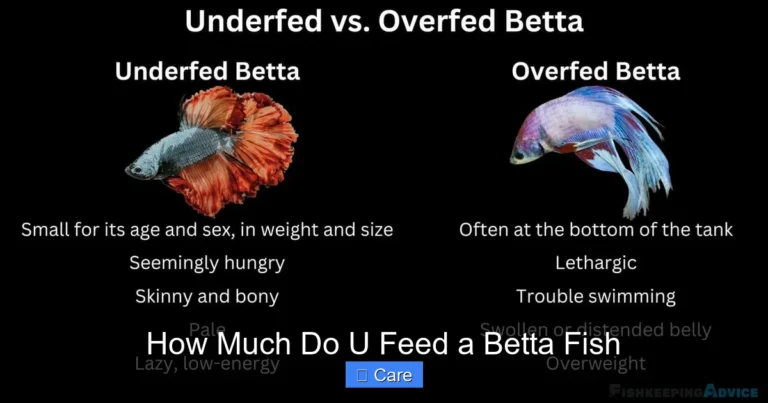
How Often Should You Feed a Betta Fish
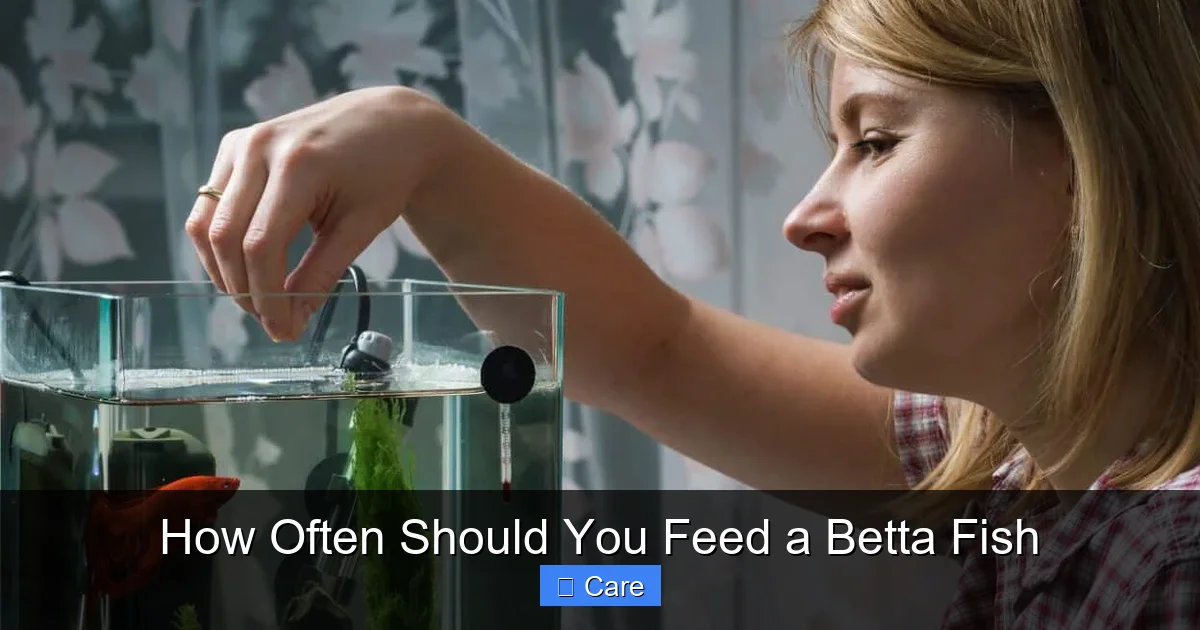
Feeding your betta fish correctly is crucial for its health and longevity. The general rule is to feed adult bettas 1-2 times daily, offering only what they can consume in 2-3 minutes. The most common mistake is overfeeding, which leads to serious health issues like constipation, swim bladder disorder, and toxic water pollution. A varied diet of high-quality pellets, frozen, or live foods is ideal. Implementing a weekly fast can aid digestion and keep your betta in top condition.
Key Takeaways
- Feed adult bettas 1-2 times per day: A consistent once or twice-daily schedule is sufficient. Juveniles may need 2-3 feedings.
- Portion control is everything: A meal should be no larger than the size of the betta’s eye (about 2-3 pellets). When in doubt, underfeed.
- Overfeeding is the #1 cause of health problems: It directly causes constipation, swim bladder disease, and foul water quality from uneaten food decay.
- Fasting is beneficial: Skipping one meal per week (a 24-hour fast) helps clear the digestive system and prevents bloating.
- Diet variety is key: Base the diet on high-quality betta pellets, but supplement with occasional frozen or live foods like brine shrimp or daphnia.
- Observe your fish: Watch your betta eat. If food hits the bottom, you’ve fed too much. A healthy betta is active and has a slightly rounded, not swollen, belly.
- Water quality is tied to feeding: Remove all uneaten food within 5 minutes. Excess food is the fastest way to poison your betta’s environment with ammonia and nitrates.
📑 Table of Contents
- Introduction: More Than Just a Pretty Face
- The Biological Blueprint: Why Betta Feeding is Unique
- Decoding the Schedule: How Often is Optimal?
- What’s on the Menu? Choosing the Right Foods
- The Art of Feeding: Technique and Observation
- When Things Go Wrong: Troubleshooting Common Issues
- Conclusion: The Pillars of Perfect Betta Nutrition
Introduction: More Than Just a Pretty Face
You’ve been captivated by the flowing fins and vibrant colors of your betta fish. That little jewel in a cup—or hopefully, a properly sized tank—has found a permanent spot in your home and heart. But keeping that beauty thriving requires more than just clean water and a pretty plant. It starts with understanding one of the most fundamental—and frequently misunderstood—aspects of betta care: feeding.
The question “how often should you feed a betta fish?” seems simple, but the answer is layered with nuance. Get it wrong, and you’re on the fast track to a constipated, swim bladder-afflicted, or water-quality-sick fish. Get it right, and you’ll be rewarded with a curious, active, and spectacularly healthy companion for years. This guide will move beyond the oversimplified “twice a day” advice. We’ll dive deep into the science of betta digestion, the critical importance of portion control, the perfect food pyramid for your carnivorous friend, and the strategic use of fasting. By the end, you’ll have the confidence and knowledge to feed your betta with precision and care.
The Biological Blueprint: Why Betta Feeding is Unique
To truly understand the “how often,” we must first understand the “why.” Bettas, or Siamese fighting fish, are not the herbivorous nibblers some might assume. They are carnivorous surface feeders by nature. In the shallow, warm rice paddies and stagnant ponds of Southeast Asia, their diet consists primarily of insects, insect larvae (like mosquitoes), tiny crustaceans, and zooplankton that fall onto the water’s surface. This evolutionary history shapes everything about their dietary needs.
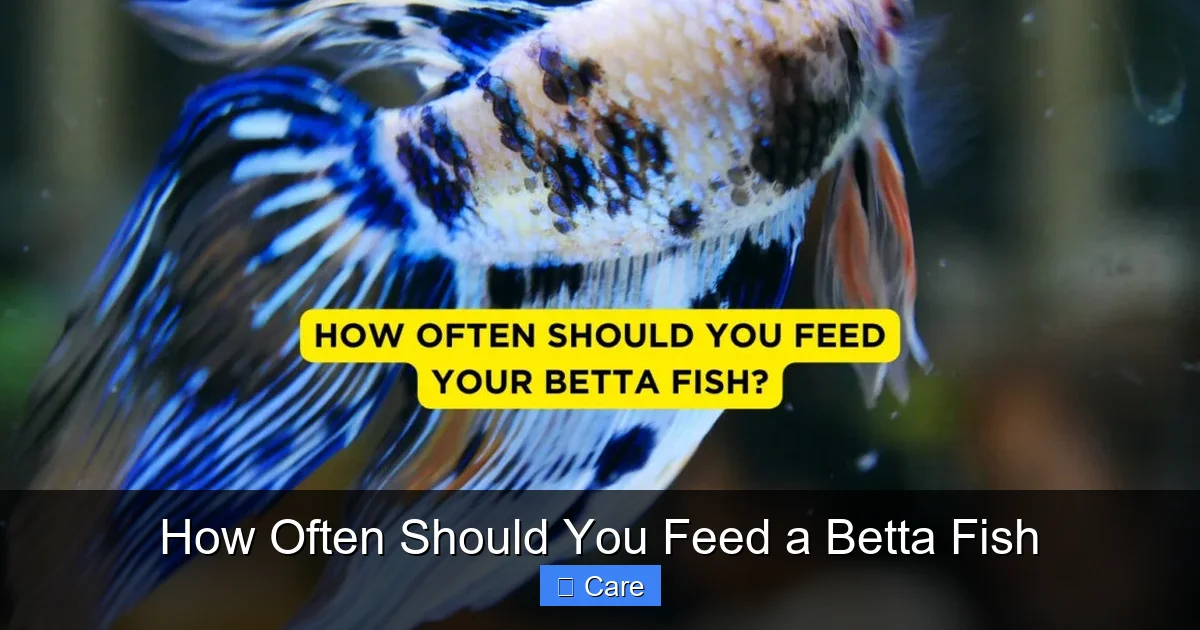
Visual guide about How Often Should You Feed a Betta Fish
Image source: fishtrivia.com
A Short Digestive Tract for a Protein-Powered Lifestyle
Unlike herbivorous fish that have long, complex digestive tracts to break down plant matter, a betta’s digestive system is short and simple. It is designed to process high-protein, easily digestible animal matter quickly. This is the single most important fact to remember. Foods high in carbohydrates, fillers, or plant-based materials (like some generic tropical fish flakes) pass through them largely undigested. This undigested material rots inside their gut, leading to constipation—the root cause of many betta ailments, including the dreaded swim bladder disorder. A constipated gut presses against the swim bladder, causing the fish to float upside down, sink, or swim erratically.
The “Eye-Size” Portion Rule: Nature’s Measuring Cup
Given their tiny stomachs—roughly the size of their own eye—betta fish have an incredibly small capacity for food. This is where the famous “eye-size rule” comes from. A proper portion for one meal is approximately the volume of one or two of the betta’s own eyeballs. For most commercial betta pellets, this equates to 2-3 pellets per feeding. It’s a shockingly small amount to new owners, but it is biologically correct. Their metabolism is not that of a constantly grazing fish; they are ambush predators that eat small, nutrient-dense meals in the wild. Overfeeding does not make them grow bigger; it makes them sick and pollutes their water.
Decoding the Schedule: How Often is Optimal?
Now, to the core question. For a healthy adult betta (over 4-6 months old) in a stable, heated, filtered tank (minimum 5 gallons), the optimal feeding schedule is once or twice per day. Let’s break down the reasoning and the variables.
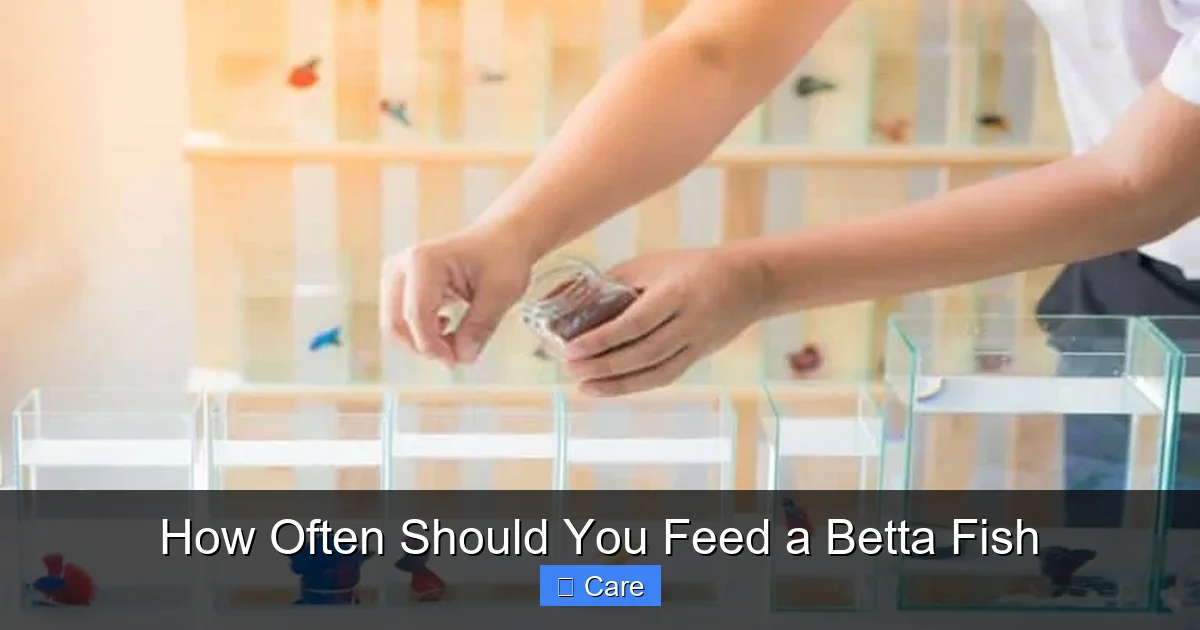
Visual guide about How Often Should You Feed a Betta Fish
Image source: fishtrivia.com
Once-a-Day vs. Twice-a-Day: The Great Debate
Both schedules can work perfectly, and the choice often comes down to owner preference and the individual fish’s activity pattern. A single, slightly larger (but still correct) meal in the morning mimics a larger wild catch. Two smaller meals, spaced about 8-12 hours apart (e.g., morning and early evening), can help maintain steady energy. The key is that the total daily food volume remains the same. If you feed twice, the portion at each sitting should be smaller—perhaps one pellet at each feeding if your total is two pellets per day. Consistency is more important than the specific number of feedings. Pick a schedule you can stick to, as bettas thrive on routine.
Special Considerations: Fry, Juveniles, and Seniors
Not all bettas are the same. Fry (newly hatched) and juvenile bettas are growing at an incredible rate and have higher energy demands. They can and should be fed 2-3 small meals per day of appropriately sized foods (like infusoria, newly hatched brine shrimp, or crushed high-quality fry food). Their tiny stomachs still require minute portions at each feeding. As they mature, gradually reduce to the adult schedule. Senior bettas (3+ years) may have a slower metabolism. Some owners find their older bettas do best on a single small meal per day or even every other day, observing the fish’s body condition and activity level closely.
The Critical Role of the Weekly Fast
One of the most powerful tools in your betta-keeping arsenal is the scheduled weekly fast. This means providing no food for one full 24-hour period, typically once a week. This practice is not cruel; it’s biologically beneficial. In the wild, a betta might not have a successful hunt every single day. A weekly fast serves several crucial purposes:
- Digestive Reset: It gives the entire digestive tract a complete rest and clears out any residual undigested material, virtually eliminating the risk of chronic constipation.
- Prevents Overfeeding complacency: It breaks the owner’s habit of daily feeding and reinforces that missing one meal is perfectly safe and healthy.
- Mimics Natural Scarcity: It aligns slightly with their natural feast-or-famine patterns.
Choose a day that works for you (e.g., Sunday) and simply skip that day’s feeding. Your betta will be fine and likely more active and alert the next day.
What’s on the Menu? Choosing the Right Foods
Frequency and portion are only half the equation. What you feed is equally, if not more, important. A poor-quality diet, even if fed correctly in amount, will lead to nutritional deficiencies and poor health over time.
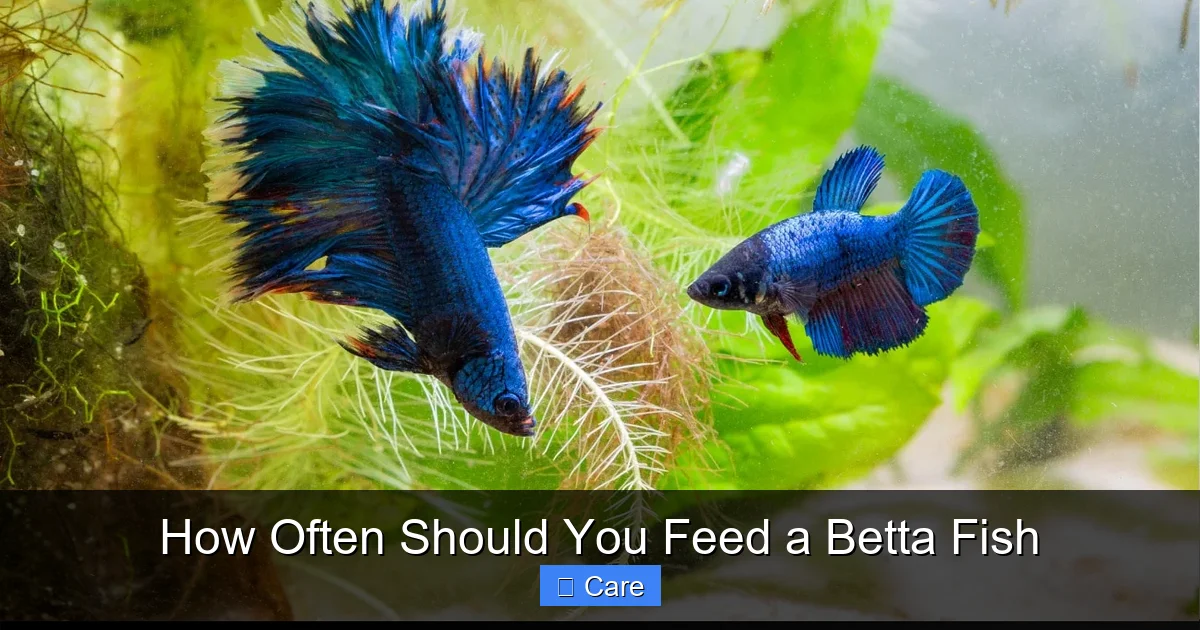
Visual guide about How Often Should You Feed a Betta Fish
Image source: buildyouraquarium.com
The Foundation: High-Quality Betta Pellets
Your betta’s staple diet should be a high-quality pellet formulated specifically for bettas. These are not the same as generic tropical fish flakes or pellets. Look for pellets where the first few ingredients are named animal proteins (e.g., whole fish, shrimp meal, squid meal, krill meal). Avoid products with “fish meal” as the first ingredient (it’s vague and low-quality) or long lists of wheat, soy, corn, and other fillers. Good brands are often more expensive, but you use so little that a container lasts a long time. These pellets are nutritionally complete, sinking slowly to allow your betta to eat at the surface, and are formulated for their specific carnivorous needs.
Essential Supplements: Frozen & Live Foods
Pellets should be the base, but variety is essential for optimal health, vibrant color, and mental stimulation. Think of frozen and live foods as the “treats” that pack a massive nutritional punch. The best options are:
- Frozen Brine Shrimp (especially enriched): A classic. They are easy to digest, high in protein, and their swimming motion triggers natural hunting behavior. Rinse before feeding.
- Frozen Bloodworms: The ultimate betta favorite. Use sparingly (once a week max) as they are very rich and can cause constipation if overused. Always rinse.
- Frozen Daphnia: Often called “water fleas,” these are fantastic for aiding digestion due to their high fiber content. They are an excellent food to offer if your betta is slightly constipated or as a regular weekly supplement.
- Live Foods (occasionally): Microworms, vinegar eels, or small live brine shrimp are the ultimate enrichment. They provide excitement and exercise. Only source from a clean, trusted culture to avoid introducing parasites.
These foods should be offered 2-3 times per week in place of a pellet meal, not as an additional meal. For example: pellets Monday, frozen brine shrimp Tuesday, pellets Wednesday, fast Thursday, pellets Friday, frozen daphnia Saturday, pellets Sunday.
Foods to Avoid Entirely
Some common foods are dangerous or nutritionally void for bettas. Never feed:
- Generic tropical fish flakes: Too much plant fill, bettas often don’t recognize them as food.
- Bettamin Plus or similar “color-enhancing” foods as a staple: These are often high in fat and low in quality protein. They can cause fatty liver disease.
- Earthworms or large feeder insects: Too big, can cause impaction, and may carry pesticides or parasites.
- Human food: No bread, no peas (a common myth for constipation—daphnia is better), no meat. Their systems cannot process it.
- Freeze-dried foods without pre-soaking: These can expand in the betta’s stomach and cause serious constipation. If you use them, always soak in tank water for 5-10 minutes first to rehydrate.
The Art of Feeding: Technique and Observation
How you feed is as important as what and when you feed. Proper technique ensures your betta gets the food, you avoid polluting the water, and you can monitor health.
The Process: A Delicate Operation
1. Prepare the Food: If using frozen food, rinse it in a small cup of tank water to remove the preservative liquid. If using pellets, have them ready.
2. Signal Your Betta: Gently tap the glass or blow on the surface lightly. Bettas are smart and will learn this means food is coming.
3. Drop the Food: Drop the 2-3 pellets directly in front of your betta. For frozen foods, use a pipette or your fingers to release a small clump near the surface.
4. Watch and Wait: Observe your betta eat. It should consume the food within 30-60 seconds. Bettas are surface feeders and may chase food that sinks slightly.
5. Clean Up Immediately: Using a net or a turkey baster, remove every single uneaten morsel within 2-3 minutes. This is non-negotiable. Decaying food at the bottom is a primary cause of ammonia spikes.
Reading Your Betta’s Body Language
Your betta is constantly giving you feedback. A healthy, well-fed betta will:
- Be alert and curious, exploring its environment.
- Have a slightly rounded but not swollen or “pineapple-shaped” belly.
- Display vibrant colors and erect, flowing fins.
- Eat eagerly but not ravenously at feeding time.
Signs of potential trouble from incorrect feeding include:
- A visibly bloated, constipated belly: Looks like a pine cone or is firm to the touch. This is an emergency requiring fasting and possibly a daphnia treatment.
- Lethargy and clamped fins: Often a sign of poor water quality from overfeeding or internal discomfort.
- Spitting out food: Could mean the food is too large, too hard (freeze-dried not soaked), or the fish is constipated.
- Swim bladder symptoms (floating/sinking erratically): Almost always linked to constipation from overfeeding or poor diet. Begin with a 3-5 day fast.
When Things Go Wrong: Troubleshooting Common Issues
Even with the best intentions, problems can arise. Here’s how to identify and fix the most common feeding-related issues.
Constipation: The #1 Culprit
Symptoms: A swollen, hard belly; stringy feces (may be white or clear); lethargy; loss of appetite; eventual swim bladder issues.
Cause: Almost always overfeeding, especially with hard-to-digest foods like dry pellets or freeze-dried foods without soaking. A lack of fiber in the diet.
Treatment: 1) Stop all food immediately. 2) Perform a partial water change (25-50%) to ensure excellent water quality. 3) After 2-3 days of fasting, offer a small amount of daphnia (frozen or live). Its natural laxative effect is the safest and most effective remedy. 4) Re-evaluate your portion sizes and diet variety. Ensure you are soaking any freeze-dried foods.
Swim Bladder Disorder (SBD)
Symptoms: Inability to maintain depth; swimming upside down, sideways, or in circles; floating to the top; sinking to the bottom.
Cause: In 90% of cases, it is a symptom of severe constipation pressing on the swim bladder organ. Other causes include bacterial infection, parasites, or physical injury.
Treatment: The first and most important step is to assume constipation. Implement the constipation treatment protocol above (fast, then daphnia). If there is no improvement after 5-7 days, consider a bacterial infection and consult a vet or experienced forum for antibiotic treatments like Maracyn 2. Do not attempt to “pop” the bladder or use Epsom salt baths without a confirmed diagnosis of fluid retention, not constipation.
Foul Water and Ammonia Spikes
Symptoms: Cloudy water, strong odor, fish gasping at the surface, lethargy, red or inflamed gills.
Cause: Decaying, uneaten food breaking down into toxic ammonia. This is a direct result of overfeeding.
Treatment: 1) Remove all visible uneaten food immediately. 2) Perform a 50% water change with properly dechlorinated water at the same temperature. 3) Test water parameters immediately with a liquid test kit. Ammonia should be 0 ppm. 4) For the next week, feed half your normal portion or skip a meal to reduce bioload. 5) Ensure your filter is functioning properly and not clogged with debris. Prevention is always better: feed less, clean faster.
Conclusion: The Pillars of Perfect Betta Nutrition
Feeding your betta fish correctly is not a complex science, but it is a practice rooted in understanding their unique biology. It boils down to a few core principles that, when followed, will give your fish a long, vibrant, and healthy life. Remember: your betta is a carnivorous surface-dweller with a stomach the size of its eye. Therefore, feed high-quality, animal-protein-based foods in tiny, eye-sized portions. Stick to a consistent schedule of once or twice daily for adults, and never underestimate the power of a weekly fast to reset the system. Make pellets your dietary base and use frozen or live foods as superior supplements 2-3 times a week. Finally, become a master of observation and cleanup. Your betta’s body condition and the clarity of your tank water are the ultimate feedback systems. By respecting their small size and specific needs, you move from being just a pet owner to a dedicated caregiver, ensuring that dazzling betta continues to flash its fins and greet you with curiosity for years to come. It’s not about how much you give, but how wisely you give it.
Frequently Asked Questions
Can I feed my betta fish once every other day?
For a healthy adult betta, feeding once every other day is generally too infrequent and can lead to weight loss and lethargy. Stick to once or twice daily with correct portions. The only exception is implementing a single, scheduled 24-hour fast once per week, which is highly beneficial.
What is the best time of day to feed a betta fish?
There is no single “best” time. The key is consistency. Choose a time when you are home and can observe your betta eat, such as morning or early evening. Bettas are diurnal (active during the day), so avoid feeding right before the lights go out if you have a day/night cycle.
Why does my betta spit out its pellets?
This is common and usually means one of three things: 1) The pellets are too large for your betta’s mouth (try a smaller pellet size). 2) The pellets are too hard/dry (if using freeze-dried, ensure they are soaked for 5-10 minutes first). 3) Your betta is constipated and not feeling well, so it is refusing food. Check for a swollen belly and consider a fast.
How do I know if I’m underfeeding or overfeeding my betta?
Underfeeding is rare but shows as a thin, concave body profile, lethargy, and a sunken abdomen. Overfeeding is far more common. Signs include a swollen, hard “pineapple” belly, frequent constipation, dirty water, and lethargy. When in doubt, underfeed. You can always offer a tiny bit more at the next meal if they seem genuinely hungry, but you cannot undo the damage of overfeeding.
Is it okay to use generic tropical fish food for my betta?
It is not recommended. Generic tropical flakes and pellets are formulated for omnivores and herbivores and are packed with plant-based fillers like wheat and soy that bettas cannot digest. This leads to constipation and poor nutrition. Always use food specifically formulated for bettas or carnivorous fish.
My betta isn’t eating. What should I do?
First, don’t panic. A skipped meal is not an emergency. Check your water parameters immediately—poor water quality is the most common reason for a loss of appetite. Ensure the water is warm (78-80°F/25-27°C). Try offering a different, enticing food like a tiny piece of frozen brine shrimp. If your betta hasn’t eaten in 3-4 days and shows other signs of illness (clamped fins, spots, sores), it may be sick and require quarantine and treatment.