How to Move a Betta Fish Without a Net
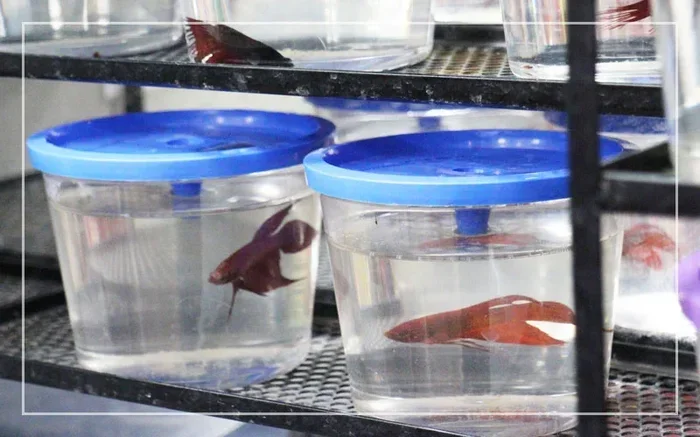
Moving a betta fish without a net is easier than you think. You can use a plastic cup, a small container, or even your hands to safely transfer your betta. This guide shows you the best methods to keep your fish calm and healthy during every move.
Moving a betta fish can feel stressful, especially when you do not have a net on hand. Whether you are setting up a new tank, cleaning the old one, or just rearranging your aquarium, you need a safe way to move a betta fish without harming it. The good news is that you do not need fancy equipment to get the job done.
In this guide, we will walk you through every method you can use to move a betta fish without a net. From the simple cup method to using your bare hands, you will find practical tips that actually work. We will also cover how to reduce stress, prepare the water, and make the whole process smooth for both you and your fish.
If you have ever worried about hurting your betta during a transfer, this article is for you. Let us break down the best approaches so you can feel confident every time you need to relocate your fish.
Key Takeaways
- Use a plastic cup or small container: The cup method is the safest and most popular way to move a betta fish without a net.
- Prepare the water first: Always match temperature and water parameters to reduce stress on your betta during the move.
- Handle with care: Gentle hands-on techniques work well if you are patient and move slowly.
- Avoid sudden changes: Keep lighting, temperature, and water quality stable throughout the transfer process.
- Acclimate your betta after moving: Let your fish adjust to the new environment gradually for the best results.
📑 Table of Contents
- Why Moving a Betta Fish Without a Net Matters
- The Cup Method: The Best Way to Move a Betta Fish Without a Net
- Using a Small Container to Move Your Betta Fish
- Can You Use Your Hands to Move a Betta Fish?
- Preparing the Water for a Stress-Free Move
- Reducing Stress During the Move
- Common Mistakes to Avoid When Moving a Betta Fish Without a Net
- Setting Up the Destination Before You Move
- What to Do After the Move
- When You Need to Move Your Betta Fish Long Distance
- Final Thoughts
Why Moving a Betta Fish Without a Net Matters
Many fish owners reach for a net without thinking. But nets can damage betta fins and cause unnecessary stress. Betta fish have long, flowing fins that tear easily. A rough net can hurt them or strip their protective slime coat.
Using alternative methods keeps your fish safe and reduces the risk of injury. It also gives you more control over the transfer process. When you transfer a betta fish gently, your fish stays calmer and healthier.
Here are the main reasons you should avoid nets when possible:
- Fin damage: Nets can catch and tear delicate betta fins.
- Stress: Being caught in a net causes panic and elevated cortisol levels.
- Slime coat removal: Nets strip away the protective layer on a betta’s skin.
- Better control: Cups and containers let you guide the fish more precisely.
The Cup Method: The Best Way to Move a Betta Fish Without a Net
The cup method is the most popular and effective technique for moving a betta fish without a net. It is simple, safe, and works for almost any situation. You just need a clean plastic or glass cup and a little patience.
Step-by-Step Cup Method
Follow these steps to move your betta safely using a cup:
- Prepare a clean cup: Use a plastic or glass cup that has been rinsed with plain water. Do not use soap or any chemicals.
- Lower the cup slowly: Gently place the cup into the tank water at an angle. Let it sink below the surface slowly.
- Guide the betta in: Wait for your betta to swim into the cup naturally. You can gently herd it by tilting the cup slightly.
- Lift the cup carefully: Once the betta is inside, lift the cup straight up out of the water. Move slowly and keep the cup level.
- Transfer to the destination: Lower the cup into the new tank or bowl at the same angle you used to enter.
- Release the betta: Tilt the cup gently and let the fish swim out on its own. Do not pour the fish out.
This method works because betta fish are curious and will often explore the cup on their own. If your betta is shy, try dimming the lights a bit to encourage it to move into the cup.
Quick Tips for the Cup Method
- Use a cup that is at least 8 ounces for adult bettas.
- Make sure the cup has no sharp edges or rough surfaces.
- Work in a quiet room with dim lighting to keep your betta calm.
- Have the destination container filled with water at the right temperature before you start.
Using a Small Container to Move Your Betta Fish
If the cup method does not feel right for your setup, a small container works great too. Many fish keepers use a small plastic container or even a deli cup to transport a betta fish. This method gives you a bit more control, especially for larger bettas.
How to Use a Container for Transfer
Start by filling the container with water from the betta’s current tank. This keeps the water parameters familiar and reduces shock. Then lower the container into the tank and let your betta swim inside. Once the fish is in, carefully lift the container out and pour it gently into the new tank.
One big advantage of this method is that the betta stays in familiar water the entire time. This is especially helpful during betta fish acclimation when moving between tanks with different water conditions.
Here is what to look for when choosing a container:
- Size: At least 2 to 3 cups of volume for a single betta.
- Material: Use food-grade plastic or glass. Avoid anything with chemical residue.
- Opening: A wide opening makes it easier for the betta to enter and exit.
- Transparency: Clear containers let you see the fish and monitor its behavior.
Can You Use Your Hands to Move a Betta Fish?
Yes, you can move a betta fish with your hands. This method works best when you have a calm, trusting betta that is used to your presence. Gentle hands-on handling can be very effective if done correctly.
How to Safely Handle a Betta Fish by Hand
First, make sure your hands are clean and free of soap, lotion, or any chemicals. Rinse them thoroughly with tank water. Then gently place your hand flat in the water near your betta. Let the fish come to you. Once the betta is close, cup your hand gently around the fish and lift it out of the water.
Hold the betta close to the surface of the new tank or bowl. Slowly open your hand and let the fish swim away. The key is to move slowly and never squeeze or grip the fish tightly.
This method works well for betta fish handling during routine tank maintenance or when moving the fish to a temporary holding container. It builds trust between you and your fish over time.
Important: Only use this method if your betta is calm and comfortable with your hands. If the fish seems stressed or tries to jump away, switch to the cup method instead.
Preparing the Water for a Stress-Free Move
Water preparation is one of the most important steps when you relocate a betta fish. Betta fish are sensitive to changes in temperature, pH, and water quality. Taking the time to prepare the water properly makes a huge difference.
Match the Water Temperature
Before you move your betta, check the temperature of both the source and destination water. The ideal range for bettas is between 78 and 80 degrees Fahrenheit. Use a thermometer to make sure both tanks match closely. A sudden temperature drop or spike can shock your fish.
Check Water Parameters
Beyond temperature, pay attention to pH and ammonia levels. Betta fish thrive in water with a pH between 6.5 and 7.5. If you are moving your betta to a new tank, make sure the water has been properly cycled and tested first. You can learn more about cycling a betta tank without fish to ensure the water is safe before the move.
Use Tank Water When Possible
Whenever you can, use water from the betta’s current tank to fill the transport container. This keeps the water parameters for betta consistent and minimizes stress. If you must use new water, let it sit for 24 hours to remove chlorine and reach room temperature.
Reducing Stress During the Move
Stress is the biggest enemy when moving a betta fish. A stressed betta can become sick, lose color, or refuse to eat. Taking steps to minimize stress should be your top priority during any transfer.
Keep the Environment Calm
Turn off loud music and dim the lights in the room. Betta fish are sensitive to noise and sudden changes in light. A calm environment helps keep your fish relaxed throughout the process.
Work Quickly but Gently
Do not drag the process out. The longer your betta is out of water or in an unfamiliar container, the more stressed it becomes. Have everything ready before you start the move. Set up the destination tank or bowl ahead of time so you can transfer the fish right away.
Monitor Your Betta After the Move
After the move, watch your betta closely for the next few hours. Look for signs of stress like rapid breathing, hiding, or clamped fins. If you notice any of these, check the water temperature and quality. Give your fish time to adjust. You can learn more about treating a stressed betta fish if your fish shows signs of distress after the move.
Common Mistakes to Avoid When Moving a Betta Fish Without a Net
Even the best intentions can lead to mistakes. Here are the most common errors fish keepers make when they move a betta fish without a net:
- Using soapy containers: Never use a container that has been washed with soap. Even small residues can be toxic to bettas.
- Pouring the fish out: Always let the betta swim out on its own. Pouring can damage fins and cause panic.
- Skipping water preparation: Moving your betta into unprepared water is a recipe for stress and potential illness.
- Moving too fast: Rushing the process increases the chance of injury and makes the fish more stressed.
- Forgetting to acclimate: If the destination tank has different water conditions, take time to acclimate your betta gradually.
Avoiding these simple mistakes will keep your betta safe and healthy every time you need to make a move.
Setting Up the Destination Before You Move
Before you even start the transfer, make sure the destination is ready. This is especially important if you are putting a betta fish in a new bowl or setting up a new tank. Having everything ready means less time for your fish to spend outside its home environment.
Fill the new container with water at the right temperature. If you are moving to a new tank, make sure the tank has been set up and the water is cycled. You can read our guide on setting up a fish tank for betta fish for detailed instructions on creating a safe home.
Also, make sure the new environment has a lid or cover. Betta fish are jumpers and can easily escape during a stressful move. A secure lid keeps your fish safe while it adjusts to the new space.
What to Do After the Move
Once the move is complete, give your betta some time to settle in. Avoid feeding your fish for the first few hours. This gives the digestive system time to adjust and reduces the risk of water contamination from uneaten food.
Check the water quality in the new tank or bowl the next day. Look for any changes in ammonia, nitrite, or pH levels. Keeping the water clean and stable is essential for your betta’s long-term health. You can learn more about taking care of betta fish water to maintain the best conditions after a move.
Observe your betta’s behavior over the next 24 to 48 hours. A healthy betta will start exploring its new home, swimming actively, and showing its normal colors. If your fish seems lethargic or hides for an extended period, check the water parameters and temperature again.
When You Need to Move Your Betta Fish Long Distance
Sometimes you need to move your betta fish over a long distance, such as when relocating to a new home. In these cases, the cup method or a small container works best. Use a sturdy container with a secure lid to prevent spills and escapes during transport.
Pack the container with water from the betta’s current tank. Keep the container in a stable, temperature-controlled environment. Avoid placing it in direct sunlight or near cold drafts. For more detailed advice on long-distance moves, check out our guide on how to transport a betta fish long distance.
Final Thoughts
Knowing how to move a betta fish without a net is an essential skill for every betta owner. Whether you choose the cup method, a small container, or gentle hands-on handling, the key is to move slowly and keep the water conditions stable. Your betta fish will thank you with a stress-free transition and continued good health.
Remember to prepare the destination ahead of time, match the water temperature and parameters, and monitor your fish after the move. With these simple steps, every transfer becomes a smooth and safe experience for both you and your betta.
Keep these methods in mind for your next tank cleaning, tank setup, or any situation where you need to relocate your betta fish. A little preparation goes a long way in keeping your fish happy and healthy.
Frequently Asked Questions
Can I use a regular kitchen cup to move my betta fish?
Yes, a clean plastic or glass kitchen cup works perfectly for the cup method. Just make sure it has been rinsed with plain water and contains no soap residue. The cup should be at least 8 ounces for an adult betta fish.
How long can a betta fish stay in a transport container?
A betta fish should not stay in a transport container for more than 30 minutes to an hour. The longer the fish is out of its normal environment, the more stressed it becomes. Prepare the destination tank ahead of time so you can transfer the fish quickly.
Is it safe to move a betta fish with my bare hands?
Yes, it is safe if done gently and with clean, chemical-free hands. Make sure your hands are rinsed in tank water first. Support the betta carefully and let it swim out of your hands on its own. Avoid gripping or squeezing the fish.
Do I need to acclimate my betta after moving it to a new tank?
Yes, acclimation is important if the new tank has different water conditions. Float the container with your betta in the new tank for 15 to 20 minutes to let the temperatures equalize. Then gradually add small amounts of the new tank water to the container before releasing the fish.
What if my betta fish won’t swim into the cup?
Try dimming the lights and being patient. You can also gently guide the betta by tilting the cup slightly. If the fish still refuses, try using a small container instead. Sometimes a larger opening makes the betta feel more comfortable entering.
How do I clean the transport container after moving my betta?
Rinse the container with plain water only. Do not use soap or any cleaning chemicals. Let it air dry completely before storing it. This keeps the container safe and ready for the next time you need to move your betta fish.