How Often Do I Feed a Betta Fish
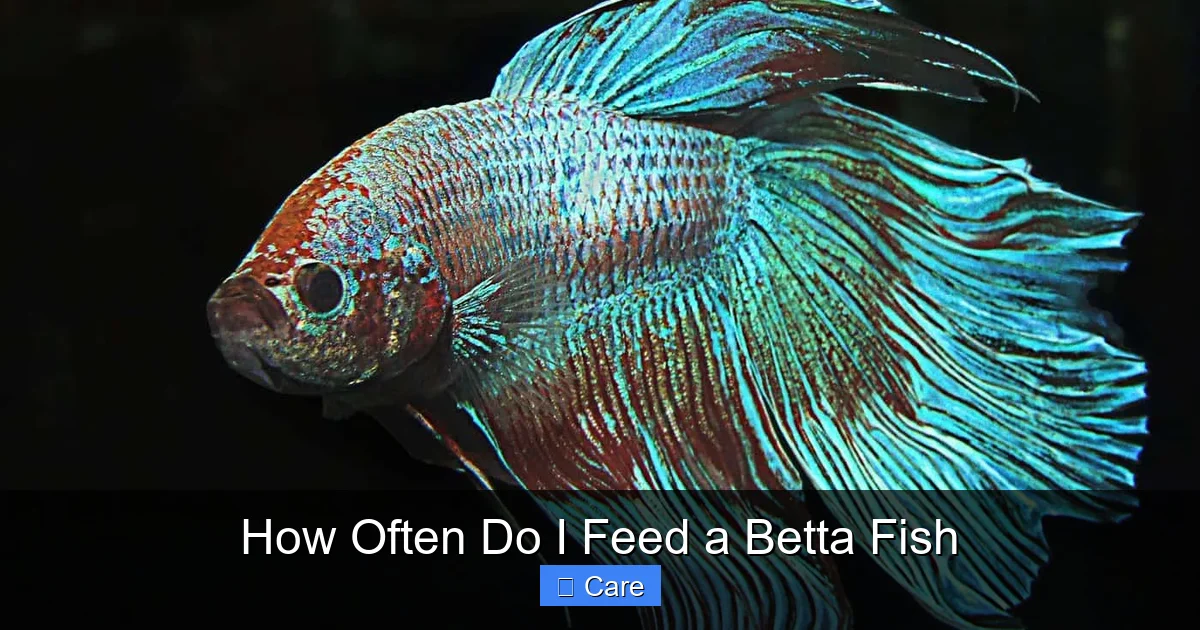
Feeding your betta fish correctly is one of the most critical aspects of its care, yet it’s often misunderstood. The rule of thumb is to offer a portion no larger than its eye, once or twice daily. Overfeeding is the single most common mistake new betta owners make, leading to serious health problems like constipation, swim bladder disease, and toxic water conditions. Consistency, high-quality food, and careful observation are key to a long, healthy life for your aquatic pet.
So, you’ve brought home that stunning, flowing-finned betta fish. You’ve set up the perfect tank with a heater and a gentle filter. You’ve even picked out a beautiful name. Now comes the million-dollar question that plagues every new betta owner: how often do I feed a betta fish? It seems simple, but getting this one detail right is absolutely fundamental to your fish’s health, happiness, and longevity. The answer, it turns out, is deceptively simple, but the reasons behind it are fascinating and crucial to understand.
Let’s be honest: we love to feed our pets. It’s an act of care and affection. But with betta fish, that instinct can lead us straight into trouble. These little carnivorous survivors are built for a lifestyle of feast and famine in the shallow, warm waters of Southeast Asia. They are not grazers; they are ambush predators. Their tiny digestive tracts are not designed for constant, abundant meals. This biological fact is the cornerstone of all proper betta husbandry. Underfeeding is rarely an issue in the home aquarium, but overfeeding is a silent, daily killer. This guide will move beyond a simple number and give you the deep understanding needed to feed your betta with confidence, ensuring it thrives for years to come.
Key Takeaways
- Feed sparingly: A betta’s stomach is roughly the size of its eye. Offer an amount that matches this tiny volume once or twice a day.
- Overfeeding is dangerous: Excess food decays, polluting water and causing digestive issues like constipation and swim bladder disorder.
- Fasting is beneficial: Skipping one meal per week (a 24-hour fast) gives the digestive system a rest and can help clear minor blockages.
- Variety is essential: While high-quality pellets should be the staple, supplement with frozen or live foods like brine shrimp for optimal nutrition.
- Observe and adjust: Watch your betta during feedings. If food consistently sinks uneaten, you are feeding too much or too often.
- Water quality is linked to feeding: Uneaten food is the primary cause of ammonia spikes in small tanks. Remove all leftovers within 2-3 minutes.
- Health depends on diet: A proper diet prevents common ailments and enhances your betta’s brilliant colors and active, curious behavior.
📑 Table of Contents
- Understanding the Betta’s Digestive System: The “Eye-Sized” Rule
- The Golden Schedule: Frequency and Timing
- Portion Control: More Than Just a Guess
- Food Choices: Building a Nutritious and Varied Diet
- The Critical Link: Feeding and Water Quality
- Recognizing a Healthy Betta: The Proof is in the Behavior
- Special Considerations: Fry, Sick Fish, and Vacations
Understanding the Betta’s Digestive System: The “Eye-Sized” Rule
To truly grasp how often to feed a betta fish, we must first appreciate its physiology. The most famous and important rule in betta care is the eye-sized portion. If you look at your betta’s body, its stomach is located just behind its gills and pectoral fins. In a healthy, well-fed betta, you should not see a visibly distended or bloated belly. The ideal portion of food—be it pellets, flakes, or frozen brine shrimp—should have a total volume roughly equivalent to the size of your betta’s eyeball.
Why Is Their Stomach So Small?
Betta splendens, in their natural habitat, are solitary hunters living in shallow rice paddies, ditches, and slow-moving streams. They are not filter feeders; they are insectivores and small crustacean eaters. Their meals consist of a mosquito larva here, a tiny water bug there. They might not eat again for a day or two. Over millions of years, their digestive system evolved for this sporadic, protein-rich diet. A long, winding intestine is not needed for processing plant matter. Instead, they have a short, straight digestive tract optimized for breaking down animal protein and fat quickly. Feeding them more than they can handle in one sitting overwhelms this system.
The Dangers of Ignoring the Rule
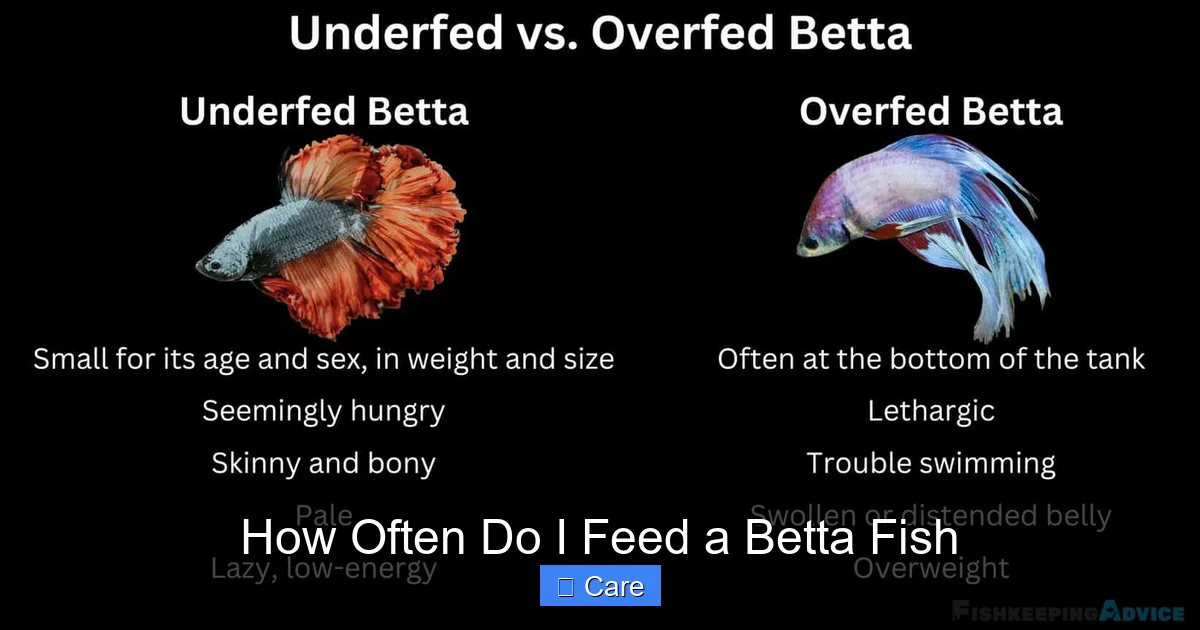
When you consistently feed more than that eyeball-sized portion, several bad things happen inside your betta. First, the food sits in its stomach and intestines, fermenting. This causes gas buildup, leading to constipation—a common issue seen as a swollen, pinecone-like appearance. Second, the pressure from the bloated intestines can physically press against the swim bladder, a gas-filled organ that helps the fish control its buoyancy. This results in swim bladder disorder, where the fish may float uncontrollably, sink, or swim erratically and upside-down. These conditions are stressful, painful for the fish, and often difficult to cure, requiring fasting and sometimes medication. Prevention through correct feeding is infinitely better than treatment.
The Golden Schedule: Frequency and Timing
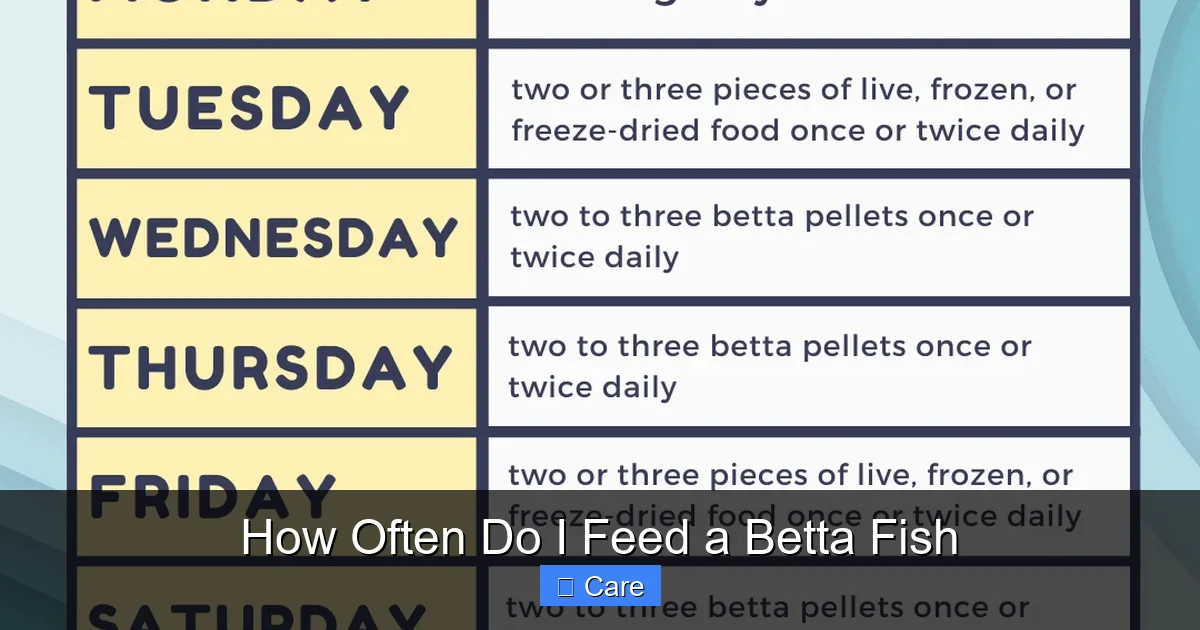
Now for the direct answer to how often do I feed a betta fish: the consensus among experienced aquarists and veterinarians is once or twice daily. But this isn’t a rigid command; it’s a starting framework that must be tailored to your specific fish and routine.
Visual guide about How Often Do I Feed a Betta Fish
Image source: fishkeepingadvice.com
Once vs. Twice Daily: Which Is Better?
For most adult bettas, feeding once a day is perfectly sufficient and carries a lower risk of accidental overfeeding. A single, properly measured meal in the morning or early evening mimics their natural sporadic eating pattern. Many keepers find this simpler and less prone to error. However, feeding twice a day—a very small portion in the morning and another in the evening—can be fine if you are extremely diligent about measuring. The key principle is that the total daily food volume should not exceed one to two eyeball-sized portions. If you feed twice, each meal should be half of that total volume. For younger, growing bettas (fry and juveniles), more frequent feedings (2-3 times daily) of appropriately sized foods (like infusoria, microworms, or crushed pellets) are necessary to support rapid growth.
The Importance of a Feeding Routine
Bettas are creatures of habit. Establishing a consistent feeding time does two things. First, it trains your betta to expect food at a certain time, reducing stress. You’ll often see them perk up and swim to the front of the tank as you approach. Second, it creates a predictable schedule for you, the owner, making it easier to remember and stick to the correct amount. Choose a time that works for you—perhaps right after you get home from work or during your morning coffee—and try to stick to it within an hour or so each day.
Incorporating a Weekly Fast
A powerful pro-tip for digestive health is to implement a 24-hour fast once a week. Simply skip one day of feeding. This gives the betta’s digestive system a complete rest, helps clear any minor blockages, and can even stimulate a better appetite the next day. It’s a natural reset that aligns with their evolutionary history of inconsistent food availability. Don’t worry about your fish “starving”—a healthy adult betta can easily go a week without food, though that’s not recommended. One day is a therapeutic break.
Portion Control: More Than Just a Guess
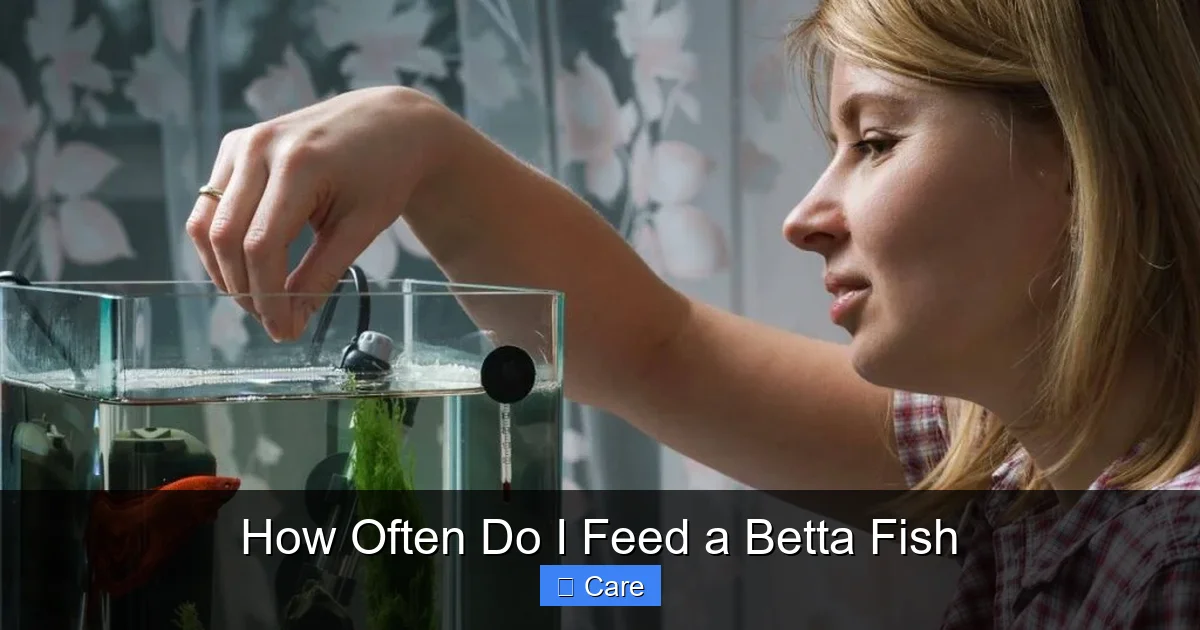
Knowing the frequency is useless if you can’t measure the portion. Guessing leads to overfeeding. Here are practical, foolproof methods to get the amount right every single time.
Visual guide about How Often Do I Feed a Betta Fish
Image source: behaviorchart.net
The Pellet Method
If you use high-quality betta pellets (which you should), this is the easiest way. Pour a small number of pellets into the lid of the container or a separate dish. For an adult betta, start with 2-3 pellets per feeding. That’s it. Really. If your betta is particularly large, you might increase to 4, but 3 is a safe average. Wait a minute after adding them. If they are all consumed greedily, you can consider adding one more the next day, but only if there is no leftover. If any pellets sink to the bottom uneaten, you are feeding too many. Reduce the amount.
The “Soak and Squeeze” for Pellets
Always pre-soak dry pellets in a small cup of tank water for 30-60 seconds before feeding. This is non-negotiable. Dry pellets absorb water and expand in the betta’s stomach, potentially causing dangerous bloating and constipation even if you only fed a few. Soaking them first allows them to expand *before* your fish eats them. After soaking, you can gently squeeze the pellets with your fingers to remove excess water and make them sink slowly, which is more natural for a betta that often feeds near the surface.
Measuring with Frozen or Live Foods
For frozen foods like brine shrimp, daphnia, or bloodworms, thaw a small cube in a dish of tank water. Then, use a clean toothpick or pipette to scoop a tiny amount—think a few individual shrimp or a small clump. A good visual is a pile no bigger than the head of a pin. For live foods like microworms or vinegar eels, dip a toothpick into the culture and swirl it in the tank; the few worms that cling to it are enough. The goal is to provide a tasting portion, not a full meal buffet.
The 2-3 Minute Rule
This is your safety net. Offer the food. Observe. Your betta should consume the majority of it within the first 30-60 seconds. Any food still floating or sinking after 2-3 minutes is excess and must be removed with a net or pipette. This rule is vital for maintaining pristine water quality. It’s better to underfeed by a tiny bit and offer a missed meal later than to leave decaying food in the tank.
Food Choices: Building a Nutritious and Varied Diet
Answering how often to feed a betta fish also involves knowing what to feed. A monotonous diet of low-quality flakes will lead to nutritional deficiencies and poor health. A good betta diet is diverse and high-quality.
Visual guide about How Often Do I Feed a Betta Fish
Image source: fishlab.com
The Staple: High-Quality Betta Pellets
Choose pellets specifically formulated for bettas. They are designed with a higher protein content (at least 40%) and ingredients that bettas can digest easily. Avoid generic “tropical fish” flakes and pellets, which are often plant-based and can cause digestive issues. Good brands list whole fish or shrimp as the first ingredient. Use these as your base, 4-5 days a week.
The Essential Supplements: Frozen & Live Foods
This is where you provide essential nutrients and enrichment. Frozen foods are a fantastic, safe, and convenient option. Keep a few cubes of high-quality frozen brine shrimp, daphnia, or mysis shrimp in the freezer. Daphnia is especially good as a natural laxative due to its high fiber content, helping to prevent constipation. Live foods like microworms, vinegar eels, or small mosquito larvae are the ultimate treat and stimulate natural hunting behaviors. However, they carry a risk of introducing parasites or pathogens, so source them carefully or culture your own. Offer these supplements 2-3 times a week, replacing the pellet meal for that day.
What to Avoid
Never feed your betta bread, rice, or generic human food. Their systems cannot process carbohydrates. Avoid feeder fish (like goldfish), as they are fatty and can introduce disease. Be cautious with freeze-dried foods (like bloodworms); they can also expand in the stomach and should always be pre-soaked. Also, avoid over-reliance on any single food type, especially bloodworms, which are low in certain essential nutrients and can cause loose stools if fed too often.
The Critical Link: Feeding and Water Quality
You cannot discuss how often to feed a betta fish without discussing water quality. They are inextricably linked. In a small betta tank (a minimum of 5 gallons is recommended), the water volume is limited. Every piece of uneaten food and every gram of waste becomes a concentrated pollutant.
The Nitrogen Cycle on Overdrive
Uneaten food decomposes rapidly, turning into ammonia—the most toxic compound in an aquarium. Beneficial bacteria in your filter and on surfaces convert ammonia to nitrite (also toxic) and then to nitrate (less toxic but still problematic in high amounts). Overfeeding dumps a massive, sudden load of organic material into this cycle, causing toxic ammonia and nitrite spikes that can burn your betta’s gills, poison its blood, and lead to rapid death. Cloudy water is often the first visible sign of a bacterial bloom caused by overfeeding.
Filtration and Maintenance Demands
The more you feed, the harder your filter has to work to process the resulting waste. Filter media (sponges, bio-balls) gets clogged with food debris faster, reducing its efficiency and water flow. This necessitates more frequent filter cleanings, which if done improperly (e.g., with chlorinated tap water), can crash the beneficial bacteria colony. The bottom line: the less you feed, the less you have to clean, and the more stable your tank’s ecosystem will be. A correctly fed betta in a properly cycled tank will produce a manageable amount of waste that your filter can handle between weekly water changes.
Recognizing a Healthy Betta: The Proof is in the Behavior
When you get the feeding right, the results are spectacular and easy to observe. A properly nourished betta is a vibrant, active, and beautiful pet.
Positive Signs of Correct Feeding
Look for these indicators: Vibrant, rich coloration—reds are redder, blues are bluer. Active and curious behavior—your betta should flare at you, explore its territory, and rest peacefully on a plant leaf or hammock. Clean, unclogged fins—no ragged edges or signs of rot. A healthy, slightly rounded body—not skinny, not bulbous. Regular, normal bowel movements—small, dark, and stringy, not long, white, or clear. Strong appetite without greediness—it comes to eat eagerly but doesn’t frantically gulp and choke.
Warning Signs of Dietary Problems
These symptoms often point directly to feeding errors: Constipation: A swollen, tight belly, often with a “pinecone” scale appearance. The fish may struggle to swim normally. Swim Bladder Disorder: Floating helplessly at the top, sinking to the bottom, swimming upside-down, or listing to one side. Lethargy and clamped fins: The opposite of active, often a sign of poor water quality from overfeeding or an internal issue. Faded colors: Dull, washed-out appearance can indicate nutritional deficiency. Spitting out food: Can mean the food is too large, too dry, or your betta simply isn’t feeling well. Excessive waste: Long, stringy white poop can be a sign of internal parasites, but short, brown waste is normal. A sudden increase in waste volume often means you’re feeding too much.
Special Considerations: Fry, Sick Fish, and Vacations
Life throws curveballs. Here’s how to adjust your feeding strategy for special situations.
Feeding Betta Fry (Babies)
Betta fry are a completely different story. For the first 2-3 days after hatching, they live off their yolk sacs. After that, they need tiny, live foods multiple times a day (3-4 feedings). Suitable first foods include infusoria, microworms, and newly hatched brine shrimp (nauplii). They have incredibly high metabolisms and tiny mouths. As they grow (over 3-4 weeks), you can gradually introduce finely crushed high-quality betta pellets and larger foods. The frequency and type change rapidly as they develop.
Feeding a Sick or Constipated Betta
If you suspect constipation or swim bladder issues, the first and most important step is to fast your betta for 24-72 hours. No food at all. This gives the digestive system a complete rest and often resolves mild blockages on its own. After the fast, offer a small amount of daphnia (frozen or live). Its high fiber content acts as a natural laxative. Only return to a normal diet once normal feces are observed. If symptoms persist after a fast and daphnia, consult a veterinarian or specialized aquarium resource, as medication may be needed for parasites or bacterial infections.
Going on Vacation: The Safe Approach
Never, ever use a “weekend feeder” or “vacation feeder” block for a betta. These are designed for large community tanks with grazing fish. They dissolve too quickly, polluting the water, and the betta will likely gorge itself on the massive amount of food, leading to certain illness. The safest option is to have a trusted friend or family member come over and feed the correct, tiny portion every other day. Show them the “eye-sized” rule and the 2-3 minute cleanup rule in person. If no one is available, a properly automated feeder set to dispense one or two pellets once during your trip is a last resort, but it’s risky if the feeder jams or misaligns. The safest bet is to shorten your trip or arrange reliable help.
In the grand scheme of how often to feed a betta fish, the answer is less about a specific number on a calendar and more about a philosophy of restraint and observation. It’s about respecting the biology of a wild animal in a glass box. By feeding a tiny, appropriate portion once or twice a day, incorporating variety, fasting weekly, and immediately removing all traces of uneaten food, you are performing the single most important act of care for your betta. You are not just providing sustenance; you are safeguarding its delicate internal organs and the pristine water it calls home. The reward for this discipline is a breathtakingly beautiful, energetic, and long-lived companion that will greet you with a flare of its magnificent fins for years to come. Remember, when in doubt, feed less. Your betta’s health depends on it.
Frequently Asked Questions
What are the signs that I am overfeeding my betta fish?
The most common sign is visible bloating or constipation, where the belly looks swollen and may have a “pinecone” scale appearance. You may also see uneaten pellets sinking to the bottom after 2-3 minutes, cloudy water, and increased waste production. Behavioral signs include lethargy, clamped fins, and difficulty swimming due to potential swim bladder issues.
Can I skip feeding my betta for a day or two?
Yes, absolutely. A healthy adult betta can easily go a week without food. In fact, fasting for one 24-hour period per week is highly recommended to give its digestive system a rest and help prevent constipation. Skipping a meal is far safer than accidentally overfeeding.
Is it okay to feed my betta only pellets?
While high-quality betta pellets should be the dietary staple, a diet of 100% pellets is not ideal for long-term health. You should supplement with protein-rich foods like frozen brine shrimp, daphnia, or mysis shrimp 2-3 times a week. This variety provides essential nutrients and fatty acids that pellets may lack and mimics a more natural diet.
How do I know if I’m feeding the right amount of pellets?
Start with 2-3 pre-soaked pellets per feeding for an adult betta. Your betta should consume all of them within a minute or two. If any pellets sink and remain on the tank floor after 2-3 minutes, you are feeding too many. Reduce the amount at the next feeding. The ideal portion is roughly the size of your betta’s eyeball.
My betta isn’t eating. What should I do?
First, check your water parameters (ammonia, nitrite, nitrate, temperature). Poor water quality is the most common cause of appetite loss. Ensure the water is warm (78-80°F/25.5-26.5°C) and pristine. Try offering a different food, like a small piece of frozen daphnia. If the betta still refuses after 24 hours, fast it for a day and try again. Persistent anorexia is a serious sign of illness and requires investigation.
What is the best time of day to feed my betta?
There is no single “best” time. The most important factor is consistency. Choose a time that fits your daily schedule—morning or early evening—and stick to it. Bettas will learn to anticipate food at that time. Some owners prefer a morning feeding as it aligns with the betta’s natural active periods and allows for observation before the day’s activities.