How Many Times Do U Feed a Betta Fish
Finding the right feeding routine is key to a thriving betta. Most bettas do best with two small meals a day, but factors like age, health, and tank conditions can change that. Follow these simple guidelines and keep your finned friend happy and healthy.
Key Takeaways
- Two meals a day is ideal: Most healthy adult bettas thrive on two small feedings, spaced 8‑12 hours apart.
- Adjust for life stage: Fry need 3‑4 feedings; seniors may need only one.
- Portion control prevents bloating: Offer only what your betta can eat in 2‑3 minutes.
- Watch water quality: Over‑feeding clouds the water and stresses your fish.
- Use varied foods: Combine pellets, frozen or live foods for balanced nutrition.
- Observe behavior: Appetite changes can signal health issues.
- Consistency matters: Feed at the same times each day to establish a routine.
📑 Table of Contents
- Introduction: Why Feeding Frequency Matters
- 1. The Classic Two‑Meal‑ADay Rule
- 2. Adjusting for Age and Life Stage
- 3. Portion Size: The 2‑Minute Rule
- 4. Types of Food and Their Feeding Frequency
- 5. Signs Your Feeding Schedule Needs Tweaking
- 6. Practical Tips for Busy Owners
- Conclusion: Consistency Is the Key to a Happy Betta
- Further Reading
Introduction: Why Feeding Frequency Matters
When you first bring home a betta, the excitement can be overwhelming. Bright colors, flowing fins, and that curious “flaring” behavior make them instant favorites. But the real test of a good caregiver is daily maintenance—especially feeding. How many times do u feed a betta fish isn’t just a trivia question; it determines growth, coloration, and overall health.
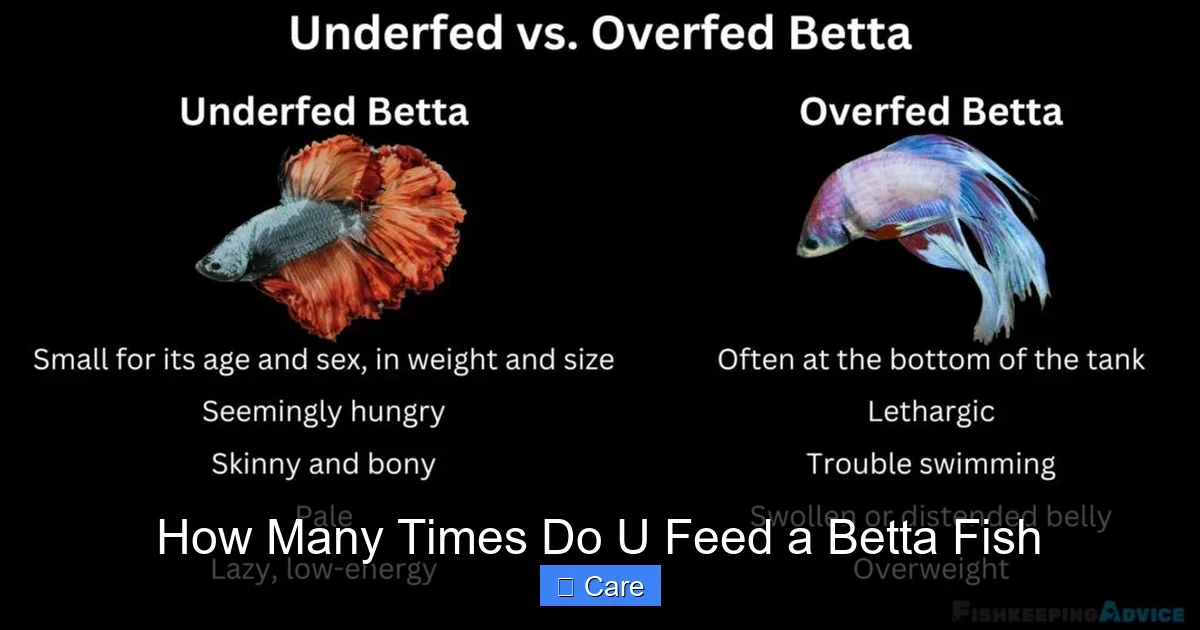
Unlike goldfish that can gulp down a lot at once, bettas have tiny stomachs and fast metabolisms. Over‑feeding leads to constipation, swim‑bladder problems, and cloudy water. Under‑feeding, on the other hand, can cause dull colors and a weakened immune system. In this guide we’ll break down the perfect schedule, explain why it works, and give you practical tips you can start using tonight.
1. The Classic Two‑Meal‑ADay Rule
What the research says
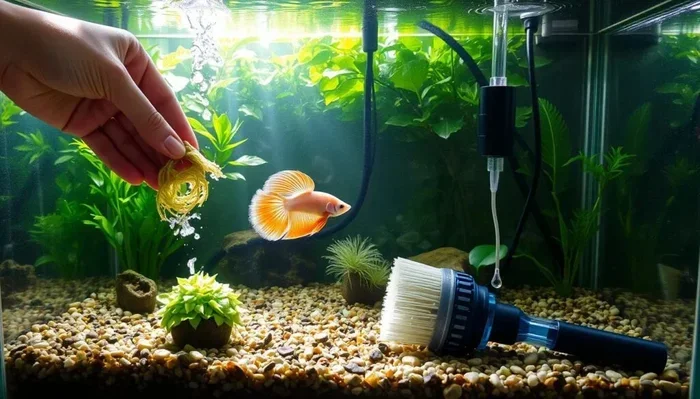
Most aquarists agree that two small meals per day are the sweet spot for an adult betta in good health. This schedule mimics their natural hunting pattern in the wild, where they snack on insects and larvae throughout daylight hours.
Visual guide about How Many Times Do U Feed a Betta Fish
Image source: fishkeepingadvice.com
How to time the feedings
- Morning feed: Between 8 am and 10 am, give a pinch of high‑quality pellets or a small frozen daphnia portion.
- Evening feed: Between 6 pm and 8 pm, repeat the same amount. The gap of 8‑12 hours lets the digestive system rest.
Consistency helps your betta anticipate meals, reducing stress. If you’re away for a weekend, consider an automatic feeder set to release the same tiny amount twice a day.
2. Adjusting for Age and Life Stage
Fry (0‑3 months)
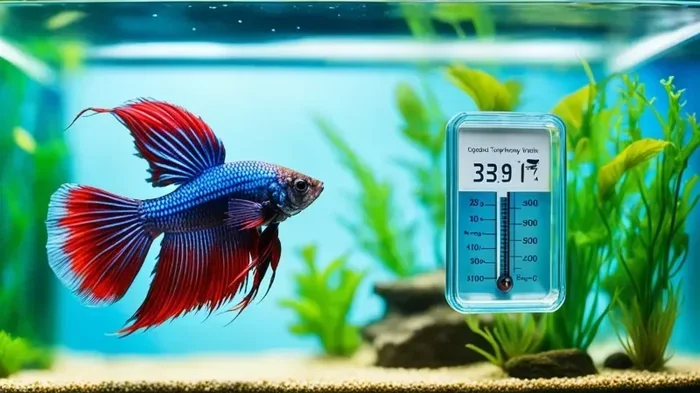
Betta fry have tiny stomachs but rapid growth rates. Feed them 3‑4 times daily in very small portions. Commercial fry food, microworms, or newly hatched brine shrimp work well. Remember to rinse frozen foods before offering them to avoid excess ice crystals.
Visual guide about How Many Times Do U Feed a Betta Fish
Image source: ekk4j69ebaa.exactdn.com
Juveniles (3‑6 months)
Transition to two meals a day but keep portions slightly larger than adult feeds. You can start introducing high‑protein treats like bloodworms a couple of times per week.
Seniors (12+ months)
Older bettas often move slower and may lose appetite. Reduce feeding to once a day, preferably in the evening when they are most active. Monitor for weight loss and adjust portions accordingly.
3. Portion Size: The 2‑Minute Rule
Why 2‑3 minutes?
Betta fish can only swallow a few pellets at a time. If food remains uneaten after 2‑3 minutes, it will sink and decompose, polluting the water. This is a leading cause of “fry‑bloat” and cloudy tanks.

Visual guide about How Many Times Do U Feed a Betta Fish
Image source: petfood.guide
How much is a pinch?
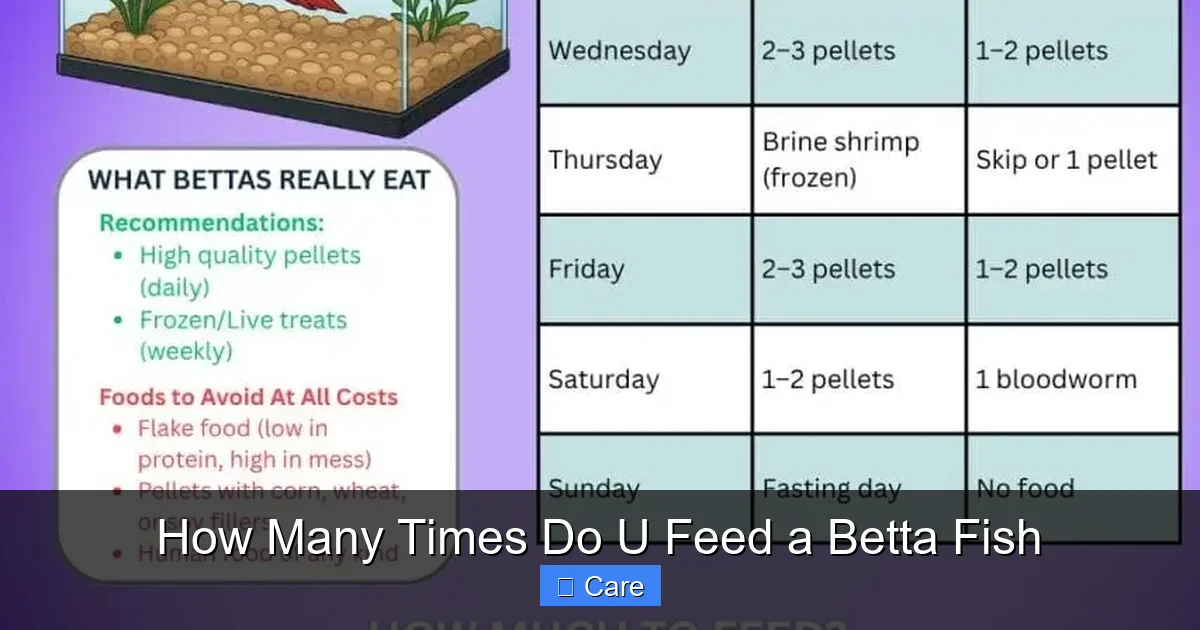
- For pellets: 2‑3 pellets (about the size of a grain of rice) per feeding.
- For frozen foods: a pea‑sized dab, thawed and rinsed.
- For live foods: 1‑2 brine shrimp or a small mosquito larva.
Always observe your betta. If it finishes the food quickly, you can slightly increase the portion next time. If leftovers remain, cut the amount in half.
4. Types of Food and Their Feeding Frequency
Pellets – the staple
High‑quality betta pellets are nutritionally balanced and sink slowly, giving your fish time to eat. Feed pellets twice a day as described above.
Frozen and live foods – the treats
These are richer in protein and should be offered no more than 2‑3 times per week. Overuse can cause digestive upset.
Vegetable matter
Occasional blanched peas help with constipation. Offer a single pea once a week, mashed lightly.
5. Signs Your Feeding Schedule Needs Tweaking
Over‑feeding symptoms
- Cloudy water within 24‑48 hours of feeding.
- Swim‑bladder floatation or sinking.
- Frequent bloating or a “puffy” belly.
Under‑feeding symptoms
- Dull coloration and faded fins.
- Reduced activity, staying at the bottom.
- Weight loss over a few weeks.
If you notice any of these signs, reassess portion size, frequency, and water quality. A quick water change can often reverse minor over‑feeding effects.
6. Practical Tips for Busy Owners
Use an automatic feeder
Choose a feeder that can dispense 1‑2 pellets at a time. Program it for morning and evening feeds, and always test it before leaving your fish unattended.
Keep a feeding log
Write down the date, type of food, and amount. Over a month you’ll see patterns and can adjust more precisely.
Combine feeding with tank maintenance
Feed right after a water change when the water is clean and oxygen levels are high. This gives your betta the best environment to digest.
Conclusion: Consistency Is the Key to a Happy Betta
Answering the question “how many times do u feed a betta fish” is easier than it sounds once you understand the principles of portion control, life‑stage needs, and water quality. Stick to two small meals a day for most adult bettas, adjust for fry or seniors, and always watch for signs of over‑ or under‑feeding. With a little routine and observation, your betta will reward you with brilliant colors, lively flares, and a long, healthy life.
Further Reading
For more detailed guidance, check out these related articles on our site:
- How Many Times Do You Feed A Betta Fish
- How Often Do U Feed A Betta Fish
- How Much Should You Feed A Betta Fish
Frequently Asked Questions
How many times a day should I feed an adult betta?
Two small feedings spaced 8‑12 hours apart are ideal for most healthy adult bettas.
Can I feed my betta once a day?
Yes, especially for older or less active bettas, but monitor for weight loss and dull colors.
What if my betta looks hungry after the second feeding?
Offer a tiny extra portion (one pellet or a pea‑sized dab of frozen food). If hunger persists, check water quality and health.
Is it okay to give my betta treats every day?
Treats like bloodworms or brine shrimp should be limited to 2‑3 times per week to avoid digestive issues.
How do I know if I’m over‑feeding?
Cloudy water, bloated belly, or swim‑bladder problems are clear signs you’re feeding too much.
Should I change my betta’s feeding schedule on weekends?
Keep the schedule the same. If you’re away, use an automatic feeder or ask a friend to maintain the routine.