Are Bettas Tropical Fish The Truth About Betta Care
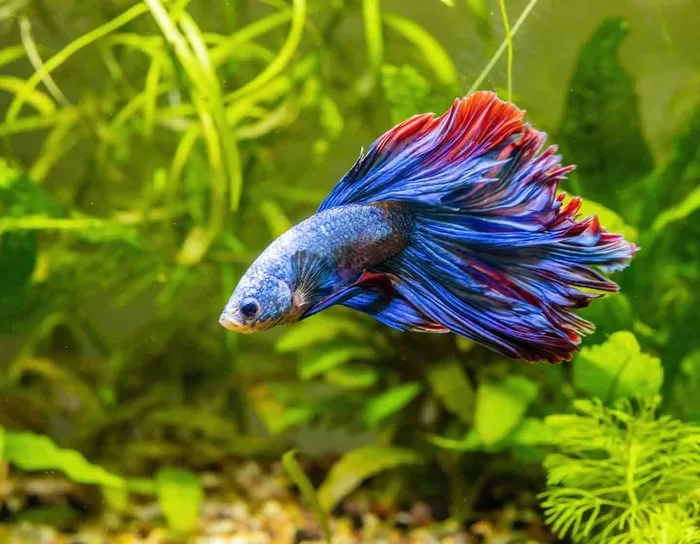
Yes, bettas are tropical fish that thrive in warm, clean water. Many new owners misunderstand their needs, leading to poor health. This guide explains betta fish habitat requirements, ideal temperatures, and essential care tips. Learn how to create the perfect environment for your Siamese fighting fish.
Many people ask the same question when they bring home a beautiful betta. Are bettas tropical fish? The answer is a clear yes. These vibrant swimmers come from warm waters in Southeast Asia. They need specific conditions to live well. If you keep them in cold or unstable water, they will struggle. Understanding their tropical nature helps you give them the best care possible.
Bettas are known for their bright colors and flowing fins. They are also called Siamese fighting fish. Their popularity makes them a common choice for beginners. But popularity does not mean they are easy to ignore. Tropical fish have unique needs. This guide breaks down everything you need to know. You will learn about temperature, water quality, tank setup, and daily care. Let’s dive into the truth about betta care.
Key Takeaways
- Bettas are tropical fish: They require warm water between 78-80°F to stay healthy and active.
- Stable temperature matters: Sudden temperature changes can cause stress, illness, or even death in bettas.
- Clean water is essential: Tropical fish like bettas need filtered, dechlorinated water to thrive.
- Proper tank size helps: A minimum 5-gallon tank supports better water quality and swimming space.
- Avoid cold water setups: Keeping bettas in cold water weakens their immune system and shortens their lifespan.
- Heaters are recommended: A reliable aquarium heater maintains consistent warmth for your betta fish.
- Monitor water conditions: Regular testing ensures your tropical fish environment stays safe and balanced.
📑 Table of Contents
- Understanding the Tropical Nature of Bettas
- Ideal Habitat and Tank Setup for Tropical Bettas
- Water Quality and Filtration Needs
- Feeding and Nutrition for Tropical Bettas
- Common Health Issues and How to Prevent Them
- Bettas and Community Tanks: What You Should Know
- Daily Care Routine for a Happy Betta
- Conclusion
Understanding the Tropical Nature of Bettas
Bettas originate from shallow rice paddies, slow-moving streams, and warm ponds. These habitats stay warm year-round. That is why bettas are tropical fish by nature. Warm water supports their metabolism, immune system, and overall energy. When the water drops too low, their body functions slow down. They become sluggish and more prone to sickness.
Temperature plays a huge role in betta health. The ideal range sits between 78 and 80 degrees Fahrenheit. Some owners think room temperature is enough. That is often a mistake. Most homes run cooler than what a tropical fish needs. A simple heater can make a big difference. Consistent warmth keeps your betta active and comfortable.
Why Temperature Stability Matters
Tropical fish do not handle sudden changes well. A quick drop in temperature can shock their system. Even a few degrees of fluctuation causes stress. Stress weakens their defenses. That opens the door to common issues like fin rot or ich. Keeping the water steady is just as important as keeping it warm.
You can maintain stability with a good heater and a thermometer. Check the water daily. Make adjustments slowly if needed. Avoid placing the tank near drafty windows or cold doors. These simple steps protect your betta from unnecessary stress.
Quick Tip
Use an adjustable aquarium heater with a built-in thermostat. Pair it with a separate thermometer to double-check the reading. This small setup helps you maintain the perfect tropical environment.
Ideal Habitat and Tank Setup for Tropical Bettas
A proper tank setup supports the natural needs of tropical fish. Bettas need more than a small bowl. Small containers trap heat unevenly and allow waste to build up fast. A larger tank gives your fish room to swim and explore. It also holds water more steadily. That means fewer temperature swings and better water quality.
Start with a tank that holds at least five gallons. This size is manageable for beginners and much healthier for your betta. Add a gentle filter to keep the water clean without creating strong currents. Bettas prefer calm water. Strong flow can tire them out and damage their fins.
Choosing the Right Tank Size
Tank size affects everything in your betta’s life. Smaller tanks pollute faster. Larger tanks stay stable longer. Here is a simple comparison to help you choose:
| Tank Size | Best For | Key Benefit |
|---|---|---|
| 2-3 gallons | Short-term or travel setups | Compact and portable |
| 5 gallons | Standard betta home | Stable water and easy care |
| 10+ gallons | Community or planted tanks | Excellent stability and swimming space |
A 5-gallon tank is a strong starting point. It gives your betta room to move and makes water maintenance easier. If you plan to add plants or decorations, a larger tank gives you more flexibility. Just remember that bigger tanks still need proper heating and filtration.
Decor and Plants for Comfort
Bettas enjoy places to rest and hide. Live plants work well because they help clean the water. They also soften the look of the tank. If you use artificial plants, choose smooth materials. Rough plastic can tear delicate fins. Add a quiet cave or a flat leaf for resting spots near the surface.
Keep the top of the tank covered if possible. Bettas sometimes jump when startled. A secure lid prevents accidents. It also helps reduce heat loss from the water surface. A comfortable setup supports natural behavior and keeps your tropical fish calm.
Water Quality and Filtration Needs
Clean water is the foundation of good betta care. Betta fish water requirements include low ammonia, low nitrites, and controlled nitrates. Tropical fish thrive when the water is free from harmful chemicals. Tap water often contains chlorine or chloramine. These substances can harm your fish. Always condition new water before adding it to the tank.
Filtration helps maintain a healthy cycle. Beneficial bacteria break down waste and keep the tank balanced. A gentle filter supports this process without stressing your betta. Avoid powerful filters that create strong currents. The goal is clean water with gentle movement.
Maintaining the Right Water Parameters
Regular testing keeps you informed. Check pH, ammonia, nitrite, and nitrate levels. Bettas prefer a pH around 6.5 to 7.5. They can adapt to slight variations, but extreme swings are harmful. Stable parameters matter more than perfect numbers. Here are the main things to watch:
- Ammonia: Should stay at zero. Even small amounts can burn gills and stress fish.
- Nitrites: Should also stay at zero. These are toxic and indicate an incomplete cycle.
- Nitrates: Keep them low with regular water changes. High nitrates cause long-term stress.
- Temperature: Keep it steady in the tropical range for bettas.
- Dechlorinated water: Always treat tap water before use.
Perform partial water changes on a routine schedule. Replace about 25 to 50 percent of the water each week. This habit removes waste and refreshes minerals. It also keeps the tank smelling clean and looking bright. Good water care is one of the easiest ways to support a long, healthy life for your betta.
Common Mistake
Many new owners skip water conditioning or change too much water at once. Both habits can stress your fish. Use a reliable conditioner and replace water gradually to keep the environment stable.
Feeding and Nutrition for Tropical Bettas
Bettas are carnivorous by nature. In the wild, they eat insects, larvae, and small organisms. That means their diet should be rich in protein. High-quality betta pellets make a solid staple. You can also offer frozen or live treats for variety. A balanced diet supports color, energy, and fin health.
Feed small portions at a time. Bettas have small stomachs. Overfeeding leads to waste and water problems. A good rule is to feed only what your fish can eat in a few minutes. Remove uneaten food after feeding. This keeps the tank cleaner and reduces stress on the filter.
Best Food Choices
Not all fish food works the same. Some options are better suited for betta fish diet needs. Look for foods designed for bettas or other small carnivorous fish. You may also wonder about shared feeding in community setups. If you ever keep other species, you might explore questions like can you give tropical fish food to bettas. The key is matching the food to your fish’s needs.
- Betta pellets: Convenient and protein-focused.
- Frozen bloodworms: A popular treat that many bettas love.
- Brine shrimp: Good for variety and gentle on digestion.
- Live foods: Can stimulate natural hunting behavior.
Rotate foods carefully. Variety can keep your betta interested and support balanced nutrition. Just introduce new foods slowly. Watch how your fish responds. If you see bloating or uneaten food, adjust the portion size. Healthy feeding habits keep your tropical fish active and vibrant.
Common Health Issues and How to Prevent Them
Healthy bettas are alert, active, and eager to eat. When conditions slip, problems can appear quickly. Tropical fish are sensitive to poor water and cold temperatures. The good news is that many issues are preventable. Consistent care goes a long way. Pay attention to small changes in behavior, appetite, or appearance.
Fin damage is one of the most common concerns. It can happen from rough decor, strong currents, or poor water quality. Fungal and bacterial problems may follow if the fish is stressed. Parasites can also show up in unstable tanks. Early action helps a lot. Clean water, proper warmth, and calm surroundings reduce risk.
Signs Your Betta Needs Attention
Watch for these warning signs. They often point to stress or illness:
- Clamped fins: Fins held close to the body can signal discomfort.
- Lethargy: Sleeping too much or hiding constantly may mean trouble.
- Loss of appetite: Skipping meals is often an early red flag.
- Strange spots or fuzz: Visible changes can indicate infection.
- Gasping at the surface: This may suggest low oxygen or poor water quality.
If you notice a problem, start with the basics. Test the water. Check the temperature. Make sure the filter runs properly. Sometimes improving the environment is enough to help your betta recover. For serious or lingering issues, consult an experienced fish keeper or aquatic vet. Prevention is always easier than treatment.
Expert Insight
Many health problems begin with stress. Stable warmth, clean water, and a calm tank reduce stress more than any quick fix. Think of care as a daily habit, not a reaction to illness.
Bettas and Community Tanks: What You Should Know
Bettas are often kept alone, but some owners want to add tank mates. That raises a common question: can bettas live with tropical fish? The answer depends on the fish, the tank size, and the personalities involved. Bettas can be territorial. Males, in particular, may flare or chase other fish. Careful planning is essential.
If you want a community setup, choose peaceful species that do not nip fins. Avoid fish that are too fast, too aggressive, or too similar in appearance. Bettas may mistake flashy rivals for threats. Slow-moving bottom dwellers are sometimes better choices. Still, every betta has a unique temperament. What works for one tank may not work for another.
Choosing Safe Tank Mates
A successful community tank starts with space. Overcrowding increases tension and waste. A larger tank gives fish more room to establish their own zones. Here are a few general guidelines:
- Pick calm species: Gentle fish reduce conflict.
- Avoid fin-nippers: These can damage delicate betta fins.
- Watch the temperature: Any tank mate must also suit tropical conditions.
- Introduce fish slowly: Give everyone time to adjust.
- Monitor behavior daily: Separate fish if aggression grows.
Some owners also wonder about pairing bettas with specific species. You may want to read more about whether cory fish live with bettas or if swordtail fish live with bettas. The right choice depends on your tank setup and your betta’s personality. When in doubt, start simple and observe closely.
Daily Care Routine for a Happy Betta
Great betta care does not have to be complicated. A simple routine keeps your tropical fish healthy. Check the temperature each day. Look at the water clarity. Watch your betta’s behavior. These quick checks help you catch problems early. Small habits build long-term success.
Feed at the same time each day. Keep portions consistent. Clean the tank on a regular schedule. Replace water before waste builds up too much. Wipe the glass if algae appears. Trim plants when needed. These tasks take little time but make a big difference.
Simple Weekly Checklist
Use this easy list to stay on track:
- Check heater and thermometer: Confirm the water stays in the tropical range.
- Test water parameters: Look for ammonia, nitrite, and nitrate levels.
- Partial water change: Refresh the tank without disrupting the cycle.
- Vacuum the substrate gently: Remove leftover food and debris.
- Observe your betta: Note any changes in color, fins, or activity.
Consistency matters more than perfection. A calm routine helps your betta feel secure. It also makes care easier for you. Over time, you will learn your fish’s normal behavior. That makes it easier to spot anything unusual.
Conclusion
So, are bettas tropical fish? Yes, they absolutely are. Their needs reflect the warm, stable waters they come from. When you provide the right temperature, clean water, and a comfortable tank, your betta can thrive. Good care also means feeding properly, watching for stress, and choosing tank mates carefully. These steps create a safe home for your Siamese fighting fish.
Betta care is simple when you understand the basics. Keep the water warm. Keep it clean. Keep the environment calm. Your betta will reward you with color, personality, and lively movement. With the right setup, you are not just keeping a fish. You are caring for a tropical companion that depends on you for its well-being.
Frequently Asked Questions
Are bettas tropical fish or cold water fish?
Bettas are tropical fish, so they need warm water rather than cold water. They do best when the temperature stays steady in a warm range. Cold water can weaken their immune system and make them less active.
What temperature do betta fish need?
Bettas usually thrive in water between 78 and 80 degrees Fahrenheit. A stable temperature matters more than a perfect number. Using a reliable heater and thermometer helps you maintain that range.
Can bettas live in a bowl without a heater?
A bowl is usually not ideal because it offers little stability and limited space. Room temperature is often too cool for a tropical fish like a betta. A filtered, heated tank is a much better choice for long-term health.
Do bettas need a filter?
Yes, a gentle filter helps keep the water clean and supports beneficial bacteria. Bettas prefer calm water, so avoid strong currents. A properly sized filter improves water quality without stressing your fish.
How often should I change betta tank water?
A partial water change once a week is a good routine for many tanks. The exact schedule depends on tank size, filtration, and feeding habits. Regular changes help control nitrates and keep the water fresh.
Can I keep other fish with my betta?
Sometimes, but it depends on the betta’s temperament and the tank setup. Peaceful tank mates and enough space can improve the chances of success. Always watch for aggression and be ready to separate fish if needed.