Do Betta Fish Like Light
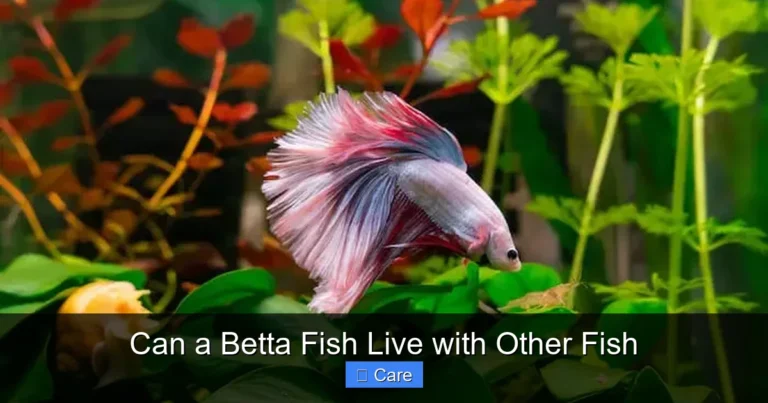
Betta fish require a careful balance of light. They originate from shallow, shaded waters in Southeast Asia and thrive under gentle, indirect light that mimics their natural habitat. Too much brightness causes stress and algae, while too little dulls their colors and disrupts sleep. The key is providing a consistent 12-hour light/dark cycle with a low-intensity aquarium LED, avoiding direct sunlight and harsh UV rays entirely.
Key Takeaways
- Betta fish need some light, but not much. Their natural habitat is the shaded, slow-moving waters of rice paddies and streams, so they are adapted to filtered, low-intensity light.
- Consistency is critical. A reliable 12-hour on/12-hour off cycle using a timer is essential for regulating their circadian rhythm and reducing stress.
- Direct sunlight is dangerous. It causes rapid temperature swings, intense UV exposure, and explosive algae growth, all of which harm your betta.
- Not all artificial light is equal. Standard, bright aquarium LEDs can be too harsh. Look for “low to medium intensity” fixtures or those with adjustable brightness.
- Light directly impacts health and color. Proper lighting maintains vibrant pigmentation, supports plant health (if present), and prevents lethargy and faded scales.
- Bettas need true darkness to sleep. They do not have eyelids and require a period of complete darkness for proper rest, which a consistent off-cycle provides.
- Species variation exists. While all bettas share similar needs, wild-type or more “natural” varieties may be slightly more tolerant of lower light than highly selectively bred, long-finned types.
📑 Table of Contents
- Understanding Your Betta’s Natural Relationship with Light
- Why Light Matters: More Than Just a Pretty Glow
- The Dangers of Too Much Light: Stress, Algae, and UV
- Choosing and Using the Right Artificial Light for Your Betta
- Common Lighting Mistakes and How to Fix Them
- Special Considerations: Species, Color, and Tank Mates
- Putting It All Together: Your Step-by-Step Lighting Setup Guide
Understanding Your Betta’s Natural Relationship with Light
To answer the question “do betta fish like light?” we must first take a trip back to their ancestral home. The magnificent Betta splendens, our modern aquarium betta, hails from the shallow, warm, and often murky waters of Thailand, Cambodia, Vietnam, and Malaysia. Think not of crystal-clear coral reefs, but of dense rice paddies, slow-moving streams, and muddy swamps thick with vegetation. In these habitats, the sun’s rays are constantly filtered through a dense canopy of leaves, overhanging branches, and the water itself, which is often stained dark by tannins from decaying plant matter. This environment is characterized by dappled, indirect, and relatively low-intensity light. Your betta didn’t evolve under the blinding glare of a typical aquarium spotlight. Therefore, when we replicate their tank environment, mimicking this gentle, filtered light is one of the most crucial yet overlooked aspects of their care. It’s not about whether they “like” light in the way we enjoy a sunny day; it’s about providing the correct biological stimulus that speaks to their evolutionary programming.
The Shaded World: A Betta’s Native Habitat
Imagine standing in a dense tropical forest. Even at midday, the forest floor is a patchwork of light and shadow. This is the world of the wild betta. The water they inhabit is often less than a foot deep, heavily vegetated with floating plants like water lettuce and hyacinths, and shaded by overhanging foliage. This serves multiple purposes: it provides cover from aerial predators, keeps the water cooler, and creates a stable environment. The light that penetrates is soft, broken, and changes in intensity throughout the day as clouds pass or the sun moves. There is no harsh, overhead, full-spectrum light baking the water column for 12-14 hours straight. This fundamental reality should guide every decision we make about tank lighting.
Why Light Matters: More Than Just a Pretty Glow
Light is a fundamental environmental factor for all aquatic life, and bettas are no exception. Its influence is profound, affecting everything from their physical health and behavior to their stunning coloration. Getting the lighting wrong is a common source of chronic stress for captive bettas, often going unnoticed by well-meaning owners who simply want to see their pet clearly and admire its beauty. Let’s break down the critical roles light plays.
Visual guide about Do Betta Fish Like Light
Image source: japanesefightingfish.org
Regulating the Circadian Rhythm: The Internal Clock
Like humans, fish possess an internal biological clock known as a circadian rhythm. This 24-hour cycle is primarily synchronized by the alternating periods of light and dark. For a betta, a consistent light cycle tells its body when to be active, forage, and display, and when to rest and conserve energy. An erratic schedule—lights on at all hours, sudden bright flashes, or constant light—confuses this rhythm. This can lead to chronic stress, a weakened immune system, and erratic behavior like glass surfing (pacing along the tank walls) or lethargy. A reliable 12-hour on/12-hour off schedule, ideally controlled by an inexpensive outlet timer, is non-negotiable for a healthy betta. It provides predictability and security, two things a small fish in a glass box desperately needs.
The Connection Between Light and Vibrant Color
One of the primary joys of owning a betta is their breathtaking color. From deep blues and fiery reds to iridescent greens and multicolored marbles, their pigmentation is a spectacle. However, these colors are not static; they are living, responsive pigments. Proper lighting is essential for two reasons. First, it stimulates the production and maintenance of chromatophores, the pigment cells in their skin. Inadequate or poor-spectrum light can cause colors to appear dull, faded, or washed out over time. Second, the right light reveals the true depth and complexity of their coloration. Harsh, white LEDs can make a betta look flat and garish, while a warmer, softer light can make reds look richer and blues more velvety. If your betta’s color seems to be fading, evaluating your lighting should be one of your first steps, alongside checking water quality and diet.
Light, Plants, and the Ecosystem Balance
Many betta keepers enjoy adding live plants to their tanks. This is an excellent practice—plants offer natural filtration, oxygenation, and, most importantly for the betta, cover and security. But live plants are photosynthetic organisms. They require light to grow. The lighting needs of a low-light, easy-care plant like Anubias or Java Fern are perfectly aligned with a betta’s needs: low to moderate intensity for 6-8 hours a day. If you provide intense, high-output lighting for 12 hours to “grow plants,” you will quickly overwhelm your betta and likely fuel an algae outbreak. The sweet spot is choosing hardy, low-light plants and providing a light intensity and duration that satisfies them without stressing the fish. This creates a harmonious, balanced mini-ecosystem.
The Dangers of Too Much Light: Stress, Algae, and UV
If under-lighting is a problem, over-lighting is a far more common and immediate threat to a betta’s well-being. The tendency for new hobbyists is to illuminate their tank like a sports stadium, but this is a recipe for disaster. The primary dangers of excessive or improper lighting are threefold: physiological stress, uncontrollable algae blooms, and the insidious threat of ultraviolet (UV) radiation.
Visual guide about Do Betta Fish Like Light
Image source: japanesefightingfish.org
The Stress Response: From Faded Colors to Disease
When a betta is subjected to light that is too bright, too direct, or on for too long, its body initiates a chronic stress response. You might notice behavioral signs first: frantic swimming, hiding constantly in the darkest corner, loss of appetite, or the aforementioned glass surfing. Physiologically, the production of the stress hormone cortisol increases. Over time, this suppresses the immune system, making the fish susceptible to opportunistic diseases like fin rot, ich, or velvet. A chronically stressed betta will often display faded, clamped fins and a overall listless demeanor. Think of it like leaving a person under a bright, hot spotlight in a small room all day—it’s mentally and physically draining.
Algae: The Unwanted Guest That Thrives on Light
Light is the primary energy source for algae. Combine excessive light with the nutrients from a betta’s waste and any uneaten food, and you create perfect conditions for an algae explosion. Green spot algae, hair algae, and dreaded black beard algae can quickly cover every surface, smothering plants, reducing oxygen levels, and creating an unsightly mess. Cleaning algae is a tedious, never-ending chore that also stresses the fish during tank maintenance. Preventing algae is always easier than curing it, and the single most effective preventative measure is to provide only the light your tank’s ecosystem actually needs—which, for a betta tank, is on the lower end of the spectrum.
The Hidden Threat: Ultraviolet (UV) Radiation
This is a critical and often misunderstood point. Standard aquarium LEDs, especially full-spectrum “daylight” bulbs, emit a certain amount of ultraviolet (UV) radiation. While some UV is natural and even beneficial in trace amounts for vitamin D synthesis (though fish get this primarily from diet), excessive UV is harmful. For a fish living in a small, glass-enclosed environment with no natural shade, prolonged UV exposure can cause cellular damage, eye cataracts, and increased stress. More importantly, UV radiation is a primary catalyst for the breakdown of the beautiful, delicate pigments in a betta’s fins, leading to permanent fading. This is why it’s paramount to choose lighting specifically designed for aquariums that minimizes harmful UV output, or to ensure there is always ample physical shade (from plants or decor) in the tank.
Choosing and Using the Right Artificial Light for Your Betta
Given that direct sunlight is off the table, artificial lighting is your only option. But not all aquarium lights are created equal. The goal is to find a fixture that provides sufficient illumination for viewing and low-light plant growth (if desired) without being harsh or overwhelming.

Visual guide about Do Betta Fish Like Light
Image source: japanesefightingfish.org
LED vs. Other Bulb Types: Why LED Wins (When Chosen Wisely)
Modern LED technology has largely replaced older fluorescent and incandescent bulbs in the hobby. LEDs are more energy-efficient, produce less heat (a major benefit for small betta tanks that can overheat quickly), and have a much longer lifespan. However, the key is the specification of the LED. Many “full-spectrum” or “reef-ready” LED fixtures are designed for corals and high-light planted tanks, pumping out intense PAR (photosynthetically active radiation). These are completely unsuitable for a betta tank. Instead, look for LEDs marketed for “low-light planted tanks” or those with a dimming feature. A fixture where you can dial the brightness down to 30-50% is ideal. Some brands even offer “warm white” or “soft white” spectrums that are less stark than cool white.
Creating Shade and Shadow: The Mimicry Method
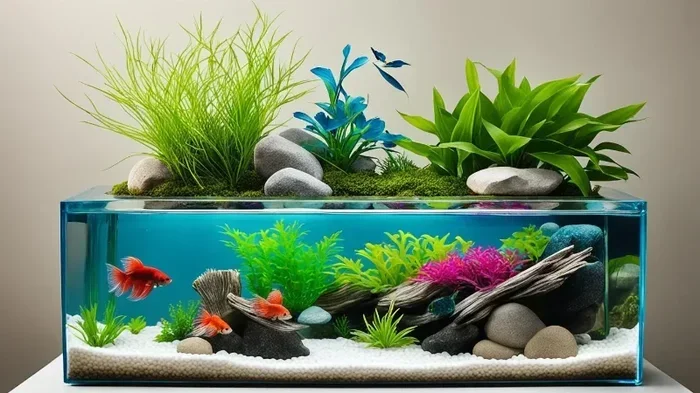
Even with a low-intensity light, you should not aim for an evenly lit tank. The goal is to replicate the dappled, filtered light of a jungle stream. You can achieve this through aquascaping. Use tall, broad-leafed plants like Amazon Swords (though they may need more light than you can provide) or, better yet, clusters of Anubias, Java Fern, and Cryptocorynes. Position floating plants like Salvinia or Frogbit on the surface; these are fantastic as they create a beautiful, natural-looking canopy that breaks up the light and gives your betta a constant sense of cover. Add driftwood, stone caves, and ceramic ornaments to cast small shadows. A tank that has a variety of light and shadow zones allows your betta to choose its comfort level, reducing stress significantly.
The Indispensable Timer: Automating the Cycle
Never rely on manual switching. Human error—forgetting to turn the lights off, turning them on late, or varying the schedule—is a major cause of circadian disruption. A simple, inexpensive digital outlet timer is one of the best investments you can make for your betta’s welfare. Set it for 10-12 hours on, and 12-14 hours off. The “off” period must be true darkness. Avoid those colorful LED “moonlight” bulbs that cast a blue glow all night. Your betta needs to sleep in the dark, just as you do. The timer ensures perfect consistency, rain or shine, weekday or weekend.
Common Lighting Mistakes and How to Fix Them
Let’s address the most frequent pitfalls betta owners fall into when setting up their tank lighting, and provide straightforward solutions.
Mistake 1: Using the Light That Came With the Tank Kit
Many all-in-one aquarium kits include a basic, often very bright, LED strip or hood light designed for generic community tanks. These are almost always too intense for a betta. Solution: If you have such a kit, the first step is to see if the light has a dimmer. If not, you can often purchase a separate, dimmable LED fixture and use it instead, leaving the kit light off entirely. Alternatively, create significant shade by covering 50-60% of the tank’s surface with floating plants and ensuring there are tall decorations to block the light.
Mistake 2: Placing the Tank in Direct Sunlight
It seems logical to put an aquarium near a window for “natural light.” This is arguably the worst thing you can do for a betta tank. The sun’s intensity is uncontrollable and extreme. It will cause rapid, dangerous temperature spikes during the day, expose the fish to direct, damaging UV rays, and guarantee a massive algae problem within a week. Solution: Move the tank away from direct windows. Place it in a room with ambient, indirect light from a window across the room. You are in full control of the artificial light; let it be the sole source.
Mistake 3: Running the Lights 24/7 or Erratically
“I like to see my fish!” is a common refrain, leading owners to leave lights on constantly or turn them on/off at random times. This destroys the betta’s sleep cycle and causes chronic stress. Solution: Install a timer immediately. Accept that you will only see your betta during its active, daylight hours. Its rest is just as important as its activity. If you want to watch it in the evening, use a low-level, red-toned “nightlight” only for your viewing, but ensure it does not illuminate the tank’s main area and is turned off after a short period.
Mistake 4: Ignoring the Betta’s Personal Preference
Every betta is an individual. Some are bold and will swim in the open under moderate light. Others are shy and will only come out if there is heavy foliage providing near-total shade. Solution: Observe your fish. If it consistently hides, looks pale, or acts frantic when the lights are on, the light is too bright for that specific fish. You must adjust by adding more shade, dimming the light further, or even switching to a lower-output bulb. Your betta’s behavior is the ultimate feedback mechanism.
Special Considerations: Species, Color, and Tank Mates
While the core principles of low, consistent lighting apply to virtually all Betta splendens, some nuances exist based on the specific fish and its community.
Wild-Type vs. Fancy Betta Varieties
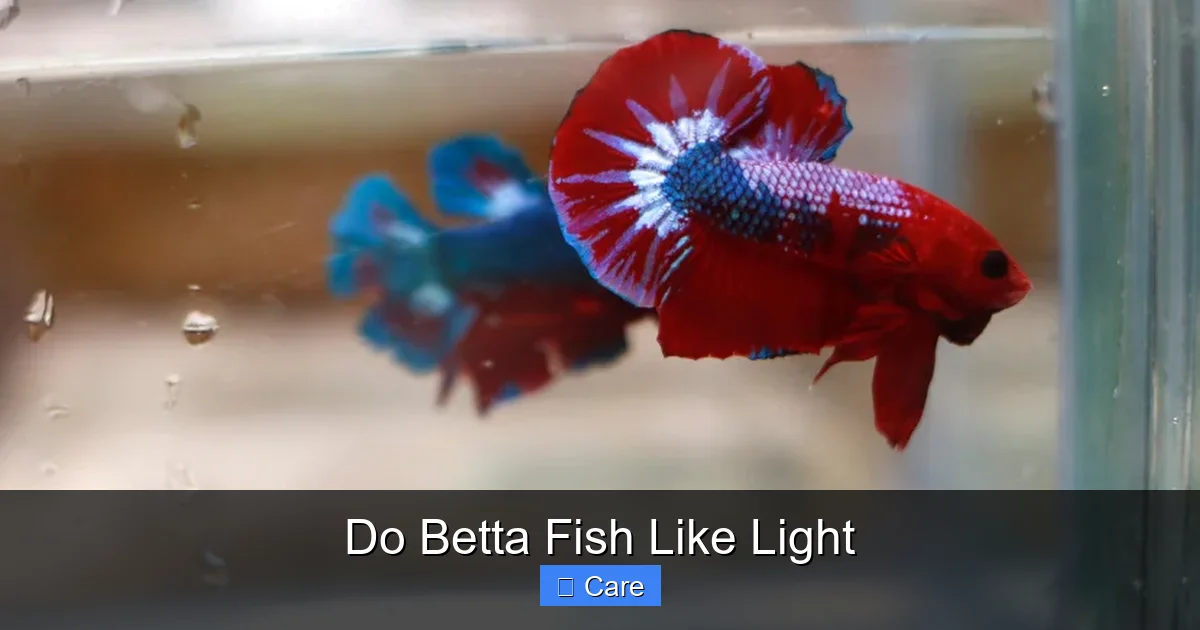
Traditional, wild-type bettas (often with shorter fins and more subdued, natural coloration like green or brown) are generally hardier and may be slightly more tolerant of a range of conditions, including slightly lower light. The highly domesticated, ornamental varieties—the massive Halfmoons with their 3-inch flowing fins, the intricate Crowntails, the vibrant Koi or Marble patterns—are the product of generations of selective breeding for appearance, not necessarily robustness. These fancy bettas can be more sensitive to environmental stressors, including poor lighting. Their large, heavy fins can also make swimming more energetically costly, so a calm, low-stress environment with plenty of resting spots (provided by leaves and decor) is even more important. When in doubt, err on the side of dimmer and more shaded for the fancy show-quality specimens.
Enhancing Color vs. Causing Fade
Owners of brilliantly colored bettas often want to showcase those colors. The instinct is to use bright, white light to “show them off.” This is counterproductive. As mentioned, harsh white light can actually make colors look flat and can contribute to pigment breakdown. To enhance your betta’s natural beauty, use a warmer light spectrum (2700K-3500K), which tends to enrich reds and oranges. Ensure there is a good contrast between the light and shadow areas in the tank. A betta resting under a shadow with a beam of soft light illuminating its flank will look more three-dimensional and vibrant than one exposed to flat, even lighting. Remember, a healthy, unstressed betta with a good diet will always display better color than one under inappropriate lighting.
Lighting in a Community Tank
If your betta shares its space with other inhabitants, lighting decisions become a compromise. The needs of live plants (if any), other fish species, and invertebrates must be considered. For example, many common community fish like neon tetras or guppies are from brighter, more open habitats and may be more active under moderate light. However, their needs do not supersede the betta’s. If the light level you need for the community is too high for the betta, you must provide the betta with abundant, dedicated shade—a floating plant log, a heavily planted corner, or a decorative cave that is always in shadow. The betta must have a permanent, accessible retreat from the brighter areas. Never subject the betta to a light level it cannot escape from.
Putting It All Together: Your Step-by-Step Lighting Setup Guide
Let’s translate all this theory into a simple, actionable plan for setting up the perfect lighting for your betta.
Step 1: Assess Your Basement Light
First, consider the ambient room light. Is your tank in a dark basement with no natural light? You’ll need a dedicated light. Is it in a bright living room with filtered sunlight? You may need less artificial light, or perhaps only during evening viewing. Your artificial light should supplement, not duplicate, the room’s brightness.
Step 2: Choose the Right Fixture
Purchase an LED fixture with the following characteristics: 1) Dimmable (this is the gold standard). 2) If non-dimmable, choose one with a low output (around 0.5-1.0 watts per gallon is a rough, conservative guideline for bettas). 3) Look for a “warm white” or “natural” spectrum, not “daylight” or “reef.” 4) Ensure it fits your tank’s dimensions. Clip-on or hang-on-back styles work well for smaller betta tanks (2.5-5 gallons).
Step 3: Aquascape for Shade
Before even turning the light on, set up your tank with shade in mind. Anchor several clumps of Anubias or Java Fern to driftwood or rocks. Place these on the sides and back, leaving perhaps the center-front slightly more open for viewing. Add a layer of floating plants like Salvinia or Dwarf Water Lettuce. This canopy will be your best tool for diffusing light and creating a sense of security. Add a few tall, smooth-leafed plants or a tall decoration.
Step 4: Set the Timer and Test Intensity
Plug your light into a digital timer. Set it for 10-12 hours on (e.g., 8 AM to 8 PM). Start with the light at its lowest possible setting if dimmable, or at 50% if not. Observe your betta for 30 minutes under the light. Is it actively swimming, exploring, and flaring playfully? Or is it hiding, clamped, and looking pale? If the latter, dim it further (if possible) or add more floating plants. The ideal is a betta that is visibly comfortable, with vibrant color, and uses the entire tank—but may still occasionally retreat to a shaded spot to rest.
Step 5: Maintain and Observe
Clean the glass and light fixture regularly. Algae on the glass or decor is a sign your light may be too strong or on for too long. Wipe down the LED cover to ensure it’s not dimmed by dust. Keep an eye on your betta’s color and behavior over the weeks. If it starts to fade or hide more, reassess. Remember, a betta’s needs are simple: clean, warm water, a gentle current, a high-protein diet, and proper, calm lighting.
Frequently Asked Questions
Can I put my betta tank near a window for natural light?
No, direct sunlight is harmful. It causes dangerous temperature swings, exposes your betta to intense UV radiation that damages skin and eyes, and promotes rapid, uncontrollable algae growth. Always use controlled artificial lighting instead.
Are standard LED aquarium lights too bright for bettas?
Often, yes. Many standard LEDs are designed for bright, high-tech planted or reef tanks. For a betta, you need a low to medium intensity light. Look for fixtures with a dimmer switch or those specifically marketed for “low-light” setups. If your light is not dimmable, you must create ample shade with plants and decorations.
Do betta fish need light at night?
Absolutely not. Bettas, like all fish, require a period of complete darkness to sleep and restore their circadian rhythm. Use a timer to ensure the lights are off for at least 12 hours. Blue “moonlight” LEDs are not natural and can disrupt their sleep.
Will bright light make my betta’s colors more vibrant?
Paradoxically, no. While good lighting reveals color, harsh, bright light can actually cause pigment to fade over time and make colors look flat. A warm, soft, low-intensity light will better enhance the rich reds, blues, and greens without causing stress or damage.
Where is the best place to put a betta tank in a room?
Choose a spot with stable, room-temperature air (away from heaters, AC vents, and drafty windows). It should be away from direct sunlight but in an area with some general household activity to prevent boredom. Ensure the surface is level and can support the tank’s weight.
What are the signs my betta is stressed by the lighting?
Look for constant hiding in the darkest corners, clamped (tightly held) fins, loss of appetite, frantic swimming or “glass surfing,” faded or dull coloration, and lethargy. If you see these signs, your light is almost certainly too bright or the cycle is inconsistent.