How Many Types of Betta Fish Are There
So, how many types of betta fish are there? There are over 70 recognized betta fish species in the wild, and hundreds of domesticated varieties bred for color, tail shape, and pattern. Understanding these types helps you choose the right betta fish species for your tank and care routine.
Have you ever walked past a pet store and wondered just how many types of betta fish are there? These stunning little fish come in an incredible variety of colors, tail shapes, and patterns. It is easy to see why so many people fall in love with them.
The short answer is that there are over 70 recognized betta fish species in the wild. But when you add in domesticated varieties created through selective breeding, the number grows into the hundreds. Whether you are a new fish owner or a seasoned hobbyist, understanding the different types of betta fish helps you make better choices for your aquarium.
In this guide, we will break down the major categories of betta fish species, explore the most popular varieties, and share tips on how to identify them. By the end, you will have a clear picture of the amazing diversity these fish offer.
Key Takeaways
- 70+ Wild Species: There are over 70 recognized betta species found in their natural habitats across Southeast Asia.
- Domesticated Varieties: Selective breeding has produced hundreds of domesticated betta fish varieties with unique colors and tail shapes.
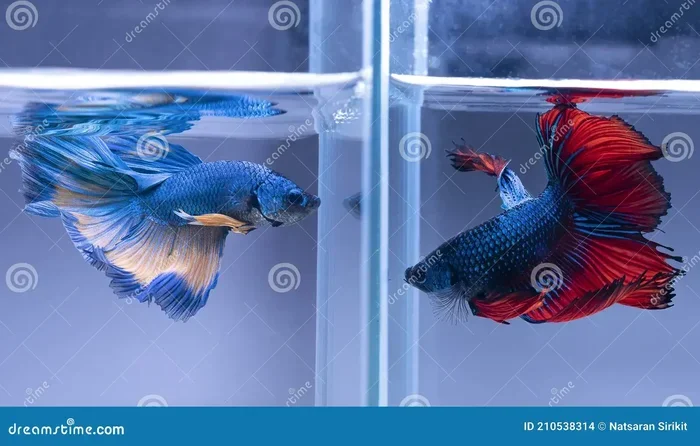
- Tail Types Matter: The most popular types are classified by their tail shapes, including Veiltail, Crowntail, and Halfmoon.
- Color and Pattern Diversity: Betta fish come in a wide range of colors and patterns, making each one unique.
- Proper Identification: Knowing the different kinds of betta fish helps you provide better care and choose compatible tank mates.
📑 Table of Contents
What Are Betta Fish?
Betta fish, also known as siamese fighting fish, belong to the gourami family. They are native to the warm, shallow waters of Southeast Asia. In the wild, they live in rice paddies, floodplains, and slow-moving streams.
The name “betta” comes from the ancient Thai word “betah,” which means “biting fish.” This refers to their territorial nature, especially among males. Despite their feisty reputation, bettas are beautiful and fascinating creatures that have captured the hearts of fish keepers worldwide.
There is often confusion about are there different kinds of betta fish, and the answer is absolutely yes. The diversity comes from both wild species and carefully bred domesticated varieties. Each type has its own unique traits that make it special.
How Many Types of Betta Fish Exist in the Wild
Wild betta fish species are quite different from the ones you see in pet stores. They have evolved over thousands of years to survive in their natural environments. Scientists have identified over 70 distinct wild betta fish species, and new ones are still being discovered.
Wild bettas tend to be less colorful than their domesticated cousins. Their natural coloring helps them blend into their surroundings and avoid predators. But do not let their subtle appearance fool you. These fish are just as hardy and full of personality.
Popular Wild Betta Species
Some wild betta species have gained popularity among hobbyists who appreciate their natural beauty. Here are a few notable examples:
- Betta Splendens: The most well-known species and the ancestor of most domesticated bettas. Found in Thailand, Cambodia, and Vietnam.
- Betta Imbellis: Also called the peaceful betta, this species is less aggressive than Betta splendens. It is a great choice for community tanks.
- Betta Mahachai: A recently discovered species from Thailand. It has a striking appearance and interesting behavior.
- Betta Smaragdina: Known for its vibrant green coloring. This species is native to the Mekong Basin in Southeast Asia.
When exploring how many types of betta fish are there, it is important to appreciate the wild species. They form the foundation of all the beautiful varieties we see in homes today.
Domesticated Betta Fish Varieties
Domesticated bettas are the result of centuries of selective breeding. People in Thailand and Malaysia began breeding bettas for their fighting ability and later for their beauty. Over time, breeders focused on developing stunning colors, elaborate fins, and unique patterns.
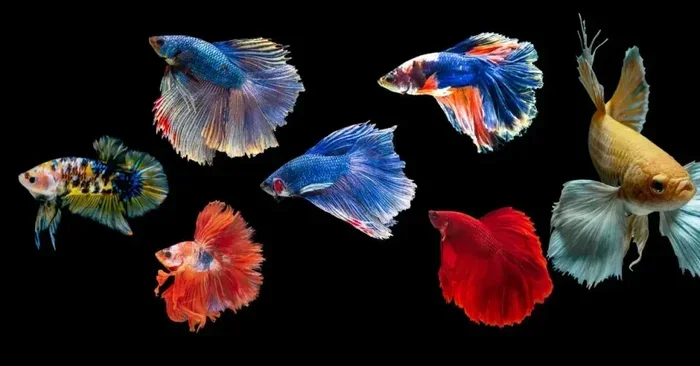
Today, there are hundreds of domesticated betta fish varieties. These are grouped into categories based on tail shape, color, and pattern. Let us take a closer look at the most popular ones.
Types of Betta Fish by Tail Shape
The tail shape is one of the easiest ways to identify different types of betta fish. Here are the most common tail varieties you will encounter:
- Veiltail: The most common type found in pet stores. It has a long, flowing tail that droops downward. Veiltails are hardy and beginner-friendly.
- Crowntail: Named for its spiky, crown-like tail fins. The webbing between the rays is reduced, giving it a distinctive look.
- Halfmoon: Has a tail that spreads out to form a perfect 180-degree semicircle. This variety is a favorite among show enthusiasts.
- Double Tail: Features two distinct tail fins instead of one. This gives the fish a unique and eye-catching appearance.
- Plakat: A short-tailed variety that resembles the wild betta. Plakats are active swimmers and very hardy.
- Rosetail: Similar to the Halfmoon but with more elaborate, ruffled tail edges. The extra finnage can make swimming a bit harder.
If you are new to betta keeping, the veiltail is a great starting point. They are widely available and easy to care for. You can learn more about caring for these beautiful fish in our guide on how to take care of a veiltail betta fish.
Types of Betta Fish by Color
One of the main reasons people love bettas is their incredible color range. Breeders have developed bettas in nearly every color imaginable. Here are some of the most popular color categories:
- Solid Colors: These bettas are one uniform color all over. Common solid colors include red, blue, green, black, and white.
- Bi-Color: Features two distinct colors, usually with a lighter body and darker fins or vice versa.
- Multi-Color: Displays three or more colors in vivid patterns. These are often the most visually striking.
- Pastel: Soft, muted shades that give a gentle, dreamy appearance. Pastel bettas are very popular among hobbyists.
- Metallic: Have a shiny, iridescent quality that catches the light beautifully. Copper and platinum are popular metallic shades.
- Butterfly: Features a gradient effect where the color fades from dark at the body to light at the fins.
Want to bring out the best colors in your betta? Check out our article on how to enhance the color of betta fish for practical tips and techniques.
Types of Betta Fish by Pattern
Patterns add another layer of beauty to betta fish. Here are some of the most recognized pattern types:
- Cambodian: A pale body with red or pink fins. This was one of the first patterns breeders worked to develop.
- Koi: Mimics the appearance of koi carp with patches of orange, black, and white. Very popular and eye-catching.
- Marble: Features irregular, swirling patterns that can change over time. No two marble bettas look exactly alike.
- Dragon: Has a thick, metallic, and opaque scale pattern. The scales give the fish a rugged, armored look.
- Mask: The face and body are the same color, creating a seamless look. This pattern is quite striking.
How to Identify Different Types of Betta Fish
Identifying betta fish types is easier than you might think. Start by looking at the tail shape, as this is the most obvious distinguishing feature. Next, observe the color and pattern. Finally, consider the fin length and body shape.
Here is a simple step-by-step approach to help you identify your betta:
- Look at the tail: Is it long and flowing, short and rounded, or split into two? This tells you the tail type.
- Check the color: Is it a solid shade, bi-color, or multi-colored? Note any patterns you see.
- Observe the fins: Are the fins long and elaborate or short and neat? Fin length can help narrow down the variety.
- Study the body: Is the body sleek and streamlined or round and bulky? Body shape can hint at the specific type.
- Compare with reference images: Use trusted guides or websites to compare your fish with known varieties.
If you are curious about whether your betta is male or female, knowing the gender can also help with identification. Our guide on how to identify gender of betta fish provides detailed tips on telling males and females apart.
Common Mistakes When Choosing Betta Fish Types
Many new fish keepers make mistakes when selecting their first betta. Here are some common pitfalls to avoid:
- Buying on looks alone: A beautiful fish is not always a healthy one. Check for clear eyes, intact fins, and active behavior before purchasing.
- Ignoring tail type care needs: Some tail types, like the Rosetail, require extra attention because their elaborate fins can make swimming difficult.
- Overcrowding the tank: Bettas need space. Learn how many fish can live comfortably in your tank size before adding more.
- Mixing aggressive species: Not all fish get along with bettas. Research compatible tank mates carefully before introducing new fish.
- Neglecting water quality: Different betta types may have slightly different water preferences. Always test your water regularly.
One mistake many people make is assuming all bettas are the same. The truth is, each type of betta fish has its own personality and care requirements. Taking the time to learn about these differences pays off in a happier, healthier fish.
Caring for Different Betta Fish Types
While all bettas share some basic care needs, certain types may require special attention. Here are some general care tips that apply to most betta varieties:
- Tank Size: A minimum of 5 gallons is recommended for a single betta. Larger tanks are always better.
- Water Temperature: Keep the water between 76 and 82 degrees Fahrenheit. Bettas are tropical fish and need warm water.
- Filtration: Use a gentle filter. Bettas do not like strong currents, which can tire them out.
- Feeding: Feed small amounts twice a day. Overfeeding is a common mistake that can lead to health problems.
- Tank Mates: Choose peaceful species that will not nip at betta fins. Learn more about compatible fish in our article on are bettas ok with other types of fish.
During colder months, bettas may need extra heating and care. Our guide on how to take care of betta fish in winter offers seasonal tips to keep your fish healthy year-round.
Final Thoughts
The world of betta fish is incredibly diverse. From over 70 wild species to hundreds of domesticated varieties, there is always something new to discover. Understanding how many types of betta fish are there gives you a deeper appreciation for these amazing creatures.
Whether you prefer the classic Veiltail, the elegant Halfmoon, or the colorful Koi pattern, there is a betta type for everyone. The key is to learn about each variety and provide the right care. With the proper setup and a little knowledge, your betta will thrive and bring you joy for years to come.
Take your time exploring the different types. Visit reputable breeders, ask questions at your local fish store, and never stop learning. The more you know about betta fish species, the better equipped you are to give your fish a happy and healthy home.
Frequently Asked Questions
How many types of betta fish are there in total?
There are over 70 recognized wild betta fish species, and hundreds of domesticated varieties created through selective breeding. The exact number of domesticated types is hard to pin down because breeders continuously develop new colors and patterns.
What is the most common type of betta fish?
The Veiltail is the most common type found in pet stores worldwide. It is popular because it is hardy, widely available, and has a beautiful flowing tail. Most first-time betta owners start with a Veiltail.
Are there wild betta fish species that make good pets?
Yes, some wild betta species like Betta imbellis and Betta smaragdina make excellent pets. They are generally less aggressive than domesticated bettas and have a more natural appearance. These species are great for experienced hobbyists looking for something different.
How can I tell what type of betta fish I have?
Start by looking at the tail shape, color, and pattern. Compare these features with reference images of known varieties. Tail shape is the easiest identifier, with Veiltail, Crowntail, Halfmoon, and Plakat being the most recognizable types.
Do different types of betta fish need different care?
Most betta types share the same basic care requirements. However, some varieties like the Rosetail or Double Tail may need extra attention because their elaborate fins can affect swimming. Always research the specific needs of your betta type.
Can different types of betta fish live together?
Generally, no. Male bettas are highly territorial and should not be housed together. Female bettas can sometimes live in groups called sororities, but this requires a larger tank and careful setup. Always research compatibility before mixing any fish species.