Are Betta Fish Good for Beginners
Yes, betta fish are excellent for beginners. They are hardy, colorful, and easy to care for, making them one of the best betta fish good for beginners choices. With a simple tank setup and basic feeding routine, anyone can enjoy these beautiful pets.
Are betta fish good for beginners? The short answer is a resounding yes. If you have never kept a fish before, a betta is one of the best choices you can make. These vibrant little creatures are tough, adaptable, and surprisingly interactive. They bring life and color to any space without demanding constant attention.
Many people think fish are hard to care for. That idea stops them from trying. But betta fish are different. They tolerate minor mistakes in water quality and feeding. This makes them forgiving for someone just starting out. Whether you are a student, a working professional, or a family looking for a pet, bettas fit the bill perfectly.
In this guide, we will walk through everything you need to know. You will learn about tank setup, feeding, temperament, and common mistakes to avoid. By the end, you will feel confident about welcoming your first betta into your home.
Key Takeaways
- Low Maintenance: Betta fish need minimal daily care, perfect for busy beginners.
- Affordable Setup: A basic betta tank costs less than most other pets.
- Beautiful Colors: Bettas come in stunning shades that brighten any room.
- Friendly Temperament: They recognize their owners and interact daily.
- Simple Diet: Pellets and occasional treats keep them healthy and happy.
- Small Space Friendly: They thrive in tanks as small as 5 gallons.
- Long Lifespan: With proper care, bettas live 3 to 5 years.
📑 Table of Contents
Why Betta Fish Are Great for Beginners
The popularity of betta fish among new hobbyists is well deserved. They have traits that make them stand out from many other tropical fish. Let us look at why they are such a popular choice.
They Are Hardy and Resilient
Betta fish originate from the warm, shallow waters of Southeast Asia. They evolved in environments that changed frequently. This means they can handle fluctuations in water conditions better than most fish. A beginner might forget a water change or overfeed slightly. A betta will usually bounce back just fine.
This resilience is a huge advantage. Other tropical fish might not survive the same mistakes. Bettas are forgiving, which gives new owners time to learn the ropes. You can focus on building good habits without stressing over every small error.
They Do Not Need a Huge Tank
One of the biggest concerns for beginners is space. Large aquariums can feel overwhelming. Bettas thrive in tanks as small as 5 gallons. This makes them perfect for apartments, dorm rooms, and small homes.
A 5-gallon tank is easy to set up and maintain. You do not need expensive equipment or a lot of room. Compare this to other fish that need 20 or 30 gallons. The betta makes the beginner aquarium experience much more accessible and affordable.
They Have Wonderful Personalities
Do not let their small size fool you. Betta fish have big personalities. They explore their tank, watch movement outside the glass, and even recognize their owners. Many betta keepers report their fish swimming to the front of the tank when they approach.
This interactivity is rare among fish. It makes the experience feel more like having a pet than just observing one. Over time, your betta may even follow your finger along the glass. This bond makes keeping them truly rewarding.
Setting Up a Betta Tank for Beginners
A proper setup is the foundation of good betta care. The good news is that it does not need to be complicated. Here is what you need to know to get started.
Tank Size and Shape
A 5-gallon tank is the minimum recommended size for a single betta. This gives enough room for swimming and stable water parameters. Avoid tanks smaller than 3 gallons. They are too small to maintain healthy conditions over time.
Choose a rectangular tank over a round bowl. Rectangular tanks offer better surface area for gas exchange. They also give your betta more swimming space. Round bowls restrict movement and make it harder to keep water quality stable.
Heating and Filtration
Betta fish need warm water between 76 and 82 degrees Fahrenheit. A small heater designed for 5-gallon tanks works perfectly. Do not skip the heater. Room temperature water is usually too cold for bettas.
Filtration is also important. A gentle sponge filter keeps the water clean without creating strong currents. Bettas prefer calm water because their long fins make them slow swimmers. Make sure to check that your filters safe for betta fish before purchasing. Strong hang-on-back filters can stress them out.
Lighting and Décor
Basic LED aquarium lights work great for betta tanks. You do not need expensive lighting systems. A standard light on a timer for 8 to 10 hours per day is sufficient.
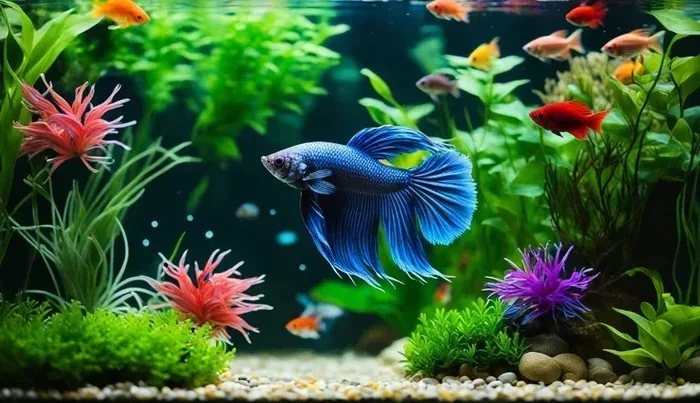
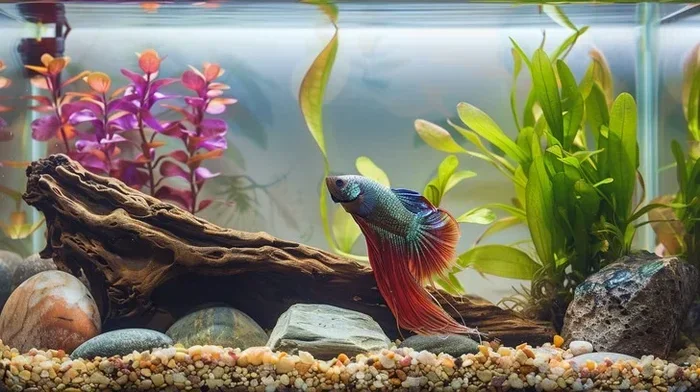
Add some plants and hiding spots. Live plants like java fern or anubias are excellent choices. They help maintain water quality and provide natural cover. If you prefer low maintenance, silk plants work well too. Avoid rough plastic decorations that can tear delicate fins.
Feeding Your Betta Fish
Feeding bettas is straightforward, but there are a few important details to keep in mind. Proper nutrition keeps your fish healthy and colorful.
What to Feed Them
High-quality betta pellets should be the staple of their diet. Look for pellets with protein as the first ingredient. Brands like Omega One make excellent options. You can also offer frozen or live foods as treats.
Brine shrimp and bloodworms are great occasional foods. They provide variety and extra nutrition. Just remember that treats should make up no more than 10 percent of the diet. Overfeeding is one of the most common mistakes new owners make.
Feeding Schedule
Feed your betta twice a day, morning and evening. Give them only what they can eat in two to three minutes. Remove any uneaten food after feeding time. Excess food decays quickly and pollutes the water.
Some beginners skip a day of feeding once a week. This is not necessary but can help prevent constipation. If you ever notice your betta not eating, check the water temperature first. Cold water often causes appetite loss.
Betta Fish Temperament and Tank Mates
Understanding betta behavior helps you create a peaceful home. Bettas are known for their territorial nature, especially males. This is important to consider when planning your tank.
Are Bettas Aggressive?
Male bettas are often called “Siamese fighting fish” for a reason. They will flare their gills and display aggressively toward other males. Never house two male bettas together. They will fight, often with serious consequences.
However, bettas are not aggressive toward all fish. They can coexist peacefully with certain species. Small, peaceful fish like corydoras and neon tetras make good companions. Just be sure to research compatibility before adding tank mates.
Can Bettas Live With Guppies?
This is a common question among new fish keepers. The answer is sometimes. Guppies are peaceful and colorful, but they can trigger betta aggression. Male bettas may chase male guppies because of their bright fins.
If you want to try keeping bettas with guppies, use a female betta. Females are generally less aggressive. A well-planted 10-gallon tank gives everyone enough space to coexist peacefully. Always monitor their behavior closely when first introducing tank mates.
Common Mistakes Beginners Make
Even though bettas are forgiving, certain mistakes can harm them. Being aware of these pitfalls helps you avoid problems.
Keeping Them in Tiny Bowls
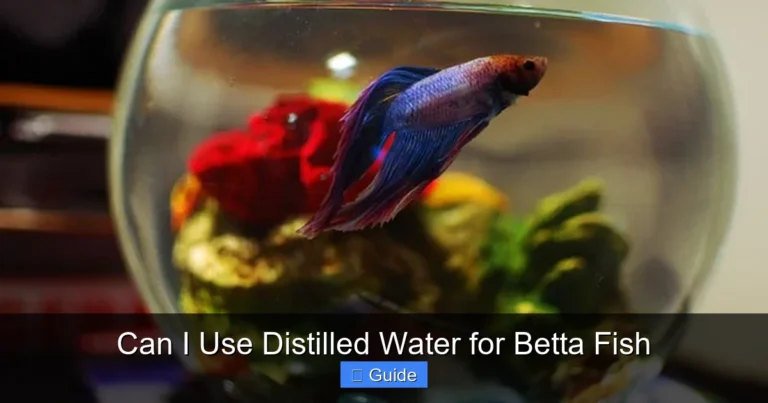
The image of a betta in a small round bowl is everywhere. But this is one of the worst things you can do. Tiny bowls lack filtration and heating. Water quality deteriorates fast in small volumes. Your betta will be stressed and may develop health issues.
A 5-gallon tank with a filter and heater is the true minimum. If you can go larger, even better. The extra space makes maintenance easier and keeps your fish happier.
Overfeeding
Bettas have small stomachs. They look hungry all the time, but they do not need large amounts of food. Overfeeding leads to bloating, constipation, and poor water quality. Stick to small portions twice daily. Your betta will be healthier and your tank cleaner.
Ignoring Water Changes
Even with a filter, regular water changes are essential. Change 25 percent of the water every week. This removes toxins and keeps parameters stable. Skipping water changes is a fast path to health problems for your fish.
How Long Do Betta Fish Live?
With proper care, betta fish live between 3 and 5 years. Some well-cared-for bettas have even reached 7 years. This is a long commitment compared to many other pets.
The key factors that influence lifespan include water quality, diet, and stress levels. A clean tank with stable temperatures promotes longevity. A varied diet keeps them healthy from the inside out. Reducing stress by avoiding aggressive tank mates also helps.
Buying from a reputable breeder or store increases your chances of getting a healthy fish. Pet stores sometimes sell bettas that have been kept in poor conditions. Look for fish with bright colors, erect fins, and active behavior. A healthy start sets the foundation for a long life together.
Final Thoughts
So, are betta fish good for beginners? Absolutely. They are hardy, beautiful, interactive, and easy to care for. A simple 5-gallon tank, a heater, a gentle filter, and a quality pellet diet are all you need to get started.
Betta fish teach responsibility without being overwhelming. They are perfect for anyone taking their first steps into the aquarium hobby. Start small, learn as you go, and enjoy the process. Your new finned friend will bring you years of joy and companionship.
If you are looking for a pet that is colorful, engaging, and low maintenance, a betta fish is hard to beat. Give them a proper home, and they will reward you with their stunning beauty and charming personality every single day.
Frequently Asked Questions
Are betta fish good for absolute beginners with no fish-keeping experience?
Yes, betta fish are one of the best choices for someone who has never kept a fish before. They are hardy, forgiving of minor care mistakes, and easy to feed. A simple 5-gallon tank setup is all you need to get started successfully.
Can you keep a betta fish in a small bowl without a filter?
You can, but it is not ideal. Small bowls lack proper filtration and heating, which leads to poor water quality. A 5-gallon tank with a gentle sponge filter and heater gives your betta a much healthier and longer life. The extra effort is well worth it.
How often should you clean a betta fish tank?
Perform a 25 percent water change every week. This removes toxins and keeps parameters stable. You should also vacuum the gravel gently during each change to remove debris and leftover food.
Do betta fish need a heater in their tank?
Yes, bettas need warm water between 76 and 82 degrees Fahrenheit. Room temperature water is almost always too cold. A small aquarium heater designed for 5-gallon tanks is affordable and essential for keeping your betta healthy and comfortable.
Can betta fish live with other fish?
Male bettas should not be kept with other male bettas due to aggression. However, they can coexist with peaceful, small fish like corydoras and neon tetras in a well-planted tank. Always research compatibility and monitor behavior when introducing new tank mates.
What is the best food for a beginner betta fish owner?
High-quality betta pellets should be the staple food. Look for brands with protein listed as the first ingredient. You can supplement with frozen brine shrimp or bloodworms as occasional treats. Avoid overfeeding, as this causes health and water quality problems.