Are Bettas Ok with Other Types of Fish

Betta fish can live with other fish, but success depends on tank size, temperament, and careful species selection. Choose peaceful, non‑fin‑nipping tank mates, provide plenty of hiding spots, and monitor behavior daily to keep everyone safe and happy.
Key Takeaways
- Tank size matters: A minimum of 20 gallons gives bettas room to establish territory without feeling cramped.
- Choose peaceful mates: Small, non‑aggressive fish such as neon tetras or kuhli loaches are the safest companions.
- Male vs. female bettas: Males are more territorial; females are slightly more tolerant but still need careful introductions.
- Provide plenty of cover: Plants, caves, and driftwood reduce stress and give each fish a place to hide.
- Watch for fin nipping: Any sign of torn fins means it’s time to separate the offending fish.
- Water parameters must be consistent: Keep temperature around 78‑80 °F and pH between 6.5‑7.5 for most community setups.
- Start slow: Introduce one new species at a time and give the betta a week to adjust before adding another.
📑 Table of Contents
- Introduction: The Betta’s Reputation and Reality
- Understanding Betta Behavior
- Choosing the Right Tank Mates
- Setting Up a Community Tank for Bettas
- Introducing New Fish to a Betta
- Special Considerations for Male and Female Bettas
- Common Problems and How to Solve Them
- Conclusion: A Balanced Community Is Possible
Introduction: The Betta’s Reputation and Reality
When most people think of betta fish, they picture a lone, flamboyant swimmer flaunting bright fins in a tiny bowl. That image has given the species a reputation for being solitary and aggressive, especially toward other fish. The truth is more nuanced. Bettas are territorial, but with the right environment and compatible tank mates, they can thrive in a community aquarium.
In this guide we’ll break down everything you need to know about keeping bettas with other fish. From the science behind their temperament to step‑by‑step set‑up tips, you’ll walk away confident that you can create a peaceful, colorful tank that works for both your betta and its new friends.
Understanding Betta Behavior
Why Bettas Guard Their Space
Bettas (Betta splendens) are native to shallow rice paddies and slow‑moving streams in Southeast Asia. In the wild, they defend small territories rich in food and shelter. This instinct shows up in home aquariums as “flaring” and occasional aggression toward anything that looks like a rival.

Visual guide about Are Bettas Ok with Other Types of Fish
Image source: illustfree.jp
Male vs. Female Temperament
Male bettas are the classic “Siamese fighting fish” and will flare at the sight of another male’s bright colors. Female bettas are generally less aggressive, but they can still become territorial, especially if the tank is overcrowded.
Fin‑Nipping: A Common Conflict
Even a peaceful community fish may unintentionally nip a betta’s long fins. Long‑finned varieties (like veil or crown tail) are especially vulnerable. Recognizing early signs—frayed edges, white spots, or a betta hiding more than usual—helps you act before stress turns into illness.
Choosing the Right Tank Mates
Key Traits to Look For
- Non‑aggressive: Species that stay low in the water column and are not known for fin‑nipping.
- Similar water needs: Temperature, pH, and hardness should match the betta’s preferences.
- Size compatibility: Small enough not to be seen as prey, but not so large that they intimidate the betta.
Top Community Candidates
Below are some of the safest options, based on experience from hobbyists and experts.
Visual guide about Are Bettas Ok with Other Types of Fish
Image source: c.pxhere.com
- Neon Tetras: Their bright blue stripe adds color without provoking the betta.
- Kuhli Loaches: Bottom‑dwelling, shy, and they love to hide in driftwood.
- Harlequin Rasboras: Peaceful schooling fish that stay in the upper mid‑level.
- Cherry Barbs (single male only): Calm and colorful, but keep only one to avoid aggression.
- Otocinclus Catfish: Tiny algae eaters that rarely interact with bettas.
Species to Avoid
Fast‑moving, fin‑nipping, or overly colorful fish can trigger a betta’s defensive instincts. Examples include guppies, guppies, zebra danios, and any other betta‑type fish with bright, flowing fins. For a deeper dive into unsuitable species, see our article on what fish do bettas get along with.
Setting Up a Community Tank for Bettas
Tank Size and Layout
While a 5‑gallon bowl can house a single betta, a community setup needs at least 20 gallons. This gives each fish its own “zone” and reduces the chance of territorial clashes.

Visual guide about Are Bettas Ok with Other Types of Fish
Image source: publicdomainpictures.net
Arrange decorations to break lines of sight. Use live or silk plants, caves, and driftwood to create vertical layers. A good rule of thumb: the more hiding places, the calmer the betta.
Water Parameters
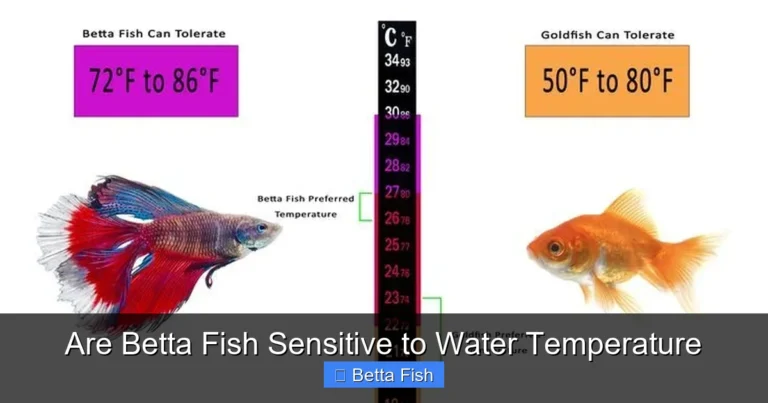
- Temperature: 78‑80 °F (25.5‑26.5 °C) – most tropical community fish thrive here.
- pH: 6.5‑7.5 – a neutral to slightly acidic range is ideal.
- Hardness: 4‑12 dGH – soft to moderately hard water works for both bettas and most tetras.
Invest in a reliable heater and a gentle filter that provides surface agitation without creating a strong current. Bettas are “labyrinth” fish and prefer calm water.
Filtration and Maintenance
A sponge filter is a popular choice because it offers gentle flow and provides extra surface for beneficial bacteria. Perform weekly 25‑30% water changes to keep nitrate levels low, which helps reduce stress and disease.
Introducing New Fish to a Betta
Quarantine First
Always quarantine new arrivals for at least two weeks. This prevents hidden diseases from entering the main tank and gives you a chance to observe the newcomer’s temperament.
Acclimation Process
- Float the sealed bag in the betta’s tank for 15 minutes to equalize temperature.
- Gradually add ½ cup of tank water to the bag every 5 minutes for 30 minutes.
- Gently net the fish into the tank, avoiding direct release of bag water.
Step‑by‑Step Introduction
Place a divider or clear acrylic sheet in the tank for the first 24‑48 hours. This lets the betta see the newcomer without physical contact. Watch for flaring, darkening of the betta’s body, or rapid swimming. If the betta stays calm, remove the divider and observe for another 24 hours.
What to Do If Aggression Occurs
If the betta attacks, re‑introduce the divider and consider a different species. Never force a fight; prolonged stress can lead to loss of color, fin rot, or even death.
Special Considerations for Male and Female Bettas
Male Bettas with Tank Mates
Male bettas are the most territorial. They can coexist with small, fast‑swimming fish that ignore the betta’s presence, such as which fish are good with bettas. Keep only one male per tank unless you have a large, heavily planted aquarium with plenty of visual barriers.
Female Bettas in Communities
Females are slightly more tolerant and can sometimes be kept in a “sorority” of three to five, provided the tank is spacious (30 gallons or more) and heavily planted. However, they still need a peaceful environment and should not be mixed with aggressive or fin‑nipping species.
Mixed‑Sex Setups
Never house a male and female together unless you plan to breed them. Even then, you need a separate breeding tank because the male will become extremely aggressive during courtship.
Common Problems and How to Solve Them
Fin Nipping
If you notice torn fins, remove the offending fish immediately. Add more hiding spots and consider switching to a less active species.
Stress‑Induced Illness
Signs include loss of color, clamped fins, and reduced appetite. Check water quality first; poor parameters are often the root cause. A short “rest” period in a separate hospital tank can help the betta recover.
Overcrowding
Even peaceful fish can become aggressive when space is limited. Stick to the “one inch of fish per gallon” rule as a rough guideline, and always prioritize the betta’s territory.
Conclusion: A Balanced Community Is Possible
Are bettas ok with other types of fish? The answer is yes—provided you respect their territorial nature, choose compatible species, and give them a well‑planted, spacious home. By following the steps outlined above, you can enjoy the vivid colors of a betta alongside the lively schooling of tetras or the subtle grace of loaches. Remember, patience and observation are your best tools; a little extra effort at the start saves a lot of heartache later.
Ready to start your community tank? Check out our detailed guide on can you keep other fish with bettas for more species ideas and setup tips.
Frequently Asked Questions
Can a male betta live with other fish?
Yes, but only with peaceful, non‑fin‑nipping species in a tank of at least 20 gallons. Provide plenty of hiding places and monitor for aggression.
Are female bettas better community fish than males?
Generally, females are a bit more tolerant of tank mates, especially in larger, heavily planted tanks. They still need careful introductions, however.
What is the smallest tank size for a betta with other fish?
While a single betta can survive in 5 gallons, a community setup should be no smaller than 20 gallons to give each fish enough space.
How can I tell if my betta is stressed?
Look for faded colors, clamped fins, constant hiding, or rapid breathing. Stress often precedes disease, so act quickly to improve water conditions and reduce aggression.
Do bettas get along with shrimp?
Yes, many shrimp species such as cherry shrimp are safe tank mates. They stay low in the water column and are usually ignored by the betta.
Should I use a heater for a community tank with a betta?
Absolutely. Bettas need warm water (78‑80 °F), and most tropical community fish thrive at the same temperature, making a reliable heater essential.