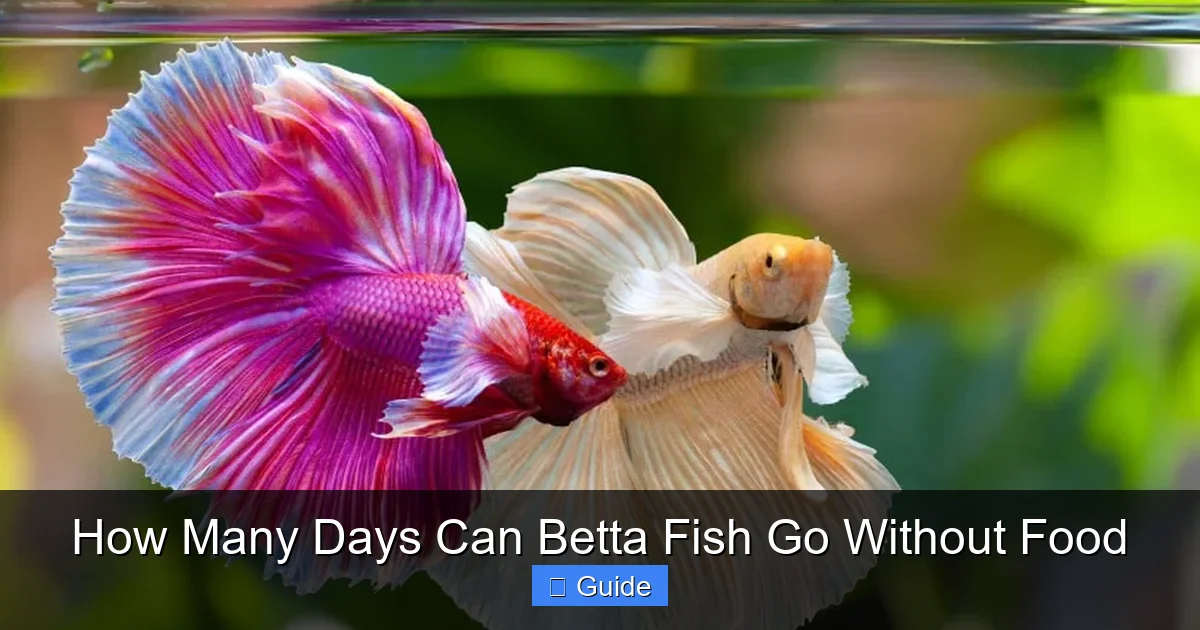
How Many Days Can Betta Fish Go Without Food
Betta fish can technically survive 10-14 days without food, but this is not a safe or recommended practice. Prolonged fasting severely stresses their bodies, weakening their immune system and leading to organ failure. Proper, consistent feeding is non-negotiable for their vibrant color, active behavior, and long-term health. Always plan for vacations and monitor your betta’s appetite closely.
Key Takeaways
- Survival vs. Health: While a betta might survive 10-14 days without food, it will be severely stressed and compromised after just 3-5 days.
- Primary Risk is Organ Failure: The biggest danger of extended fasting is not starvation but the shutdown of vital organs like the liver and kidneys due to toxin buildup.
- Consistent, Small Meals are Key: Feed high-quality pellets or frozen foods once or twice daily, offering only what they can consume in 2-3 minutes (typically 2-3 pellets).
- Fasting Has Limited Benefits: A single 24-hour fast once a week or month can aid digestion but is not a substitute for regular feeding and should not be prolonged.
- Water Quality is Paramount: Clean, warm, dechlorinated water is more critical than food during a short absence; toxins build up faster in a starving fish’s system.
- Never Skip Meals for Convenience: “How many days can betta fish go without food?” is a question of emergency survival, not a feeding strategy. Plan for any absence longer than 48 hours.
- Monitor for Appetite Loss: A betta refusing food for more than 48 hours is a major red flag indicating potential illness, poor water conditions, or stress.
[FEATURED_IMAGE_PLACEHOLDER]
📑 Table of Contents
- How Many Days Can Betta Fish Go Without Food? The Complete Truth
- Understanding Betta Fish Physiology: Why They Can’t Handle Fasting
- The Realistic Timeline: What Happens Day-by-Day Without Food
- Risks and Consequences of Prolonged Fasting
- Proper Betta Feeding Practices: Prevention is Everything
- Special Circumstances: Vacations, Emergencies, and Sick Fish
- Conclusion: Prioritize Consistent Care Over Theoretical Survival
How Many Days Can Betta Fish Go Without Food? The Complete Truth
So, you’re planning a weekend getaway, or maybe you just forgot to feed your little aquatic buddy for a day or two. A thought creeps in: how many days can betta fish go without food? It’s a common question for betta owners, born from a mix of curiosity and concern. The short, viral answer you might have seen is “10-14 days.” While that number represents a theoretical survival limit under perfect, laboratory-grade conditions, it is dangerously misleading for the real world of home aquariums. This guide will dive deep beyond the clickbait headline. We’ll explore betta biology, the brutal reality of starvation, and establish a safe, compassionate feeding routine that ensures your Siamese fighting fish thrives, not just survives.
Think of it this way: a human can technically survive weeks without food, but would you call that healthy or humane? Of course not. The same principle applies exponentially to your betta. Their small size, high metabolism, and specialized carnivorous biology mean they are not built for long fasts. Understanding how many days a betta fish can go without food is really about understanding the threshold between minor inconvenience and life-threatening crisis. Let’s break it down.
The Origin of the “10-14 Day” Myth
The claim that bettas can go two weeks without eating stems from their wild ancestors’ behavior. In the shallow, seasonal rice paddies and stagnant ponds of Southeast Asia, food sources can be scarce. Bettas are adapted to endure periods of low availability by slowing their metabolism. However, this adaptation is for natural scarcity, not for the sudden, complete removal of food in a confined, artificial tank. In the wild, a fasting betta is still hunting, exploring, and encountering natural nutrients in the water. In your aquarium, it is trapped in a static environment with no alternative food sources. The “10-14 days” figure is an extreme outlier, often cited from anecdotal reports or poorly controlled experiments, not a guideline for care.
Understanding Betta Fish Physiology: Why They Can’t Handle Fasting
To truly grasp why how many days can betta fish go without food has such a low safe threshold, we need to look under the hood—or rather, under the scales.
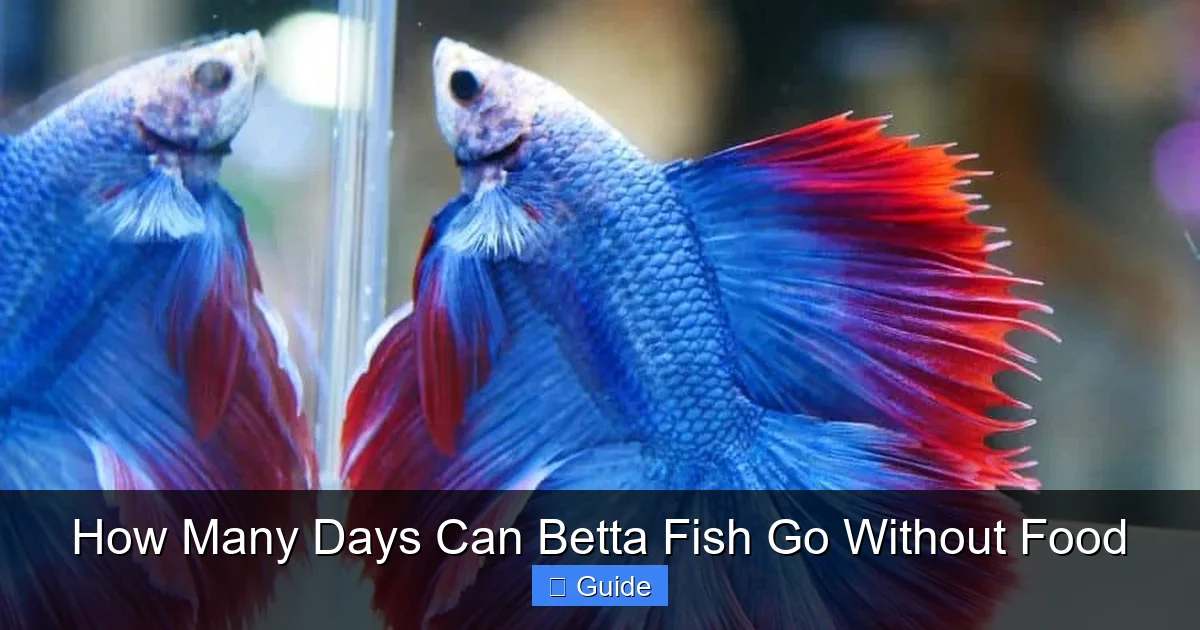
Visual guide about How Many Days Can Betta Fish Go Without Food
Image source: acaquarium.com
Carnivorous by Nature, Not Omnivorous
Unlike many common aquarium fish that are omnivores (like goldfish or guppies), bettas are obligate carnivores. Their short, upturned mouths are designed for capturing insects, larvae, and tiny crustaceans on the water’s surface. Their digestive systems are short and efficient at processing protein, not plant matter. They lack the long intestines needed to extract nutrients from vegetation or to efficiently utilize stored body fat for long-term energy. A betta’s body is a high-performance engine that needs regular, high-quality fuel. Running on empty causes it to start consuming its own muscle and organ tissue for energy very quickly.
The Labyrinth Organ: A Double-Edged Sword
Bettas possess a unique respiratory structure called the labyrinth organ. This allows them to gulp air from the surface, a adaptation for surviving in oxygen-poor, stagnant water. While this is a brilliant survival tool for low-oxygen environments, it does not provide them with any nutritional energy. It simply helps them breathe when water quality is poor. During a fast, they are still gulping air, but their bodies are starving. This adaptation might help them survive slightly longer in bad water during a fast, but it doesn’t change the fundamental fact that their cells are starving for nutrients.
Metabolism and Temperature
A betta’s metabolic rate is directly tied to water temperature. The ideal range is 76-82°F (24-28°C). In this warm water, their metabolism is active and they require consistent food intake to maintain it. If the water is colder, their metabolism slows, and they may eat less. However, a cold tank is also stressful and immunosuppressive. The “10-14 day” myth often assumes a stable, ideal temperature. In a real home, temperatures can fluctuate, especially if the heater fails or the room gets cold, further stressing a fasting fish.
The Realistic Timeline: What Happens Day-by-Day Without Food
Let’s map out the physiological decline of a betta deprived of food in a typical home aquarium. This isn’t about the absolute maximum; it’s about the point at which irreversible damage begins.
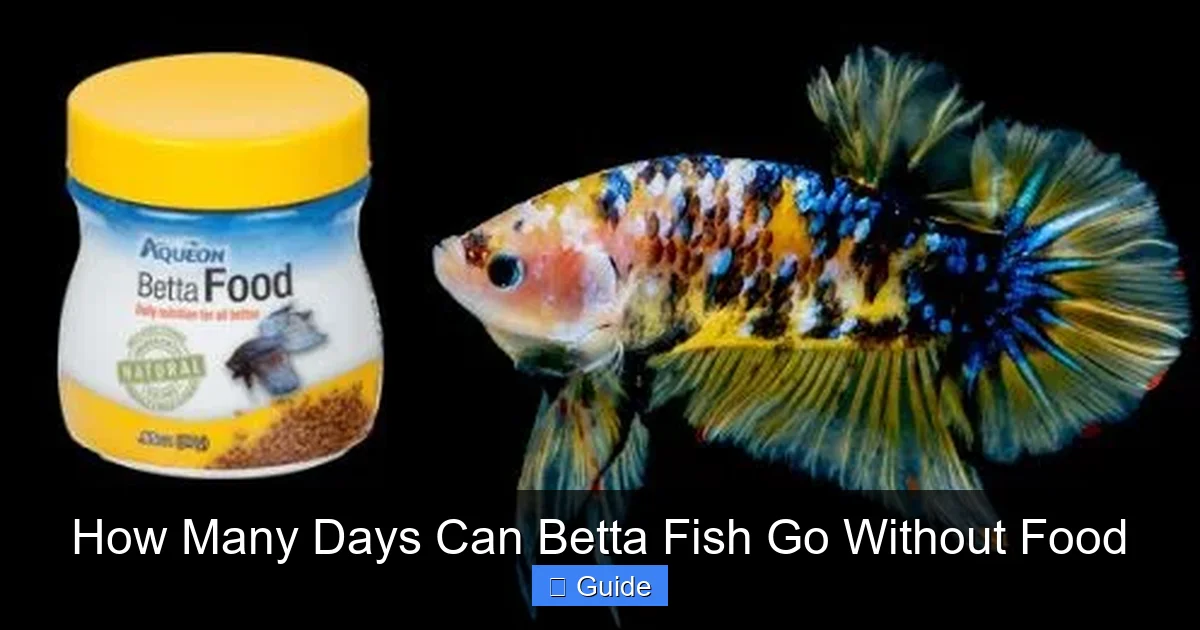
Visual guide about How Many Days Can Betta Fish Go Without Food
Image source: animalslog.com
Days 1-3: The “Hungry but Fine” Phase
For the first 24-72 hours, a healthy betta will be visibly hungry. It may swim eagerly to the front of the tank when you approach, expecting food. Its body is using readily available energy from its last meal. Behavior might be slightly less active, but it will still flare, explore, and rest normally. This is the window where a missed feeding due to a busy day is usually harmless. However, if your betta is already stressed, sick, or in less-than-ideal water, even this short period can be problematic.
Days 4-7: The Critical Decline Begins
By day 4, the lack of nutritional intake starts to take a serious toll. The betta begins to metabolize its own muscle tissue and fat reserves. You may notice:
- Significant Lethargy: Spending most of the day motionless at the bottom or top of the tank.
- Loss of Color: Vibrant reds, blues, and greens will fade and become dull. This is a direct sign of poor health and nutrient deficiency.
- Clamped Fins: Fins will be held tightly against the body instead of being flared and flowing.
- Reduced Reactivity: It may not flare at its reflection or respond to your presence.
- Sunken Belly: The area behind the pectoral fins may appear concave or hollow.
This is the stage where organ stress is becoming severe. The liver and kidneys are working overtime to process the toxins from breaking down body tissues, and their function is impaired. The immune system collapses, making the fish highly susceptible to opportunistic infections like fin rot or velvet disease.
Days 8-10: Point of No Return
At this stage, the betta is in a critical state. Major organ failure is imminent or already occurring.
- Extreme Emaciation: The skull and backbone may become visibly prominent.
- Inability to Maintain Buoyancy: It may struggle to swim upright, listing to one side or sinking and having trouble reaching the surface to breathe air.
- Complete Loss of Appetite: Even if food is offered, it will show no interest. Its digestive system has essentially shut down.
- Minimal Movement: Only essential movements for breathing. May only stir if physically prodded (which you should never do).
- High Mortality Risk: Death is now highly likely, even if food is reintroduced. The damage to internal organs is often irreversible.
The “10-14 day” survival claim might refer to a betta in this final, moribund state—barely clinging to life. This is not a state any responsible pet owner would ever want for their animal.
Risks and Consequences of Prolonged Fasting
Beyond the obvious starvation, skipping meals triggers a cascade of health disasters for your betta.
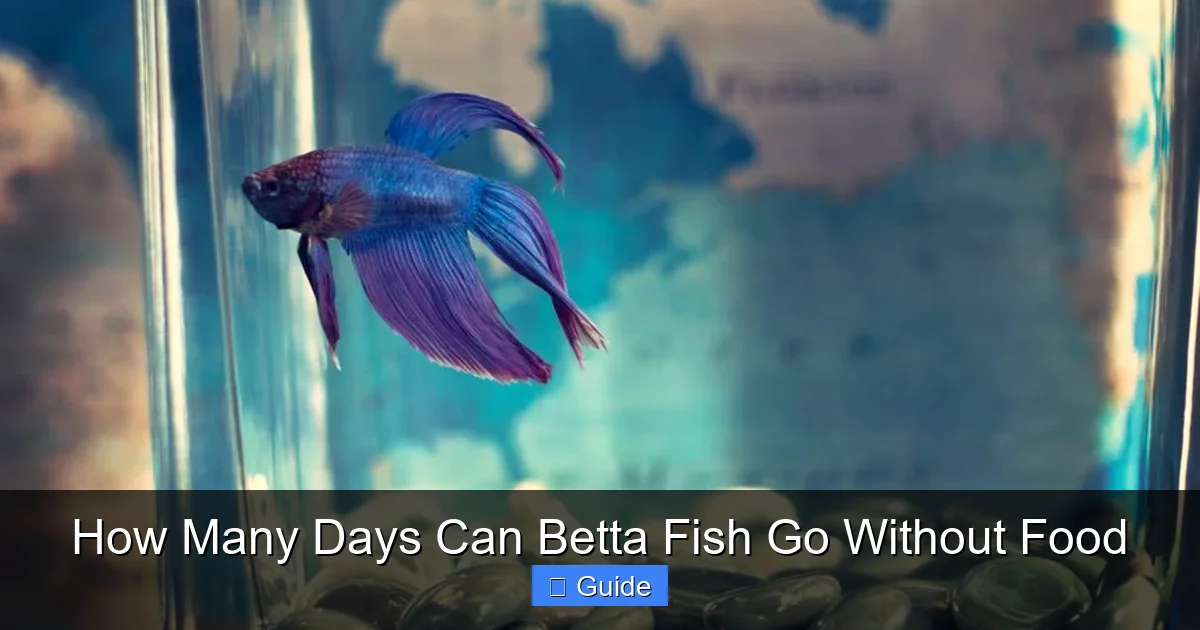
Visual guide about How Many Days Can Betta Fish Go Without Food
Image source: yourhousepet.com
Organ Failure: The Silent Killer
The most significant and immediate risk of a prolonged fast is not “starvation” in the poetic sense, but toxic organ failure. As the betta’s body catabolizes (breaks down) its own muscle and fat for energy, it releases nitrogenous waste products like ammonia and urea into the bloodstream. A healthy, fed fish excretes these through its gills and kidneys. A starving fish’s compromised liver and kidneys cannot process this sudden, internal flood of toxins efficiently. This leads to visceral toxicity—the organs are poisoned from the inside out. This is often the actual cause of death, long before the fish is literally “skin and bone.”
Compromised Immune System
Nutrition is the foundation of the immune system. Vitamins (especially A, C, and E), minerals, and high-quality proteins are essential for producing white blood cells and antibodies. Without them, the betta’s immune defense drops to near zero. Any pathogens—bacteria, fungi, or parasites—present in the tank water, which are always there in small numbers, can now launch a full-scale invasion. Diseases like Columnaris (cotton wool disease), Dropsy, or Fin Rot become almost inevitable and will progress rapidly in a weakened host.
Severe Stress and Behavioral Changes
Stress is a killer. The physiological stress of hunger elevates cortisol levels, which further suppresses the immune system and can damage tissues. A stressed betta may exhibit unnatural behaviors: frantic swimming, glass surfing (rubbing against surfaces), or extreme hiding. This stress weakens them further, creating a vicious cycle. Their beautiful, curious personality vanishes, replaced by a listless, depressed state.
Long-Term Health Impacts (If It Recovers)
Even if you reintroduce food and the betta appears to recover, the damage may have lasting consequences. Organ scarring, permanent muscle wasting, and a permanently weakened immune system can shorten its lifespan significantly. A betta that has undergone a major fast is a shadow of its former self and will require exceptionally careful care to regain health.
Proper Betta Feeding Practices: Prevention is Everything
The answer to how many days can betta fish go without food should always be: “As few as possible.” The goal is to never test the limit. Here is the definitive guide to feeding your betta correctly.
What to Feed: Quality Over Quantity
Bettas need a diet high in animal protein.
- Pellets: The staple. Choose high-quality betta-specific pellets where the first ingredient is fish meal, shrimp meal, or krill. Avoid fillers like wheat, soy, or potato. Brands like New Life Spectrum, Hikari Betta Bio-Gold, or Fluval Bug Bites are excellent.
- Frozen Foods: A fantastic supplement 2-3 times a week. Bloodworms, brine shrimp, and daphnia are favorites. Thaw a small cube in a dish of tank water first.
- Live Foods: The ultimate treat and enrichment (e.g., microworms, vinegar eels). Use sparingly from trusted sources to avoid introducing disease.
- Avoid: Flake food (most bettas won’t eat it, it fouls water quickly), vegetable-based foods, and “betta treats” that are mostly fillers.
How Much and How Often: The 2-3 Minute Rule
This is the golden rule. Offer an amount your betta can completely consume in 2-3 minutes, once or twice a day. For most adult bettas, this is 2-3 high-quality pellets per feeding. Overfeeding is the #1 cause of poor water quality and digestive issues (like constipation and swim bladder disorder), which can then lead to a loss of appetite—creating a false perception that the fish “won’t eat.” Underfeeding is always safer than overfeeding, but consistent, appropriate feedings are ideal. Juvenile bettas can be fed 2-3 times daily as they grow.
The Strategic Fast: A Tool, Not a Punishment
Yes, you read that right. Intentionally fasting your betta for one 24-hour period per week or per month can be beneficial. This gives their digestive system a complete rest, helps clear out any minor blockages, and can mimic natural feeding cycles. It is not the same as an accidental multi-day fast. This short, planned break is a healthy practice. The key is that it is planned, single, and short (24 hours max).
Water Quality: The Non-Negotiable Partner
No discussion of feeding is complete without emphasizing water quality. A betta in clean, warm, dechlorinated water with proper filtration (or frequent water changes) will have a robust appetite and metabolism. A betta in dirty, cold, or chemically imbalanced water will be stressed, its digestion will be poor, and it will often refuse food—even if it’s starving. This is a critical point: a betta that stops eating is almost always suffering from poor water conditions or illness first, not just “being picky.” Test your water weekly for ammonia, nitrite, nitrate, and pH. Perform 25-50% water changes weekly in a filtered tank, or more frequently in an unfiltered bowl (which we strongly advise against).
Special Circumstances: Vacations, Emergencies, and Sick Fish
Life happens. How do you handle the question of how many days can betta fish go without food when you have to be away?
Planning for a Vacation (2-7 Days)
For a weekend trip (2-3 days), simply perform a large water change (50%) right before you leave, ensure the heater is reliable, and your betta will be perfectly fine. It’s better to miss a couple of meals than to risk an auto-feeder malfunction or overfeeding by a neighbor.
- For 4-7 Days: This is the absolute upper limit of a “safe” fast for a healthy betta in pristine water. Do a 50% water change the day before departure. Do not use a “weekend feeder” or “vacation feeder” block. These are made for herbivores and release food slowly, polluting the water and often providing the wrong nutrition. They are a recipe for ammonia spikes.
- The Best Solution: Have a trusted, responsible friend or family member come over once midway through your trip to perform a 25% water change and offer 1-2 pellets. Give them precise written instructions. This is far superior to any automated device.
- Auto-Feeders: If you must use one, test it extensively beforehand. Set it to drop one single pellet once, on day 3 or 4 of your absence. The risk of it dumping a week’s worth of food is high.
If Your Betta Stops Eating (The Real Emergency)
If your betta refuses food for more than 48 hours, the problem is not hunger—it’s a symptom. Your immediate action plan:
- Test the Water: Immediately test for ammonia, nitrite, and nitrate. Perform a 50% water change with properly conditioned water at the same temperature.
- Check Temperature: Ensure the heater is working and the water is in the 78-80°F range.
- Observe for Illness: Look for spots (ich), cotton-like growth (fungus), red streaks (hemorrhaging), ragged fins (rot), or abnormal swimming.
- Fast Temporarily: If you suspect constipation (a swollen, bloated belly), stop feeding for 3 days to let the digestive system clear, then offer a daphnia or a soaked pea.
- Medicate if Needed: If you see signs of disease, research appropriate treatment (e.g., aquarium salt for mild external issues, formalin or copper-based meds for parasites). Isolate in a hospital tank if possible.
A betta not eating is a cry for help regarding its environment or health, not a normal state.
Conclusion: Prioritize Consistent Care Over Theoretical Survival
So, how many days can betta fish go without food? The honest, responsible answer is: you should never find out. While their biology might allow a bare-minimum survival of 10-14 days under sterile, temperature-perfect conditions, the reality for your pet is that significant, irreversible damage begins after just 3-5 days without sustenance. The “10-14 day” myth is a dangerous trap that confuses the extreme edge of survival with acceptable care.
Your betta is a living, feeling creature that depends entirely on you. Its vibrant colors, playful flares, and curious personality are direct results of a stable environment and a consistent, proper diet. The goal of betta ownership is to provide thriving, not merely surviving. By feeding high-quality pellets or frozen foods in small portions once or twice daily, maintaining impeccable water quality, and planning ahead for any absences, you create the conditions for your betta to live a long, healthy, and beautiful life—often 3-5 years or more. Never use a theoretical survival number as a guide for care. Instead, use the knowledge of their delicate physiology to build a daily routine that honors their needs. Your betta’s health, color, and activity level will be your reward, and you’ll never have to worry about the answer to that unsettling question again.
Frequently Asked Questions
Can I leave my betta fish alone for a week without food?
A healthy betta in clean, warm water can technically survive a week without food, but it will be under severe stress by days 4-5, with fading color and lethargy. This is not recommended. The safest approach for a 7-day trip is to have someone perform a water change and offer 1-2 pellets midway through your absence.
Why is my betta fish not eating but acting normal?
This is often a sign of poor water quality. Test immediately for ammonia and nitrite. Even if the fish seems active, internal stress from toxins can suppress appetite. Other causes include constipation (swollen belly), temperature being too low, or a developing illness. Always check water parameters first.
Is it okay to use a vacation feeder block for my betta?
No. Vacation feeder blocks are designed for herbivorous fish and dissolve slowly, releasing a large amount of food and polluting the water with ammonia. This is extremely dangerous for a betta, as it combines the stress of fasting with the risk of a toxic water spike. Avoid them completely.
How often should I really feed my betta fish?
Adult bettas should be fed once or twice daily, offering only what they can eat in 2-3 minutes (typically 2-3 quality pellets). A 24-hour fast once a week or month is beneficial for digestion. Juvenile bettas can be fed 2-3 times daily as they grow.
What are the signs of a starving betta fish?
Signs include extreme lethargy, clamped fins, significant loss of vibrant color, a visibly sunken or concave belly behind the pectoral fins, inability to maintain buoyancy (listing or sinking), and complete disinterest in food even after several days. These are signs of advanced, serious decline.
My betta is bloated and not eating—is it starving?
No, a bloated betta that isn’t eating is usually suffering from constipation or a digestive blockage, not starvation. Stop feeding for 3 days to let its system clear. Then offer a small piece of deshelled, cooked pea or some daphnia as a natural laxative. If bloating persists, it could be a sign of a serious internal infection or tumor requiring veterinary attention.