How Many Times Do Yoh Geed a Betta Fish
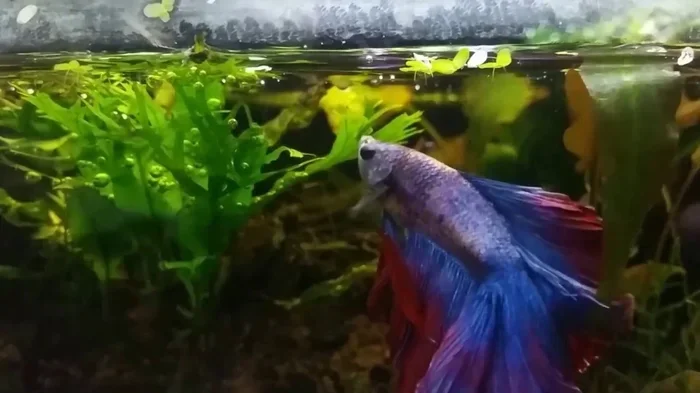
How many times do you feed a betta fish is one of the most common questions new betta owners ask. Most experts recommend feeding your betta twice a day with small portions. A proper betta fish feeding schedule keeps your fish healthy, active, and prevents serious health issues.
Key Takeaways
- Feed 2 times daily: Most betta fish do best with two small meals per day, spaced about 12 hours apart.
- Keep portions small: Only give what your betta can finish in 2-3 minutes to prevent overfeeding.
- Skip one day weekly: A weekly fast helps your betta’s digestive system stay healthy.
- Quality matters: High-quality pellets provide better nutrition than generic flakes.
- Watch the appetite: A healthy betta is eager to eat but slows down when full.
- Overfeeding is dangerous: Uneaten food pollutes the tank and leads to bloating and swim bladder problems.
- Adjust for life stages: Fry and young bettas need more frequent feedings than adults.
📑 Table of Contents
- How Many Times Do You Feed a Betta Fish? The Complete Guide
- The Ideal Betta Fish Feeding Schedule
- How Much Should You Feed Each Time?
- Best Foods for Your Betta Fish
- When to Skip Feeding: The Importance of Fasting
- Adjusting the Feeding Schedule for Different Life Stages
- Common Mistakes When Feeding Betta Fish
- Expert Tips for a Healthy Feeding Routine
- Conclusion
How Many Times Do You Feed a Betta Fish? The Complete Guide
So you just got a betta fish, or maybe you are thinking about getting one. Either way, you are probably wondering about the feeding routine. The question how many times do you feed a betta fish comes up all the time among new fish keepers. And honestly, it is a really important question. Getting the feeding schedule right is one of the biggest factors in keeping your betta healthy and happy for years.
The good news is that feeding a betta fish is not complicated once you know the basics. Most betta fish thrive on a simple betta fish feeding schedule of two meals per day. But there is more to it than just counting feedings. The type of food, portion size, and even the days you skip feeding all play a role in your fish’s overall health. Let us break it all down.
Why Feeding Frequency Matters for Your Betta
Betta fish have a small digestive system. Unlike larger fish, they cannot handle large meals or frequent snacking. Overfeeding is actually one of the leading causes of death in captive betta fish. When you give them too much food, the excess sits in their stomach and causes bloating, constipation, and even swim bladder disorder.
A consistent betta fish diet does more than just fill their belly. It supports their color, energy, immune system, and overall betta fish lifespan. A well-fed betta can live 3 to 5 years in a proper tank setup. A poorly fed betta may only survive a year or two. That difference comes down to how you approach mealtime.
The Ideal Betta Fish Feeding Schedule
So, how many times a day should you feed a betta fish? The short answer is twice a day. Morning and evening. This mirrors the natural feeding pattern bettas follow in the wild. They graze on small insects and larvae throughout the day, so two meals gives them a steady supply of nutrients without overwhelming their system.
Here is a simple daily feeding schedule that works for most bettas:
- Morning feed: Around 8 to 9 AM. Give 2 to 3 pellets or a small pinch of flakes.
- Evening feed: Around 7 to 8 PM. Give the same amount as the morning.
This schedule keeps things simple and easy to remember. If you work irregular hours, just make sure the two meals are spaced roughly 10 to 12 hours apart. Consistency matters more than exact timing.how many times a day to feed a betta fish.
What About Feeding Once a Day?
Some experienced fish keepers feed their bettas once a day. This can work, but only if the single meal is slightly larger and includes a variety of food types. Single daily feeding is more common in mature bettas that are less active. However, for most hobbyists, two smaller meals are easier to manage and better for the fish.
If you go the once-a-day route, try to feed in the morning. This gives your betta all day to digest the food before going into a rest cycle at night. Betta fish digestion slows down in cooler water, so timing matters.
How Much Should You Feed Each Time?
Portion control is just as important as frequency. The golden rule is this: give your betta only what it can eat in under two to three minutes. That usually amounts to about 2 to 3 pellets per feeding for an adult betta. If you use flakes, a small pinch will do.
Here is a quick reference for different food types:
- Pellets: 2 to 3 medium pellets per feeding
- Flakes: A small pinch (about 1/4 teaspoon)
- Frozen or live food: 1 to 2 pieces per feeding
- Freeze-dried treats: 1 to 2 pieces, soaked first
It is tempting to toss in extra food because your betta seems eager. But bettas are greedy by nature. They will always act hungry even when they are full. This is where many beginners make mistakes. If you want to learn more about proper portions, this guide on how much do you feed a betta fish breaks it down in detail.
Signs You Are Overfeeding
Watch for these red flags that tell you to cut back on portions:
- Food leftover in the tank after 5 minutes
- Your betta looks bloated or puffy
- Swimming sideways or struggling to stay afloat
- Lethargy after eating
- Cloudy water that worsens after feeding
If you notice any of these, reduce the portion size immediately. Your betta fish health depends on it.
Best Foods for Your Betta Fish
Not all fish food is created equal. Bettas are carnivores by nature. They need protein-rich diets that mimic what they would eat in their natural habitat. Quality betta fish pellets should make up the bulk of their diet. Look for brands where fish or shrimp meal is the first ingredient.
Here is a breakdown of the best food options for your betta:
Staple Foods
- High-quality pellets: These are the foundation of a healthy betta diet. Choose slow-sinking pellets so your fish has time to eat them.
- Flakes: Acceptable but less ideal. Flakes often contain fillers and break apart quickly.
Treats and Variety
- Frozen bloodworms: A protein-packed treat once or twice a week.
- Frozen brine shrimp: Great for boosting color and appetite.
- Freeze-dried tubifex worms: An occasional snack that mimics natural prey.
- Blanched peas: A helpful remedy for constipation. Remove the shell and feed a small piece.
Rotating between these options creates a well-rounded betta fish meal plan. Variety prevents boredom and ensures your fish gets a wide range of nutrients. You can read more about choosing the right food in our article on how often do you feed a betta fish.
When to Skip Feeding: The Importance of Fasting
Here is something many beginners do not know: betta fish benefit from a fasting day. Skipping one feeding per week helps clear out their digestive tract. It also gives your betta fish tank a break from excess food particles that can foul the water.
Fast days are simple. Just pick one day a week where you do not feed your betta at all. The fish will be perfectly fine. In fact, many experienced breeders and hobbyists recommend this practice for all bettas regardless of age.
Fasting helps with:
- Better digestion and reduced bloating
- Improved water quality in the tank
- Stronger immune system function
- More natural feeding behavior
If your betta has been overeating, consider doing two fast days per week until their health improves. Always watch for signs of distress during a fast. A healthy adult betta can easily go a full day without food.
Adjusting the Feeding Schedule for Different Life Stages
How often you feed a betta fish depends partly on its age. Young bettas and fry have faster metabolisms and need more frequent meals. Adult bettas do well on two feedings per day. Here is how to adjust based on your fish’s stage of life:
Betta Fry (0 to 3 Months)
- Feed 3 to 4 times per day
- Use finely crushed pellets or specialized fry food
- Keep portions tiny but frequent to support rapid growth
Juvenile Betta (3 to 6 Months)
- Feed 2 to 3 times per day
- Gradually transition to standard pellet size
- Introduce frozen foods as treats
Adult Betta (6 Months and Older)
- Feed 2 times per day
- Stick to 2 to 3 pellets per meal
- Include one fasting day per week
These are general guidelines. Every betta is different. Some are more active and burn through calories faster. Others are lazier and need smaller portions. Pay attention to your individual fish and adjust accordingly.
Common Mistakes When Feeding Betta Fish
Even experienced owners sometimes slip up. Here are the most common mistakes people make when setting up a betta fish care routine:
Feeding Too Much at Once
This is the number one mistake. People see their betta darting around the tank and assume it is starving. In reality, bettas are always hungry. They act hungry. That does not mean they need more food. Stick to the two-minute rule and you will be fine.
Ignoring Food Quality
Cheap fish food is full of fillers like wheat and soy. Bettas cannot digest these well. Over time, low-quality food leads to poor nutrition, faded color, and a weakened immune system. Invest in a reputable pellet brand designed specifically for bettas.
Feeding the Same Thing Every Day
Even the best pellets do not provide everything your betta needs. Mix in frozen or freeze-dried treats two to three times a week. This adds variety and covers nutritional gaps. Think of it like how humans need a balanced diet, not just one type of food.
Feeding at Random Times
Bettas are creatures of habit. They feel safe when they know when to expect food. Try to feed at the same times each day. This also helps you monitor their appetite. If your betta is not eating at its usual time, that is a warning sign.
Forgetting About Water Quality
Food that goes uneaten decays quickly in a tank. This creates ammonia spikes that harm your fish. Always remove leftover food after a few minutes. Pair a good feeding routine with regular water changes for the best results.
Expert Tips for a Healthy Feeding Routine
Here are some quick betta fish feeding tips from experienced hobbyists:
- Use tweezers or a feeding ring to control where the food goes. This prevents food from floating into the filter or decorations.
- Soak freeze-dried food before feeding. It expands in your betta’s stomach and can cause blockages.
- Watch your betta during feeding. A healthy fish eats eagerly and swims normally afterward. A sick fish may ignore food entirely.
- Keep a simple log if you are unsure about portions. Write down what you fed and when. This helps spot patterns.
- Never feed your betta human food like bread or crackers. These have no nutritional value and can seriously harm them.
For more comprehensive care advice beyond feeding, you might find this resource on how do you care for a betta fish helpful for building a complete care routine.
Conclusion
So how many times do you feed a betta fish? The answer is simple: twice a day with small portions. Pair that with quality food, one weekly fasting day, and a clean tank, and your betta will thrive. Feeding is not just about filling a bowl. It is about building a betta fish feeding schedule that supports a long, colorful, and active life.
Take the time to observe your fish. Learn its habits. Adjust portions as needed. Every betta is unique, and the best feeding routine is the one tailored to your individual fish. Follow the tips in this guide, avoid the common mistakes, and you will have a happy, healthy betta for years to come.
Frequently Asked Questions
How many times a day should I feed my betta fish?
Feed your betta fish twice a day, once in the morning and once in the evening. Keep each meal small enough to be finished within two to three minutes. This schedule closely matches their natural eating habits and supports healthy digestion.
Can I feed my betta fish only once a day?
Yes, once a day can work for adult bettas if you include a slightly larger meal with varied food types. However, most experts recommend two smaller feedings per day for better nutrient absorption and more consistent energy throughout the day.
What is the best food for a betta fish?
High-quality betta pellets should be the staple diet. Look for brands where real fish or shrimp meal is the main ingredient. Supplement with frozen bloodworms, brine shrimp, or freeze-dried treats a few times a week for variety and added nutrition.
How do I know if I am overfeeding my betta?
Signs of overfeeding include leftover food in the tank after five minutes, a bloated belly, difficulty swimming, and cloudy water. If you see any of these, reduce the portion size immediately and consider adding a fasting day to your weekly routine.
Should I fast my betta fish once a week?
Yes, fasting your betta once a week is highly recommended. It helps clear their digestive system, improves water quality, and supports overall health. Simply skip one feeding day per week and your betta will be just fine.
How much should I feed a young betta fish?
Young bettas and fry should be fed three to four times a day in very small amounts. Use crushed pellets or specialized fry food. As they grow, gradually reduce feedings to twice a day and increase portion size to match their adult needs.