How Many Times Do We Feed a Betta Fish
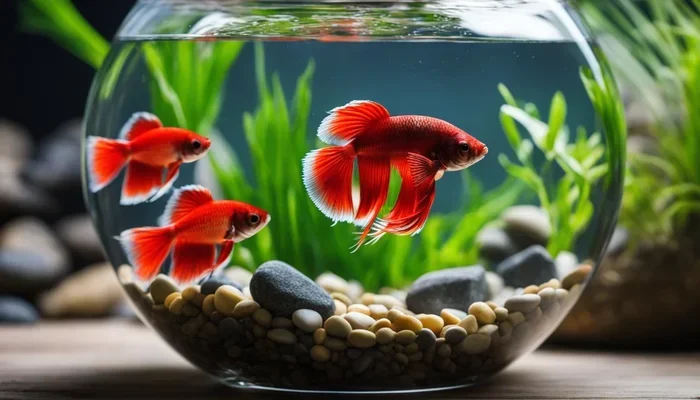
Feeding your betta fish the right number of times each day is one of the most important steps you can take to keep your fish healthy and happy. Most experts recommend feeding your betta fish two times per day, offering small portions that your fish can consume within a few minutes. Overfeeding is one of the biggest mistakes betta owners make, so knowing how many times do we feed a betta fish and sticking to a consistent schedule will help prevent health problems and keep your betta thriving.
Key Takeaways
- Feed your betta 2–3 times daily with small, manageable portions.
- Offer only what they can eat in 2 minutes to prevent overfeeding.
- Skip one feeding day per week to support healthy digestion.
- Remove uneaten food promptly to keep tank water clean and safe.
- Use a consistent feeding schedule to reduce stress and improve appetite.
- Adjust portion size for younger or older bettas as their needs differ.
- Watch for signs of overfeeding like bloating or cloudy water.
📑 Table of Contents
- Why Feeding Frequency Matters for Your Betta Fish
- How Many Times Do We Feed a Betta Fish? The Golden Rule
- Factors That Affect Your Betta Fish Feeding Schedule
- Best Foods to Feed Your Betta Fish
- Common Feeding Mistakes to Avoid
- Creating the Perfect Feeding Routine for Your Betta
- Quick Tips and Expert Insights
- Final Thoughts on How Many Times Do We Feed a Betta Fish
Why Feeding Frequency Matters for Your Betta Fish
So you just got a beautiful betta fish, or maybe you’ve had one for a while now. Either way, you’re probably wondering about the right feeding routine. How many times do we feed a betta fish? It’s one of the most common questions new fish owners ask. And honestly, it’s a great question because getting this wrong can affect your fish’s health big time.
Feeding your betta fish the right number of times each day isn’t just about keeping its belly full. It’s about betta fish nutrition, energy levels, color, and even lifespan. Too little food and your fish gets weak. Too much and you risk serious health problems. The good news? Once you understand the basics, it’s pretty simple to get right.
In this guide, we’ll walk you through everything you need to know about betta fish feeding frequency. From the golden rules to common mistakes, you’ll have a clear plan by the end. Let’s dive in.
How Many Times Do We Feed a Betta Fish? The Golden Rule
Here’s the short answer: feed your betta fish two times a day. That’s it. Morning and evening. This is the most widely accepted betta fish feeding schedule among experienced fish keepers and veterinarians alike.
But wait — there’s a little more to it than just counting meals. The number of feedings also depends on your fish’s age, size, and overall betta fish diet. Let’s break it down so you know exactly what to do.
Feeding Schedule by Age
Young betta fish, also called fry, need more frequent meals. They’re growing fast and need extra fuel. Adult bettas do well with two meals. Seniors may benefit from slightly smaller portions spread across the same two feedings.
- Fry (under 3 months): 3-4 times per day with tiny portions
- Juvenile (3-6 months): 2-3 times per day
- Adult (6 months and older): 2 times per day
- Senior (2+ years): 2 times per day with smaller portions
If you’re unsure about your fish’s age, just stick with two meals a day. It’s the safest and most effective approach for most bettas. For more detailed guidance on feeding schedules, check out this helpful resource on how often to feed a betta fish.
How Much Should You Feed Each Time?
Portion control is just as important as timing. A good rule of thumb is to give your betta only what it can eat in about 2-3 minutes. Anything left over after that should be removed from the tank immediately. Uneaten food rots quickly and messes up your betta fish tank water quality.
Most experts recommend about 2-3 pellets per feeding for an average adult betta. If you use flakes, a small pinch will do. You can also check out our detailed guide on how many pellets to feed a betta fish for specific portion sizes based on food type.
Factors That Affect Your Betta Fish Feeding Schedule
Not every betta fish is the same. Several things can change how often and how much you should feed. Understanding these factors helps you fine-tune your routine and keep your fish thriving.
Tank Size and Environment
A bigger tank doesn’t mean your betta needs more food. But it does affect how active your fish is. Bettas in larger tanks tend to swim more and burn more energy. They might need slightly more food than those kept in small bowls. If you want to learn more about ideal tank setups, read our article on how many gallons for a betta fish.
Temperature and Water Conditions
Water temperature plays a big role in your betta’s metabolism. Warmer water speeds things up. Your fish digests food faster and becomes more active. Cooler water slows everything down. Here’s a quick breakdown:
- 76-78°F (24-26°C): Normal metabolism. Stick with 2 meals a day.
- 80-82°F (27-28°C): Faster digestion. Watch for increased activity and adjust portions slightly.
- Below 76°F (24°C): Slower metabolism. Reduce portions to avoid undigested food.
Always keep your water temperature stable. Sudden changes stress your betta and can mess with its feeding habits.
Activity Level
Some bettas are lazy. Some are little rockets. Active bettas that swim around the whole tank all day need more energy. They might handle slightly larger portions. Lazy bettas do fine with the standard feeding amounts. Just watch your fish and adjust accordingly.
Health Condition
If your betta is sick or recovering from an illness, it might not eat much. Don’t force feed. Instead, offer small amounts and remove uneaten food after a few minutes. Once your fish bounces back, go back to the regular schedule. If you notice your betta isn’t eating at all, check out our guide on how to tell if a betta fish is dying for warning signs to watch for.
Best Foods to Feed Your Betta Fish
Now that you know how many times do we feed a betta fish, let’s talk about what to feed. Not all fish food is created equal. Bettas are carnivores. They need protein-rich diets to stay healthy and colorful.
Top Food Choices for Bettas
- High-quality pellets: The staple of most betta diets. Look for pellets made specifically for bettas. They sink slowly, which mimics natural hunting behavior.
- Frozen or freeze-dried bloodworms: A protein-packed treat. Feed these once or twice a week as a supplement.
- Frozen brine shrimp: Another excellent treat. Rich in nutrients and great for boosting color.
- Daphnia: Small crustaceans that aid digestion. Use occasionally for variety.
- Peas (deshelled): A classic remedy for constipation. Mash a soft pea and feed a tiny piece once a week.
Foods to Avoid
Not everything you find at the pet store is good for your betta. Stay away from these common offenders:
- Goldfish flakes: They lack the protein bettas need. Learn more about this in our article on can we feed a betta fish goldfish food.
- Tropical fish flakes: Too much filler and not enough protein for carnivorous bettas.
- Over-sized pellets: Your betta can’t eat them. Stick to small, betta-specific sizes.
- Live food from unknown sources: Risk of parasites and bacteria.
Variety is key. A mix of high-quality pellets and occasional treats keeps your betta interested in food and ensures balanced betta fish nutrition. Think of it like your own meal plan — nobody wants the same thing every single day.
Common Feeding Mistakes to Avoid
Even experienced fish keepers make mistakes. Here are the most common feeding errors and how to fix them.
Overfeeding
This is the number one mistake people make. It’s easy to do because bettas always look hungry. They’ll beg for food even when they’re full. But overfeeding leads to bloating, constipation, and poor betta fish water quality. Leftover food decays and produces ammonia, which is toxic.
Quick tip: If your betta’s belly looks bloated or it’s swimming crooked, stop feeding for a day or two. A fasting period helps reset the digestive system. For more on this, see our guide on how to care for a betta fish.
Feeding Too Much at Once
Some people dump a handful of food in and walk away. Big mistake. Always drop small amounts. Let your betta eat what it can in 2-3 minutes. Then add a little more if needed. This prevents overeating and keeps the tank cleaner.
Skipping Days Without Reason
While bettas can survive a few days without food, skipping feedings regularly isn’t good. It leads to malnutrition and a weakened immune system. Stick to a consistent schedule unless you’re specifically doing a planned fast for health reasons.
Ignoring Food Quality
Cheap fish food often contains fillers like wheat and soy. Bettas can’t digest these well. Invest in quality pellets and treats. Your fish will have better color, more energy, and a longer life. A healthy betta can live 3-5 years or even longer with proper care.
Not Removing Uneaten Food
This one’s simple but important. After each feeding session, check the tank. Remove any leftover food with a net or siphon. This keeps your water parameters stable and prevents harmful bacteria from building up.
Creating the Perfect Feeding Routine for Your Betta
Now let’s put it all together. Here’s how to build a daily feeding routine that works for both you and your betta.
Step-by-Step Daily Routine
- Morning feeding (around 8-9 AM): Drop 2-3 pellets or a small pinch of flakes. Watch your betta eat. Remove anything left after 3 minutes.
- Evening feeding (around 6-7 PM): Repeat the same process. Same portion size. Same watchful eye.
- Weekly treats (1-2 times per week): Replace one pellet meal with frozen bloodworms or brine shrimp. Keep the portion small — just a few worms.
- Weekly fast (optional): Skip one feeding day per week. This helps with digestion. Most healthy adult bettas handle this just fine.
Tracking Your Betta’s Progress
Keep a simple log if you’re unsure whether your routine is working. Note down:
- What you fed and how much
- How active your betta was after eating
- Whether there was leftover food
- Any changes in color, behavior, or appetite
After a couple of weeks, you’ll see patterns. If your betta is energetic, has bright colors, and eats everything you offer, you’re on the right track. If not, adjust portions or food type gradually. Never change everything at once.
Comparison Table: Feeding Frequency by Life Stage
| Life Stage | Feedings Per Day | Portion Size | Treats Per Week |
|---|---|---|---|
| Fry (under 3 months) | 3-4 times | 1-2 micro pellets | 2-3 times |
| Juvenile (3-6 months) | 2-3 times | 2-3 pellets | 2 times |
| Adult (6+ months) | 2 times | 2-3 pellets | 1-2 times |
| Senior (2+ years) | 2 times | 1-2 pellets | 1 time |
Use this table as a starting point. Every betta is different. Watch your fish and adjust as needed. The numbers above are guidelines, not strict rules.
Quick Tips and Expert Insights
Here are some final nuggets of wisdom from experienced betta keepers and aquatic specialists:
- Consistency beats perfection. Feeding at the same times every day matters more than hitting the exact right number of pellets.
- Your betta’s appetite is a good indicator. A healthy betta is eager to eat. A betta that turns away from food might be stressed, sick, or bored with the same food.
- Rotate foods slowly. If you want to switch brands or food types, mix the old and new over 5-7 days. Sudden changes can cause digestive upset.
- Feed before water changes. This gives your betta something to do while the water settles. It also means they’ll be hungry after the change and ready to eat the fresh food you offer.
- Don’t rely on food to keep your betta entertained. Bettas in small bowls get bored. Enrichment comes from space, plants, and hiding spots too.
Key Takeaways
- Feed your betta 2 times a day as a standard rule for adults.
- Keep portions small — what they can eat in 2-3 minutes.
- Use high-quality pellets as the main diet with occasional treats.
- Remove uneaten food promptly to protect water quality.
- Adjust frequency based on age, health, and activity level.
- Stay consistent with your schedule for the best results.
Final Thoughts on How Many Times Do We Feed a Betta Fish
So there you have it. The answer to how many times do we feed a betta fish is pretty straightforward. Two times a day for most adult bettas, with adjustments based on age and individual needs. The real secret isn’t just about counting meals. It’s about understanding your fish, watching its behavior, and responding to what it needs.
Feeding is one of the best ways to bond with your betta. It’s also one of the easiest ways to keep it healthy. Get the schedule right, choose quality food, and stay consistent. Your betta will reward you with vibrant colors, active swimming, and a happy, healthy life.
Now go ahead and put this plan into action. Your betta is counting on you, and you’ve totally got this.
Frequently Asked Questions
How Many Times Do We Feed a Betta Fish Each Day?
Most experts recommend feeding a betta fish twice a day — once in the morning and once in the evening. This feeding schedule mimics their natural eating patterns and keeps them healthy. Just be sure to give them only a small amount each time, about two to three pellets or a pinch of flakes.
Can You Feed a Betta Fish More Than Twice a Day?
Feeding your betta more than twice daily can lead to overfeeding, which causes serious health problems like bloating and swim bladder issues. Bettas have small stomachs, so extra meals do more harm than good. Stick to the recommended two meals per day for the best results.
How Many Times Do We Feed a Betta Fish When They Are Babies?
Baby betta fish, or fry, need to be fed three to four times a day because they are growing rapidly and need constant energy. Use very fine food like baby brine shrimp or crushed flakes that they can easily consume. As they grow older, you can gradually reduce feedings to the standard twice-daily routine.
Is It Okay to Skip a Feeding for Your Betta Fish?
Yes, skipping one feeding occasionally is perfectly fine and can even benefit your betta’s digestion. Many experienced fish keepers fast their bettas for one day a week to help prevent constipation and bloating. Just make sure you resume your regular feeding schedule the next day without overcompensating with extra food.
What Happens If You Feed a Betta Fish Too Often?
Overfeeding is one of the most common mistakes betta owners make, and it can lead to obesity, poor water quality, and digestive problems. Uneaten food also decays in the tank, raising ammonia levels and stressing your fish. Always feed only what your betta can finish in two to three minutes to keep them safe.
How Many Times Do We Feed a Betta Fish If They Are Not Eating?
If your betta refuses food, try offering smaller portions once a day for a few days to spark their appetite. Stress, cold water, or illness can all cause a betta to lose interest in eating. If they still won’t eat after several days, check the water temperature and look for signs of disease before adjusting your feeding routine further.