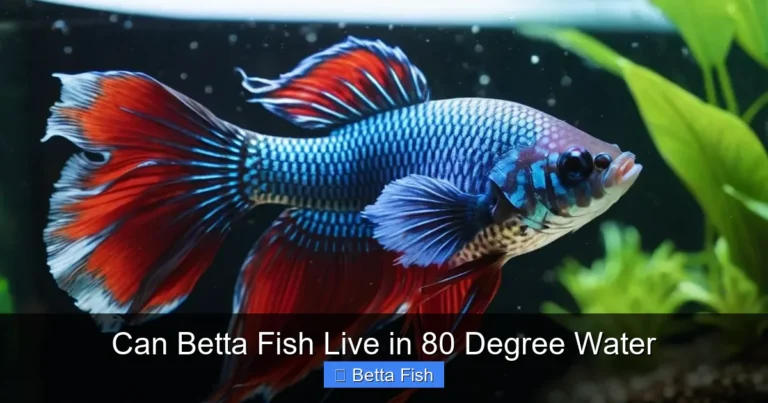
Are Betta Fish Warm Blooded or Cold Blooded

Betta fish are cold‑blooded, meaning their body temperature matches the water they live in. Understanding this helps you provide the right temperature, habitat, and care for a thriving, colorful pet.
Key Takeaways
- Cold‑blooded nature: Betta fish cannot regulate their own temperature and rely on water conditions.
- Ideal temperature range: Keep water between 76°F‑82°F (24°C‑28°C) for optimal health.
- Thermoregulation tricks: Use heaters, lids, and stable room temperature to avoid stress.
- Impact on behavior: Temperature influences activity, coloration, and breeding readiness.
- Compatibility tips: Warm water needs affect tank mates and plant choices.
- Common mistakes: Avoid cold drafts, sudden spikes, and under‑heating.
- Quick check: A simple thermometer test tells you if your betta’s environment is right.
📑 Table of Contents
- Introduction: The Warmth Question
- What Does Cold‑Blooded Mean for Fish?
- Ideal Temperature Range for Betta Fish
- How Temperature Affects Betta Behavior
- Practical Tips to Keep the Water Perfect
- Temperature and Tank Mates
- Common Mistakes New Owners Make
- Conclusion: Keep It Cozy, Keep It Healthy
- Additional Resources
Introduction: The Warmth Question
When you first meet a betta fish, its brilliant fins and bold personality make you wonder about its inner world. One of the most common questions new owners ask is: Are betta fish warm‑blooded or cold‑blooded? The answer is simple, but the implications are big. Knowing that bettas are cold‑blooded helps you create a stable, comfortable home that brings out their best colors and behavior.
In this guide we’ll break down what “cold‑blooded” really means for a fish, explore the perfect temperature range for bettas, and give you practical tips to keep the water just right. We’ll also answer related questions like how temperature affects aggression, breeding, and tank mates. By the end, you’ll have a clear picture of why temperature matters and how to master it.
What Does Cold‑Blooded Mean for Fish?
Definition of ectothermy
Animals that cannot generate their own body heat are called ectotherms, or cold‑blooded. Their internal temperature changes with the surrounding environment. For fish, water is the medium that sets the temperature.
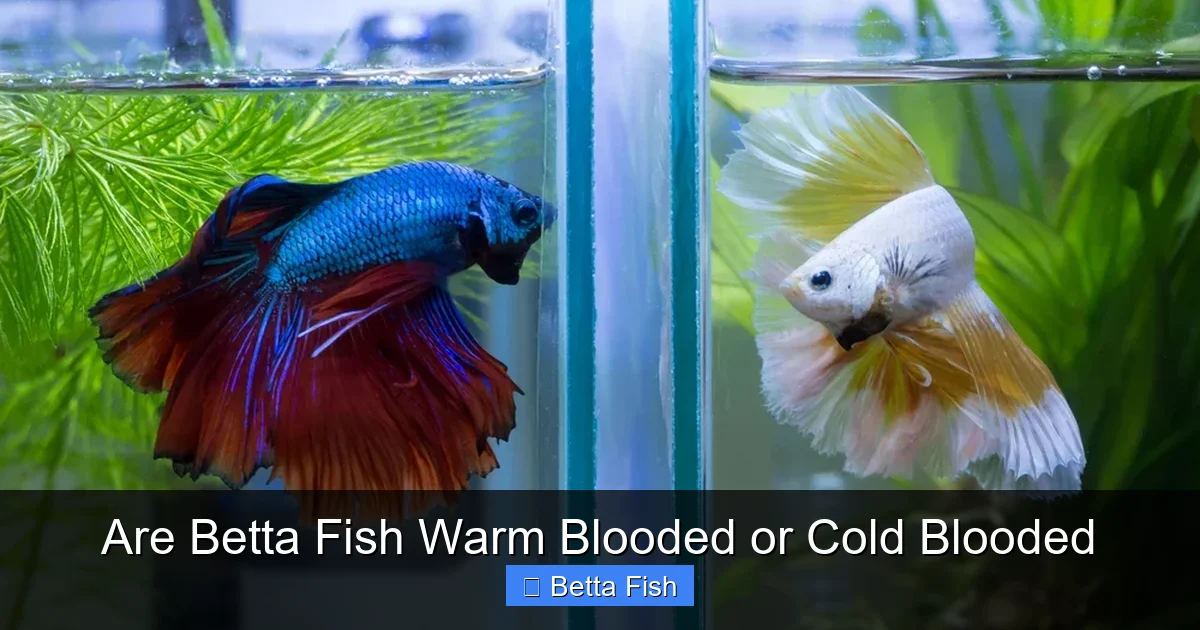
Visual guide about Are Betta Fish Warm Blooded or Cold Blooded
Image source: fishlab.com
How bettas use the water
Betta fish absorb heat directly from the water through their skin and gills. If the water cools, their metabolism slows; if it warms, they become more active. This is why a stable water temperature is a cornerstone of betta care.
Why it matters
When the temperature drifts outside the ideal range, you’ll see sluggish swimming, loss of color, and a weakened immune system. In extreme cases, the fish can develop fungal infections or die.
Ideal Temperature Range for Betta Fish
Recommended numbers
Most experts agree that bettas thrive in water kept between 76°F and 82°F (24°C‑28°C). This range mimics their natural tropical habitats in Southeast Asia.
Visual guide about Are Betta Fish Warm Blooded or Cold Blooded
Image source: ladyfreethinker.org
Using a reliable heater
Invest in a submersible aquarium heater with an adjustable thermostat. Place it near the water flow to avoid hot spots. Check the temperature twice a day for the first week, then settle into a weekly check.
Maintaining consistency
Sudden changes of more than 2°F (1°C) can stress a betta. Use a lid to block drafts, keep the room temperature stable, and avoid placing the tank near windows or air conditioners.
How Temperature Affects Betta Behavior
Activity levels
At the lower end of the range (76°F), bettas move slowly and may rest more on the bottom. As the water warms toward 82°F, they become more active, flare their fins, and explore the tank.
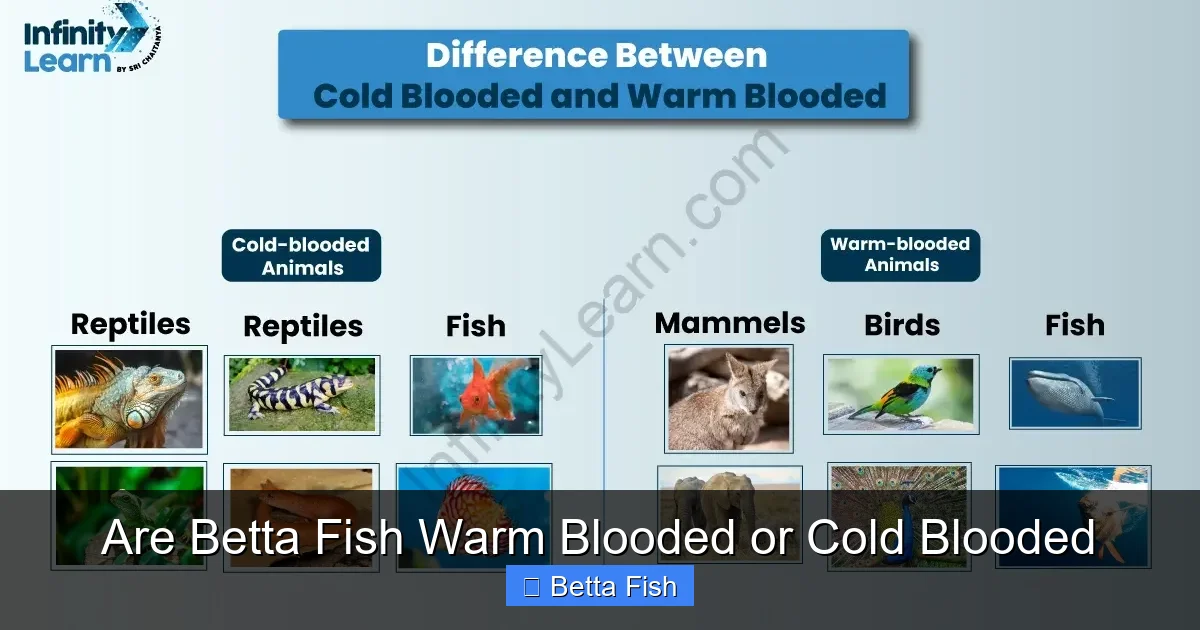
Visual guide about Are Betta Fish Warm Blooded or Cold Blooded
Image source: infinitylearn.com
Color intensity
Warm water enhances blood flow to the fins, making colors appear brighter. A dip in temperature can cause a “pale” look, which is often mistaken for illness.
Breeding readiness
Male bettas start building bubble nests when the water is comfortably warm, usually above 78°F (25.5°C). If the temperature is too low, they may ignore the nest‑building instinct.
Practical Tips to Keep the Water Perfect
Choosing the right thermometer
Digital stick‑on thermometers are cheap and accurate. For larger tanks, a floating glass thermometer works well. Place it in a spot where water circulates, not right next to the heater.
Preventing temperature swings
- Use a tank cover to keep warm air in.
- Turn off drafts from windows or air vents.
- Don’t place the tank on a cold surface like a tile floor.
- Consider a heater with an automatic shut‑off for safety.
When to adjust the heater
If the temperature reads 2°F below the target, raise the heater by 1°F and re‑test after a few hours. Never increase more than 2°F at once.
Temperature and Tank Mates
Finding compatible species
Because bettas need warm water, any tank mate must share the same temperature range. Peaceful tropical fish such as small rasboras, neon tetras, or dwarf gouramis can coexist if the tank is large enough (at least 10 gallons).
Impact on aggression
Warmer water can increase a betta’s territorial instincts. If you notice flaring or chasing, check that the water isn’t too hot and that there are plenty of hiding spots.
Link to related care topics
For more on choosing companions, see our guide on what fish are compatible with betta fish.
Common Mistakes New Owners Make
Using room‑temperature water
Adding tap water straight from the faucet (often 65°F‑70°F) can shock a betta. Always heat the water to the target range before a water change.
Relying on ambient room heat
While a warm room helps, it’s not enough to maintain a stable 78°F in the tank. A dedicated heater is essential.
Neglecting regular checks
Even a good heater can drift over time. Schedule a weekly temperature check and replace the heater every 2‑3 years.
Conclusion: Keep It Cozy, Keep It Healthy
Betta fish are cold‑blooded, so the key to a happy, vibrant pet is a stable, warm environment. By keeping the water between 76°F‑82°F, using a reliable heater, and preventing sudden temperature changes, you give your betta the best chance to show off its dazzling colors and lively personality. Remember to pair them with compatible tank mates, monitor behavior, and perform regular temperature checks. With these simple steps, your betta will thrive for years to come.
Additional Resources
Want to learn more about betta basics? Check out what are betta fish for an overview of their natural history, and read are betta fish easy to care for for a broader care checklist.
Frequently Asked Questions
Are betta fish warm‑blooded?
No. Betta fish are cold‑blooded (ectothermic) and rely on the water temperature to regulate their body heat.
What temperature should I keep my betta tank at?
Maintain the water between 76°F and 82°F (24°C‑28°C) for optimal health and coloration.
Can I keep a betta in a regular room‑temperature tank?
Only if the room stays consistently within the betta’s range. Most homes are cooler, so a heater is recommended.
How often should I check the temperature?
Check twice daily for the first week after setting up the heater, then at least once a week.
Does temperature affect a betta’s aggression?
Yes. Warmer water can increase activity and territorial behavior, so provide plenty of hiding spots and avoid overcrowding.
Will a colder tank stop my betta from breeding?
Lower temperatures can delay or stop nest building. Keep the water above 78°F (25.5°C) to encourage breeding.