How Many Pellets Do I Feed a Betta Fish
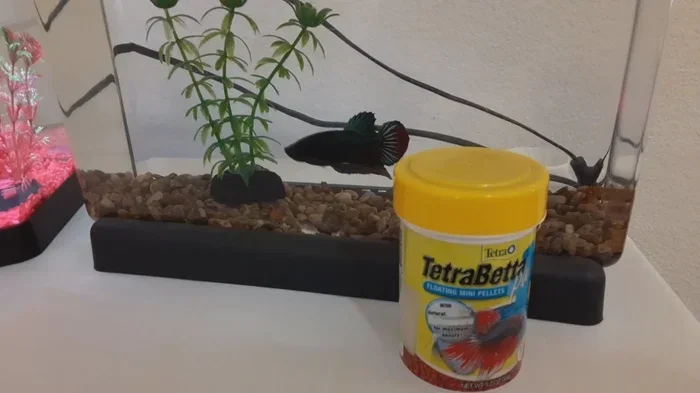
Feeding your betta fish the right number of pellets is one of the most important parts of betta fish care. Most bettas do well with 2 to 4 pellets per meal, served 1 to 2 times a day. Overfeeding is the biggest mistake new fish owners make, and it can lead to serious health problems. This guide covers everything you need to know about how many pellets to feed a betta fish, including portion sizes, feeding schedules, and tips for keeping your fish thriving.
If you own a betta fish, you have probably stared at that little container of pellets and wondered, “How many pellets do I feed a betta fish?” It is a great question, and one that a lot of new fish owners get wrong. The answer is not as simple as just tossing a handful in. Too many pellets can harm your fish. Too few can leave them malnourished. In this guide, we will walk you through exactly how many pellets your betta needs, how often to feed them, and the mistakes you should avoid at all costs.
How many pellets do I feed a betta fish depends on several factors, including your fish’s size, age, and the type of pellets you use. But don’t worry — we will break it all down for you in simple terms. By the end of this article, you will feel confident about your feeding routine and know exactly what your betta needs to stay healthy and happy.
Key Takeaways
- 2 to 4 pellets per meal is the standard portion for most adult betta fish.
- Feed 1 to 2 times a day to match your betta’s natural eating habits.
- Overfeeding is dangerous and can cause bloating, constipation, and poor water quality.
- Pellet size matters — choose small, high-quality pellets designed for bettas.
- Soak dry pellets before feeding to prevent digestive issues and bloating.
- Adjust portions based on your fish’s age, size, and activity level for the best results.
- Skip one feeding day per week to help your betta’s digestive system stay healthy.
📑 Table of Contents
- Why Pellet Feeding Matters for Betta Fish
- How Many Pellets Should You Feed a Betta Fish?
- Feeding Schedule: How Often Should You Feed Pellets?
- Best Practices for Feeding Betta Pellets
- Common Mistakes People Make When Feeding Betta Pellets
- How to Tell If You Are Feeding the Right Amount
- Expert Tips for Long-Term Feeding Success
- Conclusion
Why Pellet Feeding Matters for Betta Fish
Betta fish are carnivores. In the wild, they eat small insects, larvae, and tiny crustaceans. Pellets are designed to mimic that diet in a convenient, easy-to-use form. But not all pellets are created equal, and the amount you feed plays a huge role in your betta’s overall health.
Feeding the right number of pellets ensures your betta gets the proper betta nutrition without overloading their system. Pellets that are too large or fed in excess can expand in the stomach and cause serious problems. Understanding the basics of betta fish diet will set you up for success as a fish owner.
The Role of Pellets in a Betta’s Diet
Pellets serve as the staple food for most domesticated bettas. They are packed with protein and nutrients that bettas need to thrive. Unlike flakes, which can dissolve quickly and lose nutritional value, quality betta pellets hold their shape and provide a slow-release source of nutrition. Many experienced fish keepers consider pellets the best option for daily feeding.
If you are new to betta care, check out our guide on how do you feed a betta fish for more foundational tips on feeding methods and food types.
What Happens When You Feed the Wrong Amount
Feeding too many pellets is the number one mistake people make. Betta fish have small stomachs — roughly the size of their eye. When you overfeed, the pellets absorb water and expand inside the stomach. This can lead to bloating, constipation, and a condition called dropsy. In severe cases, overfeeding can even be fatal.
On the other hand, underfeeding can cause your betta to become weak, lose color, and become more susceptible to disease. Finding the right balance is key. If you want to learn more about how much do I feed a betta fish in general, our detailed guide covers all the essentials.
How Many Pellets Should You Feed a Betta Fish?
The most common and widely recommended answer to how many pellets do I feed a betta fish is simple: 2 to 4 pellets per feeding. But this number is not set in stone. Several factors can change the exact amount your fish needs.
Standard Portion Size for Adult Bettas
For a healthy adult betta, 2 to 4 pellets per meal is the sweet spot. This amount provides enough nutrition without overwhelming the digestive system. Most high-quality betta pellets are small and dense, so 2 to 4 pellets is a very modest portion by volume — but it is plenty for your fish.
Feed this amount once or twice a day. A common routine is to feed in the morning and skip the evening feeding, or vice versa. Some owners prefer a single daily feeding, which works well too. The key is consistency.
Adjusting Portions for Different Betta Sizes
Not all bettas are the same size. A larger, more active betta may need closer to 4 pellets per meal, while a smaller or less active fish may do fine with just 2. Pay attention to your fish’s body condition. If your betta looks round and full after eating, you are likely feeding the right amount. If the belly looks sunken or the fish seems lethargic, you may need to increase the portion slightly.
For younger bettas and fry, the portion sizes are different. Baby bettas need smaller, more frequent meals. We will cover that in the next section.
How Pellet Size Affects Feeding Amount
Not all pellets are the same size. Some brands make tiny micro-pellets that are perfect for bettas. Others produce larger pellets meant for bigger fish. Always check the pellet size before buying. If the pellets are too large, they can be difficult for your betta to eat and digest. In that case, you may need fewer pellets or a different brand altogether.
When in doubt, look for pellets specifically formulated for betta fish. These are typically smaller and have a higher protein content, which matches your fish’s dietary needs.
Feeding Schedule: How Often Should You Feed Pellets?
Knowing how many pellets to feed is only half the battle. You also need to know how often to feed them. A consistent betta fish feeding schedule helps your fish stay healthy and reduces the risk of overfeeding.
Daily Feeding Routine
The ideal routine for most bettas is one or two small feedings per day. Here is a simple schedule you can follow:
- Morning feeding: 2 to 4 pellets in the morning. This gives your betta energy for the day.
- Evening feeding (optional): If you choose to feed twice a day, offer 2 pellets in the evening.
- Fasting day: Skip one full day of feeding per week. This helps prevent constipation and gives the digestive system a break.
Many fish keepers follow the “2 pellets, twice a day” rule. It is simple, easy to remember, and works well for most bettas. If you ever find yourself unsure about the routine, check out our article on how often do I feed a betta fish for more detailed scheduling advice.
Feeding Frequency for Different Life Stages
Betta fish need change their feeding frequency as they grow. Here is a quick breakdown:
- Fry (0-3 months): Feed 3 to 5 times a day with small amounts of crushed pellets or live food.
- Juvenile (3-6 months): Feed 2 to 3 times a day with small pellets.
- Adult (6+ months): Feed 1 to 2 times a day with 2 to 4 pellets per meal.
- Senior (2+ years): Reduce to once a day or every other day, depending on activity level.
Adjusting the feeding schedule based on age helps your betta stay healthy through every stage of life. For more information on caring for bettas at any age, visit our how do I take care of a betta fish guide.
Can You Feed Pellets More Than Twice a Day?
Some owners wonder if feeding more frequently is better. The answer is no. Bettas do not need multiple small meals throughout the day like some other fish species. Feeding more than twice a day increases the risk of overfeeding and poor water quality. Uneaten pellets also break down in the tank, which can spike ammonia levels and harm your fish.
Best Practices for Feeding Betta Pellets
Now that you know how many pellets to feed and how often, let us talk about the best practices that make feeding time more effective and safer for your betta.
Soak Pellets Before Feeding
This is one of the most important tips for new betta owners. Dry pellets expand when they absorb water. If your betta eats dry pellets, they can expand inside the fish’s stomach and cause bloating. To avoid this, soak the pellets in a small cup of tank water for 2 to 3 minutes before offering them to your fish. This pre-expands the pellets and makes them much easier to digest.
Remove Uneaten Pellets
Bettas are not always the fastest eaters. If your fish does not finish all the pellets within a few minutes, remove the leftovers. Uneaten pellets will sink to the bottom of the tank and start to decay. This pollutes the water and can lead to dangerous ammonia spikes. A small net or turkey baster works great for this.
Watch Your Betta Eat
Pay attention during feeding time. Watching your betta eat gives you valuable insight into their health. A healthy betta will eat eagerly and finish the pellets within 2 to 3 minutes. If your fish refuses food, eats slowly, or spits out the pellets, these could be signs of illness or stress. For more on recognizing warning signs, read our article on how do you know a betta fish is dying.
Rotate Between Food Types
Pellets should be the staple of your betta’s diet, but variety is important too. Occasionally offer your betta frozen or live foods like bloodworms, brine shrimp, or daphnia. These foods provide additional nutrients and stimulate natural hunting behavior. Just remember that treats should make up no more than 10 to 20 percent of the total diet.
Quick Tip: Always soak pellets before feeding and remove uneaten food within 5 minutes. These two simple habits will dramatically improve your betta’s health and keep your tank water clean.
Common Mistakes People Make When Feeding Betta Pellets
Even experienced fish owners make feeding mistakes. Here are the most common errors and how to avoid them.
Overfeeding
Overfeeding is the most common and most dangerous mistake. It is easy to think your betta is still hungry and toss in a few extra pellets. But bettas will eat almost anything you give them, even when they are full. Stick to the 2 to 4 pellet rule and resist the urge to give extras. Overfeeding leads to obesity, bloating, and poor water quality.
Feeding the Wrong Type of Pellet
Not all pellets are suitable for bettas. Some are designed for tropical community fish and lack the protein levels bettas need. Always choose pellets that are specifically labeled for betta fish. Check the ingredients — the first ingredient should be a named protein source like fish meal or shrimp meal.
Ignoring the Fasting Day
Many owners forget that bettas benefit from a fasting day. Skipping one day of feeding per week helps clear the digestive system and prevents constipation. If you are planning a vacation, we have a guide on how do I feed my betta fish on vacation that covers automated feeders and feeding blocks.
Feeding Too Fast After a Water Change
After a water change, wait at least 30 minutes before feeding. Water changes can stress your betta, and feeding immediately after can upset their stomach. Let your fish settle in first, then offer a small portion of pellets.
How to Tell If You Are Feeding the Right Amount
It can take some trial and error to find the perfect feeding amount for your betta. Here are the signs that you are on the right track — and the signs that you need to adjust.
Signs You Are Feeding the Right Amount
- Your betta eats eagerly and finishes the pellets within 2 to 3 minutes.
- The fish maintains a healthy, rounded body shape without a swollen belly.
- Your betta is active, colorful, and curious about its environment.
- Water quality stays stable between feedings.
- Your betta produces regular, well-formed waste.
Signs You Are Overfeeding
- The betta’s belly looks swollen or bloated after eating.
- Uneaten pellets accumulate on the tank floor.
- Water becomes cloudy or develops a foul smell shortly after feeding.
- The fish appears lethargic or loses interest in food over time.
- You notice stringy white waste hanging from the fish.
Signs You Are Underfeeding
- The betta becomes thin and loses its vibrant color.
- The fish seems weak or spends a lot of time resting at the bottom.
- The belly appears sunken or concave.
- The betta becomes aggressive or begging for food constantly.
If you notice any of these signs, adjust your feeding amount gradually. Small changes are better than sudden shifts in portion size.
Expert Tips for Long-Term Feeding Success
Here are some expert-level tips that will help you maintain a healthy feeding routine for your betta over the long term.
Use a Feeding Ring or Target Feeder
Betta pellets can float and make a mess if your fish does not eat them right away. A feeding ring or target feeder keeps the pellets in one place, making it easier for your betta to find and eat them. It also reduces waste and helps you control portion sizes more precisely.
Track Your Feeding Schedule
It sounds simple, but many owners lose track of when and how much they feed. Consider using a small notebook or a phone app to log feeding times and amounts. This is especially helpful if you have multiple fish tanks or if someone else is caring for your betta while you are away.
Match Feeding to Water Temperature
Betta fish are more active and have faster metabolisms in warmer water (around 78 to 80 degrees Fahrenheit). In cooler water, their metabolism slows down, and they need less food. Adjust your feeding amount slightly based on the tank temperature for the best results.
Consult a Vet If Problems Persist
If your betta shows signs of digestive issues like bloating or constipation despite proper feeding, consult a fish veterinarian. Sometimes the problem is not the food amount but an underlying health condition that needs professional attention.
Conclusion
Feeding your betta fish the right number of pellets does not have to be complicated. The simple answer to how many pellets do I feed a betta fish is 2 to 4 pellets per meal, served 1 to 2 times a day. Stick to a consistent schedule, soak your pellets before feeding, remove uneaten food, and give your betta a fasting day once a week. These small habits add up to a longer, healthier life for your fish.
Remember, every betta is a little different. Watch your fish closely, adjust portions as needed, and never be afraid to make changes if something does not look right. With the right betta fish feeding routine, you will set your fish up for a happy and thriving life in your tank.
For more comprehensive betta care tips, check out our how do I care for a betta fish guide, which covers everything from tank setup to water changes and disease prevention.
Frequently Asked Questions
Can I feed my betta fish pellets every day?
Yes, feeding pellets daily is perfectly fine and actually recommended for most bettas. Just make sure you stick to 2 to 4 pellets per feeding and include one fasting day per week. Daily feeding provides consistent nutrition and helps your betta maintain a healthy routine.
What happens if I feed my betta too many pellets?
Overfeeding causes pellets to expand in the stomach, leading to bloating, constipation, and poor water quality. In serious cases, it can result in dropsy or swim bladder disease. Always stick to the recommended 2 to 4 pellet portion and remove any uneaten food within a few minutes.
Can I replace pellets with other foods entirely?
Pellets should be the staple of your betta’s diet, but you can supplement them with frozen or live foods like bloodworms and brine shrimp. Treats should not exceed 10 to 20 percent of the total diet. A pellet-based diet ensures your betta gets balanced nutrition every day.
How do I know if my betta is still hungry after feeding?
Bettas are opportunistic eaters and will beg for food even when they are full. A good rule of thumb is that 2 to 4 pellets should be enough for one meal. If your betta finishes the pellets quickly and looks for more, wait a few minutes before deciding whether to offer more. Often, they are just curious, not actually hungry.
Should I feed my betta pellets or flakes?
Pellets are generally the better choice for bettas. They hold their shape, provide slow-release nutrition, and are less likely to cloud the water. High-quality betta pellets also have a higher protein content that matches your fish’s dietary needs. Flakes can work as an occasional alternative, but pellets are the preferred option for daily feeding.
How long can a betta fish go without eating pellets?
A healthy adult betta can go 3 to 7 days without food without any serious issues. In fact, a weekly fasting day is beneficial for digestion. If you are going on vacation for a short trip, your betta will be fine without food for a few days. For longer trips, consider an automatic feeder or ask someone to feed your fish using the proper portion size.