How Many Pellets Do U Feed a Betta Fish
Knowing how many pellets to feed a betta fish is the key to keeping your fish healthy and happy. Most bettas need just two to four pellets per meal, served one to two times a day. This guide covers the exact portion sizes, feeding frequency, and common mistakes that every betta owner should know.
If you own a betta fish, you have probably wondered about the right amount of food. One of the most common questions beginners ask is how many pellets do u feed a betta fish. The answer might surprise you. Most bettas need far less food than new owners think.
Overfeeding is one of the biggest mistakes fish keepers make. It can lead to serious health problems and dirty tank water. On the other hand, underfeeding can leave your betta weak and unhappy. Finding the right balance is essential. This guide will walk you through everything you need to know about betta pellet feeding, from portion sizes to feeding schedules.
Whether you just brought home your first betta or you have been keeping fish for years, this article has practical tips you can use today. Let us dive into the details of how many pellets do u feed a betta fish and how to keep your fish thriving.
Key Takeaways
- Feed 2-4 pellets per meal: This is the standard portion for most adult bettas.
- Feed once or twice daily: A consistent feeding schedule supports healthy digestion.
- Soak pellets before feeding: This prevents constipation and bloating in bettas.
- Watch for overfeeding signs: Uneaten food and cloudy water are red flags.
- Adjust based on your fish: Age, size, and activity level affect how much your betta needs.
- Quality matters: High-quality pellets provide better nutrition than cheap alternatives.
📑 Table of Contents
How Many Pellets Should You Feed a Betta Fish
The general rule for how many pellets do u feed a betta fish is simple. Adult bettas should eat two to four pellets per meal. This amount provides enough nutrition without overloading their small digestive system. A betta’s stomach is roughly the size of its eye, so it does not take much food to fill it up.
Here is a quick breakdown of pellet portions based on your betta’s age and size:
- Baby bettas (fry): 1-2 tiny pellets or crushed pellets, twice a day
- Young bettas (under 3 inches): 2-3 pellets, once or twice a day
- Adult bettas (3+ inches): 3-4 pellets, once or twice a day
- Senior bettas: 2-3 pellets, once a day
These numbers are a great starting point. However, every betta is different. Some fish have faster metabolisms and may need slightly more. Others are less active and do fine with fewer pellets. The key is to observe your fish and adjust as needed.
Why Pellet Size Matters
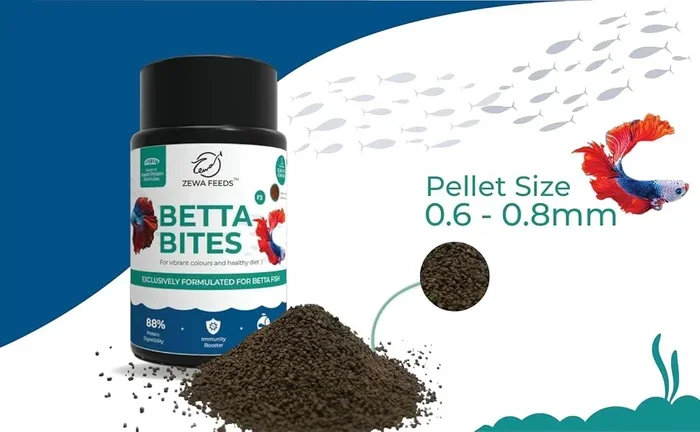
Not all betta pellets are created equal. Small pellets work best for most bettas because they match the size of a betta’s mouth. If you use pellets that are too large, your fish may struggle to eat them. This can lead to wasted food and frustration for both you and your fish.
When choosing pellets, look for options specifically made for bettas. These betta-specific pellets are formulated with the right protein content and nutrients. They also tend to be the right size for your fish. Avoid generic tropical fish pellets, as they may not meet your betta’s dietary needs.
The Best Feeding Schedule for Betta Fish
Knowing how often you feed a betta fish is just as important as knowing how many pellets to give. A consistent feeding schedule helps your betta stay healthy and reduces stress. Most experts recommend feeding adult bettas once or twice a day.
Here is a simple daily feeding routine you can follow:
- Morning feeding: Give 2-3 pellets in the morning. Feed at roughly the same time each day.
- Evening feeding (optional): If you feed twice a day, give 2-3 pellets in the evening, about 8-12 hours after the morning feeding.
- Remove uneaten food: Wait 2-3 minutes after feeding and remove any pellets your betta did not eat.
Some fish keepers prefer to skip a day of feeding once a week. This can help your betta’s digestive system stay healthy. It mimics the natural eating patterns bettas would experience in the wild. If you choose to do this, make sure your fish is active and eating well on other days.
For more details on how often you feed a betta fish, check out our guide on feeding frequency. Consistency is the most important factor. Your betta will thrive when it knows when to expect food.
Should You Feed Your Betta More on Training Days?
Some owners like to use food as a reward during training sessions. If you are training your betta to do tricks or eat from your hand, you can give a few extra pellets. Just be careful not to go overboard. Extra treats should not make up more than 10% of your betta’s total daily food intake.
Pellet Size and Quality Matter
The quality of the pellets you choose has a big impact on your betta’s health. High-quality betta pellets are packed with protein and essential nutrients. They also sink at the right speed, making it easy for your betta to eat them.
Here are some things to look for when buying betta pellets:
- Protein content: Look for pellets with at least 30% protein. Bettas are carnivores and need a protein-rich diet.
- Size: Small pellets are ideal. They should be small enough for your betta to eat in one bite.
- Ingredient list: Avoid pellets filled with fillers like wheat or corn. The first ingredient should be a named fish protein.
- Floating vs. sinking: Some bettas prefer floating pellets, while others like sinking ones. Try both and see what your fish prefers.
Cheap pellets may seem like a good deal, but they often lack the nutrition your betta needs. Over time, a poor diet can lead to health problems and a shorter lifespan. Investing in quality food is one of the best things you can do for your fish.
Can You Feed Other Foods Along With Pellets?
Yes! Bettas enjoy variety in their diet. You can supplement pellets with other foods a few times a week. Good options include frozen bloodworms, brine shrimp, and daphnia. These treats add extra protein and keep mealtime interesting for your betta.
Just remember that treats should not replace pellets. Pellets should make up the bulk of your betta’s diet. Use other foods as occasional supplements to provide variety and extra nutrition.
Signs You Are Overfeeding Your Betta
Overfeeding is one of the most common problems betta owners face. It is easy to do, especially when your fish gives you those hungry looks. But too much food can cause serious issues. Here are the signs that you may be feeding your betta too many pellets:
- Uneaten pellets sitting on the bottom of the tank: If food is still there after 5 minutes, you gave too much.
- Cloudy or dirty water: Excess food decays quickly and can spike ammonia levels.
- Your betta seems bloated or has a swollen belly: This is a sign of digestive discomfort from overeating.
- Your betta is lethargic or not interested in food: A full stomach can make your fish lose interest in eating.
- Algae growth increases: Extra nutrients from uneaten food can fuel algae blooms in your tank.
If you notice any of these signs, reduce the number of pellets you are giving. Your betta’s health and your tank water quality will thank you. When in doubt, feed less rather than more. Bettas can go a day without food without any harm, but overfeeding can cause real damage.
What Happens If You Overfeed a Betta Fish?
Overfeeding can lead to a condition called betta bloating, which is uncomfortable and can become serious. Excess food also breaks down in the water, raising ammonia and nitrite levels. These toxins are harmful to your fish and can lead to illness or even death. Keeping the feeding amount in check is one of the easiest ways to prevent these problems.
For tips on keeping your tank clean and your betta healthy, you might also want to learn about how often you clean a betta fish bowl to maintain good water quality alongside a proper feeding routine.
How to Adjust Feeding Based on Your Betta’s Needs
Every betta is unique. Factors like age, size, activity level, and water temperature all affect how much food your fish needs. Here is how you can adjust the feeding amount to match your betta’s individual needs.
Adjusting for Younger Bettas
Young bettas are growing fast and need more food than adults. You can feed them small amounts three times a day. Use crushed or very small pellets for fry and juveniles. As they grow, you can gradually increase the pellet size and reduce the number of feedings per day.
Adjusting for Older Bettas
Senior bettas are less active and have slower metabolisms. They need fewer pellets and may do better with one feeding per day. Watch your older betta’s weight and energy level. If your fish seems to be losing weight, you can add a few extra pellets or offer a treat like a bloodworm.
Adjusting for Water Temperature
Bettas are tropical fish and their metabolism is closely tied to water temperature. In warmer water (around 78-80°F), bettas digest food faster and may need slightly more food. In cooler water, their metabolism slows down and they need less. Keep your tank at the right temperature and adjust portions accordingly.
For more information on maintaining the right environment for your betta, learn about how to do a water change for a betta fish. Clean water and proper feeding work together to keep your betta healthy.
Expert Tips for Perfect Betta Feeding
Feeding your betta does not have to be complicated. A few simple habits can make a big difference. Here are expert tips that will help you get feeding right every time:
- Feed at the same times every day: Bettas thrive on routine. A consistent schedule reduces stress and keeps their digestive system working well.
- Soak dry pellets before feeding: This helps them sink and expand before reaching your betta’s stomach. It reduces the risk of constipation and bloating.
- Use a feeding ring or target feeding: This keeps food in one place and prevents it from getting lost in the substrate or filter intake.
- Do not feed your betta right after a water change: Wait at least an hour after a water change. Fresh water can stress your fish and affect its appetite.
- Fast your betta once a week: Skipping one feeding day per week helps clear the digestive system and prevents constipation.
- Watch your betta eat: Pay attention to how quickly your fish eats and whether it finishes all the pellets. This gives you clues about the right portion size.
These tips may seem small, but they add up over time. A good feeding routine is one of the foundations of proper betta fish care. Your fish will be more active, colorful, and healthy when you get the feeding routine right.
The Connection Between Feeding and Water Quality
Feeding and water quality go hand in hand. Uneaten pellets break down in the water and release harmful ammonia. This is why it is so important to remove any food your betta does not eat within a few minutes of feeding. Regular water changes and proper feeding work together to create a clean, healthy environment for your fish.
If you want to learn more about keeping your betta’s water clean, our guide on how to feed a betta fish covers everything you need to know. Clean water is just as important as the right food.
Conclusion
Figuring out how many pellets do u feed a betta fish does not have to be confusing. The simple answer is two to four pellets per meal, once or twice a day. Stick to a consistent schedule, choose high-quality pellets, and watch your fish for signs of overfeeding or underfeeding. With these basics in place, your betta will live a long, happy, and healthy life.
Remember, every betta is different. Use the guidelines in this article as a starting point and adjust based on your fish’s behavior and needs. Feeding your betta properly is one of the most loving things you can do as a pet owner. Take what you have learned here, put it into practice, and enjoy watching your betta thrive.
Frequently Asked Questions
How many pellets should I feed my betta fish per day?
Most adult bettas need 2 to 4 pellets per meal, served once or twice a day. This totals 4 to 8 pellets daily. However, you should adjust based on your fish’s size, age, and activity level. Always remove uneaten food after a few minutes.
Can I feed my betta fish flakes instead of pellets?
Yes, you can feed betta flakes, but pellets are generally better. Pellets sink more predictably and are formulated with higher protein content for bettas. If you use flakes, give a small pinch and make sure your betta eats them before they dissolve in the water.
What happens if I feed my betta too many pellets?
Overfeeding can cause bloating, constipation, and poor water quality. Uneaten pellets decay in the tank and release ammonia, which is harmful to your fish. If you accidentally overfeed, remove the excess food and skip the next meal to let your betta’s digestive system recover.
How often should I feed my betta fish?
Feeding once or twice a day is the standard recommendation for adult bettas. Some owners feed once a day and fast their betta one day a week. Consistency is key, so try to feed at the same times each day to build a routine your fish can rely on.
Should I soak pellets before feeding my betta?
Yes, soaking pellets for a few minutes before feeding is a great practice. It helps the pellets expand outside your betta’s stomach, reducing the risk of constipation and bloating. This simple step can make a big difference in your fish’s digestive health.
How do I know if I am feeding my betta the right amount?
Your betta should eat all the pellets within 2 to 3 minutes. If food is left over, you are giving too much. Your betta should have a rounded but not bloated belly, be active and alert, and have a consistent appetite. These are all signs that your feeding amount is just right.