How to Breed Betta Fish the Easy Way

Breeding betta fish the easy way is simpler than you think when you follow the right steps. This guide covers everything from setting up a breeding tank to raising healthy betta fry, so you can enjoy successful betta fish breeding at home.
Key Takeaways
- Start with a proper setup: A dedicated breeding tank with warm water and hiding spots makes a huge difference in success.
- Know how to tell the gender: Males build bubble nests and have flowing fins, while females have shorter fins and an ovipositor.
- Choose a healthy breeding pair: Select fish that are at least 4-6 months old and show vibrant color and active behavior.
- Follow the breeding process step by step: From introducing the pair to collecting eggs, each stage matters.
- Remove the female after spawning: The male can become aggressive and may harm the female if she stays too long.
- Care for betta fry properly: Feed infusoria or liquid food initially, then gradually move to baby brine shrimp.
- Avoid common mistakes: Poor water conditions, wrong pairing, and rushing the process are the top errors beginners make.
📑 Table of Contents
Why Breeding Betta Fish Can Be Easy
If you have always wanted to raise betta fish from scratch, breeding them is a rewarding experience. The good news is that breeding betta fish does not require advanced aquarium skills. With a few basic supplies and some patience, you can watch your little fry grow into beautiful, colorful adults.
Many beginners worry that betta fish breeding is complicated or risky. While it does need attention to detail, the process itself is quite natural. Bettas are known as bubble nest builders, which means the male takes on most of the parenting duties once the eggs are laid. This makes the process easier for you, since nature does much of the heavy lifting.
For a more detailed walkthrough, check out our guide on how to breed betta fish easy. It breaks down the basics so you can feel confident before you start.
Preparing for Breeding: Setup and Requirements
Before you introduce any fish, you need to set up a proper environment. A well-planned betta fish tank for breeding will keep both parents and future fry safe and healthy.
Choosing the Right Breeding Tank
A 10-gallon tank works best for breeding. You want enough space for the male to build a bubble nest without it being disturbed. A smaller tank can work, but a 10-gallon setup gives you more room for equipment and makes water maintenance easier.
Fill the tank with warm water between 78°F and 82°F. Betta fish are tropical fish, so they need stable warmth. Use a heater with a thermostat to keep the water temperature consistent. A filter is helpful, but use a gentle one so it does not disturb the bubble nest later on.
Essential Equipment
- Heater with thermostat
- Gentle sponge filter or air pump
- Thermometer
- Live or silk plants for hiding spots
- Lighting (soft, not too bright)
- Net or breeder box (optional)
Tank Setup Tips
Add plants around the edges and leave open space in the center. The male needs a clear area near the surface to build his bubble nest. Soft lighting helps reduce stress for both fish. Make sure the water is properly cycled before introducing any betta fish. Cycling a tank means establishing beneficial bacteria that break down harmful waste. This usually takes 2-4 weeks, so plan ahead.
Identifying the Right Breeding Pair
One of the most important steps in breed betta fish successfully is choosing the right pair. You need to know how to tell the gender of your fish and pick healthy, mature individuals.
How to Tell Male from Female
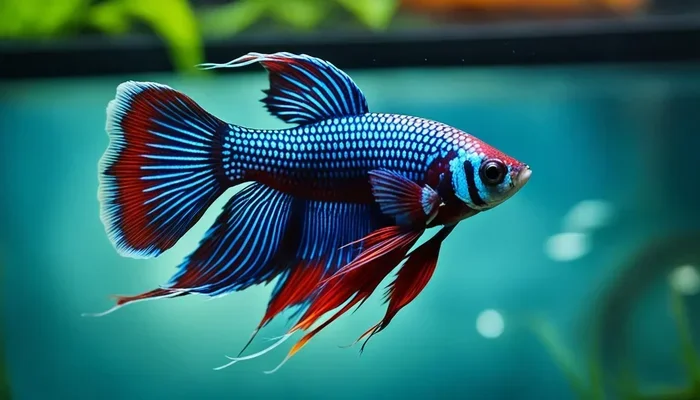
Male betta fish are easy to spot. They have long, flowing fins and bright colors. They also build bubble nests when they are ready to breed. Females have shorter fins, a thicker body, and a small white tube called an ovipositor near their underside. This tube is where the eggs will come from.
If you are unsure, you can learn more about identifying gender by reading our guide on how to tell the gender of betta fish. It includes clear pictures and tips to help you get it right.
Selecting a Healthy Pair
Look for fish that are at least 4 to 6 months old. Younger fish may not be mature enough to breed. Choose a male and female that show:
- Vibrant, bold colors
- Active, curious behavior
- No signs of disease or injury
- Strong appetite
- Full, undamaged fins
Avoid pairing two fish with similar color patterns if you want unique fry. If you are interested in specific results, understanding betta fish colors and genetics can help you plan your breeding pairs more strategically.
Finding a Ready Female
Not every female is ready to breed at the same time. You can learn how to spot a female who is prepared for spawning. Our article on how to find female betta fish ready to breed gives specific signs like a pale body color, visible eggs, and vertical stripes on her body. These are clear indicators she is ready to spawn.
The Step-by-Step Breeding Process
Once your tank is ready and your pair is selected, it is time to start the breeding process. Here is how it works, step by step.
Step 1: Condition the Fish
For 1-2 weeks before breeding, feed both fish high-quality food like live or frozen brine shrimp and bloodworms. This betta fish food boosts their health and triggers spawning behavior. Good conditioning makes the female produce strong eggs and the male build a solid bubble nest.
Step 2: Introduce the Female to the Male
Place the female in a clear breeder box or a separate container inside the breeding tank. This lets the male see her without physical contact at first. The male will usually start building a bubble nest once he notices the female. This is a great sign. If you want to see this process in action, many hobbyists share their experiences on platforms like how to breed betta fish youtube, which can give you a visual reference.
Step 3: Watch for Courtship
After a day or two, the male will start showing off. He will flare his fins, chase the female, and display bright colors. The female will respond by darkening in color and showing vertical stripes. This is called betta fish behavior known as courtship. Do not be alarmed if the chasing looks aggressive. It is normal and necessary.
Step 4: Let the Spawning Happen
When both fish are ready, the male will wrap around the female. She will release eggs, and the male will fertilize them. This process can take several hours. The male may eat a few eggs at first. This is normal. He is just being protective of the nest area. After spawning, carefully remove the female from the tank. She can become stressed or even injured if the male continues to chase her.
Step 5: The Male Guards the Eggs
The male now takes over. He will keep the eggs in his bubble nest and blow new bubbles to keep them at the surface. He may pick up eggs that fall and place them back. Do not disturb him during this time. He needs calm conditions to protect the betta fish eggs. The eggs usually hatch within 24 to 48 hours.
Caring for Betta Fry
Once the eggs hatch, your job is just beginning. Betta fry are tiny and need very specific care to survive.
When to Remove the Male
After all eggs have hatatched and the fry are free-swimming (usually 2-3 days after hatching), remove the male. He is no longer needed and may accidentally eat the fry. Use a gentle net to transfer him out. Be careful not to damage the delicate bubble nest during removal.
Feeding the Fry
Newly hatched fry are very small and cannot eat regular food. Start with:
- Infusoria (microscopic organisms found in mature tanks)
- Liquid fry food available at pet stores
- Baby brine shrimp after the first week
Feed tiny amounts 2-3 times a day. Overfeeding is a common mistake that can dirty the water fast. Since the fry produce waste quickly, you need to keep the water conditions pristine. Do partial water changes of 20-30% every day for the first two weeks. Always match the new water temperature to the tank water.
Growth Stages
Here is a quick look at what to expect as your fry grow:
- Week 1: Fry are tiny, mostly hiding, and feeding on infusoria.
- Week 2: They start moving more and can eat baby brine shrimp.
- Week 3: Color begins to appear and fry become more active.
- Month 2: Fry are about 1 inch long and can eat crushed flake food.
- Month 3-4: Young bettas show adult coloration and can be separated by gender.
By month 4, your betta fish should be full-sized and ready for their own tanks. Proper betta fish care during these early weeks is what separates successful breeders from those who lose their fry.
Common Mistakes to Avoid When Breeding Betta Fish
Even with the right setup, beginners can make avoidable errors. Here are the most common mistakes and how to prevent them.
Skipping the Conditioning Phase
Some breeders rush straight to pairing without conditioning. This leads to weak eggs and a reluctant male. Always spend 1-2 weeks feeding high-quality food before breeding. Your betta fish lifespan and overall health benefit from good nutrition throughout their life.
Keeping the Female Too Long
Leaving the female with the male after spawning can lead to stress, injury, or her being eaten. Remove her as soon as spawning is complete. If you are unsure whether she has been fully removed, consider using a breeder box during the introduction phase.
Ignoring Water Quality
Poor water conditions are the number one killer of betta fry. Ammonia and nitrite spikes can be deadly even in small amounts. Test your water regularly and perform frequent water changes. If you are setting up a new tank, make sure it is fully cycled before you start the breeding process.
Wrong Water Temperature
Cool water slows down the breeding process and can stress both parents. Keep the water temperature between 78°F and 82°F. Use a reliable heater and check it daily with a thermometer. This is especially important since betta fish are tropical fish and need consistent warmth.
Disturbing the Bubble Nest
The male works hard to build and maintain his bubble nest. Avoid tapping the glass or making loud vibrations near the tank. A calm, quiet environment helps the male stay focused on guarding the eggs and fry.
Not Planning for the Fry
One of the biggest mistakes is not being ready for the fry before they hatch. Have your food and water change routine prepared in advance. If you need to move fry to a different container, learn the proper method for how to transfer betta fish to a new tank to avoid shock.
Expert Tips for Successful Betta Fish Breeding
Here are some extra tips from experienced breeders that can boost your success rate.
- Start with one pair at a time. Do not try to breed multiple pairs in the same tank. Aggression between males can cause serious problems.
- Keep a log. Write down dates, water parameters, and feeding schedules. This helps you track what works and what does not.
- Be patient. Sometimes a male will not build a nest right away. Give him a few days. If he still does not respond, try a different male.
- Learn about genetics. If you want specific color results, research how betta fish colors are inherited. This can help you plan future breeding projects.
- Join communities. Online forums and social media groups are great for getting advice. Many breeders share tips on how to breed betta fish and troubleshoot common issues.
Conclusion
Breeding betta fish the easy way is absolutely possible with the right preparation and a little patience. By setting up a proper breeding tank, choosing a healthy pair, following the natural spawning process, and caring for your fry with dedication, you can raise beautiful, healthy betta fish from eggs to adults. Remember to avoid common mistakes like poor water quality and rushing the process. Keep things calm, feed properly, and enjoy the journey. Now that you have the knowledge, you are ready to start your own betta fish breeding adventure.
Frequently Asked Questions
How long does it take for betta fish eggs to hatch?
Betta fish eggs typically hatch within 24 to 48 hours after spawning. The male carefully guards them in his bubble nest during this time. Keep the water warm and avoid disturbing the tank so the eggs develop properly.
Can I breed betta fish in a small bowl?
It is possible, but not recommended. A small bowl makes it very hard to maintain proper water conditions and temperature. A 10-gallon tank is much better for breeding because it gives the male space to build a bubble nest and keeps water quality stable.
How often should I feed betta fry?
Feed betta fry 2 to 3 times a day in very small amounts. Start with infusoria or liquid fry food for the first week, then introduce baby brine shrimp. Overfeeding is a common problem, so feed only what they can consume in a few minutes.
What should the water temperature be for breeding betta fish?
Keep the water temperature between 78°F and 82°F. This warm range encourages spawning and supports healthy egg development. Use a heater with a thermostat to maintain consistent temperature throughout the breeding process.
How do I know if my betta fish is ready to breed?
A male ready to breed will build a bubble nest and show bright colors. A female will display vertical stripes on her body, have a visible ovipositor, and appear slightly pale. Learning how to tell the age of a betta fish also helps, since mature fish between 4 and 6 months old are ideal for breeding.
Is it safe to keep male and female betta fish together after spawning?
No, it is not safe. After spawning, the male can become aggressive and may chase or harm the female. Remove the female immediately once eggs have been fertilized. The male will take care of the eggs and fry on his own until they are free-swimming.