How Do You Know If a Betta Fish Is Hungry

Knowing how do you know if a betta fish is hungry is essential for every betta owner. Watch for behaviors like swimming near the surface, tail flaring, and pacing the tank to spot hunger cues. Feed a balanced diet on a consistent schedule to keep your betta thriving.
Key Takeaways
- Hunger cues are visible: Betta fish show clear behaviors when hungry, such as surface swimming and tail flaring.
- Overfeeding is a bigger risk: Bettas have small stomachs and can easily become overweight or sick from too much food.
- Feeding schedule matters: A consistent 2-times-a-day routine helps maintain your betta’s health and metabolism.
- Variety in diet is key: Mixing pellets, frozen, and live foods ensures your betta gets all essential nutrients.
- Tank conditions affect hunger: Stress from poor water quality or bullying can mimic hunger behaviors.
- Age changes feeding needs: Young bettas need more food, while seniors require smaller, lighter meals.
📑 Table of Contents
- How Do You Know If a Betta Fish Is Hungry
- Understanding Your Betta Fish’s Eating Habits
- Clear Behavioral Signs That Your Betta Is Hungry
- Physical Signs and Body Condition
- Common Mistakes When Feeding Betta Fish
- Building the Perfect Feeding Schedule for Your Betta
- How Hunger Relates to Overall Betta Health
- Expert Insights on Feeding Betta Fish
- Key Differences: Hunger vs. Boredom in Betta Fish
- Conclusion
How Do You Know If a Betta Fish Is Hungry
Every betta fish owner wants to keep their finned friend happy and healthy. But figuring out when your betta is truly hungry can be tricky. These little guys have big personalities, yet they rarely cry for attention. So how do you know if a betta fish is hungry? The answer lies in reading their body language and daily habits.
Bettas are skilled at showing emotion. They flare their tails, pace the glass, and hover near the water’s surface. Many of these actions signal that food is on their mind. Learning these signs helps you feed at the right time. It also prevents overfeeding, which is one of the most common mistakes new owners make.
This guide breaks down every hunger cue your betta might display. We cover feeding schedules, diet tips, and how to avoid common pitfalls. By the end, you will never miss a hungry signal again.
Understanding Your Betta Fish’s Eating Habits
Before diving into specific hunger signs, it helps to understand how bettas eat in the wild and in captivity. Bettas are opportunistic feeders. In their natural habitat, they hunt small insects, larvae, and zooplankton throughout the day. They do not follow a strict meal schedule. Instead, they eat whenever food becomes available.
In a home tank, this instinct stays strong. Your betta still expects food to appear regularly. But their digestive system is quite small. A betta’s stomach is roughly the size of its eye. This means they only need tiny amounts of food at each feeding.
How Often Should You Feed a Betta Fish
Most experts recommend feeding adult bettas twice a day. Young bettas under six months old may benefit from three smaller feedings. Spacing meals evenly keeps their metabolism active. It also prevents long gaps that might leave them searching for food.
A typical feeding session lasts about two to three minutes. Drop only what your fish can consume in that window. Uneaten food sinks to the bottom and fouls the water. This directly impacts water quality and your fish’s health.
Clear Behavioral Signs That Your Betta Is Hungry
Bettas communicate hunger mostly through behavior. Unlike mammals, they do not growl or meow. Instead, they use movement and body positioning. Here are the most reliable betta fish hunger signs to watch for.
Swimming Near the Water Surface
This is the most classic hunger signal. When a betta spends time near the top of the tank, it often expects food. In the wild, bettas rise to the surface to catch insects. This instinct carries over to captivity. If your fish hovers just below the waterline, it is likely anticipating a meal.
However, not every surface visit means hunger. Bettas also breathe air at the surface due to their labyrinth organ. If the behavior is constant and paired with gasping, check your water conditions. But a playful hover near the top usually points to mealtime excitement.
Tail Flaring and Aggressive Display
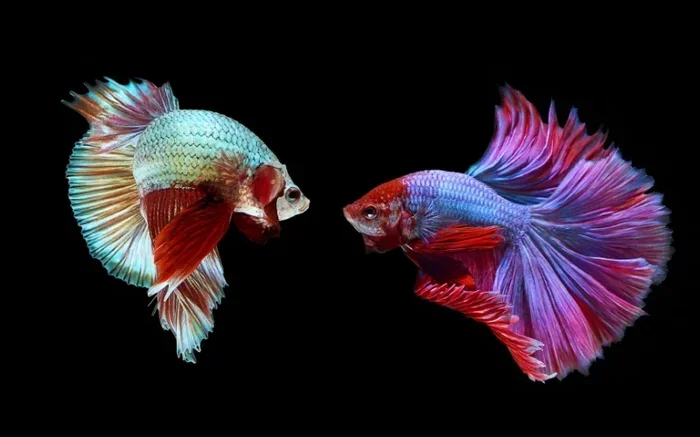
Bettas flare their fins to show dominance or excitement. When they see you approach the tank with food, they may flare at your reflection or at the food container. This tail flaring behavior is a strong indicator that they associate your presence with feeding time.
Some bettas also display a zigzag dance called the “betta dance.” This quirky movement signals anticipation. It is their way of saying, “Hey, are we eating or what?” Watch for these playful displays before meals.
Pacing Along the Glass
If your betta swims back and forth along the tank walls, it could signal hunger. This pacing often increases when the feeding routine is about to start. Bettas learn schedules quickly. They patrol the area where food usually appears.
Still, pacing can also indicate stress. A new tank, aggressive tank mates, or dirty water can trigger this behavior. Look at the full picture before assuming hunger. Pair pacing with other signs for a clearer read.
Excited Splashing During Feeding
When you drop food into the tank, a hungry betta reacts fast. Expect vigorous splashing, rapid chewing motions, and quick gulping. A content betta eats calmly. A hungry one charges at the food with real urgency. This frantic energy is one of the easiest how do you know if a betta fish is hungry indicators.
Physical Signs and Body Condition
Behavior is not the only clue. You can also assess hunger through your betta’s physical appearance. Long-term underfeeding changes body shape. Overfeeding does the same. Regular observation helps you stay on track.
The Tapered Body Shape
A healthy betta has a smooth, tapered body. The belly should never be round or balloon-like. If your fish looks pinched or slim behind the head, it might need more food. This is especially true for active juveniles. They burn energy quickly and need consistent nourishment.
Use this visual check alongside feeding logs. Track how much you offer and how your fish responds. Adjust portions based on body condition rather than guesswork.
Scale and Color Checks
Hunger affects color intensity over time. A well-fed betta displays vibrant hues. A chronically underfed betta may look dull or faded. Scales can also appear slightly raised during extreme hunger. This is less common but signals nutritional deficiency.
Always check water temperature too. Cold water slows metabolism and reduces appetite. Bettas thrive between 76°F and 82°F. Keeping the tank warm encourages normal eating patterns.
Common Mistakes When Feeding Betta Fish
Even experienced owners make feeding errors. These mistakes often stem from good intentions. Here are the most frequent issues and how to fix them.
Overfeeding Your Betta
Overfeeding is the number one killer of pet bettas. It leads to obesity, bloating, and dirty water. Many owners confuse begging with true hunger. A betta that begs for food every few minutes might not actually need more food. They simply enjoy the interaction.
Stick to the two-minute rule. If food remains after two minutes, remove it. This protects water quality and prevents digestive problems. Your betta will learn the routine quickly.
Feeding the Wrong Foods
Not all fish food suits bettas. Flakes often lose nutritional value quickly. They also cloud the water. High-quality betta pellets should form the staple diet. Look for brands with protein as the first ingredient.
Supplement with frozen or freeze-dried bloodworms and brine shrimp. These treat foods add variety and boost color. But limit treats to twice a week. Too much protein from treats can cause long-term health issues.
Ignoring Fasting Days
Surprisingly, fasting is healthy for bettas. Skipping one feeding per week helps clear their digestive tract. It also mimics natural feeding patterns. In the wild, bettas sometimes go a day without food. A scheduled fasting day supports strong digestion and long-term vitality.
Building the Perfect Feeding Schedule for Your Betta
Consistency is the backbone of good betta care. A reliable schedule reduces stress and hunger confusion. It also helps you detect abnormal behavior faster. Here is how to structure a weekly feeding plan.
Daily Feeding Routine
Feed your betta once in the morning and once in the evening. Space meals roughly eight to twelve hours apart. This mimics a natural day-night cycle. Offer only two to three pellets per feeding for adults. Adjust based on your fish’s size and activity level.
For juvenile bettas, three smaller meals work better. Their rapid growth demands more frequent fuel. Transition to twice daily feedings once they reach six months of age.
Weekly Treat Rotation
Treats should complement, not replace, the main diet. Try this rotation:
- Monday: Pellets only
- Wednesday: Frozen bloodworms
- Friday: Pellets with freeze-dried brine shrimp
- Sunday: Fasting day
This rotation covers protein, variety, and digestive rest. It prevents boredom and encourages natural hunting instincts.
Quick Tips for Feeding Success
- Use a feeding ring to keep pellets in one spot.
- Thaw frozen foods before dropping them in.
- Feed in a quiet room to reduce stress.
- Watch your betta during feeding to track appetite.
- Keep a simple log to monitor food intake and behavior.
How Hunger Relates to Overall Betta Health
Hunger signals connect directly to broader health concerns. A betta that refuses food might signal illness. A betta that always begs might actually be bored or stressed. Understanding this link makes you a better caretaker.
When Hunger Signals Point to Illness
Some behaviors look like hunger but actually indicate sickness. Lethargy near the bottom, clamped fins, and loss of color often accompany disease. If your betta shows these signs alongside surface swimming, inspect for common issues like ich, fin rot, or swim bladder disorder.
Check your water parameters immediately. Ammonia and nitrite spikes suppress appetite. A partial water change can often restore normal eating behavior. If problems persist, consult a fish health guide or veterinarian.
Stress and Its Impact on Appetite
Bettas are sensitive to environmental changes. A new tank, loud noises, or aggressive neighbors all cause stress. Stressed bettas often stop eating or appear constantly hungry. They may pace, flare excessively, or hide for long periods.
Improve enrichment to reduce stress. Add plants, caves, or gentle current. Ensure the tank is at least five gallons. A spacious, stimulating environment supports a healthy appetite and confident behavior.
Expert Insights on Feeding Betta Fish
Seasoned aquarists agree on a few core principles. First, observe before you act. Watch your betta for at least a full week before adjusting the feeding plan. Second, prioritize quality over quantity. A few high-grade pellets outperform a handful of cheap flakes. Third, trust your fish. Bettas communicate clearly once you learn their language.
Many experts also recommend pairing feeding time with enrichment. Drop pellets near a plant to encourage foraging. Use a slow-feeder toy to stimulate natural hunting. These small changes keep your betta mentally sharp and physically fit.
Key Differences: Hunger vs. Boredom in Betta Fish
One of the trickiest aspects of betta care is telling hunger from boredom. Both can cause similar behaviors. Here is a simple comparison to guide you.
| Behavior | Likely Hunger | Likely Boredom |
|---|---|---|
| Surface swimming | Intense, quick bursts | Casual, slow drifting |
| Tail flaring | Before feeding only | Random throughout the day |
| Pacing | Near feeding time | Constant, regardless of time |
| Eating speed | Fast and aggressive | Slow, picks at food |
Use this table to decode your betta’s signals. Over time, you will notice clear patterns that distinguish true hunger from restlessness.
Conclusion
Learning how do you know if a betta fish is hungry is a valuable skill for any betta owner. From surface hovering to tail flaring, your fish gives plenty of clues. Pair these behavioral signs with a smart feeding schedule and quality diet for the best results. Avoid overfeeding, include variety, and schedule occasional fasting days to support digestion. Watch your betta closely and adjust as it grows. A well-fed betta is a happy, colorful companion that brings joy to your home every single day.
Frequently Asked Questions
How can I tell if my betta fish is hungry or just begging for attention?
Watch for intense behaviors like rapid surface swimming, tail flaring, and excited splashing right before feeding time. Begging often looks more casual and can happen at random times. A truly hungry betta shows strong, focused energy around mealtime.
What happens if I overfeed my betta fish?
Overfeeding causes bloating, obesity, and poor water quality. Uneaten food decays and raises ammonia levels. This can lead to serious health problems like swim bladder disorder and fin rot. Stick to small portions and remove leftovers after two minutes.
How long can a betta fish go without eating?
Adult bettas can safely fast for up to two weeks in most cases. However, a weekly one-day fast is ideal for digestion. Extended fasting should only happen in emergencies. Always reintroduce food gradually after a long break.
Is it okay to feed my betta fish every day?
Yes, daily feeding works well for most bettas. Offer two small meals spaced apart. Include one fasting day per week to support digestion. Young bettas may need three daily meals until they mature.
What is the best food for a hungry betta fish?
High-quality betta pellets should be the staple food. Supplement with frozen bloodworms, brine shrimp, and daphnia. These provide protein and variety. Avoid feeding flakes as a primary food source since they offer less nutrition.
Can stress make my betta fish seem hungry when it is not?
Absolutely. Stress from bullying tank mates, dirty water, or sudden changes can mimic hunger behaviors. A stressed betta may pace, flare, or lose appetite. Address the root cause first, then monitor feeding behavior for improvement.