How Should You Feed Your Betta Fish
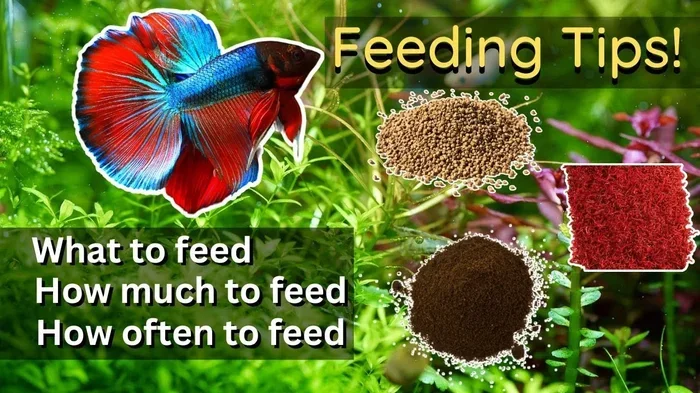
Knowing how should you feed your betta fish is the single most important thing you can do for your pet’s health and lifespan. A proper feeding routine includes the right food types, correct portion sizes, and consistent timing. This guide covers everything from daily feeding schedules to special dietary needs that keep your betta thriving.
Keeping your betta fish healthy starts with what and how you feed them. Many new fish owners don’t realize that feeding your betta fish the right way makes a huge difference in their energy, color, and lifespan. A betta is not like other fish. They need specific care, and their diet plays a huge role in how happy and active they stay.
If you have ever wondered whether you are feeding your betta too much or too little, you are not alone. This is one of the most common questions among betta owners. The good news is that getting the feeding routine right is not hard. Once you understand what your betta needs, it becomes second nature.
A proper betta fish feeding schedule is simple. But it does require consistency and a little knowledge about what works best for these beautiful fish. In this guide, we will walk through everything you need to know. From how often to feed your betta to the best types of food, you will find all the answers here.
How Often Should You Feed Your Betta Fish
The feeding frequency for betta fish depends on their age, size, and activity level. Most experts agree that feeding your betta two to three times a day is the sweet spot. This mimics their natural eating patterns in the wild, where they would eat small meals throughout the day.
For adult bettas, two meals a day works great. One in the morning and one in the evening is a solid routine. For younger bettas or fry, you may need to feed them three or four times a day in smaller amounts. Their bodies are growing fast, and they need more frequent nutrition to support development.
Each feeding session should be short. Watch your betta eat and remove any uneaten food after about two minutes. This keeps the tank clean and prevents water quality issues. Consistency matters more than perfection. Try to feed your betta at the same times every day so they develop a predictable routine.
Some owners wonder if they should skip a day or fast their betta. A light fasting day once a week can actually be beneficial. It gives the digestive system a break and helps prevent constipation. Just make sure the rest of the week follows a regular feeding schedule.
What to Feed Your Betta Fish
Not all fish food is created equal. Betta fish are carnivores by nature. They need a diet rich in protein to stay healthy and vibrant. The best betta fish diet combines staple foods with occasional treats for variety.
The foundation of your betta’s diet should be high-quality pellets or flakes specifically designed for bettas. These are formulated to meet their nutritional needs. Look for brands that list fish meal or shrimp as the first ingredient. Avoid foods filled with fillers like corn or wheat.
Here is a quick look at the best food options for your betta:
- Betta pellets — These are the gold standard for daily feeding. They sink or float depending on the brand, and they are packed with protein.
- Betta flakes — A good alternative, but they can lose nutrients quickly once the container is opened. Use them fresh for the best results.
- Frozen or live brine shrimp — Excellent as a treat or supplement. Many bettas go crazy for these. They boost energy and color.
- Bloodworms — A favorite treat for bettas. Use them sparingly since they are high in fat and should not replace a balanced diet.
- Daphnia — A natural gut cleanser and light snack. Great for helping with digestion.
- Freeze-dried tubifex worms — Another protein-rich treat. Soak them before feeding to avoid digestive issues.
You can also offer blanched peas occasionally. Many betta owners use peas to help with constipation. Just remove the shell and mash the pea into a small piece before dropping it in the tank. Some owners even like to feed their betta fish peas once a week as a digestive aid.
How Much Food Should You Give Your Betta Fish
Portion control is one of the most important parts of feeding your betta fish correctly. Overfeeding is the number one mistake new betta owners make. Betta fish have small stomachs, and they will eat almost anything you put in front of them. That does not mean they should.
A good rule of thumb is to offer an amount roughly the size of your betta’s eyeball. This is about two to three pellets or a small pinch of flakes per feeding. If your betta eats everything quickly and still seems hungry, you can add a tiny bit more. But do not overdo it.
Uneaten food is a big problem. It sinks to the bottom of the tank and starts to decay. This raises ammonia levels and makes the water dirty fast. Dirty water leads to stress, disease, and a shorter lifespan for your betta.
Signs You Are Overfeeding Your Betta
Watch out for these warning signs that tell you you are giving your betta too much food:
- Food left uneaten after two minutes
- Cloudy or foul-smelling water shortly after feeding
- Your betta appears bloated or has a swollen belly
- Your betta refuses to eat at the next scheduled meal
- Excess waste in the tank or dirty filter media
- Your betta becomes lethargic after eating
If you notice these signs, cut back on the portion size immediately. A healthy betta has a sleek, streamlined body. If the belly looks round and distended, it is time to reduce the food.
Best Feeding Practices for Betta Fish
Beyond just what and when you feed your betta, how you feed them matters too. Good feeding habits make a big difference in your betta’s overall well-being and tank environment.
Soak Dry Food Before Feeding
Dry pellets and flakes can expand in your betta’s stomach if they are not pre-soaked. This can cause bloating and swim bladder problems. Take a small pinch of pellets and drop them into a cup of tank water for one to two minutes before offering them to your betta. This simple step prevents a lot of digestive issues.
Feed in a Calm Environment
Betta fish are not fast swimmers. They prefer a calm and relaxed feeding experience. Avoid turning on strong filters or air stones right before feeding time. Turn them down or off temporarily so your betta can eat without stress.
Use a Feeding Ring or Target
Some betta owners like to use a feeding ring. This keeps the food in one spot and prevents it from floating into the filter or getting lost in the substrate. It also makes it easier to remove uneaten food after the meal is over.
Rotate Food Types Regularly
Just like humans, bettas get bored eating the same thing every day. Rotating between pellets, flakes, and frozen or live treats keeps mealtime exciting. It also ensures your betta gets a wider range of nutrients. Try to vary the diet at least two or three times a week.
How Do You Feed a Betta Fish When You Are Away
Going on vacation does not mean your betta goes hungry. If you are away for one to three days, your betta can safely skip meals. A healthy adult betta can go without food for several days without any issues.
For trips longer than three days, consider using an automatic feeder or asking a trusted friend to feed your betta. Automatic feeders can be set to release small portions at scheduled times. Just make sure you test the feeder before you leave to ensure it works correctly.
If you ask someone to feed your betta while you are away, give them clear instructions. Tell them the portion size and feeding times. It is better to underpromise than overfeed. A quick note on the tank can help the caretaker remember the routine.
Common Feeding Mistakes to Avoid
Even experienced betta owners can fall into bad habits. Here are the most common mistakes people make when feeding their bettas:
Mistake 1: Feeding Too Much at Once
This is the biggest error. A full stomach is not a happy stomach for a betta. Small portions, fed more frequently, work much better.
Mistake 2: Using the Wrong Food
Not all fish food is suitable for bettas. Tropical flakes designed for community tanks often lack the protein bettas need. Stick to betta-specific foods whenever possible.
Mistake 3: Ignoring Hunger Strikes
Sometimes your betta will refuse food. This can be normal, especially if the water temperature is low or the betta is stressed. Do not force-feed your betta. Wait a day and try again.
Mistake 4: Feeding Only One Type of Food
A diet of only pellets or only flakes lacks variety and can lead to nutritional gaps. Mix it up for the best results.
Mistake 5: Skipping Water Changes After Feeding
Food waste builds up fast. Regular water changes and tank maintenance are essential, especially on days you feed your betta more than usual.
Special Feeding Considerations for Betta Fish
Every betta is different, and their feeding needs can change based on several factors. Understanding these variations helps you tailor the feeding routine to your specific fish.
Feeding Young Betta Fish
Baby bettas and fry need more frequent meals. They should be fed three to four times a day with very small portions. Live food like baby brine shrimp is ideal for fry because it is tiny and packed with nutrients. As they grow, you can gradually reduce the feeding frequency and introduce pellets.
Feeding Older Betta Fish
Senior bettas may become less active and have a slower metabolism. They may eat less than younger bettas. Adjust portions accordingly and watch for signs of weight loss or disinterest in food. Older bettas can also benefit from softer foods that are easier to digest.
Betta Fish That Are Not Eating
If your betta refuses food for more than two days, something may be wrong. Check the water parameters first. High ammonia or nitrite levels can suppress appetite. If the water is clean, consider whether the food type might be the issue. Some bettas are picky eaters and need a different brand or food type.
Can You Overfeed Your Betta Fish?
Yes, absolutely. Overfeeding is one of the fastest ways to harm your betta. Excess food decomposes in the water and releases toxic ammonia. This damages the gills, stresses the immune system, and can lead to serious illness or death.
A healthy betta feeding routine is built on restraint. It is always better to underfeed slightly than to overfeed. Your betta will not starve if you miss a small portion. But overfeeding can cause immediate and long-term damage.
If you accidentally overfeed, do a partial water change right away. Remove any uneaten food from the tank immediately. This helps protect your betta from the negative effects of poor water quality.
Building the Perfect Betta Feeding Routine
Now that you know the basics, let’s put it all together into a simple daily routine you can follow.
- Morning feeding (around 8-9 AM) — Offer two to three betta pellets or a small pinch of flakes. Watch your betta eat and remove any leftovers after two minutes.
- Evening feeding (around 6-7 PM) — Repeat the same portion size. You can rotate between pellets and flakes on different days for variety.
- Once a week — Skip one full day of feeding. This gives your betta’s digestive system a chance to rest and process any remaining food naturally.
- Twice a week — Offer a treat like frozen brine shrimp or a small piece of blanched pea. This adds variety and extra nutrition to the diet.
Sticking to a routine like this keeps your betta healthy, active, and well-fed without the risks of overfeeding.
Conclusion
Learning how should you feed your betta fish is the foundation of good betta care. A balanced diet, consistent schedule, and careful portion control go a long way in keeping your fish happy and healthy. Remember to offer high-quality betta pellets or flakes as the staple, supplement with treats like brine shrimp and bloodworms, and never overfeed.
Pay attention to your betta’s behavior and adjust the routine as needed. Every betta is unique, and what works for one fish may need slight tweaks for another. The most important thing is to stay consistent and watch for signs that your betta is thriving.
With the right feeding approach, your betta will reward you with vibrant colors, energetic swimming, and a long, healthy life. Start applying these tips today and watch the difference in your betta’s health and happiness.
Key Takeaways
- Feed your betta fish 2-3 times daily in small portions to match their natural eating habits and prevent overfeeding.
- Use high-quality betta pellets or flakes as the staple diet, supplemented with live or frozen foods like brine shrimp and bloodworms.
- Avoid overfeeding at all costs — uneaten food pollutes the water and causes serious health problems like bloating and constipation.
- Soak pellets before feeding to prevent swim bladder issues and make the food easier for your betta to digest.
- Include fasting days once a week to help your betta’s digestive system process any remaining food naturally.
- Watch for hunger cues and adjust portions based on your betta’s age, activity level, and overall health condition.
- Variety is key — rotating between different food types ensures your betta gets balanced nutrition and stays interested in meals.
Frequently Asked Questions
How often should I feed my betta fish each day?
Most bettas do well with two feedings per day, one in the morning and one in the evening. Each meal should be a small portion, roughly the size of your betta’s eyeball. For younger bettas, you may need to feed three or four times a day in smaller amounts.
What is the best food for betta fish?
High-quality betta pellets are the best staple food. They are specifically formulated with the protein levels bettas need. You should also rotate in frozen or live foods like brine shrimp and bloodworms as treats to provide variety and extra nutrition.
Can I feed my betta fish only flakes?
You can, but flakes alone may not provide complete nutrition. Betta-specific pellets are generally more nutrient-dense and better suited to their dietary needs. If you use flakes, choose a high-quality brand and supplement with other foods regularly.
How do I know if I am feeding my betta too much?
Signs of overfeeding include uneaten food left in the tank, cloudy water after meals, a bloated belly, and your betta refusing food at the next scheduled time. If you notice these signs, reduce the portion size and remove any uneaten food promptly.
Should I skip feeding my betta fish once a week?
Yes, a weekly fasting day can be beneficial for your betta’s digestive system. It helps prevent constipation and gives the gut a chance to process any remaining food. Most healthy adult bettas can safely skip one day of food per week without any issues.
Can I feed my betta human food?
Some human foods are safe in small amounts, like blanched peas or cucumber. However, most human food is not suitable for bettas. Stick to betta-specific foods and only offer human food as an occasional treat, never as a regular meal.