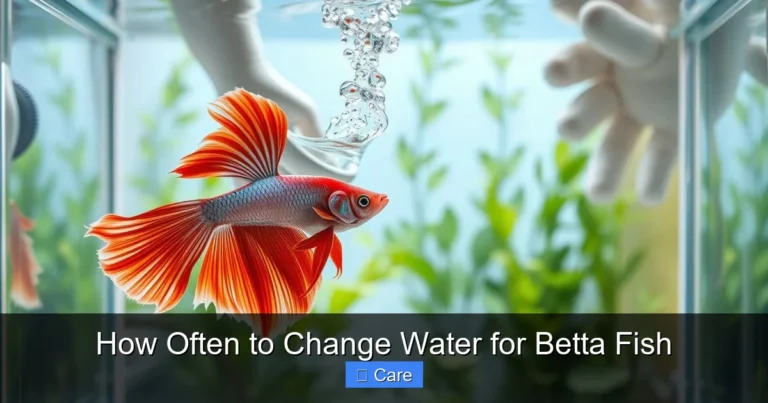
How Do I Take Care of a Betta Fish
Keeping a betta fish healthy is easier than you think. With the right tank, proper feeding schedule, and regular water maintenance, your betta will thrive for years. Follow these simple, friend‑like guidelines and enjoy a vibrant, active fish.
Key Takeaways
- Right tank size: A minimum of 5 gallons gives your betta space to swim and stay healthy.
- Stable temperature: Keep water between 76‑82°F with a reliable heater.
- Gentle filtration: Use a low‑flow filter or sponge to keep water clean without stressing the fish.
- Balanced diet: Feed high‑quality pellets and occasional treats 2 times daily.
- Regular water changes: Change 25‑30 % of the water weekly to prevent toxin buildup.
- Watch for signs of stress: Faded colors, clamped fins, or erratic swimming mean something’s wrong.
- Enrichment matters: Live plants, caves, and gentle toys keep your betta active and happy.
📑 Table of Contents
Introduction
Thinking about adding a splash of color to your home? A betta fish might be the perfect choice. These little warriors are famous for their bright fins and feisty personality, yet many beginners wonder, how do i take care of a betta fish without turning the experience into a nightmare.
Good news: with a little knowledge and a few simple habits, caring for a betta is both rewarding and low‑maintenance. This guide walks you through everything from tank selection to health checks, using a friendly, conversational tone—just like chatting with a fellow fish lover over coffee.
1. Setting Up the Perfect Home
Choose the Right Tank Size
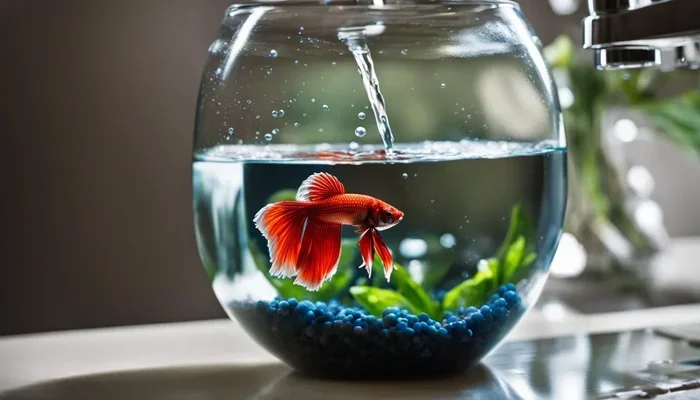
The myth that bettas can live happily in tiny bowls is outdated. A 5‑gallon tank is the sweet spot. It provides enough water volume to dilute waste, keeps temperature stable, and gives your betta room to explore. If you have space, go bigger—10 gallons offers even more stability.

Visual guide about How Do I Take Care of a Betta Fish
Image source: expertaquariums.com
For a quick comparison, read our article on How Big Of A Tank Do Betta Fish Need to see why size matters.
Temperature and Heater
Betta fish are tropical; they love warmth. Aim for 76‑82°F (24‑28°C). A submersible aquarium heater with an adjustable thermostat does the trick. Place the heater near a water flow source to avoid hot spots.
Filtration and Water Flow
Betas prefer calm water. Choose a sponge filter or a low‑flow hang‑on‑back filter. The goal is to keep the water clear without creating strong currents that stress the fish.
Substrate, Plants, and Hiding Spots
A soft sand or fine gravel substrate feels natural under a betta’s fins. Live plants like Java fern, Anubias, or Marimo moss not only look great but also help absorb nitrates. Add a few decorations—caves, driftwood, or ceramic pots—so your betta can claim territory and feel secure.
2. Water Quality: The Foundation of Health
Understanding the Nitrogen Cycle
Even a small tank goes through the same cycle as larger setups: ammonia → nitrite → nitrate. Before adding your fish, “cycle” the tank for 4‑6 weeks using a source of ammonia (fishless cycling kits work well). Test kits will show when ammonia and nitrite drop to zero and nitrate stabilizes.
Visual guide about How Do I Take Care of a Betta Fish
Image source: wildbettablog.com
How Often to Change Water
Regular water changes are the single most important maintenance task. Replace 25‑30 % of the tank water every week. Use a water conditioner to remove chlorine and chloramines, and match the temperature of the new water to the tank.
Need a step‑by‑step guide? Check out How To Do A Water Change For Betta Fish for detailed instructions.
Testing Parameters
- pH: 6.5‑7.5 works well.
- Ammonia & Nitrite: Must be 0 ppm.
- Nitrate: Keep below 20 ppm; a weekly water change usually does the trick.
3. Feeding Your Betta Properly
What to Feed
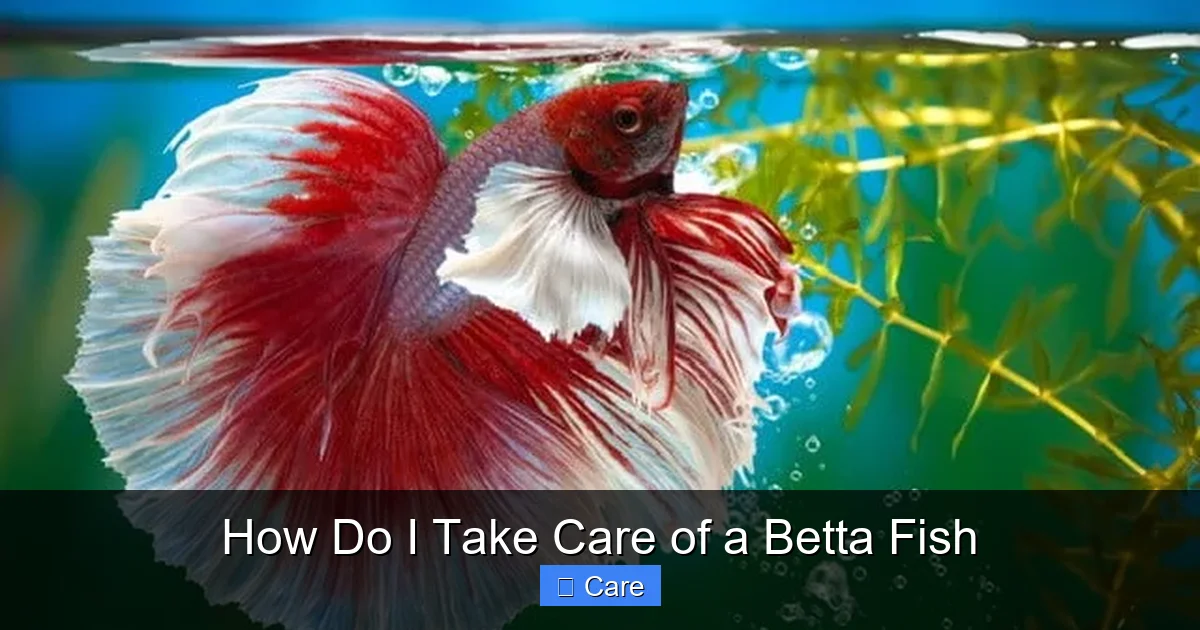
High‑quality betta pellets are the staple. Look for pellets that list real fish or shrimp protein first. Supplement with frozen or live foods—bloodworms, daphnia, or brine shrimp—once or twice a week for enrichment.
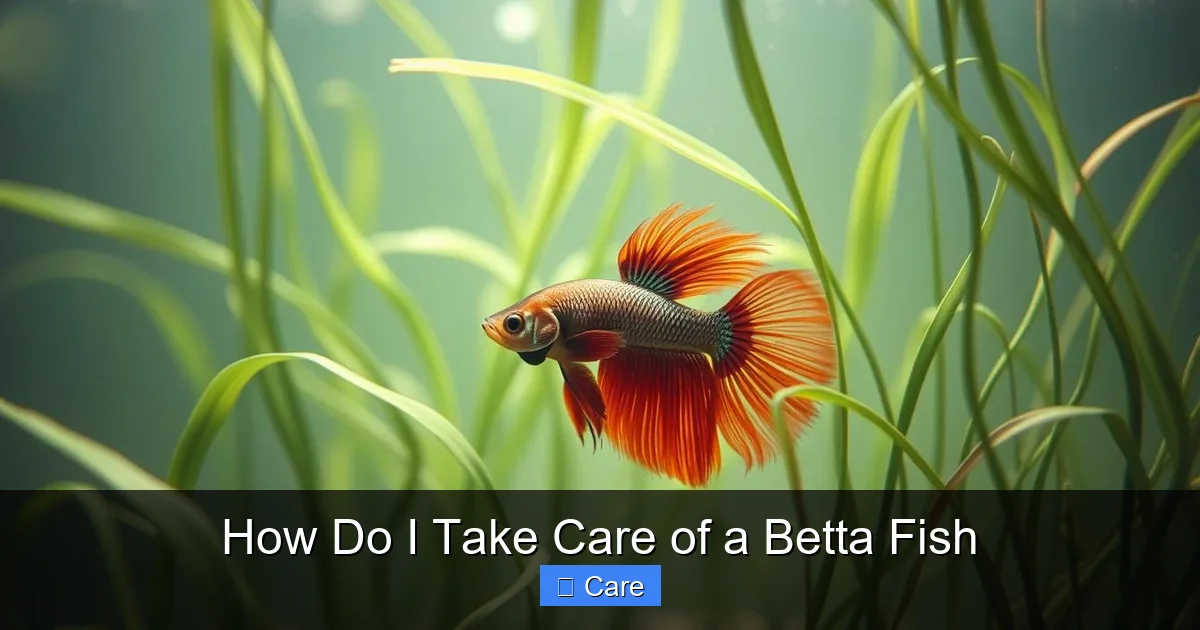
Visual guide about How Do I Take Care of a Betta Fish
Image source: koibettafish.com
How Much and How Often
Feed 2‑3 small pellets twice a day, or enough that your betta can eat it in about 2 minutes. Overfeeding leads to cloudy water and health issues.
For a deeper dive, read How Often Do I Feed A Betta Fish which covers portion sizes and feeding frequency.
Tips to Prevent Overfeeding
- Use a feeding cup to control portions.
- Remove uneaten food after 5 minutes.
- Observe your fish; less appetite can signal illness.
4. Monitoring Health and Happiness
Signs of a Healthy Betta
Vibrant colors, flared fins, and active swimming are good signs. Your betta should explore the tank, glide to the surface for air, and display a relaxed posture.
Warning Signs
If you notice faded colors, clamped fins, ragged edges, or constant hiding, something may be wrong. Check water parameters first; poor water quality is the most common culprit.
Learn how to spot illness in detail at How Do I Know If My Betta Fish Is Dying.
Common Issues and Simple Fixes
- Fin rot: Trim damaged fins, improve water quality, and add a small dose of antibacterial medication.
- Ich (white spots): Raise temperature to 82°F, treat with copper‑based medication, and increase water changes.
- Constipation: Offer a peeled pea once a week to act as a gentle laxative.
5. Enrichment and Behavioral Care
Why Enrichment Matters
Betta fish are intelligent and love to explore. Boredom can lead to stress and faded colors. Adding live plants, gentle currents, and interactive toys keeps them mentally stimulated.
DIY Enrichment Ideas
- Floating mirror for short “flaring” sessions (5‑10 minutes).
- Paper towel “caves” that can be rearranged.
- Soft, smooth stones to rest on.
Handling and Interaction
Betas are not hands‑free fish; they can be startled by sudden movement. If you need to move your fish, use a soft net and support its body gently. Keep handling to a minimum to reduce stress.
Conclusion
Now you know exactly how do i take care of a betta fish—from choosing the right tank to feeding, water care, and keeping your pet happy. Remember, consistency is key: stable temperature, clean water, and a balanced diet will reward you with a vibrant, active betta that lives for 3‑5 years or more. Treat your fish like a little companion, and you’ll enjoy endless moments of color and personality.
Frequently Asked Questions
How often should I change my betta’s water?
Replace about 25‑30 % of the water weekly. This helps keep nitrate levels low and prevents toxin buildup.
Can bettas live in a bowl?
While they can survive, bowls lack stable temperature and filtration, leading to poor health. A 5‑gallon tank is the recommended minimum.
What temperature is ideal for a betta fish?
Maintain water between 76‑82°F (24‑28°C) using a reliable aquarium heater.
How many times a day should I feed my betta?
Feed small portions twice a day, enough for the fish to eat within 2 minutes.
What are signs that my betta is stressed?
Clamped fins, faded colors, excessive hiding, or rapid breathing can indicate stress or poor water conditions.
Do bettas need a filter?
Yes, a low‑flow filter or sponge filter keeps water clear without creating strong currents that can stress the fish.