How Long to Male Betta Fish Live

So how long to male betta fish live? On average, a male betta fish lives between 3 and 5 years, but with the right care, some can reach 7 years or more. The lifespan of your betta depends heavily on water quality, tank setup, diet, and genetics. This guide covers everything you need to know to give your male betta the longest, healthiest life possible.
You bought a beautiful male betta fish, and now you want to enjoy his company for as long as possible. The question on every betta owner’s mind is simple: how long to male betta fish live? The answer isn’t just a single number. It depends on several factors that you can control. With the right setup, food, and care routine, you can give your betta a long and happy life.
Male betta fish, also known as Siamese fighting fish, are popular pets around the world. Their vibrant colors and flowing fins make them stand out in any aquarium. But many new owners don’t realize that bettas need more than just a small bowl. Understanding their needs is the first step toward maximizing their betta fish lifespan. Let’s dive into everything you need to know.
The average lifespan of a male betta fish is around 3 to 5 years. However, some dedicated keepers have reported their bettas living up to 7 years or even longer. The key difference between a betta that lives 2 years and one that lives 6 comes down to care quality. Every choice you make, from tank size to food type, directly impacts how long your fish thrives.
If you want to learn more about the general lifespan of betta fish, check out our guide on how long does a male betta fish live for additional insights.
Key Takeaways
- Average lifespan: Male betta fish typically live 3 to 5 years in captivity.
- Tank size matters: A 5-gallon tank or larger helps your betta live longer and stay healthy.
- Water quality is critical: Clean, warm water with proper parameters prevents disease and stress.
- Diet affects longevity: A varied, nutritious diet keeps your betta fit and extends its life.
- Stress reduction: Avoid aggressive tank mates and provide hiding spots for a happier fish.
- Genetics play a role: Sourcing from reputable breeders gives your betta a better genetic foundation.
📑 Table of Contents
Understanding Male Betta Fish Lifespan
So, how long to male betta fish live in different environments? The answer varies based on several key factors. Let’s break them down so you can understand what really matters for your betta fish longevity.
Average Lifespan in Captivity
Most male bettas live between 3 and 5 years when kept in proper home aquariums. This is the standard range you’ll see across most care guides. But remember, 3 to 5 years is just the average. Your betta could live shorter or longer depending on the care you provide.
Some factors push a betta toward the lower end of that range include poor water conditions, small tanks, and low-quality food. On the other hand, optimal conditions can push a betta well past the 5-year mark. The difference is often 1 to 2 extra years, which is significant for a fish with such a relatively short life.
Lifespan in the Wild vs. Captivity
Wild betta fish face many challenges that captive fish don’t. They deal with predators, fluctuating water conditions, and limited food sources. Because of these stressors, wild bettas often live shorter lives than their captive counterparts. In captivity, bettas benefit from stable water temperatures, regular feeding, and protection from predators. These controlled conditions are the main reason why pet bettas can live longer.
However, poor captive care can actually shorten a betta’s life below what it might experience in the wild. The key takeaway is that a betta fish lifespan in captivity depends entirely on the environment you create. A well-maintained aquarium with stable parameters gives your fish the best chance at a long, healthy life.
Factors That Affect How Long Male Betta Fish Live
Not all bettas are created equal when it comes to lifespan. Several factors determine whether your fish lives a short life or a long, healthy one. Here are the most important ones to understand.
Tank Size and Aquarium Setup
This is where many new betta owners go wrong. A tiny bowl or a cramped vase might look cute, but it severely limits your betta’s health. The minimum recommended tank size for a male betta is 5 gallons. Larger tanks, like 10 gallons or more, provide even better conditions.
In a 5-gallon tank, your betta has room to swim and explore. The water parameters stay more stable because there’s more water volume to dilute waste. If you want to learn more about tank size and lifespan, our guide on how long do betta fish live in a 5 gallon tank explains the connection in depth.
Here are some tank setup essentials for a long-living betta:
- Heater: Bettas are tropical fish and need water between 76°F and 82°F.
- Filter: A gentle sponge filter keeps water clean without creating strong currents.
- Decorations: Plants and hiding spots reduce stress and make your betta feel safe.
- Lid: Bettas are jumpers, so a secure lid prevents escapes.
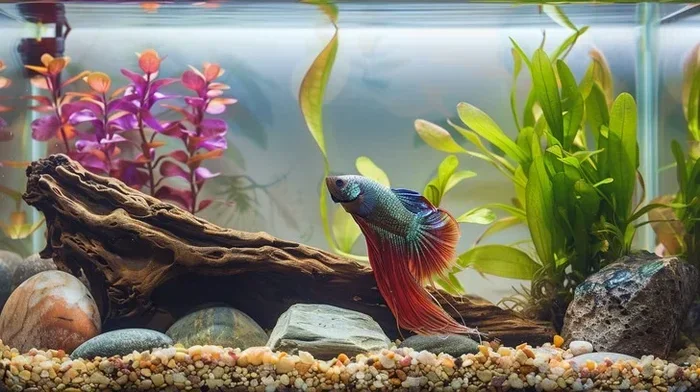
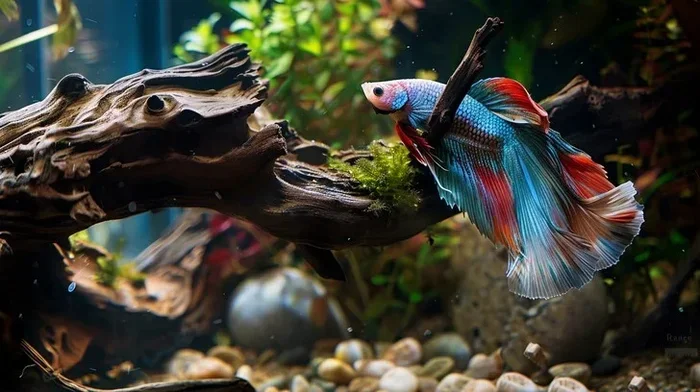
The aquarium setup also matters for your fish’s mental health. Bettas are curious creatures that enjoy exploring their environment. Adding caves, driftwood, and gentle plants creates an engaging space that keeps your fish active and stimulated.
Water Quality and Temperature
Clean water is the foundation of a long betta lifespan. Ammonia and nitrite levels should always be at zero. Nitrate should stay below 20 ppm. Regular water changes, typically 25% every week, help maintain these levels. This is a core part of tank maintenance that many beginners overlook.
Temperature stability is equally important. Bettas thrive in water between 76°F and 82°F. Sudden temperature drops or spikes cause stress, which weakens the immune system. A reliable aquarium thermometer and heater make this easy to manage. Investing in a quality heater pays off in the long run by keeping your betta fish health on track.
Quick Tips for Water Quality:
- Test water parameters weekly with a liquid test kit.
- Always treat tap water with a dechlorinator before adding it to the tank.
- Avoid sudden water changes — match the temperature of new water to the tank.
- Remove uneaten food within 5 minutes to prevent ammonia buildup.
Diet and Betta Fish Nutrition
What you feed your betta directly impacts how long it lives. A poor diet leads to malnutrition, bloating, and a weakened immune system. Bettas are carnivores by nature, so they need protein-rich food to thrive.
High-quality betta pellets should form the staple of their diet. You can supplement with frozen or live foods like brine shrimp, bloodworms, and daphnia. These treats provide variety and extra betta fish nutrition. A varied diet also mimics what bettas eat in their natural habitat, keeping them mentally and physically healthy.
Overfeeding is one of the most common mistakes betta owners make. Bettas have small stomachs, roughly the size of their eye. Feeding them 2 to 3 pellets twice a day is plenty. If you’re curious about how long a betta can go without food, check out how long can betta fish live without food for more information.
A proper feeding schedule looks like this:
- Morning: 2 to 3 high-quality betta pellets.
- Evening: 2 to 3 pellets, alternating with a frozen treat once or twice a week.
- Skip one feeding day per week to support digestion.
Stress and Tank Environment
Stress is a silent killer for betta fish. A stressed betta is more susceptible to diseases like ich, fin rot, and fungal infections. Chronic stress shortens lifespan significantly. Keeping your betta fish tank environment calm and stable is one of the best things you can do for longevity.
Common stressors include bright lights, strong filter currents, aggressive tank mates, and lack of hiding spots. Male bettas are especially territorial, so keeping them alone is usually the best choice. If you want a community tank, choose peaceful, non-flashy fish that won’t bother your betta. Betta fish tank mates should be chosen carefully to avoid conflict.
Adding live plants to the tank creates a more natural and calming environment. Plants also help maintain water quality by absorbing nitrates. They provide cover and make your fish feel secure, which reduces stress hormones and supports overall betta fish health.
How to Help Your Male Betta Live a Longer Life
Now that you know the factors, let’s talk about what you can actually do. These actionable tips will help you maximize your betta’s lifespan and keep him thriving for years.
Choose a Healthy Fish from the Start
Not all bettas are born equal. When selecting a male betta, look for bright, vibrant colors and flowing fins. The fish should be active and responsive. Avoid fish with torn fins, dull coloring, or signs of illness like white spots or bloating.
Sourcing from a reputable breeder or a trusted fish store makes a big difference. Healthy genetics give your betta a better foundation for a long life. If you’re new to bettas, our article on how to take care of a betta male fish walks you through the basics of selecting and setting up for a new arrival.
Maintain a Consistent Care Routine
Consistency is the secret weapon for a long-living betta. Fish thrive on routine. Feed at the same times each day, perform regular water changes, and test parameters consistently. This stability keeps stress low and health high.
Here’s a simple weekly care routine you can follow:
- Monday: 25% water change and gravel vacuuming.
- Wednesday: Feed normally, check temperature.
- Friday: 25% water change and parameter test.
- Sunday: Clean glass, trim any dead plant leaves.
Sticking to this routine might seem like a lot at first, but it quickly becomes second nature. The payoff is a happier, healthier fish that lives significantly longer than one in a neglected tank.
Watch for Early Signs of Illness
Catching problems early gives your betta the best chance of recovery. Common signs of illness include clamped fins, loss of appetite, lethargy, white spots, and redness on the body. If you notice any of these, test your water parameters first and then consider treatment options.
Keeping a quarantine tank on hand is a smart move. New fish or plants can introduce diseases, and a quarantine setup prevents spread to your main tank. A few dollars spent on prevention saves your betta from serious illness and potentially adds years to his life.
Common Mistakes That Shorten Betta Lifespan
Many betta owners unknowingly make mistakes that cut their fish’s life short. Being aware of these pitfalls helps you avoid them and give your betta the best shot at a long life.
Keeping Bettas in Bowls
The “betta in a vase” myth is one of the worst things for betta health. Bowls are too small, lack filtration, and heat poorly. A betta in a bowl may survive but rarely thrives. The lack of space and unstable conditions lead to stress and disease over time.
Overfeeding
It’s tempting to give your betta lots of food because they seem hungry and enthusiastic. But overfeeding causes bloating, constipation, and poor water quality from uneaten food rotting in the tank. Stick to small, measured portions and skip one feeding day per week.
Ignoring Water Changes
Some owners think a filter alone keeps the water clean. Filters remove debris and process ammonia, but they don’t remove nitrates. Regular water changes are essential to keep nitrate levels low and your betta healthy. Skipping water changes is one of the fastest ways to shorten a betta’s life.
How Long Can a Betta Fish Live With Optimal Care?
With the right setup, diet, and maintenance, a male betta fish can live 5 to 7 years. Some exceptional cases have reported bettas reaching 8 or even 9 years old. These rare examples show what’s possible when every aspect of care is dialed in perfectly.
The oldest recorded betta fish lived to around 9 or 10 years in captivity, though these are rare and well-documented cases. For the average hobbyist, aiming for 5 to 6 years is a realistic and achievable goal. The key is consistency in your care routine and attention to your fish’s needs every single day.
The difference between a 3-year betta and a 6-year betta comes down to the choices you make every day. Small, consistent efforts add up to years of extra life for your fish. It’s incredibly rewarding to know that your care directly shapes how long your betta thrives.
Conclusion
So how long to male betta fish live? The answer is largely in your hands. With proper tank setup, clean water, a nutritious diet, and a low-stress environment, your male betta can live a full and healthy life of 3 to 7 years. The average is 3 to 5 years, but exceptional care can push that boundary further.
Every betta deserves a chance to live its best life. By following the tips in this guide, you’re giving your fish the best possible foundation for a long betta fish lifespan. Start with the basics — tank size, water quality, and diet — and build from there. Your betta will thank you with vibrant colors, active behavior, and years of companionship.
Remember, a happy betta is a healthy betta. Take the time to understand its needs, stay consistent with care, and enjoy the journey. Your male betta fish can live longer than you think, and it all starts with the choices you make today.
Frequently Asked Questions
How long do male betta fish live in a small bowl?
Male bettas in small bowls typically live only 1 to 2 years. The lack of space, poor filtration, and unstable water conditions cause chronic stress and weaken the immune system. Upgrading to a 5-gallon tank or larger can significantly extend their lifespan and improve their quality of life.
Can male betta fish live longer than 5 years?
Yes, male betta fish can absolutely live longer than 5 years. With optimal care, many bettas reach 6 or 7 years old. Some exceptional cases have even reported bettas living 8 to 10 years, though this is rare and requires excellent husbandry, consistent water maintenance, and a nutritious diet.
What is the oldest a male betta fish has ever lived?
The oldest recorded male betta fish lived to approximately 9 or 10 years old. This is extremely rare and required a perfectly maintained tank, excellent diet, and consistent care routine. For most hobbyists, aiming for 5 to 6 years is a realistic and achievable goal with proper betta fish care.
Does tank size really affect how long a betta fish lives?
Yes, tank size has a direct impact on betta lifespan. Larger tanks provide more stable water parameters, better oxygenation, and more swimming space. A 5-gallon tank is the minimum recommended size, but 10 gallons or more offers even better conditions for long-term health and reduced stress.
How often should I feed my betta fish to help it live longer?
Feeding your betta 2 to 3 pellets twice a day is ideal. Overfeeding is more harmful than underfeeding, as it leads to bloating and poor water quality. Skipping one feeding day per week supports healthy digestion and prevents constipation, which are common issues that shorten betta lifespan.
Why do male betta fish die early?
Male betta fish often die early due to poor water conditions, small tanks, overfeeding, and stress. These factors weaken the immune system and make bettas susceptible to diseases like fin rot and ich. Providing a proper 5-gallon tank with a heater, filter, and consistent care routine dramatically reduces these risks.