How to Start with a Betta Fish
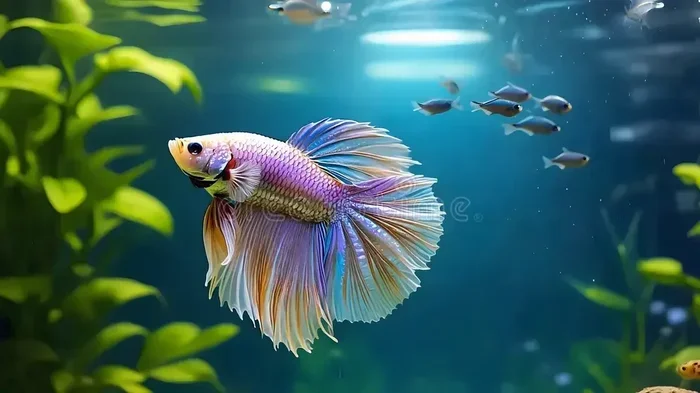
Starting a betta fish journey is easier than most people think. How to start with a betta fish comes down to three basics: the right tank, clean water, and proper feeding. This guide gives you everything you need to create a happy home for your new pet.
So you have decided to welcome a betta fish into your home. That is a fantastic choice. Betta fish are vibrant, curious, and full of personality. They are also one of the most popular pets for beginners. But starting out the right way matters more than most people realize. A small mistake in the beginning can lead to stress, illness, or even a shorter lifespan for your fish. This guide will walk you through every step you need to take. By the end, you will feel confident and ready to give your betta the best possible home.
How to start with a betta fish is not as complicated as it might sound. You do not need years of experience or expensive equipment. You just need the right knowledge and a little patience. Whether you are a complete beginner or someone who has had fish before, this article covers what you truly need to know. We will talk about tank setup, water preparation, feeding routines, and how to keep your betta healthy. Let us dive in and get you started on this rewarding journey.
Key Takeaways
- Start with at least a 5-gallon tank: Bettas need room to swim and thrive, not just a tiny bowl.
- Keep water warm and clean: A heater and filter make a huge difference in your betta’s health and lifespan.
- Feed small amounts daily: Overfeeding is one of the most common mistakes new betta owners make.
- Cycle your tank before adding fish: A properly cycled tank prevents harmful ammonia buildup and keeps your betta safe.
- Watch for signs of stress or illness: Catching problems early makes treatment much easier and more effective.
- Avoid sharp decorations and strong filters: Bettas have long fins that can get damaged easily.
- Patience is key: Building trust with your betta takes time, but the bond is worth it.
📑 Table of Contents
- Why Betta Fish Are Great for Beginners
- Setting Up the Perfect Tank for Your Betta
- Preparing the Right Water for Your Betta
- Feeding Your Betta Fish the Right Way
- Keeping Your Betta Fish Healthy
- Common Mistakes Beginners Make with Betta Fish
- Building a Bond with Your Betta Fish
- Final Thoughts on Starting Your Betta Journey
Why Betta Fish Are Great for Beginners
Betta fish, also known as Siamese fighting fish, have captured the hearts of fish lovers around the world. Their flowing fins and brilliant colors make them stand out in any room. But there is more to bettas than just good looks. They are hardy creatures that can adapt to a range of conditions. This makes them forgiving for new fish keepers who are still learning the ropes.
One of the best things about bettas is their individual personality. Each fish has its own quirks and behaviors. Some bettas will follow your finger around the tank. Others will flare their fins when they see their reflection. Watching your betta explore its environment is genuinely enjoyable. It creates a calming and rewarding daily routine.
Betta fish lifespan typically ranges from three to five years with proper care. That means your little companion will be with you for a good while. This is a long-term commitment, but one that brings a lot of joy. Understanding this upfront helps you prepare for the responsibility ahead.
Bettas are also relatively low maintenance compared to many other pets. They do not need a huge tank or complex equipment. However, low maintenance does not mean no maintenance. They still need clean water, proper food, and a stable environment. Treating them with basic care goes a long way toward keeping them happy and healthy.
Setting Up the Perfect Tank for Your Betta
The tank you choose sets the foundation for your betta’s well-being. Many people make the mistake of buying a tiny bowl and calling it good. While bettas can survive in small spaces, they truly thrive when given more room. Think of it this way: you would not want to live in a cramped closet forever. Your fish deserves the same thoughtfulness.
Choosing the Right Tank Size
A 5-gallon tank is the minimum recommended size for a single betta fish. This gives your fish enough space to swim and explore. Tanks that are 10 gallons or larger are even better. A larger tank also makes it easier to maintain stable water conditions. Fluctuations in temperature and chemistry happen less often in bigger volumes of water.
When selecting a tank, look for one that comes with a lid. Bettas are jumpers by nature. They can leap out of open tanks, which can be fatal. A tight-fitting lid or hood prevents this danger. It also helps keep dust and debris out of the water.
Essential Equipment for Betta Tank Setup
Setting up a proper betta tank setup requires a few key pieces of equipment. Here is what you will need:
- Heater: Bettas are tropical fish. They need water temperatures between 76 and 82 degrees Fahrenheit. A small aquarium heater keeps the temperature stable. This is one of the most important investments you can make.
- Filter: A gentle filter helps keep the water clean without creating too much current. Bettas prefer slow-moving water because of their long fins. Choose a filter with an adjustable flow rate or a sponge filter.
- Thermometer: A simple adhesive thermometer lets you monitor the water temperature daily. It helps you catch problems before they affect your fish.
- Substrate: Smooth gravel or sand works well for betta tanks. Avoid rough or sharp substrates that could damage your betta’s fins.
- Decorations: Live or silk plants provide hiding spots and make your betta feel secure. Avoid plastic plants with sharp edges. Your betta’s delicate fins can tear easily on rough surfaces.
When you are ready to set everything up, consider reading about setting up a proper tank for your betta. It covers the step-by-step process in great detail.
Adding Decorations and Plants
Decorations do more than make your tank look pretty. They provide enrichment and reduce stress for your betta. Live plants are especially beneficial. They help absorb nitrates, produce oxygen, and create a more natural environment. Some easy-to-grow plants for betta tanks include java fern, anubias, and amazon sword.
You can also add caves, driftwood, and other hiding spots. Bettas like to have places to retreat and rest. A well-decorated tank makes your fish feel safe. This leads to better coloration and more active behavior. Just make sure all decorations have smooth surfaces and no sharp edges.
Preparing the Right Water for Your Betta
Water quality is the single most important factor in your betta’s health. Fish live in their water 24 hours a day. Poor water conditions lead to stress, disease, and a shortened life. Taking the time to prepare your water properly pays off in a big way.
Understanding Water Parameters
Bettas prefer slightly warm, slightly acidic to neutral water. Here are the ideal parameters to aim for:
- Temperature: 76 to 82 degrees Fahrenheit
- pH Level: 6.5 to 7.5
- Ammonia: 0 ppm (parts per million)
- Nitrite: 0 ppm
- Nitrate: Below 20 ppm
These numbers might seem technical, but they are easy to manage with the right tools. A liquid test kit gives you accurate readings. Test strips work in a pinch but are less precise. Testing your water regularly helps you catch problems early.
Conditioning and Preparing Water
Tap water contains chlorine and chloramine, both of which are harmful to fish. You must treat tap water before adding it to your tank. A good water conditioner removes these chemicals instantly. Simply add the recommended dose to your tap water before pouring it into the tank.
For detailed guidance on this process, check out our article on preparing water for your betta. It explains everything from choosing a conditioner to matching temperature during water changes.
When performing water changes, aim to replace 25 to 30 percent of the water weekly. This helps keep waste buildup in check. Use a gravel vacuum to clean the substrate at the same time. Removing debris from the bottom of the tank keeps the environment fresh and healthy.
Feeding Your Betta Fish the Right Way
Feeding your betta might seem simple, but it is where many beginners go wrong. Overfeeding is extremely common and can cause serious health problems. Bettas have small stomachs, roughly the size of their eye. Giving them too much food leads to bloating, constipation, and poor water quality.
What to Feed Your Betta
A high-quality betta fish diet should be varied and nutritious. Here are the best food options:
- Betta pellets: These are specially formulated for bettas. They sink slowly, which is perfect for your fish. Look for pellets with high protein content and minimal fillers.
- Frozen or live foods: Bloodworms, brine shrimp, and daphnia are excellent treats. They provide variety and mimic what bettas would eat in the wild.
- Flake food: While not ideal, some bettas accept flake food. It should not be the primary diet though. Bettas are carnivores and need protein-rich meals.
Feeding your betta a mix of pellets and occasional treats keeps them healthy and excited at mealtime. Variety also supports vibrant color and strong immunity.
How Often and How Much to Feed
Feed your betta two to three small meals per day. Each meal should be a pinch of pellets or a few frozen food cubes. If you are unsure about portions, start small and adjust based on how quickly your fish eats. Remove any uneaten food after five minutes. Leftover food decomposes in the water and raises ammonia levels.
Some betta owners like to fast their fish one day per week. This helps prevent constipation and gives the digestive system a break. It is a simple practice that makes a noticeable difference in your fish’s well-being.
| Food Type | Frequency | Best For |
|---|---|---|
| Betta Pellets | Daily (2-3 times) | Staple diet, nutrition |
| Frozen Bloodworms | 2-3 times per week | Treat, protein boost |
| Brine Shrimp | 1-2 times per week | Variety, enrichment |
| Daphnia | Once per week | Digestive health |
Keeping Your Betta Fish Healthy
Prevention is always better than cure when it comes to betta fish health. A well-maintained tank and a consistent routine do most of the heavy lifting. But it is also important to know the warning signs of common problems. Catching issues early gives you the best chance of helping your fish recover.
Common Betta Fish Diseases
Bettas can fall victim to several common illnesses. Knowing the symptoms helps you act quickly:
- Ich (White Spot Disease): White spots appear on the fins and body. This is caused by a parasite and often results from stress or temperature changes. Treating ich early is straightforward with medication and a slight temperature increase.
- Fin Rot: The edges of the fins become ragged or discolored. Poor water quality is the most common cause. Regular water changes and a clean tank prevent fin rot from developing.
- Swim Bladder Disease: Your betta may struggle to maintain buoyancy. This can be caused by overfeeding or constipation. Fasting your fish for a day or two often resolves the issue.
- Fungal Infections: White cotton-like growths appear on the body or fins. These usually develop when the fish is stressed or injured. Improving water quality and using antifungal treatment helps clear it up.
Creating a Stress-Free Environment
Stress weakens a betta’s immune system and makes them vulnerable to disease. There are several simple ways to keep stress levels low:
- Keep the water temperature stable with a reliable heater.
- Avoid placing the tank in direct sunlight or near drafts.
- Do not keep aggressive tank mates with your betta.
- Provide plenty of hiding spots and plants.
- Avoid tapping on the tank glass or making sudden loud noises.
- Perform regular water changes and keep the tank clean.
If you want to learn more about recognizing and treating stress in bettas, our guide on betta fish care 101 covers these topics in depth. It is a great next step after reading this article.
Common Mistakes Beginners Make with Betta Fish
Even the most well-meaning new owners can fall into habits that hurt their fish. Being aware of these mistakes helps you avoid them from the start. Here are the most common pitfalls to watch out for.
Keeping a Betta in a Tiny Bowl
The image of a betta in a small bowl on a windowsill is everywhere. But this setup is not healthy for the fish. A bowl smaller than 5 gallons makes it very difficult to maintain stable water conditions. Waste builds up quickly, and temperature swings happen fast. Your betta deserves a proper tank with filtration and heating.
Skipping the Cycling Process
Cycling a tank means building up beneficial bacteria that break down harmful ammonia. Adding a betta to an uncycled tank exposes them to toxic levels of ammonia and nitrite. This is one of the fastest ways to make a fish sick or die. Always cycle your tank for at least two to four weeks before introducing your betta. Patience at this stage saves lives.
Overfeeding Your Betta
Bettas are eager eaters and will beg for food even when they are full. It is tempting to give in, but overfeeding causes more problems than most people realize. Excess food rots in the water, raising ammonia levels. A bloated fish is an uncomfortable fish. Stick to small, measured portions and resist the urge to overfeed.
Ignoring Water Changes
Some new owners think that a filter alone keeps the water clean. Filters remove debris and house beneficial bacteria, but they do not eliminate dissolved waste. Regular water changes are essential for removing nitrates and other pollutants. Skipping water changes leads to deteriorating water quality over time.
Building a Bond with Your Betta Fish
One of the most rewarding parts of owning a betta is the bond you can build over time. Bettas are smarter than people give them credit for. They can recognize their owner and even learn simple behaviors. Developing this connection makes the experience of owning a betta truly special.
Start by spending time near the tank each day. Talk softly to your fish or sit quietly and let them get used to your presence. You can also try hand-feeding your betta once they are comfortable with your presence. This creates trust and makes feeding time an interactive experience.
Some owners enjoy playing simple games with their bettas. You can train your fish to follow your finger or swim through a hoop. These activities provide mental stimulation and strengthen the bond between you and your pet. Just keep sessions short and always watch for signs of stress.
Remember that every betta is different. Some are social and curious, while others are shy and reserved. Respect your fish’s personality and let them set the pace. Over time, you will learn what makes your betta comfortable and happy.
Final Thoughts on Starting Your Betta Journey
How to start with a betta fish comes down to a few core principles: provide a proper tank, maintain clean water, feed appropriately, and watch for signs of trouble. These basics are simple but powerful. When you follow them consistently, your betta has every chance to live a long, healthy, and vibrant life.
Starting out can feel a little overwhelming, but it does not have to be. Take it one step at a time. Set up your tank, cycle it properly, and introduce your betta slowly. Establish a feeding and maintenance routine that works for your schedule. Before you know it, caring for your betta will become second nature.
The journey of keeping a betta fish is full of small rewards. Watching your fish explore its environment, displaying its colors, and responding to your presence is deeply satisfying. You are not just keeping a pet. You are creating a little underwater world that brings calm and joy to your daily life. Enjoy every moment of it.
Frequently Asked Questions
What size tank do I need to start with a betta fish?
A 5-gallon tank is the minimum recommended size for a single betta fish. This gives your fish enough room to swim and helps maintain stable water conditions. Larger tanks, such as 10 gallons, are even better because they dilute waste and make maintenance easier.
How often should I feed my betta fish?
Feed your betta two to three small meals per day. Each meal should be a small pinch of pellets or a few frozen food cubes. Remove any uneaten food after five minutes to keep the water clean. Fasting your betta for one day per week can help prevent digestive issues.
What water temperature is best for betta fish?
Bettas thrive in water temperatures between 76 and 82 degrees Fahrenheit. Using an aquarium heater helps maintain a stable temperature. Sudden temperature drops or swings can stress your fish and weaken their immune system.
Can betta fish live with other fish?
Bettas can sometimes live with peaceful, non-fin-nipping tank mates in a tank of 10 gallons or larger. However, male bettas should never be housed with other male bettas. Always research compatibility carefully before adding any new fish to your betta’s tank.
How do I know if my betta fish is healthy?
A healthy betta has bright, vibrant colors, erect fins, and active swimming behavior. They should eat eagerly and respond to their surroundings. Watch for signs like faded colors, clamped fins, loss of appetite, or difficulty swimming, as these can indicate illness or stress.
How long do betta fish live with proper care?
With proper care, betta fish typically live between three and five years. Providing a clean tank, stable water parameters, a balanced diet, and a stress-free environment helps maximize their lifespan. Some well-cared-for bettas have been known to live even longer.