How to Start a Betta Fish Business
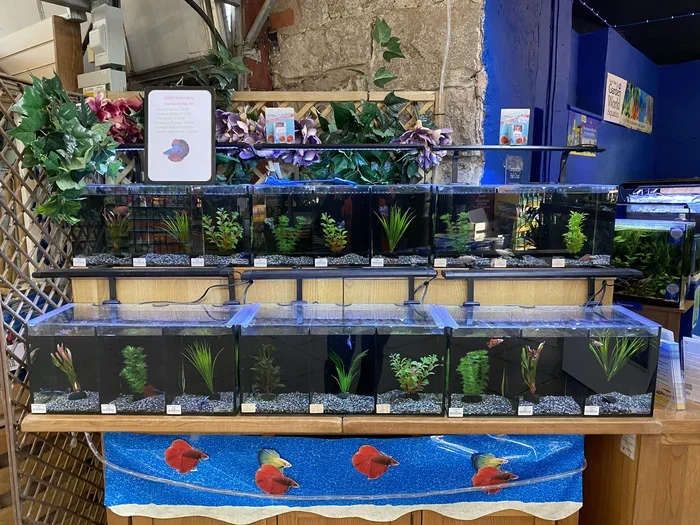
Starting a betta fish business can be a rewarding venture for fish lovers who want to turn their passion into profit. You need solid planning, proper tank setup, and a deep understanding of betta fish care to succeed. This guide walks you through every step, from choosing your niche to selling healthy fish and growing your customer base.
Starting a betta fish business is one of the most exciting ways to turn a love for fish into a real income stream. Betta fish, also known as Siamese fighting fish, are colorful, hardy, and hugely popular. That popularity creates a strong market for anyone willing to put in the work. Whether you dream of breeding show-quality fish or simply want to sell a few healthy pets, the path starts with solid knowledge and careful planning.
The good news is that you do not need a huge budget to get started. Many successful betta fish business owners began in their spare bedroom or garage. What matters most is your willingness to learn about betta fish care, water quality, and the needs of these beautiful creatures. This guide gives you everything you need to know to launch your own venture with confidence.
In this article, you will learn how to plan your business, set up the right tanks, care for your fish properly, and find buyers who will keep coming back. Let us dive in.
Key Takeaways
- Start small: Begin with a few tanks and scale up as you learn the ropes of betta fish breeding and care.
- Know your market: Research local demand and online trends to pick the right betta fish varieties to sell.
- Invest in proper setup: Quality tanks, filtration, and heating systems are essential for healthy fish and happy customers.
- Master betta fish care: Understanding water quality, feeding, and health issues builds trust and reduces fish losses.
- Sell through multiple channels: Use local pet stores, online marketplaces, and social media to reach more buyers.
- Track your finances: Keep close records of startup costs, ongoing expenses, and profit margins to stay profitable.
📑 Table of Contents
- What Does It Take to Start a Betta Fish Business?
- Planning Your Betta Fish Business
- Setting Up Your Betta Fish Tanks and Space
- How to Care for Betta Fish Properly
- Selling Betta Fish and Growing Your Customer Base
- Managing Costs and Maximizing Profit
- Expert Insights on Running a Successful Betta Fish Business
- Final Thoughts on Starting Your Betta Fish Business
What Does It Take to Start a Betta Fish Business?
A betta fish business is more than just buying a few fish and putting them up for sale. It requires dedication, knowledge, and a genuine love for these animals. Before you spend a single dollar, take time to understand what the journey involves.
First, think about your goals. Do you want to breed bettas and sell fry? Or do you want to buy adult fish and resell them at a markup? Maybe you want to focus on rare color varieties that command higher prices. Each path has different demands, and knowing your direction early saves time and money.
Next, consider the space you have available. Bettas need clean, properly heated water. You will need room for multiple tanks, a water preparation area, and storage for supplies. Even a small apartment can work, but you need to plan wisely. Setting up a proper fish tank for betta fish is the foundation of everything you will do in this business.
Why Betta Fish Make Great Business Pets
Betta fish stand out in the aquarium world for several reasons. Their vibrant fins and bright colors catch the eye instantly. They are relatively easy to care for compared to many tropical fish species. And they come in dozens of varieties, from crown tail to double tail, which means you can offer something unique to customers.
Betta fish also have a loyal fan base. Hobbyists collect them, beginners want their first fish, and pet stores always need a steady supply. This consistent demand makes the betta fish market a reliable place to build a business.
Planning Your Betta Fish Business
Before you buy a single tank, sit down and write a simple business plan. You do not need a formal document. Just map out your ideas on paper or a spreadsheet. This step keeps you focused and helps you avoid costly mistakes later.
Choose Your Niche
Not all betta fish businesses look the same. Some breeders focus on producing beautiful pets for the general market. Others specialize in show-quality fish that compete in local and national contests. Some owners sell supplies, food, and accessories alongside live fish.
Pick a niche that matches your skills and interests. If you love genetics and color patterns, breeding might be your calling. If you prefer hands-on care, focus on raising healthy fish for resale. Your niche shapes your branding, pricing, and marketing strategy.
Set a Realistic Budget
Startup costs for a betta fish business can vary widely. A minimal setup might cost a few hundred dollars. A more serious operation with multiple tanks, heaters, filters, and lighting could run into the thousands.
Here is a simple breakdown of common startup expenses:
- Tanks and stands: $200 to $1,500 depending on quantity and size
- Heaters and filters: $100 to $400
- Lighting systems: $50 to $300
- Water testing kits and treatments: $50 to $100
- Initial fish stock: $100 to $500
- Food and supplies: $50 to $150 per month
- Marketing and branding: $50 to $200
Start lean and reinvest profits as your business grows. You do not need to spend a fortune on day one. Focus on quality over quantity, and let your reputation do the heavy lifting.
Setting Up Your Betta Fish Tanks and Space
Your tanks are the heart of your business. Every betta fish you sell starts its life in a well-maintained aquarium. Getting the setup right is not optional, it is essential for healthy fish and long-term success.
Tank Size and Layout
Many people think bettas can live in tiny bowls. That is a myth. For breeding and raising healthy fish, you need tanks of at least 5 gallons per fish. A 10-gallon tank works well for a single male, while breeding pairs need larger setups with dividers or separate tanks.
Use a simple layout with gentle filtration, a reliable heater, and soft lighting. Avoid sharp decorations that could tear delicate fins. Live plants not only look great but also help maintain water quality. If you want ideas for a planted setup, check out this guide on how to set up a betta fish bowl with a plant.
Water Quality and Temperature
Clean water is the single most important factor in betta fish health. Ammonia and nitrite levels must stay at zero. Nitrate should remain below 20 parts per million. Test your water at least twice a week, and do regular water changes of 25 to 50 percent.
Bettas thrive in water temperatures between 78 and 80 degrees Fahrenheit. Use a reliable aquarium heater with a thermostat to maintain stable temperatures. Sudden temperature swings stress fish and make them vulnerable to illness.
For more detailed guidance on keeping water pristine, read our article on how to take care of betta fish water. This knowledge will serve you well as a business owner.
Common Mistakes in Tank Setup
- Using tanks that are too small for the number of fish
- Skipping water testing and relying on guesswork
- Overcrowding tanks to maximize short-term output
- Using harsh chemicals or soaps when cleaning equipment
- Ignoring signs of stress or disease in early stages
Avoid these pitfalls, and your fish will thrive. Healthy fish mean happy customers and repeat business.
How to Care for Betta Fish Properly
Strong betta fish care practices set successful businesses apart from the rest. When you invest time in understanding the needs of your fish, everything else falls into place.
Feeding the Right Way
Betta fish are carnivores. They need a diet rich in protein. High-quality pellets form the staple of their meals. Supplement with frozen or live foods like brine shrimp and bloodworms for variety and extra nutrition.
Feed small amounts twice a day. Remove any uneaten food after a few minutes to keep the water clean. Overfeeding is one of the most common mistakes new breeders make. It fouls the water quickly and leads to health problems.
Spotting and Treating Common Illnesses
Even with the best care, fish sometimes get sick. Ich, also known as white spot disease, is one of the most common issues. You will notice tiny white spots on the fins and body. Another frequent problem is fin rot, which causes the edges of the fins to look ragged and discolored.
Act fast when you notice symptoms. Isolate sick fish immediately to prevent spreading disease. Treat affected tanks with appropriate medications. For detailed treatment steps, our article on how to treat ich on a betta fish provides clear, practical guidance.
Understanding Betta Fish Behavior
Healthy bettas are curious and active. They flare their gills and explore their tank. A stressed betta will hide, lose color, or stop eating. Learning to read these behaviors helps you catch problems early.
Males should always be kept separate. They will fight aggressively, sometimes to the death. Females can sometimes be kept in small groups called sororities, but this requires careful tank setup and monitoring.
Quick Tips for Daily Care
- Check the heater and filter every morning
- Remove any dead leaves or debris from the tank
- Observe each fish for signs of illness or stress
- Feed small, measured portions twice daily
- Log water parameters in a simple notebook or app
Consistency is the secret ingredient. Fish that receive daily attention grow stronger, display better colors, and sell faster.
Selling Betta Fish and Growing Your Customer Base
Breeding and raising beautiful fish is only half the equation. You also need to sell them effectively to build a profitable business.
Know Your Target Customers
Your buyers fall into a few categories. Hobbyists want healthy, colorful fish for their home aquariums. Beginners need easy-to-care-for pets with clear care instructions. Pet stores look for reliable suppliers who can deliver consistent quality on a regular schedule.
Tailor your approach to each group. Hobbyists appreciate rare color varieties and detailed care sheets. Beginners prefer affordable, hardy fish with simple setup guides. Pet stores value dependable delivery and professional communication.
Where to Sell Betta Fish
You have several options for reaching buyers. Local fish clubs and aquarium shows are excellent places to connect with serious hobbyists. Online marketplaces like eBay and Etsy let you reach customers nationwide. Social media platforms, especially Instagram and Facebook groups, are powerful tools for showcasing your fish and building a following.
Consider partnering with local pet stores. Many independent shops welcome quality suppliers who can provide healthy, well-cared-for fish on a regular basis.
Building Trust and Reputation
In any business, reputation is everything. In the betta fish world, trust comes from consistently selling healthy, vibrant fish. Share photos of your setup and your fish. Be honest about care requirements. Offer guarantees and respond quickly to customer questions.
Over time, satisfied customers become repeat buyers and word-of-mouth advocates. That organic growth is the most valuable marketing you can get.
Managing Costs and Maximizing Profit
A profitable betta fish business requires careful financial management. Keep your costs low and your revenue steady, and you will build a sustainable operation over time.
Track Every Expense
Use a simple spreadsheet to log all expenses. Include tank equipment, fish stock, food, water conditioners, medications, electricity, and marketing costs. Knowing your numbers helps you price your fish correctly and identify areas where you can cut waste.
Pricing Your Betta Fish
Pricing depends on variety, quality, and market demand. Common color morphs sell for $5 to $15 per fish. Rare or show-quality specimens can command $30 to $100 or more. Breeding pairs and show-quality fish with excellent finnage carry the highest price points.
Research what competitors charge in your area and online. Price fairly but do not undervalue your fish. Healthy, well-bred fish deserve a fair price.
Scaling Up Gradually
Resist the urge to expand too quickly. Grow your business at a pace that matches your experience and budget. Add tanks one at a time. Improve your systems before increasing your stock. This measured approach reduces risk and keeps your fish healthy.
As you gain experience, consider adding complementary products. Fish food, tank decorations, water testing kits, and aquarium accessories all generate extra income with minimal additional effort.
Expert Insights on Running a Successful Betta Fish Business
Experienced breeders and sellers share a few insights that can save you years of trial and error.
Focus on genetics. The best breeders carefully select parent fish for desirable traits like color intensity, fin length, and body shape. Over time, this selective breeding produces fish that stand out in the market.
Never stop learning. The betta fish community is full of knowledgeable enthusiasts. Join online forums, attend local club meetings, and read breeding guides regularly. The more you know, the better your fish will be.
Prioritize fish welfare. Profit matters, but it should never come at the expense of animal health. Ethical breeding practices build a reputation that lasts for decades.
Stay organized. Keep breeding records, track water parameters, and maintain a cleaning schedule. Organization prevents problems before they start.
These principles may sound simple, but they form the backbone of every successful betta fish business. Follow them consistently, and you will build something truly rewarding.
Final Thoughts on Starting Your Betta Fish Business
Starting a betta fish business is a journey that combines passion with practical skills. You need to understand betta fish care deeply, create a proper setup, and connect with buyers who value quality. It takes patience, dedication, and a willingness to learn from every success and setback.
The beauty of this business is that it grows with you. Start small, master the basics, and expand as your confidence and experience grow. Every tank you set up and every healthy fish you sell brings you closer to building something meaningful.
If you are ready to take the leap, begin today. Set up your first tank, learn the fundamentals, and let your love for betta fish guide you forward. The world of ornamental fish business is waiting for someone with your passion and dedication.
Frequently Asked Questions
How much does it cost to start a betta fish business?
A basic setup can cost anywhere from $300 to $1,000 depending on the number of tanks and equipment. You can start small and scale up as profits grow. Focus on quality supplies and healthy fish stock first.
Do I need a license to sell betta fish?
Licensing requirements vary by location. Check with your local government and fish and wildlife agency. Some areas require a business permit or a fish selling license, especially if you sell across state lines.
What is the most profitable betta fish variety to sell?
Rare color morphs and show-quality fish with exceptional finnage tend to bring the highest prices. Dragon scales, double tails, and crowntail varieties often sell for premium rates. Research current market trends to find what buyers want most.
How long does it take to breed betta fish successfully?
Betta fish reach breeding age at around 4 to 6 months. A successful spawn can produce 50 to 300 fry. Raising fry to saleable size takes about 3 to 6 months depending on care and feeding quality.
Can I start a betta fish business from home?
Absolutely. Many successful breeders start in spare rooms, garages, or basements. You need adequate space, reliable electrical outlets, and proper ventilation. Start with a few tanks and expand as your business grows.
How do I keep my betta fish healthy in a business setting?
Maintain clean water through regular changes, test parameters frequently, and feed a balanced diet. Quarantine new fish before adding them to your main tanks. Watch for signs of stress or illness every single day. Healthy stock is the foundation of a thriving business.