How Do I Take Care of My New Betta Fish

Taking care of a new betta fish starts with the right tank setup, clean water, and a consistent feeding routine. Betta fish are beautiful and hardy, but they still need proper attention to thrive. This guide covers everything from tank size and water temperature to diet and common health issues. You will learn simple steps to keep your new betta happy and healthy for years to come.
Bringing home a new betta fish is exciting. These colorful creatures look like living jewels, and their flowing fins are truly mesmerizing. But a new betta needs more than just a pretty bowl to stay healthy. Knowing how to take care of your new betta fish properly makes all the difference between a happy, vibrant fish and one that struggles.
If you are new to betta care, do not worry. This guide walks you through every step. From setting up the tank to choosing the right food, you will find simple, practical advice. We will cover the essentials so you can enjoy your new pet with confidence.
Betta fish, also known as Siamese fighting fish, are popular for good reason. They are hardy, visually stunning, and relatively easy to care for. But hardy does not mean indestructible. Even the toughest betta needs clean water, proper warmth, and a balanced diet. Let us dive into the details of new betta fish care so you can give your fish the best start possible.
Key Takeaways
- Tank Setup Matters: A minimum 5-gallon tank with a heater and filter gives your betta a healthy home.
- Water Quality Is Critical: Regular water changes and conditioning prevent harmful ammonia and nitrate buildup.
- Feed Wisely: Small meals twice a day keep your betta fit without overfeeding.
- Watch for Warning Signs: Recognizing early symptoms of illness saves lives and reduces stress.
- Acclimate Slowly: Gradually introducing your new betta to its tank prevents shock and promotes adjustment.
- Consistency Wins: A steady routine for feeding, cleaning, and monitoring keeps your betta thriving.
📑 Table of Contents
- Setting Up the Perfect Tank for Your New Betta
- Water Quality: The Most Important Factor
- Feeding Your New Betta the Right Way
- Acclimating Your New Betta to Its Tank
- Keeping Your Betta Healthy and Happy
- Maintaining a Routine for Long-Term Success
- Common Mistakes to Avoid
- Final Thoughts on Taking Care of Your New Betta Fish
Setting Up the Perfect Tank for Your New Betta
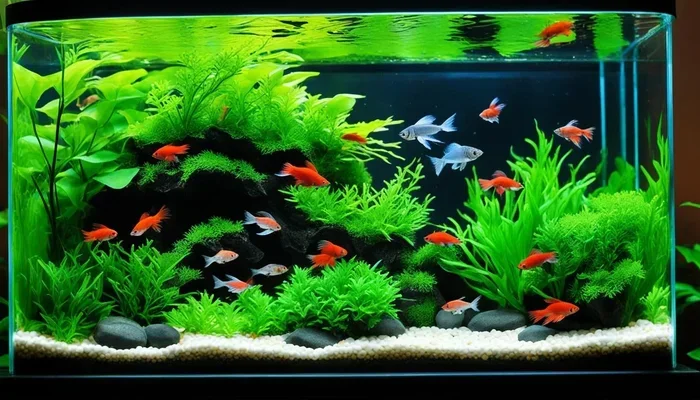
The foundation of good betta fish care is the tank. Many people think bettas can live in tiny cups or bowls. That is a common myth. While bettas can survive in small spaces, they thrive when given room to move. A proper tank setup reduces stress and promotes a long, healthy life.
Choose the Right Tank Size
Aim for at least a 5-gallon tank. This gives your betta enough space to swim and explore. Larger tanks are even better because they stabilize water parameters more easily. A 10-gallon tank works well if you have space. Avoid tanks smaller than 3 gallons, as they make maintaining water quality very difficult.
Add a Heater and Filter
Betta fish are tropical. They need warm water between 76 and 82 degrees Fahrenheit. A small aquarium heater keeps the temperature steady. Without a heater, cold water can weaken your betta’s immune system and lead to illness.
A gentle filter is also important. Bettas do not like strong currents, so choose a filter with a adjustable flow or a sponge filter. The filter removes harmful toxins and keeps the water clean. Proper filtration is one of the easiest ways to prevent health problems.
Cycle the Tank Before Adding Your Fish
Tank cycling is the process of building beneficial bacteria that break down waste. This should be done before your betta arrives. Cycling typically takes 2 to 4 weeks. Adding a betta to an uncycled tank exposes it to dangerous ammonia spikes. Use a liquid test kit to monitor ammonia, nitrite, and nitrate levels during the cycling process.
Water Quality: The Most Important Factor
Clean water is the single biggest factor in keeping your betta healthy. Betta fish are sensitive to poor water conditions. Even small amounts of ammonia or nitrite can cause serious harm. Maintaining good water quality should be your daily priority.
Use Water Conditioner Every Time
Tap water contains chlorine and chloramine, which are harmful to fish. Always add a water conditioner before filling the tank or performing water changes. A quality conditioner neutralizes these chemicals instantly. This is a non-negotiable step in betta fish care.
Perform Regular Water Changes
Replace 25 to 30 percent of the tank water every week. This removes built-up nitrates and keeps the environment fresh. Use a gravel vacuum to clean the substrate at the same time. Over time, waste and uneaten food collect in the gravel, polluting the water.
For larger tanks, weekly changes are essential. For smaller tanks under 5 gallons, you may need to do partial changes twice a week. Consistency here pays off big time.
Test the Water Regularly
A liquid test kit is your best friend. Test strips are okay, but liquid kits are more accurate. Test for ammonia, nitrite, nitrate, and pH at least once a week. Ideal parameters for bettas are:
- Ammonia: 0 ppm
- Nitrite: 0 ppm
- Nitrate: Under 20 ppm
- pH: 6.5 to 7.5
- Temperature: 76 to 82 degrees Fahrenheit
Keeping these numbers in check prevents most common health issues. If anything looks off, act quickly. Early intervention makes a huge difference.
Feeding Your New Betta the Right Way
Feeding seems simple, but it is one of the areas where new betta owners make the most mistakes. Overfeeding is the number one cause of health problems in bettas. A proper feeding schedule keeps your fish fit and the water clean.
What to Feed Your Betta
High-quality betta pellets should form the staple of your fish’s diet. Look for pellets with protein as the first ingredient. You can also offer frozen or live foods like bloodworms and brine shrimp as treats. These are rich in nutrients and make your betta’s colors pop.
Avoid feeding your betta tropical flakes meant for other fish. They lack the protein bettas need and often contain fillers that offer little nutrition.
How Much and How Often
Feed your betta two small meals per day. Each meal should be about 2 to 3 pellets. Remove any uneaten food after a few minutes. Leftover food decays quickly and spikes ammonia levels in the water.
Many owners feed their betta once a day, which works too. The key is not to overdo it. A slightly hungry betta is healthier than an overfed one. If you are unsure, how often you feed your betta fish should be guided by a consistent routine rather than guesswork.
Fast Days Are Helpful
Give your betta one fasting day per week. This helps prevent bloating and constipation, which are common in bettas. On fasting days, your fish will be just fine. In fact, a short fast supports healthy digestion and keeps the tank water cleaner.
Acclimating Your New Betta to Its Tank
Getting your new betta home is only the first step. The transition from the pet store bag to your tank needs to be gentle. A stressful introduction can weaken your fish and trigger illness. Proper acclimation helps your betta settle in smoothly.
The Drip Method
The drip method is the gold standard for acclimating fish. Place the betta and its bag water in a clean bucket. Then, use airline tubing to slowly drip tank water into the bucket. This mixes the two water sources gradually over 30 to 45 minutes.
After the drip, use a net to gently transfer the betta into the tank. Do not pour the bag water into your tank, as it may contain contaminants from the store.
Give Your Betta Time to Settle
After the transfer, dim the lights and give your betta space. It may hide or stay still for the first few hours. This is completely normal. Avoid tapping on the glass or shining bright lights directly at the tank. Let your new fish adjust at its own pace.
Within a day or two, your betta should be swimming confidently around the tank. If it stays hidden longer, check the water parameters and temperature first. Stress from poor water conditions is the most common cause of prolonged hiding.
Keeping Your Betta Healthy and Happy
Prevention is always better than cure when it comes to fish health. A well-maintained tank and a stress-free environment go a long way. But it is still important to know the signs of trouble and how to respond.
Common Health Issues
Betta fish can experience a few common problems:
- Fin Rot: Frayed or discolored fins caused by bacterial infection. Usually triggered by poor water quality.
- Constipation: A swollen belly and difficulty swimming. Often caused by overfeeding or lack of fiber.
- Ich (White Spot Disease): Small white spots on the body and fins. Caused by a parasite and worsened by temperature drops.
- Stress: Clamped fins, loss of color, and hiding. Usually a sign of poor water conditions or aggressive tank mates.
Catching these issues early makes treatment much easier. If you notice anything unusual, test the water first. In most cases, a water change and a slight temperature adjustment resolve the problem.
Tank Mates for Bettas
Bettas can live with other fish, but not all species are compatible. Good tank mates include snails, shrimp, and peaceful bottom dwellers like corydoras. Avoid aggressive fish or those with bright, flowing fins, as bettas may see them as rivals.
Always research any potential tank mate before adding it to the tank. A crowded or stressful environment undermines all the effort you put into proper betta care.
Maintaining a Routine for Long-Term Success
The secret to successful betta fish care is consistency. A regular routine keeps your tank stable and your fish healthy. Here is a simple weekly schedule to follow:
- Monday: Check water temperature and parameters. Feed your betta as usual.
- Wednesday: Perform a 25 percent water change. Vacuum the gravel gently.
- Friday: Test the water with your liquid test kit. Trim any dying plants if needed.
- Sunday: Fast your betta for the day. Clean the glass with an algae scraper.
This schedule takes less than 30 minutes per week once you get into the habit. It keeps everything running smoothly and gives your betta the best possible environment.
Quick Tips for New Betta Owners
- Never wash your filter media with tap water. Rinse it in old tank water to preserve beneficial bacteria.
- Keep the tank lid closed. Betta fish are jumpers and can escape easily.
- Place the tank away from direct sunlight and drafts, which cause temperature swings.
- Observe your betta daily. Knowing what is normal for your fish helps you spot changes quickly.
- If you are going on vacation, plan your betta fish feeding schedule ahead of time or use an automatic feeder.
Common Mistakes to Avoid
Even well-meaning owners sometimes make mistakes that harm their betta. Here are the most common ones to watch out for:
- Using a bowl instead of a tank: Bowls lack filtration and heating, which bettas need.
- Overfeeding: Excess food pollutes the water and causes bloating.
- Skipping water changes: Even with a filter, regular water changes are essential.
- Adding the betta to an uncycled tank: This exposes the fish to toxic ammonia from day one.
- Ignoring temperature: Cold water weakens the immune system and invites disease.
Avoiding these mistakes puts you ahead of most new betta owners. A little knowledge goes a long way in keeping your fish healthy.
Final Thoughts on Taking Care of Your New Betta Fish
Caring for a new betta fish is a rewarding experience. These beautiful creatures bring color and life to any room. With the right tank setup, clean water, proper diet, and a little attention, your betta can live for three to five years, sometimes even longer.
Remember that every betta has its own personality. Some are active and curious, while others are calm and laid back. Learning your individual fish’s habits and preferences makes the experience even more enjoyable. Taking care of your new betta fish does not have to be complicated. Start with the basics, stay consistent, and adjust as you learn more.
If you ever run into questions, do not hesitate to seek advice from experienced aquarists or visit your local fish store. The betta community is friendly and helpful. Enjoy the journey of caring for your new companion, and celebrate the small victories along the way. A happy, healthy betta is the best reward for your effort.
For more detailed guidance on general betta care, check out our article on how do I take care of a betta fish for additional tips and insights.
During colder months, temperature management becomes especially important. Visit our guide on how to take care of betta fish in winter to keep your fish comfortable when the temperature drops.
Water quality is the backbone of betta health. Learn more about maintaining pristine conditions in our article on how to take care of a betta fish water for expert water management tips.
Finally, establishing a feeding routine is critical. Our guide on how often do I feed my betta fish helps you nail the perfect feeding schedule for your new companion.
Frequently Asked Questions
How long do betta fish live with proper care?
With good care, betta fish typically live between three and five years. Some well-cared-for bettas have even reached six years. The key factors are clean water, proper temperature, and a balanced diet. Staying consistent with your maintenance routine gives your betta the best chance at a long, healthy life.
Can I keep my new betta in a bowl?
While bettas can survive in bowls, they thrive much better in a proper tank of at least 5 gallons. Bowls lack filtration and heating, which are essential for stable water conditions. A small tank with a heater and gentle filter provides a much healthier environment for your betta.
How do I know if my new betta is stressed?
Signs of stress include clamped fins, loss of color, hiding constantly, and refusing food. These behaviors often point to poor water quality or an uncomfortable environment. Test your water parameters and check the temperature first if you notice any of these signs.
Do betta fish need a filter in their tank?
Yes, bettas benefit greatly from a filter. It removes harmful toxins and keeps the water clean. However, choose a filter with gentle flow, as bettas do not like strong currents. A sponge filter is an excellent option for betta tanks because it provides mechanical and biological filtration without creating too much current.
What is the best food for a new betta fish?
High-quality betta pellets should be the staple of your fish’s diet. Look for pellets where protein is listed as the first ingredient. You can supplement with frozen or live bloodworms and brine shrimp as occasional treats. Avoid generic tropical flakes, as they do not provide the nutrition bettas need.
How soon can I add tank mates to my new betta’s tank?
Wait at least two to four weeks before adding any tank mates. This gives your betta time to settle in and adjust to its new environment. It also ensures the tank is fully cycled and stable. Adding fish too early can stress your betta and disrupt the water balance.