How Long to Quarantine a New Betta Fish
How long to quarantine a new betta fish is one of the most important questions every fish owner should know the answer to. The standard quarantine period is 2 to 4 weeks, but some situations call for longer. This guide walks you through everything you need to protect your betta and your existing tank from disease and stress.
Bringing home a new betta fish is exciting. You have picked out a beautiful fish with flowing fins and vibrant colors. But before you add your new arrival to the main tank, there is one critical step you cannot skip. You need to quarantine your new betta fish.
How long to quarantine a new betta fish depends on several factors. The general rule is 2 to 4 weeks. This waiting period protects both your new fish and the fish already living in your tank. It gives you time to observe your betta for signs of illness and treat any problems early.
Many beginners skip this step. They think their new fish looks healthy and ready to go. But here is the truth. Fish can carry diseases without showing any symptoms for days or even weeks. By the time you notice something is wrong, it may already be too late for your other fish.
This guide will walk you through everything you need to know about quarantining a new betta. You will learn the recommended quarantine duration, how to set up a proper quarantine tank, what signs of illness to watch for, and common mistakes to avoid. Let us dive in.
Key Takeaways
- Quarantine for at least 2 to 4 weeks before introducing a new betta to your main tank.
- A separate quarantine tank helps prevent the spread of diseases like ich and bacterial infections.
- Watch for common symptoms such as clamped fins, loss of appetite, and white spots during the quarantine period.
- Setting up the quarantine tank correctly with stable water parameters is essential for your betta’s recovery and observation.
- Common mistakes include skipping quarantine entirely and not monitoring water quality regularly.
- Post-quarantine introduction should be done slowly to minimize stress and aggression.
📑 Table of Contents
- Why Quarantine Is Essential for Your New Betta Fish
- How Long Should You Quarantine a New Betta Fish
- Setting Up the Perfect Quarantine Tank
- What to Watch for During the Quarantine Period
- Common Mistakes to Avoid When Quarantining
- When It Is Safe to Introduce Your Betta to the Main Tank
- Quick Tips for a Successful Quarantine
- Conclusion
Why Quarantine Is Essential for Your New Betta Fish
Quarantine might feel like an extra hassle. But it is one of the best things you can do for the health of your entire aquarium. When you bring a new betta home, you are introducing a new living creature into an established ecosystem. That ecosystem has its own balance of bacteria, parasites, and microorganisms.
A new betta fish can carry hidden pathogens. These are germs that cause disease but do not always show obvious symptoms right away. Stress from travel and a new environment can weaken a fish’s immune system. This makes hidden illnesses surface and spread.
Protecting Your Existing Fish
The main reason to quarantine is to protect your current fish. Diseases like ich, fin rot, and bacterial infections can spread quickly through a tank. One sick fish can make all the others ill. A quarantine tank acts as a buffer zone. It keeps potential problems contained before they reach your main aquarium.
If you already have a healthy tank with established fish, adding a new betta without quarantine is risky. Even fish from reputable stores can carry parasites or bacteria. The fish may look perfectly fine but still be a carrier.
Reducing Stress for Your New Betta
Quarantine also benefits your new betta directly. Moving to a new tank is stressful. A smaller quarantine tank gives your betta a calm, controlled environment to adjust. Without the competition or aggression from other fish, your new betta can settle in and eat well. This helps it build up strength and a healthy immune system.
You can also focus on feeding and care without worrying about other fish disturbing your betta. This is especially helpful if your new fish needs treatment for stress during the adjustment period.
How Long Should You Quarantine a New Betta Fish
The short answer to how long to quarantine a new betta fish is 2 to 4 weeks. But the exact duration depends on your situation. Let us break down the different scenarios.
The Standard 2-Week Quarantine
For most healthy bettas from reputable sources, 2 weeks is the minimum. During these 14 days, you watch for any signs of illness. You also let the fish adjust to your water parameters and feeding schedule. Two weeks is enough time for most common diseases to show symptoms.
During this period, you should:
- Observe your betta daily for any changes in behavior or appearance.
- Test the water parameters at least twice a week.
- Feed a simple, high-quality diet to support immune health.
- Keep the tank in a quiet area away from loud noises and vibrations.
When to Extend Quarantine to 4 Weeks
Some situations call for a longer quarantine period. If your new betta came from a crowded store or a questionable source, consider extending to 4 weeks. Fish from rescue situations or fish that showed any mild symptoms also benefit from extra observation time.
If you plan to treat your betta for ich or any other condition during quarantine, you need enough time to complete the full treatment cycle. Most ich treatments last 10 to 14 days, and you want to make sure the fish is fully recovered before introduction.
Special Cases That Require Longer Isolation
There are a few special cases where a longer quarantine makes sense:
- Wild-caught bettas: These fish may carry parasites that are harder to detect and treat.
- Bettas showing symptoms: If your new fish already looks unwell, treat it first and then continue observation until fully recovered.
- Multiple new fish: If you are adding more than one fish, quarantine each one separately to prevent cross-contamination.
| Situation | Recommended Quarantine Duration |
|---|---|
| Healthy betta from a reputable store | 2 weeks |
| Betta from a crowded or unknown source | 3 to 4 weeks |
| Betta showing mild symptoms | Until fully treated and symptom-free for 1 week |
| Wild-caught or imported betta | 4 weeks or longer |
| Betta post-treatment for disease | 2 weeks after treatment is complete |
Setting Up the Perfect Quarantine Tank
A proper quarantine tank setup makes a big difference. You do not need anything fancy, but you do need the basics right. The goal is a simple, clean tank where you can easily observe your betta and maintain stable water conditions.
Tank Size and Equipment
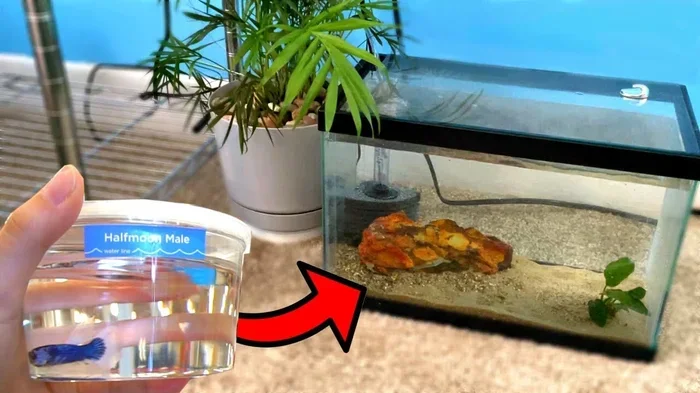
A 5-gallon tank works well for quarantining a single betta. It is large enough for the fish to swim comfortably but small enough to keep the environment stable and easy to monitor. You will need a few basic items:
- A 5-gallon tank with a lid to prevent jumping.
- A small sponge filter or gentle air stone for water circulation.
- A thermometer to monitor water temperature.
- A simple heater to maintain 78 to 80 degrees Fahrenheit.
- A light source, but keep it dim to reduce stress.
Avoid using gravel in your quarantine tank. It is harder to clean and can harbor bacteria. A bare-bottom tank is much easier to keep sanitary during the quarantine period.
Water Parameters and Preparation
Stable water parameters are crucial. Before adding your new betta, make sure your quarantine tank water is properly conditioned. Test for ammonia, nitrite, and nitrate levels. All should be at safe levels before the fish enters the tank.
If you are unsure about water preparation, check out our guide on how to prepare water for a betta fish. Proper water quality reduces stress and helps prevent disease outbreaks during quarantine.
Keep the water temperature between 78 and 80 degrees Fahrenheit. Bettas are tropical fish and need warm water to stay healthy. Use a reliable heater and check the temperature daily.
Decor and Hiding Spots
Add a few simple decorations to make your betta feel secure. A few silk plants or a small cave provide hiding spots. Avoid sharp decorations that could tear your betta’s delicate fins. Keep the setup minimal so you can clean the tank easily and watch your fish clearly.
What to Watch for During the Quarantine Period
The quarantine period is all about observation. Every day, spend a few minutes watching your betta closely. Look for any changes in behavior, appearance, or eating habits. Early detection of problems makes treatment much easier and more effective.
Common Signs of Illness
Here are the most common symptoms to watch for during how long to quarantine a new betta fish:
- White spots on the body or fins: This is a classic sign of ich, a common parasitic infection.
- Clamped fins: When a betta holds its fins close to its body, it often signals stress or illness.
- Loss of appetite: A healthy betta should eat eagerly. Refusing food for more than a day is a red flag.
- Frayed or torn fins: Fin rot or physical damage needs attention quickly.
- Lethargy or unusual swimming: If your betta stays at the bottom or struggles to swim, something may be wrong.
- Redness or swelling: Inflamed areas on the body can indicate bacterial or fungal infection.
If you notice any of these symptoms, act fast. Isolate and treat your betta in the quarantine tank before the problem spreads. The whole point of quarantine is to catch these issues early and deal with them in a controlled environment.
Monitoring Water Quality
Besides watching your fish, keep an eye on the water. Test ammonia and nitrite levels at least twice a week. A spike in either parameter can cause serious health problems. Regular water changes of about 25 percent every few days help maintain clean, safe water.
Clean water also supports your betta’s immune system. A strong immune system is your fish’s best defense against disease. If you need tips on maintaining water quality, our article on how to take care of betta fish water has helpful advice.
Common Mistakes to Avoid When Quarantining
Quarantining a new betta is not complicated, but mistakes happen. Here are the most common errors fish owners make and how to avoid them.
Skipping Quarantine Entirely
The biggest mistake is not quarantining at all. Some fish owners feel their new betta looks healthy and decide to skip the process. But as we discussed, diseases can be invisible. Skipping quarantine puts every fish in your tank at risk. Always quarantine, no matter how healthy your new fish appears.
Using the Main Tank as a Quarantine Setup
Never use your main display tank as a quarantine space. If your new betta carries a disease, you will expose all your other fish immediately. Always use a separate, dedicated quarantine tank. This keeps your main aquarium safe and makes treatment easier if needed.
Not Watching Long Enough
Another mistake is ending quarantine too early. Two weeks is the minimum, but some diseases take longer to show. If you release your betta into the main tank after just a few days and it gets sick a week later, you have put all your other fish at risk. Be patient and complete the full quarantine period.
Overcrowding the Quarantine Tank
Your quarantine tank should house only one fish at a time. Overcrowding increases stress and the chance of disease spreading. If you need to quarantine multiple fish, set up separate tanks or do it one at a time.
When It Is Safe to Introduce Your Betta to the Main Tank
After completing the quarantine period, you are ready to introduce your betta to the main tank. But do not rush this step either. A proper introduction reduces stress and helps your betta adjust smoothly.
First, make sure your betta has been completely healthy throughout the entire quarantine period. No symptoms, good appetite, and normal behavior are all green lights. If you treated your betta for any condition, make sure the full treatment cycle is complete and the fish has had time to recover.
Next, acclimate your betta to the main tank water conditions. This process, called transferring your betta to a new tank, involves gradually mixing the main tank water with the quarantine tank water. This helps your betta adjust to the new temperature, pH, and hardness without shock.
When you are ready, release your betta into the main tank during a calm time. Turn off the tank lights for a few hours to give your fish time to explore without feeling exposed. Watch all your fish closely for the next 24 to 48 hours for any signs of aggression or stress.
If you have other bettas or aggressive fish, consider using a tank divider initially. This lets your new betta get used to the main tank environment while staying safely separated from tankmates.
Quick Tips for a Successful Quarantine
- Always quarantine new fish for at least 2 weeks, even if they look healthy.
- Set up your quarantine tank before you bring your new betta home.
- Keep the quarantine tank in a quiet, low-stress area of your home.
- Feed high-quality food and avoid overfeeding during quarantine.
- Test water parameters regularly and perform small water changes as needed.
- Wash your hands and clean equipment between tanks to prevent cross-contamination.
- When in doubt, extend the quarantine period rather than cutting it short.
Conclusion
How long to quarantine a new betta fish is a question with a clear answer: at least 2 to 4 weeks. This simple practice can save you from heartbreak and costly treatments down the road. Quarantine protects your existing fish, gives your new betta time to adjust, and helps you catch diseases early when they are easiest to treat.
Set up a proper quarantine tank, watch your fish closely, and be patient. Do not skip this step, no matter how healthy your new betta looks. A little extra time and effort now will keep your aquarium healthy and thriving for months to come.
Your new betta deserves a safe and smooth transition into its new home. And your other fish deserve protection from hidden diseases. Quarantine is the best gift you can give to both. Start your quarantine routine today and enjoy the peace of mind that comes with knowing your aquarium is safe and healthy.
Frequently Asked Questions
Can I shorten the quarantine period if my betta looks healthy?
It is not recommended. Even healthy-looking bettas can carry hidden diseases. The 2 to 4 week quarantine period exists because many fish illnesses take time to show symptoms. Cutting the period short risks introducing disease to your main tank.
What should I feed my betta during quarantine?
Feed a simple, high-quality diet during quarantine. Bettas do well with a mix of pellets and frozen or live foods like brine shrimp. Avoid overfeeding and remove any uneaten food within a few minutes to keep the water clean.
Do I need a heater in the quarantine tank?
Yes, absolutely. Bettas are tropical fish and need warm water between 78 and 80 degrees Fahrenheit. A small, adjustable heater is essential for maintaining stable temperatures in your quarantine setup.
Can I use the quarantine tank for other fish later?
Yes, but make sure to fully clean and disinfect the tank between uses. A quarantine tank should be dedicated to isolating and observing fish, so thorough cleaning prevents any lingering pathogens from affecting future residents.
How do I know if my betta is ready to join the main tank after quarantine?
Your betta is ready if it has shown no symptoms of illness throughout the entire quarantine period, eats well, swims normally, and has good color. If all these signs are present and the full 2 to 4 weeks have passed, your betta is likely safe to introduce.
What if my betta gets sick during quarantine?
If your betta shows signs of illness during quarantine, treat it immediately in the quarantine tank. This is exactly why quarantine exists. Treating in isolation keeps your main tank safe. For treatment options, check out our guide on treating ich on a betta fish and other common conditions.