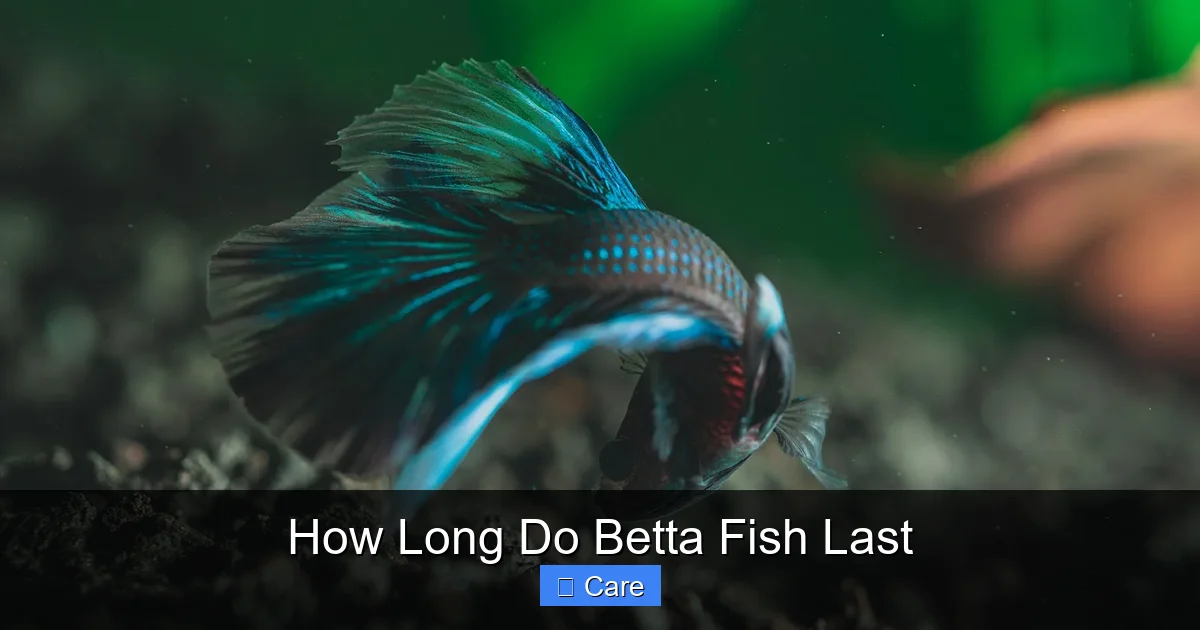
How Long Do Betta Fish Last
Contrary to popular belief, betta fish don’t just live for a year or two. With proper, committed care, these vibrant swimmers commonly live 3 to 5 years, with many reaching 6 or 7. Their lifespan is almost entirely dictated by husbandry—tank size, water quality, diet, and genetics. The tragic reality is that most bettas die prematurely due to being kept in tiny, unheated bowls with poor water. By understanding and meeting their true needs, you can dramatically extend your betta’s life and witness its full, colorful personality.
Key Takeaways
- Average Lifespan: A well-cared-for betta fish typically lives 3-5 years, with 5+ years being achievable and 6-7 years possible with exceptional genetics and care.
- Care Dictates Everything: The single biggest factor is husbandry. A betta in a filtered, heated 5+ gallon tank with clean water will far outlive one in a cold, unmaintained 1-gallon bowl.
- The “Bowl Myth” is Deadly: The persistent idea that bettas can thrive in small, unheated containers is the primary reason for their short, stressed lives. They are tropical fish requiring stable warmth and space.
- Water Quality is Non-Negotiable: Regular partial water changes, a cycled filter, and pristine water parameters (ammonia/nitrite = 0) are the #1 defense against disease and early death.
- Diet is More Than Pellets: A varied diet of high-quality pellets, frozen or live foods (daphnia, brine shrimp), and occasional fasting prevents constipation and boosts immunity.
- Watch for Subtle Signs: Early signs of illness or aging (clamped fins, lethargy, faded color) are critical warnings. Prompt action with improved water quality and treatment can save a life.
- It’s a Commitment: Adopting a betta means committing to weekly maintenance, stable temperatures, and environmental enrichment for a potential 5+ year companion.
📑 Table of Contents
- Myth vs. Reality: Unpacking the “One-Year Pet” Stigma
- The Biology of Betta Lifespan: What’s Normal?
- Tank Setup & Water Quality: The Foundation of a Long Life
- Nutrition & Feeding: Fueling a Long, Active Life
- Health & Disease Prevention: Proactive Care for Longevity
- The Senior Betta: Caring for Your Elderly Fish
- Conclusion: Your Betta’s Lifespan is in Your Hands
Myth vs. Reality: Unpacking the “One-Year Pet” Stigma
Walk into any big-box pet store, and you’ll see them: tiny, colorful betta fish (also called Siamese fighting fish) suspended in tiny cups or bowls. The implication, and often the misinformation from staff, is that these are disposable pets with a lifespan of just a year or two. This cruel myth has become a self-fulfilling prophecy. Because they are so often subjected to horrific conditions from the moment they leave the breeder, many do indeed perish within months. But this is not their natural fate. In reality, the betta fish lifespan is remarkably similar to that of many common pet fish, like guppies or mollies, when given proper care. The stark difference in outcome is a direct reflection of the environment we provide. This article will shatter the bowl myth and give you the definitive, science-backed answer to “how long do betta fish last,” along with the actionable blueprint to help your betta not just survive, but thrive for years.
The Origin of the Misconception
Why do so many people believe bettas are short-lived? The blame lies in a perfect storm of marketing and biology. Bettas are native to the shallow, warm rice paddies and slow-moving streams of Thailand. They possess a unique labyrinth organ, allowing them to breathe atmospheric air. This adaptation for survival in oxygen-poor, stagnant water has been twisted into a justification for keeping them in tiny, dirty containers. Retailers leverage this to sell them as “low-maintenance” desk ornaments. A betta can *survive* in poor conditions for a while, but it will not *thrive*. Chronic stress from cold water, high toxins, and lack of space suppresses its immune system, leading to a slow decline and premature death. When owners repeat this cycle, they reinforce the false belief that bettas are inherently fragile. The truth is the opposite: a robust betta in a proper setup is a resilient and hardy fish.
The Biology of Betta Lifespan: What’s Normal?
So, what is a realistic betta fish lifespan? The answer has a range, heavily influenced by care. In the wild, bettas likely live 2-3 years on average, facing predators and environmental fluctuations. In captivity, with optimal conditions, they can live significantly longer.

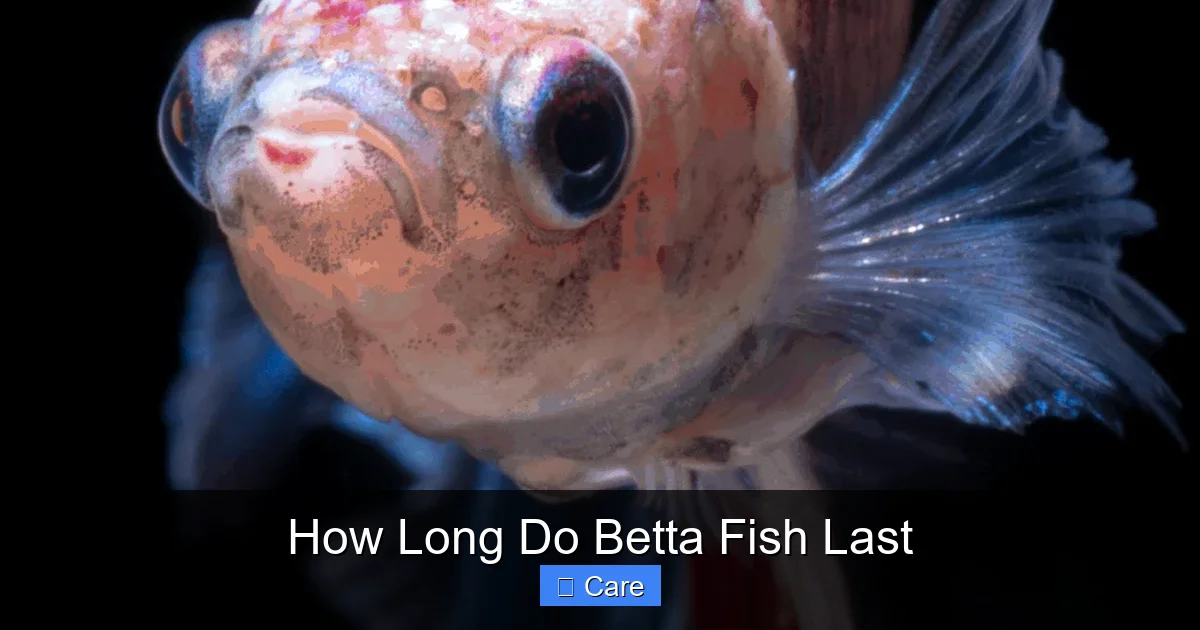
Visual guide about How Long Do Betta Fish Last
Image source: i0.wp.com
The 3-5 Year Benchmark
For the average dedicated hobbyist who provides a filtered, heated tank of at least 5 gallons, performs regular water changes, and feeds a quality diet, a 3 to 5-year lifespan is the standard expectation. Many bettas will sail right past the 5-year mark. Reaching 6 or 7 years is not unheard of and is a testament to exceptional care and good genetics. There are anecdotal reports of bettas living into their early 10s, but these are extraordinary outliers. The key metric is quality of life. A betta that is active, displays vibrant colors, flares happily, and eats well in its later years is living a good life, regardless of the exact number.
Genetics and the “Lottery”
You cannot control your betta’s genetic lottery. Fish from reputable breeders who prioritize health and hardiness over extreme finnage or color have a better foundation. Mass-produced “big box” bettas often come from crowded, stressful farms where disease is rampant and selection is for looks, not vitality. Your betta may have a predisposition to certain issues like swim bladder disorder or tumors. This doesn’t mean they will develop them, but it means you must be extra vigilant with their environment to prevent stressors that could trigger these conditions. Your betta’s potential lifespan is a combination of its genetic ceiling and the environmental floor you provide for it.
Tank Setup & Water Quality: The Foundation of a Long Life
This is the most critical section. If you take only one thing from this article, let it be this: tank size, heating, and filtration are not optional. They are the pillars of a long betta life.
Visual guide about How Long Do Betta Fish Last
Image source: tankarium.com
Tank Size: Why “At Least 5 Gallons” is the Golden Rule
The “bowl” is the enemy. A single betta requires a minimum of a 5-gallon (19-liter) tank. Why is this the consensus among veterinarians and experienced aquarists? First, volume equals stability. A larger body of water dilutes toxins (ammonia, nitrite) from fish waste, meaning water parameters swing less dramatically between changes. This reduces toxic stress on the fish. Second, it provides essential swimming space. Bettas are curious, intelligent fish that explore. A 1-gallon bowl offers no environmental enrichment; a 5+ gallon tank does. Third, it allows for the inclusion of a heater and a gentle filter without creating a turbulent environment that damages their long, delicate fins. A 10-gallon tank is even better, providing more room for peaceful tank mates (like snails or certain shrimp) and a more complex, enriching landscape.
The Unseen Heater: Why Temperature is Life or Death
Bettas are tropical fish. Their ideal temperature range is 78-80°F (25.5-26.5°C). Anything below 76°F (24°C) causes metabolic slowdown, lethargy, and a severely compromised immune system. A cold betta is a sick betta waiting to happen. A common misconception is that room temperature is enough. In most climates, it is not. You must use an aquarium heater with a thermostat. For a 5-gallon tank, a 25-watt adjustable heater is sufficient. Use a separate thermometer (a cheap stick-on liquid crystal one works) to verify the heater’s accuracy. Temperature stability is as important as the correct temperature; avoid placing the tank near windows or vents.
Filtration: Not a Luxury, a Necessity
All tanks need biological filtration. Beneficial bacteria colonies convert toxic fish waste (ammonia) into less harmful nitrates. This “cycle” must be established before adding a betta (a process taking 4-6 weeks). For a betta, the filter’s flow must be adjustable to very low. Strong currents exhaust them and tear their fins. Sponge filters (air-driven) are ideal: they provide excellent biological filtration, create a gentle current, and offer a fun grazing surface for the betta. Hang-on-back (HOB) or internal power filters can work if their flow is baffled with a sponge or by adjusting the nozzle. Never run a tank without a cycled filter. “Frequent water changes alone” cannot replicate the constant, 24/7 biological processing of a filter.
The Water Change Ritual
Even with a filter, you must perform regular partial water changes. In a 5-gallon tank, change 25-30% of the water weekly. This dilutes nitrates, removes any traces of ammonia/nitrite, and cleans uneaten food and debris. Use a gravel vacuum to siphon waste from the substrate. Always treat tap water with a dechlorinator that also detoxifies chloramine. Match the temperature of the new water to the tank water as closely as possible to avoid thermal shock. This simple, weekly 20-minute ritual is the single most effective thing you can do to ensure water quality and a long life.
Nutrition & Feeding: Fueling a Long, Active Life
You are what you eat, and this is profoundly true for bettas. Their diet in the wild is primarily insects and insect larvae. Replicating this high-protein, varied diet in captivity is key.
Visual guide about How Long Do Betta Fish Last
Image source: fishkeepertank.com
Beyond the Pellet: Building a Diverse Menu
High-quality betta pellets should be the staple, forming 80% of the diet. Look for pellets with whole fish or shrimp as the first ingredient, not fillers like wheat or soy. But pellets alone are boring and nutritionally incomplete. Supplement 2-3 times a week with frozen or live foods. The gold standards are:
- Brine Shrimp: Excellent for conditioning, easy to digest.
- Daphnia: A natural laxative, fantastic for preventing constipation (a common betta killer).
- Bloodworms: A treat, not a staple. High in fat, feed sparingly.
If using frozen foods, thaw a small cube in a spoonful of tank water and feed only what the betta consumes in 2-3 minutes. Rinse brine shrimp and daphnia to remove excess liquid before feeding.
The Perils of Overfeeding (and Under-Feeding)
Overfeeding is the #1 cause of constipation, swim bladder disorder, and fouled water. A betta’s stomach is roughly the size of its eye. Feed only 2-3 pellets (or a pinch of frozen food) once or twice a day. It is better to underfeed than overfeed. A healthy betta will have a slightly rounded belly after eating, which should normalize within a few hours. Fasting one day a week is highly beneficial for digestive health. Underfeeding, while less common, leads to emaciation and a weakened immune system. Watch your fish’s body condition. You should be able to see a subtle, smooth curve from the head to the tail, not a sharp spine or a bloated abdomen.
Health & Disease Prevention: Proactive Care for Longevity
Prevention is infinitely better than cure. A long-lived betta is one that never gets sick. The primary prevention tool is, you guessed it, pristine water quality. Most betta diseases (fin rot, ich, velvet) are opportunistic, striking fish whose immune systems are weakened by stress from poor water.
Recognizing the Early Warning Signs
You must become a student of your betta’s normal behavior. Daily observation is your best diagnostic tool. Red flags include:
- Lethargy: Hiding at the bottom, not coming to the surface for air (bettas must gulp air), lack of interest in food.
- Clamped Fins: Fins held tightly against the body is a classic sign of stress or illness.
- Faded or Darkening Color: While color can change with mood, a sudden, overall dullness or darkening (often to gray or brown) can indicate illness.
- Scratching/Rubbing: Rubbing against decorations (flashing) indicates itchiness, often from parasites like ich or velvet.
- Physical Abnormalities: Raised scales (dropsy), frayed or torn fins (fin rot), white spots (ich), gold dust (velvet), or a cotton-like growth (fungus).
The First Response: The 24-Hour Water Change Protocol
At the first sign of illness, your immediate action should be a 50% water change with perfectly temperature-matched, dechlorinated water. Why? This instantly removes a massive load of pathogens and toxins, reduces stress by improving water quality, and gives the fish’s immune system a fighting chance. Often, especially for minor issues like mild fin rot or early ich, this single step, repeated for 2-3 days in a row, is all that’s needed. Only after this should you consider medication. Always quarantine a sick fish in a separate “hospital tank” if using strong medications to protect the main tank’s beneficial bacteria and any other inhabitants.
The Senior Betta: Caring for Your Elderly Fish
If you’ve followed all this advice, you will hopefully have a betta entering its senior years (age 4+). Their needs will subtly shift.
Physical Changes to Expect
Your betta may become less active, preferring to rest on broad leaves or the tank bottom more often. This is normal aging, not necessarily illness. Its colors may slightly fade. Fins may become a bit more ragged from simple wear and tear over the years. You might notice a slight curvature of the spine or a less streamlined body. Monitor these changes closely to distinguish normal senescence from disease.
Adjusting the Environment
Make life easier for your senior. Ensure there is always a resting place near the surface (a betta leaf hammock is perfect) so it doesn’t have to struggle to gulp air. Reduce water flow to an absolute minimum. Consider lowering the water level slightly (to 4-5 inches deep) in a section of the tank to make surface access effortless. Continue rigorous water changes, as an older fish’s system is less efficient at handling toxins.
Dietary Adjustments
Senior bettas can be more prone to constipation. Soak pellets in water for a few minutes before feeding to make them easier to digest. Continue offering easily digestible frozen daphnia regularly. You may need to feed slightly less, as metabolism slows. Watch for any difficulty in eating; you may need to offer pre-soaked or crushed food.
Conclusion: Your Betta’s Lifespan is in Your Hands
The question “how long do betta fish last” has a clear, empowering answer: as long as you are willing to provide proper care. The range is 3-5+ years. The myth of the disposable, year-long betta is a tragedy of our own making. These are intelligent, personality-filled fish deserving of a proper aquatic home. By committing to a filtered, heated tank of at least 5 gallons, performing diligent weekly water changes, feeding a high-quality varied diet, and observing your fish daily, you are not just extending its lifespan—you are ensuring the quality of every moment of it. You will be rewarded with a vibrant, interactive companion that flares at your reflection, follows your finger, and becomes a cherished member of your family for half a decade or more. The choice, and the power, is yours. Choose to be the reason your betta thrives.
Frequently Asked Questions
Can betta fish really live in a small bowl or vase?
No. While a betta can *survive* for a time in a small, unheated bowl, it will not *thrive*. Such conditions cause chronic stress, suppress the immune system, and lead to a severely shortened, poor-quality life. A minimum 5-gallon filtered and heated tank is the absolute standard for health and longevity.
What are the absolute tell-tale signs my betta is dying of old age or illness?
Key signs include extreme lethargy (not moving for hours, sinking and unable to swim up), loss of all appetite for several days, clamped fins that won’t open, severe and rapid color fading, visible physical decay like dropsy (pinecone scales), or gasping frantically at the surface. If you see these, immediate action with a large water change and vet consideration is needed.
How often should I do water changes to maximize my betta’s lifespan?
In a properly cycled 5-gallon tank with a filter, perform a 25-30% partial water change weekly. Use a gravel vacuum to remove solid waste from the substrate. Always treat new water with a dechlorinator. This consistent routine is the single most important maintenance task for long-term health.
Can I keep a betta with other fish to enrich its life and possibly extend its lifespan?
Yes, but with extreme caution. Bettas are territorial, especially males. Suitable, peaceful tank mates in a 10+ gallon tank can provide enrichment. Ideal candidates include small, fast-moving schooling fish like ember tetras or harlequin rasboras, or invertebrates like mystery snails or ghost shrimp. Never house a male betta with other fish that have long, flowing fins (like guppies) which it will perceive as rival males. Always have a backup plan and a separate tank.
Is the heater really necessary if my room is warm?
Almost certainly, yes. Room temperature fluctuates (colder at night, warmer in sun) and is often below the required 78-80°F. A drop of even a few degrees can be a major stressor. An aquarium heater with a thermostat provides stable, consistent warmth that is critical for a betta’s metabolism and immune function.
My betta is very old and seems tired. Should I consider euthanasia?
3
This is a difficult but important question. If your senior betta is still eating, swimming (even slowly), and showing interest, continue with gentle care. Euthanasia should be considered if the fish is suffering: it cannot eat, is in constant distress (gasping, unable to rest), has an incurable painful condition, or has lost all quality of life. A humane method like the clove oil method or consulting an aquatic vet is recommended. It is a final act of compassion to prevent prolonged suffering.