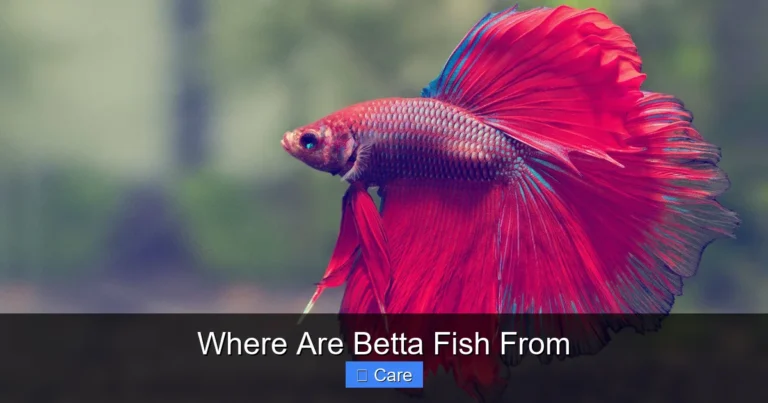
Will Betta Fish Fins Grow Back
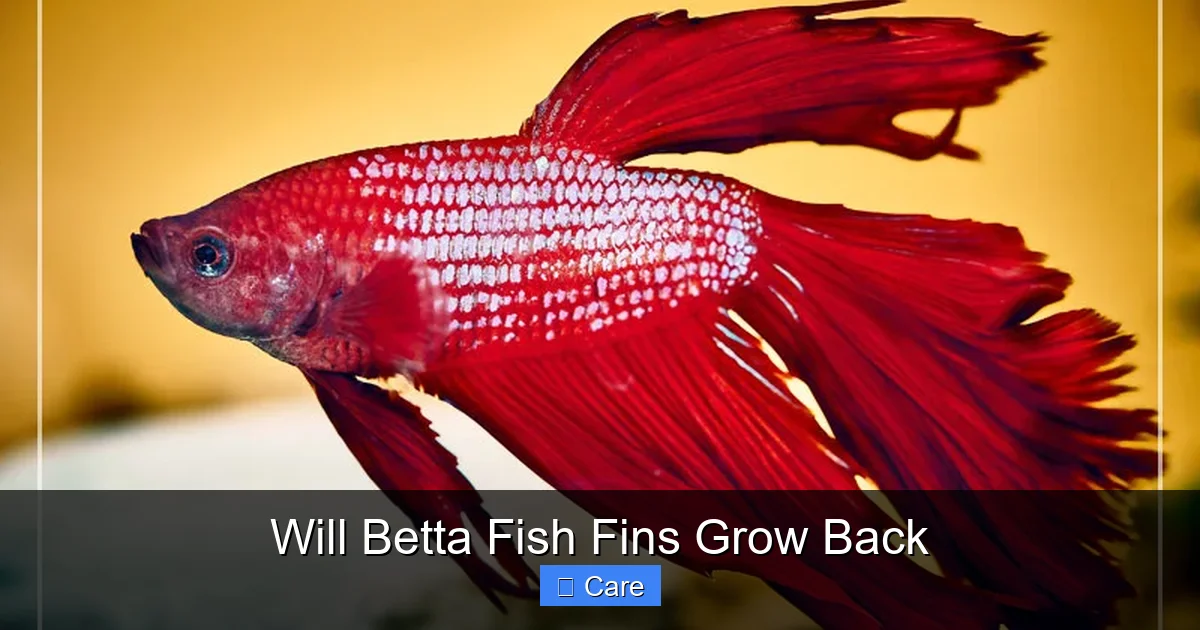
Betta fins can often regrow if the damage is minor and the fish receives proper care. Key factors include water quality, nutrition, and stress reduction, which together create the optimal environment for fin regeneration.
Key Takeaways
- Fin regrowth is possible: Most torn or clipped betta fins will grow back given the right conditions.
- Water quality matters: Clean, stable water speeds healing and reduces infection risk.
- Nutrition fuels repair: High‑protein, vitamin‑rich foods provide the building blocks for new fin tissue.
- Stress slows healing: A calm environment, proper tank mates, and minimal handling help fins regenerate faster.
- Severity determines outcome: Small nicks often fully regrow; large tears or loss of the entire fin may only partially recover.
- Prevent future damage: Use soft décor, avoid aggressive tank mates, and handle bettas gently.
- Monitor for infection: Early signs like white spots or slime coat loss require prompt treatment.
📑 Table of Contents
- Introduction: Why Betta Fin Health Is So Important
- 1. How Betta Fins Are Built
- 2. Factors That Influence Fin Regrowth
- 3. The Healing Timeline: What to Expect
- 4. Step‑by‑Step Guide to Help Your Betta’s Fins Grow Back
- 5. Common Mistakes That Hinder Fin Regeneration
- 6. When to Seek Professional Help
- Conclusion: Helping Your Betta Bounce Back
Introduction: Why Betta Fin Health Is So Important
Betta fish, also called Siamese fighting fish, are famous for their dazzling, flowing fins. Those fins aren’t just for show—they’re a sign of health, confidence, and overall well‑being. When a betta’s fin gets torn, clipped, or nibbled, owners often wonder: will betta fish fins grow back? The short answer is yes, but the answer comes with a few important “how” and “when” details.
In this article we’ll walk through everything you need to know about fin regeneration. From the biology of betta fins to practical steps you can take today, you’ll finish reading with a clear plan to help your fish heal and look its best again.
1. How Betta Fins Are Built
The anatomy of a betta fin
Betta fins are made of thin, flexible rays called fin rays (or lepidotrichia) that are covered by a delicate membrane. The membrane contains blood vessels, nerves, and pigment cells that give each fin its vivid color. Underneath the membrane lies a thin layer of skin that produces mucus—a natural antibacterial shield.
Visual guide about Will Betta Fish Fins Grow Back
Image source: smartaquariumguide.com
What happens when a fin is damaged?
When a fin is torn, the fin rays may break, and the skin can split. Small cuts often seal quickly, while larger tears expose more tissue and increase infection risk. The fish’s body immediately starts a repair process: blood clotting, inflammation, and then new cell growth. This regeneration is similar to how a human’s skin heals, but it happens faster in fish because they live in water and have a higher metabolic rate.
2. Factors That Influence Fin Regrowth
Water quality
Clean water is the single most important factor. Ammonia spikes, high nitrite, or fluctuating pH can stress a betta and slow healing. Aim for:
Visual guide about Will Betta Fish Fins Grow Back
Image source: smartaquariumguide.com
- Ammonia < 0 ppm
- Nitrite < 0.25 ppm
- pH 6.5–7.5 (stable)
- Temperature 78–80 °F (25.5–26.5 °C)
Regular water changes (25 % weekly) and a reliable filter keep these parameters steady.
Nutrition
Fin tissue is mostly protein, so a diet rich in high‑quality protein and essential vitamins (especially B‑complex and vitamin C) speeds regrowth. Offer a mix of:
- Live or frozen brine shrimp
- Daphnia
- High‑protein betta pellets (≥40 % protein)
- Occasional bloodworms for added iron
Consider a vitamin supplement once a week during the healing phase.
Stress levels
Stress releases cortisol, which suppresses the immune system. Loud noises, sudden temperature changes, aggressive tank mates, or over‑handling can all delay fin repair. Keep the tank in a quiet area, use a lid to reduce surface disturbance, and limit direct interaction with the fish while it’s healing.
3. The Healing Timeline: What to Expect
Day 1–3: Immediate response
The fin will appear frayed, and a faint white line may form where the cut occurred. This is the clotting stage. Keep an eye out for any signs of infection such as excess slime, redness, or a foul odor.
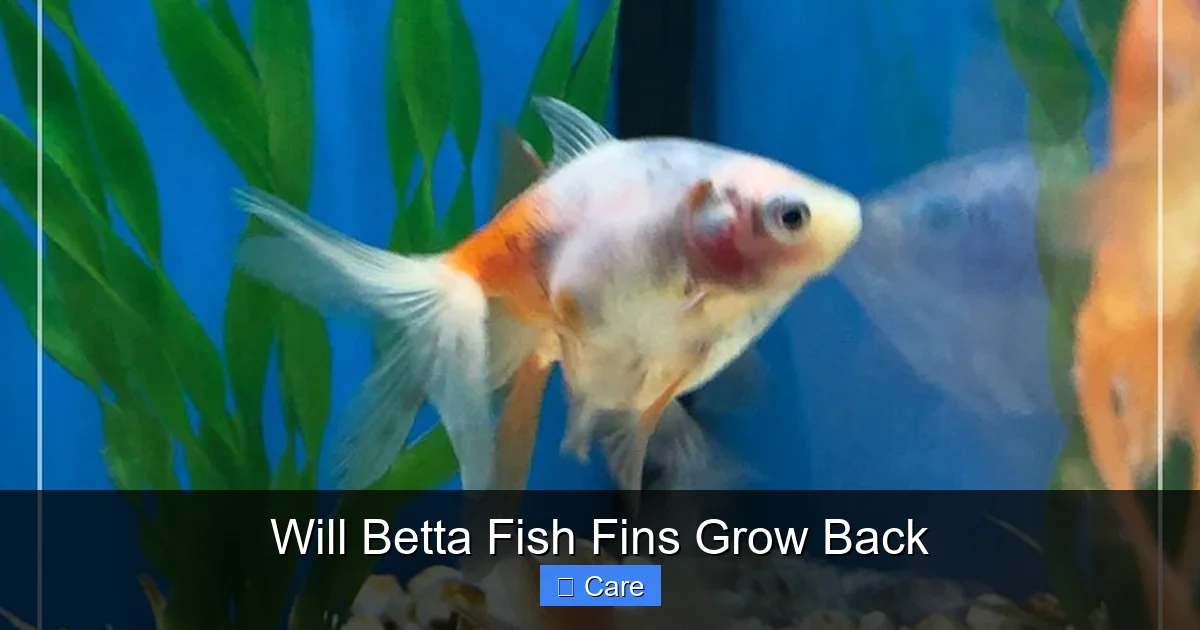
Visual guide about Will Betta Fish Fins Grow Back
Image source: smartaquariumguide.com
Day 4–7: Early regrowth
New tissue starts to fill the gap. You may notice a faint pinkish hue as blood flow increases. The fin may look uneven but is actively repairing.
Week 2–4: Visible growth
Most small nicks will have grown back 50–70 % by the end of week two. The fin edges become smoother, and color returns. Continue optimal water conditions and feeding.
Month 1–2: Full recovery (if damage was minor)
For minor tears, the fin often looks as good as new after 4–6 weeks. Larger tears may still have a slightly ragged edge, but the majority of the fin will have regenerated.
When regrowth stalls
If after six weeks there is no noticeable improvement, re‑evaluate water quality, check for hidden infections, and consider a gentle antifungal or antibacterial treatment prescribed by a vet.
4. Step‑by‑Step Guide to Help Your Betta’s Fins Grow Back
Step 1: Assess the damage
Gently observe the fin under a light. Small nicks (<5 mm) usually heal on their own. Larger tears (>1 cm) or missing whole fin sections may need extra care.
Step 2: Quarantine if needed
If you have multiple fish, move the injured betta to a separate hospital tank (2‑3 gallon) to prevent aggression and reduce stress.
Step 3: Optimize water parameters
Test the tank daily. Perform a 30 % water change if ammonia or nitrite is detected. Use a water conditioner that neutralizes chlorine and chloramines.
Step 4: Boost nutrition
Feed high‑protein foods 2–3 times a day for the first week, then return to a normal schedule. Add a vitamin supplement (e.g., a liquid betta vitamin) once a week.
Step 5: Reduce stressors
Cover the tank to limit surface disturbance, keep lights on a 12‑hour cycle, and avoid tapping on the glass. If the betta lives with other fish, consider a solitary setup until the fin improves.
Step 6: Monitor for infection
Look for white spots (ich), fuzzy growth (fungus), or a milky slime coat. If you spot any, treat promptly with a betta‑safe medication such as Maracyn or a mild aquarium salt dip (1 % salt for 5 minutes).
Step 7: Patience and observation
Fin regrowth is a gradual process. Keep a small notebook to record water readings, feeding, and visual changes. This helps you spot patterns and adjust care as needed.
5. Common Mistakes That Hinder Fin Regeneration
Using harsh chemicals
Bleach, alcohol, or strong antibacterial soaps can damage the delicate mucus layer. Stick to aquarium‑safe products only.
Over‑feeding
Excess food pollutes the water, raising ammonia levels and stressing the fish. Feed only what your betta can consume in 2–3 minutes.
Ignoring temperature fluctuations
Sudden drops or spikes can shock the fish. Use a reliable heater and a thermometer; avoid moving the tank near windows or drafts.
Frequent handling
Touching the fin with wet hands can introduce pathogens. If you must handle the fish, use a soft net and limit contact time.
6. When to Seek Professional Help
Most fin injuries heal with proper home care, but there are cases where a veterinarian’s expertise is needed:
- Persistent redness, swelling, or pus despite water changes.
- Fin loss accompanied by lethargy, loss of appetite, or abnormal swimming.
- Repeated fin damage despite a clean tank—possible underlying disease.
Look for a vet who specializes in fish or a reputable aquatic clinic. Early intervention can prevent permanent fin loss and improve your betta’s quality of life.
Conclusion: Helping Your Betta Bounce Back
Will betta fish fins grow back? Yes—most of the time, especially when you provide a clean environment, nutritious food, and a low‑stress setting. Understanding the biology of fin tissue, monitoring water quality, and acting quickly at the first sign of trouble are the keys to successful regeneration. Treat your betta with patience, keep the tank pristine, and you’ll soon see those beautiful fins fluttering again, a sign that your fish is happy and healthy.
Frequently Asked Questions
Can I trim a betta’s fin to help it heal?
Only trim a fin if it’s ragged and poses a risk of further tearing. Use clean, sharp scissors and cut just the damaged edge. This can promote neater regrowth.
How long does it take for a betta’s fin to fully regrow?
Small nicks usually heal in 4–6 weeks. Larger tears may take 2–3 months and may never look exactly like the original.
Is aquarium salt safe for betta fin healing?
Yes, a 1 % salt dip (½ teaspoon of non‑iodized salt per 5 gallon) for 5 minutes can reduce stress and help prevent infection. Rinse the fish with fresh tank water afterward.
Do bettas need a special diet while their fins heal?
Provide high‑protein foods such as brine shrimp, daphnia, and quality betta pellets, and add a vitamin supplement once a week to support tissue growth.
Can poor water quality cause permanent fin loss?
Chronic poor water conditions can lead to infections that damage fins beyond repair. Maintaining stable parameters is essential to prevent permanent loss.
Should I keep my betta alone while its fin is healing?
Isolation in a hospital tank reduces stress and prevents aggression from tank mates, giving the fin the best chance to regrow quickly.