How Much Betta Fish Eat
Determining how much betta fish eat is critical for their health. Bettas require only a tiny amount of food, typically 2-3 pellets or a few brine shrimp per feeding, once or twice daily. Overfeeding is the most common mistake, leading to serious health issues like constipation, swim bladder disorder, and fatal water pollution. Consistency, portion control, and a varied diet of high-quality pellets, frozen, or live foods are essential for a long, thriving life.
Welcome to the definitive guide on one of the most common, yet most misunderstood, aspects of betta fish care: how much betta fish eat. If you’ve ever stared at your vibrant Siamese fighting fish, wondering if that eager darting toward the surface means he’s still hungry, you’re not alone. New and experienced owners alike often fall into the trap of overfeeding, a mistake that quietly sabotages health from the inside out. This isn’t just about preventing a messy tank; it’s about understanding the biology of a creature built for scarcity. We’re going to break down everything, from the microscopic reality of a betta’s stomach to the perfect weekly menu, ensuring your betta lives a long, active, and beautiful life.
Key Takeaways
- Micro Portions Are Mandatory: A betta’s stomach is roughly the size of its eye. Feed an amount equivalent to this tiny size, which is usually 2-3 high-quality pellets or 3-4 frozen brine shrimp per meal.
- Overfeeding Is The #1 Killer: Excess food decays, poisoning the water with ammonia and nitrites. This causes stress, compromises the immune system, and is a direct cause of common betta ailments like dropsy and fin rot.
- Strict Feeding Schedule: Feed adult bettas once daily or every other day. Younger bettas (fry) need 2-3 small meals daily. Consistency prevents digestive issues and helps monitor health.
- Diet Must Be Varied & High-Quality: Base the diet on high-protein betta pellets. Supplement 1-2 times weekly with frozen (bloodworms, daphnia) or live foods (brine shrimp) for enrichment and essential nutrients.
- Fasting Is Beneficial: Skipping one feeding per week (for adults) gives the digestive system a rest, helps clear any minor blockages, and mimics natural feeding patterns where food isn’t always abundant.
- Observe, Don’t Just Dispense: Watch your betta eat. If food sinks to the bottom uneaten, you’ve overfed. A healthy betta will be alert, active, and show a clear appetite at feeding time.
- Water Quality Dictates Health: Proper feeding is useless without clean water. Perform weekly water changes (25-50%) and use a filter. Ammonia from decomposing food is an invisible, immediate threat.
📑 Table of Contents
- The Myth of the Ravenous Betta: Understanding Their Natural Biology
- Decoding the Perfect Portion: From Pellets to Brine Shrimp
- The Feeding Schedule: Frequency, Consistency, and the Power of a Fast
- The Dire Consequences of Overfeeding: More Than Just a Messy Tank
- Building the Ideal Betta Diet: Variety, Quality, and Technique
- Special Considerations: The Picky Eater, the Elderly, and the Sick
- Conclusion: Feeding as an Act of Observation and Care
The Myth of the Ravenous Betta: Understanding Their Natural Biology
To grasp how much betta fish eat, you must first forget everything you know about feeding typical pet fish. Bettas are labyrinth fish, native to the shallow, warm rice paddies and slow-moving streams of Southeast Asia. In this environment, food is not a guaranteed, constant buffet. Their natural diet consists of insects, insect larvae (like mosquito wrigglers), and small crustaceans that land or swim near the surface. This means they are instinctual surface feeders and, more importantly, opportunistic eaters in a feast-or-famine ecosystem.
Stomach Size: The Ultimate Guide
Here is the golden rule, the single most important fact to etch in your memory: a betta fish’s stomach is approximately the size of its eyeball. That’s it. It’s a tiny, pea-sized organ. Visualize that the next time you reach for the food container. Any amount of food that exceeds this microscopic volume is, by definition, too much. This biological fact is non-negotiable and overrides any perceived eagerness your betta displays. Their instinct is to eat whenever food appears, as in the wild, the next meal might be days away. In captivity, with food provided daily, that instinct becomes a health hazard if we indulge it.
Metabolism and Temperature
Another critical factor in determining how much betta fish eat is water temperature. Bettas are tropical fish, and their metabolism is directly tied to it. The optimal temperature range is 78-80°F (25.5-26.5°C). If the water is too cold (below 76°F), their digestion slows dramatically. Feeding them a normal portion in cooler water is a direct path to constipation and swim bladder issues because the food just sits, undigested. Conversely, if the water is too warm (above 82°F), their metabolism speeds up, but this also stresses their system and depletes oxygen faster. Always ensure your heater is maintaining a stable, optimal temperature before worrying about feeding amounts.
Decoding the Perfect Portion: From Pellets to Brine Shrimp
Now that we understand the “why” behind tiny portions, let’s get practical on the “what” and “how much.” The market is flooded with betta foods, but not all are created equal. The key is to choose high-protein, betta-specific foods and then measure with surgical precision.
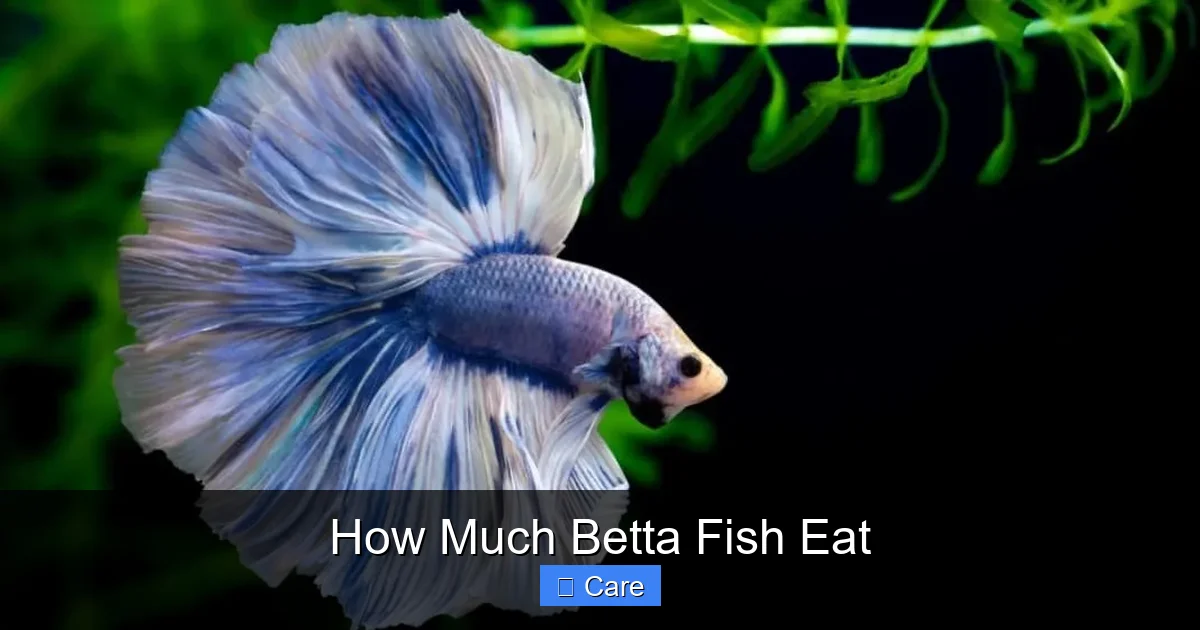
Visual guide about How Much Betta Fish Eat
Image source: memfish.net
Pellets: The Staple of a Healthy Diet
High-quality betta pellets should form the foundation of your betta’s diet, making up about 80-90% of their weekly intake. Why pellets? They are nutritionally balanced, formulated specifically for the carnivorous betta, and are easy to portion. When selecting pellets, look for ones where the first few ingredients are whole fish or seafood (e.g., salmon, shrimp, krill meal), not fillers like wheat or soy.
So, how many pellets is the perfect portion? This varies by brand, as pellet sizes differ. The rule of thumb remains the “eye-sized stomach.” For most standard betta pellets, this equates to 2-3 pellets per feeding for an adult betta. It’s a shockingly small amount to the human eye, but it is biologically correct. If your pellets are particularly large, you may need to break one in half. For smaller “micro” pellets, you might offer 4-5. The goal is a total volume that would not exceed the size of their eye.
Frozen and Live Foods: The Nutritious Treats
While pellets provide consistent nutrition, frozen and live foods are invaluable for providing mental stimulation, boosting protein intake, and offering natural enrichment. Think of these as supplements, not staples. Excellent options include:
- Frozen Bloodworms: A betta favorite, rich in protein. Thaw a small cube, rinse, and offer a tiny pinch (about 3-4 worms).
- Frozen Brine Shrimp: Slightly less rich than bloodworms, excellent for variety. A small pinch of rinsed, thawed shrimp.
- Live Foods: The ultimate enrichment. Culturing your own microworms, vinegar eels, or daphnia is a rewarding project. If purchasing, a small culture of live brine shrimp is ideal. Offer only what your betta can consume in 2-3 minutes.
Because these foods are less dense than pellets, it’s easy to overestimate. A “pinch” should be visible but minuscule. Remember, you are supplementing a base of pellets, not replacing it. A good schedule is to offer a frozen or live food替代品代替 one of the two weekly pellet meals, not in addition to it.
The Feeding Schedule: Frequency, Consistency, and the Power of a Fast
Knowing the portion size is only half the battle. The timing and frequency of those portions are equally crucial in managing how much betta fish eat over the course of a week and a lifetime.
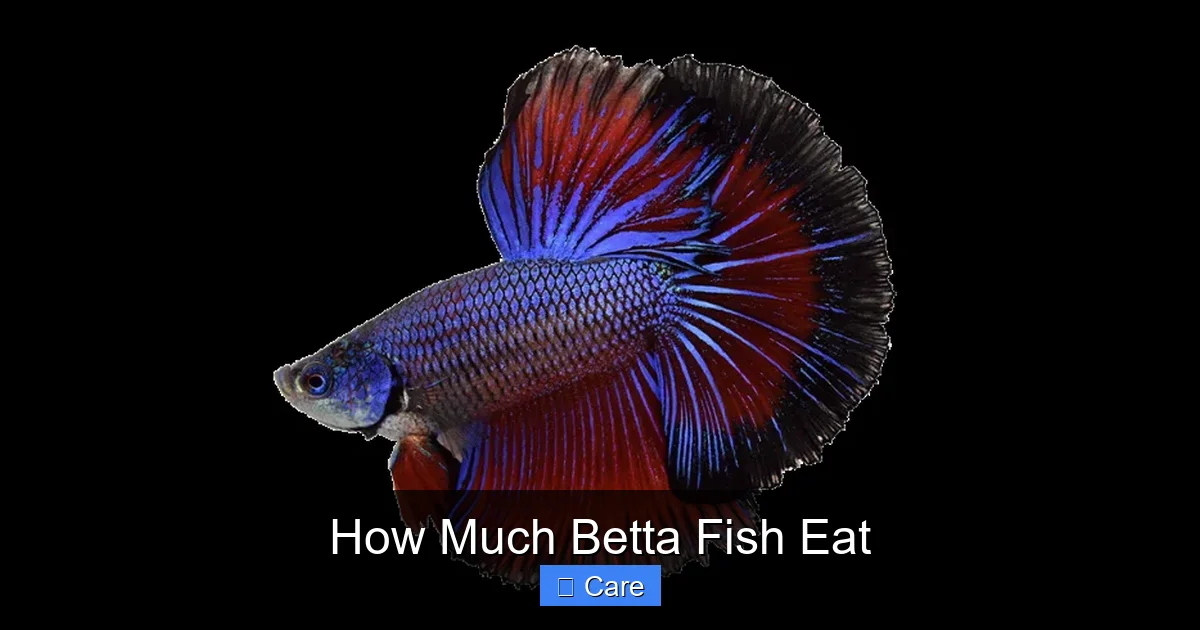
Visual guide about How Much Betta Fish Eat
Image source: hibetta.com
Adult Betta Feeding Protocol
For a healthy adult betta (over 6-8 months old), the consensus among top breeders and veterinarians is to feed once per day or every other day. Yes, you read that correctly. Daily feeding is common practice, but an every-other-day schedule more closely mimics their natural feast-or-famine cycle and provides a consistent digestive rest period. This schedule, combined with the correct microscopic portion, virtually eliminates the risk of chronic constipation and swim bladder disease.
If you choose daily feeding, ensure the single meal is the precise portion described above. Never feed twice a day with full portions. Two small meals a day is an option, but the total daily volume must still not exceed that single eye-sized meal. Splitting it can help with digestion for some individuals, but it requires even more careful measurement.
Fry and Juvenile Betta Needs
Baby bettas, or fry, have different requirements. Their tiny mouths and rapid growth demand more frequent feedings of appropriately sized foods. From the time they become free-swimming (about 3-4 days post-hatch), they need 2-3 small meals per day.
- First 2 weeks: Feed infusoria or commercial fry food.
- Weeks 2-4: Transition to newly hatched brine shrimp nauplii (the tiny first stage).
- 1 month+: Introduce micro-worms and finely crushed betta pellets.
The portion for each meal is still tiny—just enough that the water isn’t clouded with excess food after a few minutes. As they grow, you can gradually reduce to the adult schedule.
The Weekly Fast: A Non-Negotiable Health Practice
Incorporating a 24-hour fast once a week is one of the most powerful, yet underutilized, tools in betta care. This means choosing one day (e.g., Sunday) where you provide no food at all. The benefits are significant:
- Digestive Reset: It allows the entire digestive tract to fully empty, preventing the buildup of waste that can lead to constipation and impaction.
- Mimics Natural Scarcity: It aligns with their evolutionary biology, reducing stress on their system.
- Health Indicator: A betta that acts normal and energetic during a fast is healthy. A betta that becomes lethargic or listless *only* on a fast day may already be suffering from poor water quality or an underlying issue exacerbated by constant digestion.
This fast is for healthy adult bettas only. Do not fast a juvenile, a betta that is already underweight, or one recovering from illness without veterinary advice.
The Dire Consequences of Overfeeding: More Than Just a Messy Tank
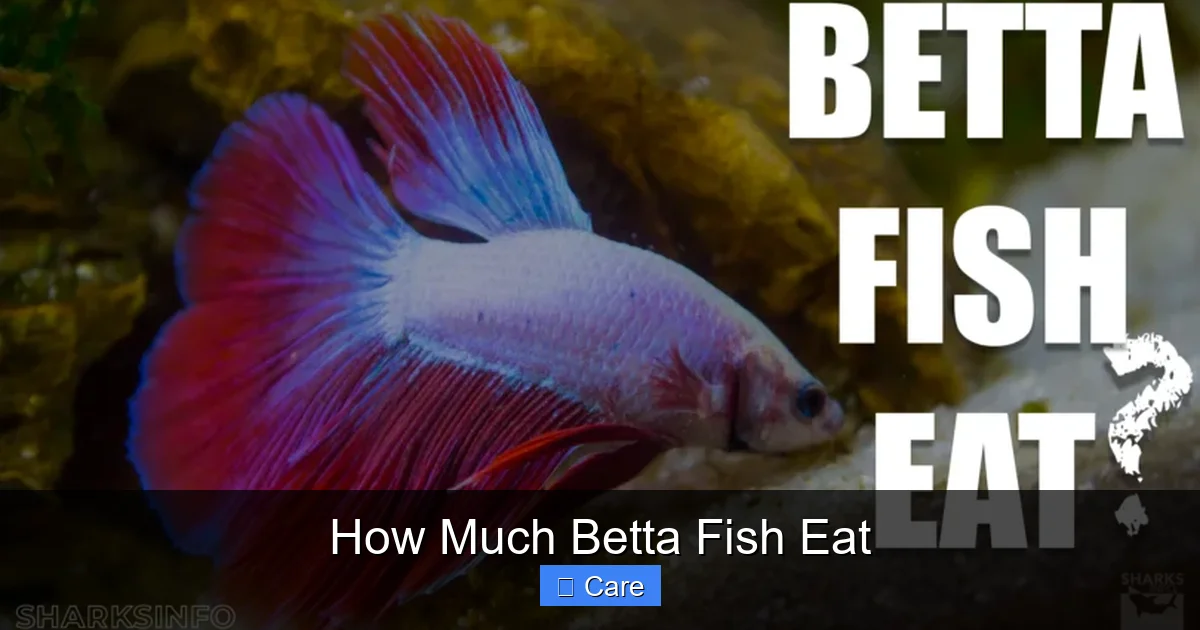
Let’s be unequivocally clear: overfeeding is the single most common cause of preventable betta death and disease. The consequences cascade from the tank to the fish’s internal organs.
Visual guide about How Much Betta Fish Eat
Image source: sharksinfo.com
The Ammonia Bomb in Your Living Room
Any food not eaten by your betta will sink and begin to decompose immediately. This process consumes oxygen and releases toxic ammonia. In a cycled, filtered tank, beneficial bacteria can handle a *tiny* amount of ammonia. But a single overfeeding can unleash an ammonia spike that overwhelms the cycle. Ammonia burns gills and skin, causing immense stress and making the fish susceptible to every pathogen in the tank. You often won’t see the ammonia, but your betta will suffer its effects: gasping at the surface, clamped fins, lethargy. This is the silent, fast-acting killer.
Constipation, Swim Bladder, and Dropsy
Internally, a constant influx of food, especially low-fiber pellets, leads to severe constipation. A clogged digestive tract presses against the swim bladder—the gas-filled organ that controls buoyancy. The result is the classic “swim bladder disorder”: the betta may float uncontrollably, sink and struggle to rise, or swim upside down. This is almost always diet-related in bettas. Chronic constipation can also lead to internal pressure and fluid buildup, a condition known as dropsy (symptom: severe pineconing of scales), which is often fatal.
Water Quality Degradation: The Vicious Cycle
Decaying food feeds more than just ammonia-producing bacteria. It also fuels an explosion of other waste products like nitrites and nitrates, and contributes to algae blooms. Poor water quality is a constant stressor, suppressing the immune system. A stressed betta with a suppressed immune system is a sitting duck for fungal, bacterial, or parasitic infections. You create a cycle: overfeed -> poor water -> stressed fish -> disease -> more stress -> death. Breaking this cycle starts with correct feeding.
Building the Ideal Betta Diet: Variety, Quality, and Technique
A proper diet isn’t just about limiting quantity; it’s about maximizing nutritional quality and providing mental stimulation. A monotonous diet of only pellets, while safe if portioned correctly, is the dietary equivalent of eating only cereal.
The 80/20 Rule for Dietary Balance
Think of your betta’s weekly diet as a pie chart. 80% should be a high-quality, staple betta pellet. This ensures they get a consistent base of essential vitamins, minerals, and proteins. The remaining 20% should be a rotating selection of high-protein treats. This variety provides different amino acid profiles and nutrients, mimicking the diversity of their wild diet. A sample weekly plan:
- Monday: 2-3 pellets
- Tuesday: Fast
- Wednesday: 2-3 pellets
- Thursday: Small pinch of rinsed, frozen bloodworms (replace pellets)
- Friday: 2-3 pellets
- Saturday: Small pinch of rinsed, frozen brine shrimp (replace pellets)
- Sunday: Fast
This schedule provides two fasting days, two treat days, and three staple days. Adjust based on your betta’s specific needs and activity level.
Feeding Technique: The “Watch and Remove” Method
How you feed is as important as what you feed. Follow this ritual:
- Turn off the filter (temporarily) if it’s strong enough to suck food away before the betta can get it.
- Offer the pre-measured portion. Drop pellets directly in front of your betta. For frozen foods, use a pipette or turkey baster to release a tiny amount near the surface.
- Observe for 2-3 minutes. A hungry, healthy betta will actively seek and consume the food.
- Remove all uneaten food immediately. Use a net, siphon, or pipette. Any food that sinks is a pollutant. This step is absolutely critical for water quality.
- Turn the filter back on.
This technique ensures you know exactly how much your betta actually consumed and prevents any mystery food from decaying in the substrate.
Special Considerations: The Picky Eater, the Elderly, and the Sick
While the guidelines above cover the vast majority of bettas, life stages and individual personalities require adjustments.
The “I Won’t Eat!” Betta
Bettas can be notoriously finicky, especially when introduced to a new tank or stressed. If your betta spits out pellets or ignores food:
- Check Water Parameters First: Test for ammonia, nitrite, nitrate, and pH. Poor water is the #1 appetite suppressant.
- Try Different Foods: Some bettas prefer the movement of live or frozen foods. Try a tiny bit of frozen brine shrimp. If they eat that, you can slowly transition by crushing a pellet and mixing it with the shrimp.
- Ensure Food Size: The pellet might be too large for its mouth. Try pre-soaking pellets to soften them, or use a micro-pellet brand.
- Be Patient: A healthy betta can easily go a week without food. Missing one or two meals will not harm it. Persist with offering a tiny, appropriate portion once daily. Never force-feed.
Caring for an Elderly or Ailing Betta
As bettas age (3+ years), their metabolism slows. They may naturally eat less. Continue to offer the eye-sized portion, but if they consistently leave some, it’s fine to slightly reduce the amount. For a betta recovering from illness like fin rot or a bacterial infection:
- Easier Digestion: Soak pellets until they are almost dissolved to make them easier to digest.
- High-Nutrient Supplements: Offer daphnia, which has a mild laxative effect and is packed with nutrients to aid recovery.
- Consult a Vet: For severe issues like chronic swim bladder, a vet may recommend a specialized diet or medication. Food can be a tool for treatment.
The core principle remains: tiny portions, impeccable water quality.
Conclusion: Feeding as an Act of Observation and Care
Mastering how much betta fish eat transforms feeding from a mundane chore into a daily health check. It’s a practice of observation, restraint, and respect for your betta’s biology. Remember the image of the eyeball-sized stomach. Remember that every uneaten pellet is a toxic time bomb in your aquarium. Embrace the power of the weekly fast. By providing microscopic portions of high-quality food on a consistent schedule, you are not just feeding a fish; you are actively safeguarding its swim bladder, its immune system, and the pristine water it calls home. You are building the foundation for your betta to display its brilliant colors, flow its magnificent fins, and live its full, 3-5 year lifespan. The greatest expression of love for your betta is not to give it more food, but to give it precisely the right amount. Start today: measure less, observe more, and watch your betta thrive.
Frequently Asked Questions
How often should I feed my betta fish?
Feed a healthy adult betta once daily or every other day. Fry under 6 months old require 2-3 small feedings per day. Consistency is more important than frequency; a strict schedule prevents digestive issues.
Can I overfeed my betta fish?
Yes, absolutely. Overfeeding is the most common and dangerous mistake. It leads to constipation, swim bladder disorder, fatal ammonia spikes from decaying food, and makes your betta susceptible to diseases like dropsy and fin rot. Always feed less than you think you should.
What is the best food for a betta fish?
The best diet is based on high-quality, betta-specific pellets (with fish or shrimp as the first ingredient) as a staple. Supplement 1-2 times per week with frozen (bloodworms, brine shrimp) or live foods for protein and enrichment. Avoid flake foods and foods with high grain fillers.
How many pellets should I give my betta?
Give only 2-3 standard-sized pellets per meal for an adult betta. The total volume of food should not exceed the size of your betta’s eyeball. If your pellets are large, break one in half. For smaller “micro” pellets, 4-5 may be appropriate.
My betta isn’t eating. What should I do?
First, test your water for ammonia, nitrite, and nitrate—poor water quality is the #1 cause of appetite loss. Ensure the food is small enough and try enticing it with a tiny bit of frozen brine shrimp. A healthy betta can safely fast for up to 7 days. If the refusal persists for more than 3-4 days, investigate water parameters and temperature more closely.
Should I fast my betta fish?
Yes, a weekly 24-hour fast is highly beneficial for adult bettas. It gives the digestive system a rest, helps prevent constipation, and mimics their natural feast-or-famine cycle. Do not fast juveniles, underweight fish, or those recovering from illness without veterinary advice.