Do Betta Fish Live with Other Fish
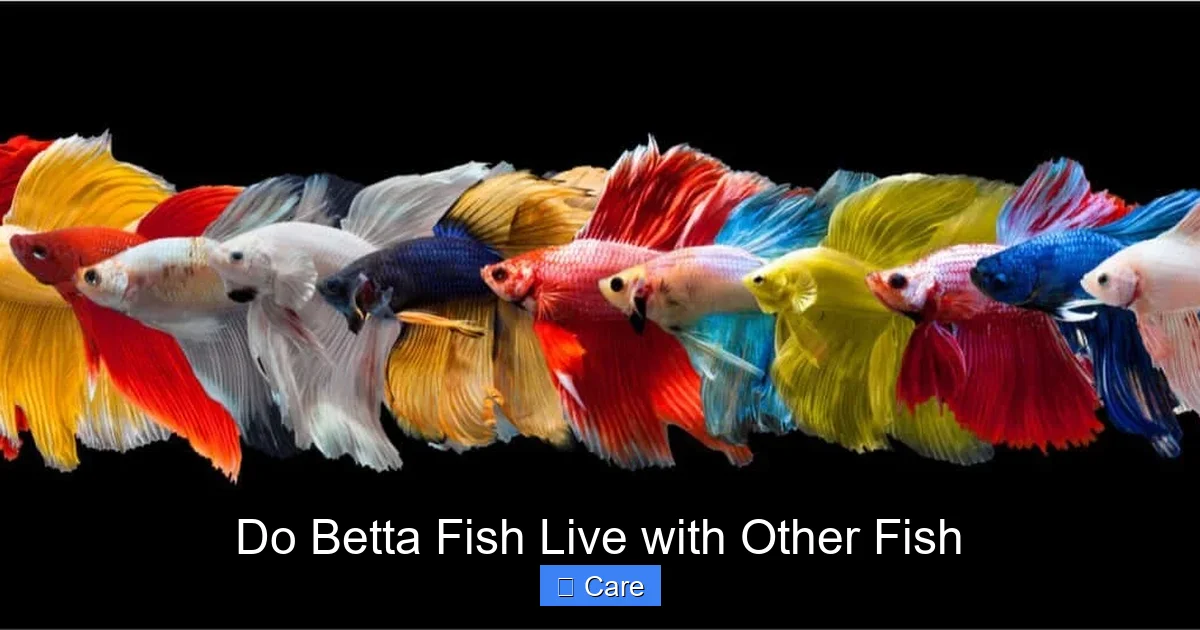
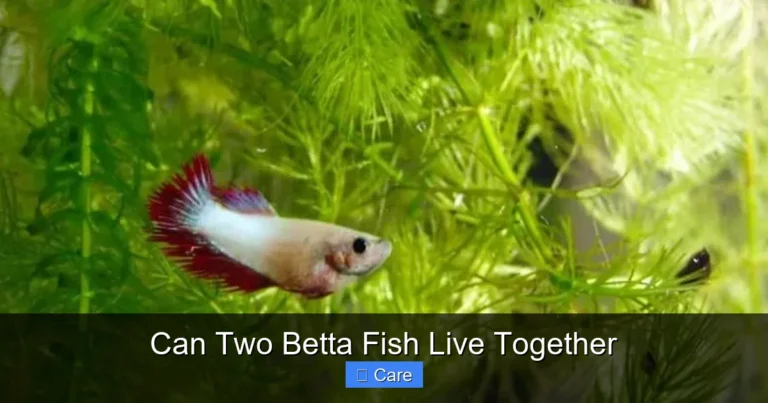
Betta fish can live with other fish, but it requires careful planning. Their famous aggression, especially in males, means not all species are compatible. Success depends on selecting peaceful, non-territorial tank mates, providing a spacious and well-decorated aquarium, and introducing fish correctly. While some bettas tolerate companions, others are strictly solitary. Understanding your individual betta’s temperament and following specific guidelines are crucial for creating a harmonious community tank and avoiding stressful or dangerous encounters.
Key Takeaways
- Bettas are territorial, not necessarily aggressive: Their aggression is primarily directed at other bettas or fish with similar body types and long fins. Many peaceful species can coexist with a betta if given enough space and hiding spots.
- Tank size is non-negotiable: A proper community tank for a betta starts at a minimum of 20 gallons. Smaller tanks dramatically increase stress and aggression, making cohabitation nearly impossible.
- Not all bettas are the same: Each betta has a unique personality. Some are docile community citizens, while others are relentless bullies. You must observe your specific betta’s behavior before and after adding tank mates.
- Choose tank mates wisely: Ideal companions are fast-swimming, schooling fish from the lower and middle tank levels that are not brightly colored or fin-nippers. Bottom-dwellers like corydoras are often excellent choices.
- Avoid common mistakes: Never house two male bettas together. Avoid fish with long, flowing fins (like guppies or fancy goldfish) and fish that resemble bettas in color or shape (like some gouramis or fancy guppies).
- Proper tank setup is critical: A betta community tank must be heavily planted (live or silk plants) with ample hiding spots, caves, and visual barriers to break lines of sight and establish territories.
- The introduction process matters: Using a tank divider for initial observation, introducing all fish simultaneously when possible, and rearranging the decor before adding the betta can significantly reduce aggression.
📑 Table of Contents
- Understanding the Betta Fish: More Than Just a Fighter
- The Crucial Factors: What Determines Betta Compatibility
- Ideal Tank Mates: The Peaceful Cohabitation Candidates
- High-Risk & Incompatible Species: Fish to Absolutely Avoid
- Setting Up the Perfect Betta Community Tank
- The Step-by-Step Introduction Process: Patience is Key
- Signs of Success vs. Signs of Failure: How to Read Your Tank
- Conclusion: A Rewarding Challenge with the Right Approach
Understanding the Betta Fish: More Than Just a Fighter
When you picture a betta fish, or Siamese fighting fish, the image that likely comes to mind is a solitary, flamboyant creature floating proudly in a small, isolated bowl. This reputation isn’t entirely unfounded. The betta’s fighting history, selectively bred for centuries in Southeast Asia for its aggressive displays, precedes it. The males, in particular, are known to flare their gills, spread their fins, and engage in brutal combat with one another if housed together. This has cemented the common belief that a betta must live alone.
However, this is only half the story. In the wild, bettas are not solitary hermits. They inhabit the shallow, slow-moving waters of rice paddies and marshes in Thailand, Cambodia, and Vietnam, where they coexist with a variety of other small fish and aquatic life. Their aggression is primarily a territorial defense mechanism against other male bettas and, to a lesser extent, against fish that they perceive as rivals—those with bright colors, long flowing fins, or similar body shapes. This distinction is crucial for any aquarist wondering, “Do betta fish live with other fish?” The answer is a qualified but enthusiastic yes, provided you move beyond the myth and understand the biology and personality of your specific betta.
This article will serve as your complete guide to betta community housing. We will debunk the “always alone” myth, explore the critical factors that determine success, provide an extensive list of compatible and incompatible tank mates, outline the perfect tank setup, and walk you through a safe introduction process. The goal is to equip you with the knowledge to make an informed decision for your betta and any potential tank mates, prioritizing the health and well-being of every creature in your aquarium.
The Crucial Factors: What Determines Betta Compatibility
Before you even consider adding another fish to your betta’s domain, you must evaluate several non-negotiable factors. Success is a formula built on these pillars. Ignoring one can turn a peaceful community tank into a warzone, leading to stressed fish, injured tank mates, and potentially a dead betta (from stress or retaliation).
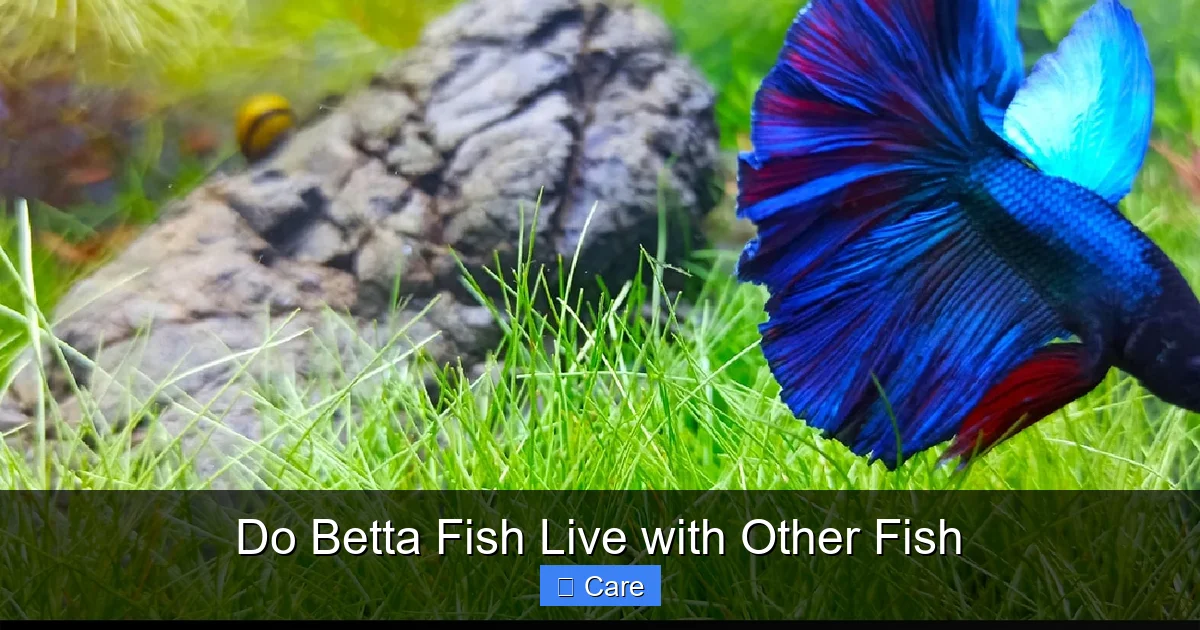
Visual guide about Do Betta Fish Live with Other Fish
Image source: buildyouraquarium.com
Tank Size: The Foundation of Peace
This is the single most important factor and the one most often overlooked. The iconic betta in a tiny vase or bowl is a recipe for misery, even for a solitary fish. For community housing, tank size is paramount. The absolute minimum recommended for a betta with any tank mates is a 20-gallon long tank. Why so large? Space dilutes aggression. In a small tank, a betta can see and reach any intruder within seconds, leaving no escape. In a 20+ gallon tank, there is room for territories to form, for other fish to swim out of sight, and for the betta’s dominance to be confined to a specific zone rather than the entire water column. The larger the tank, the higher your chances of success. A 29 or 55-gallon tank is even more forgiving and allows for a more diverse community.
Your Betta’s Unique Personality
Betta fish have distinct personalities. Some are laid-back “floaters” who seem content to merely observe the world. Others are hyper-vigilant “patrollers” who constantly survey their territory. A few are outright bullies who will attack anything that moves. You must spend time observing your betta in its current solitary setup. How does it react to your finger on the glass? To its own reflection? To a plastic toy introduced into the tank? A betta that consistently flares at any movement is a poor candidate for community housing. A betta that is relatively indifferent to outside stimuli is a much better prospect. Be honest about your betta’s temperament; forcing an incompatible personality into a community setting is unfair and dangerous.
Sex Matters (But Not Always How You Think)
Male bettas are the classic “fighters,” and it’s true you should never house two males together without a solid, permanent divider—they will fight to the death. Female bettas, while less commonly kept, can also be aggressive, especially in groups. A “sorority” of females requires a very large, heavily planted tank (minimum 40 gallons) and a group of at least 5-6 to diffuse aggression, and even then, it’s advanced and risky. For the purpose of this guide, we will primarily focus on housing a single male or female betta with other species. The betta’s individual personality vastly outweighs its sex in determining compatibility with other fish.
Tank Setup & Décor: Creating a Peaceful Landscape
A bare tank with a betta and a few other fish is a stress factory. The betta’s territory must be complex. You need dense planting—both live plants (like Java fern, Anubias, Cryptocoryne) and silk plants—to create visual barriers. Floating plants (like Amazon frogbit or water lettuce) are fantastic, as they cover the surface, which bettas naturally prefer, and break up the line of sight from above. Add driftwood, rock caves, and ceramic pots to provide numerous hiding spots and defined territories. The goal is to make it impossible for the betta to constantly see and chase every other fish in the tank. A well-decorated tank is not just aesthetically pleasing; it’s a critical tool for conflict prevention.
Ideal Tank Mates: The Peaceful Cohabitation Candidates
When selecting tank mates, you are looking for fish that occupy different areas of the tank (the bottom and middle levels are best), are fast and agile, are not brightly colored (to avoid triggering the betta’s instinct to compete), and are not fin-nippers. They should also be hardy enough to tolerate the betta’s occasionally warmer water preferences (78-80°F or 25-27°C).
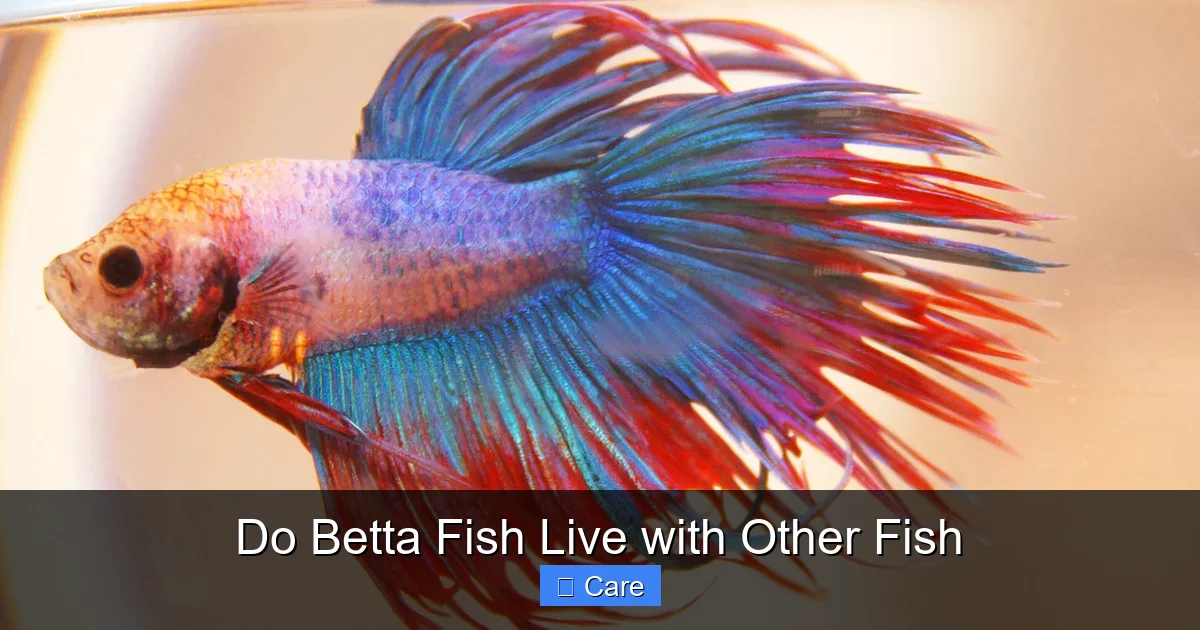
Visual guide about Do Betta Fish Live with Other Fish
Image source: bettafish.org
Small, Fast-Swimming Schooling Fish (Middle/Top Dwellers)
These fish are often the best first choice. Their key advantage is numbers and speed. A school of 6-10 fish creates a moving target that a single betta cannot focus on, and they can quickly dart away if the betta shows interest.
- Neon Tetras & Other Tetras: The classic choice. Neon tetras are small, fast, and prefer the middle of the tank. Their sleek, torpedo-shaped bodies and lack of long fins make them poor targets. Cardinal tetras are a slightly larger, more temperature-tolerant alternative. Avoid larger, more boisterous tetras like Buenos Aires tetras.
- Harlequin Rasboras: Similar to tetras, they are active, peaceful schooling fish that stay in a tight group. Their orange and black coloration is vibrant but not typically seen as a threat by bettas.
- Ember Tetras: Tiny, fiery orange fish that are incredibly peaceful. Their small size means they are often ignored by bettas, and they add a beautiful pop of color in the lower middle water column.
- Celestial Pearl Danios (CPDs): A stunning, slightly more reclusive schooling fish. They are active but small and tend to stick to the lower half of the tank, making them excellent candidates.
Bottom-Dwelling Peaceful Fish (The Perfect Distraction)
These fish are arguably the safest and most recommended tank mates for bettas because they occupy a completely different niche. They stay on the substrate, sifting through sand or gravel, and are largely ignored by the surface-dwelling betta.
- Corydoras Catfish (Cories): The gold standard for betta tank mates. These small, armored catfish are social and should be kept in groups of at least 6. They are peaceful, entertaining scavengers that clean the tank floor. Popular varieties include Bronze/Pygmy Corys, Peppered Corys, and Panda Corys. Their whiskered faces and armored bodies are not appealing to a betta.
- KuhlI Loaches: Slender, eel-like loaches that are active and peaceful. They are excellent at cleaning under decorations and are a great alternative to cories. Keep them in groups of 3-5.
- Otocinclus Catfish (Otos): The dedicated algae eater. These tiny, shy catfish are best kept in groups of 5-10 and require a tank with established algae growth or supplemented with algae wafers. Their size and behavior make them virtually invisible to a betta.
Other Unique & Peaceful Options
- African Dwarf Frogs (ADFs): A truly unique invertebrate option. They are fully aquatic, breathe air from the surface, and are peaceful. Their limbs can sometimes trigger a betta’s predatory instinct, so close observation is needed initially. They require a cycled, clean tank and are sensitive to water quality.
- Ghost Shrimp or Amano Shrimp: Larger shrimp species like Amanos are hardy and excellent algae cleaners. Ghost shrimp are very inexpensive and can serve as “sacrificial” test subjects—if the betta eats one, you know it has a strong prey drive and shouldn’t have shrimp. Always provide dense planting for shrimp to hide in.
- Snails: Nerite snails, Mystery snails, and Ramshorn snails are fantastic, low-maintenance additions. They are completely immune to a betta’s aggression (though a curious betta may poke at them). They help clean algae and uneaten food.
High-Risk & Incompatible Species: Fish to Absolutely Avoid
Just as important as knowing who *might* work is knowing who *definitely will not*. Adding these fish to a betta tank is a near-guarantee of disaster, stress, and death.
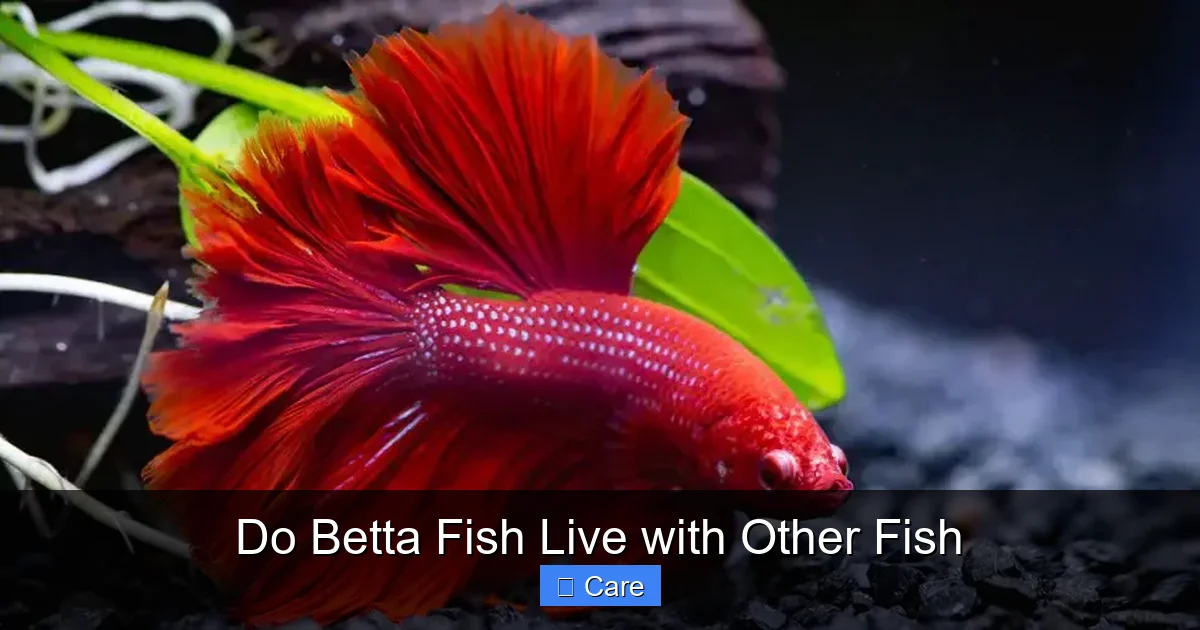
Visual guide about Do Betta Fish Live with Other Fish
Image source: vivofish.com
Any and All Other Bettas
This cannot be stressed enough. Two male bettas will fight relentlessly until one is dead or severely injured. Female bettas can also be highly aggressive toward each other. A male and female should only be kept together for controlled breeding, which is a complex process not for beginners. There is no such thing as a peaceful permanent betta pair or group.
Fish with Long, Flowing Fins
To a betta, a fish with a large, flowing tail is a direct rival. The betta’s instinct is to nip and attack to establish dominance. Guppies (especially males), fancy goldfish (like Orandas or Veiltails), and some fancy varieties of other fish (like Dumbo ear guppies) are prime targets. They will have their fins constantly nipped, leading to stress, infection, and a ragged appearance.
Brightly Colored or “Showy” Fish
Bettas are attracted to and threatened by bright reds and blues—their own colors. Fish like male guppies (again), some male swordtails, or brilliantly colored gouramis (like the Dwarf Gourami) can incite constant flaring and chasing from the betta. The betta sees a competitor; the other fish sees a predator. It’s a toxic combination.
Fin-Nippers and Semi-Aggressive Fish
Some fish have a habit of nipping at the long, flowing fins of other fish. Tiger barbs, serpae tetras, and some danios are notorious for this. They will turn your betta into a ragged mess. Conversely, some fish like the Paradise Fish (a close gourami relative) are semi-aggressive and may challenge the betta for dominance, leading to constant conflict.
Fast-Moving, Boisterous Fish
Fish like zebra danios or some larger tetras ( Buenos Aires) are hyper-active and can stress out a more laid-back betta with their constant, frantic swimming. They may also outcompete the betta for food at the surface. While not always attacked, they can make the betta nervous and reclusive.
Setting Up the Perfect Betta Community Tank
Assuming you have a suitably large tank (20+ gallons), a peaceful betta, and have selected compatible tank mates from the list above, the physical setup of your aquarium is your next and most critical task. Think of this as building a city where your betta is the mayor of a specific district, not the warden of a prison cell.
The Substrate and Hardscape
Use a soft, sandy substrate or fine gravel. This is better for any bottom-dwellers you add and mimics the betta’s natural muddy habitat. Incorporate a variety of driftwood, rocks, and terracotta pots. These create caves, overhangs, and tunnels. Arrange them to create multiple “rooms” and break up the open swimming space. A large piece of driftwood or a stack of rocks can serve as a powerful visual barrier between the betta’s preferred surface area and the territory of other fish.
The Importance of Plants: Live vs. Silk
Plants are your best friend. They reduce stress, improve water quality, and provide essential cover.
- Mid-ground & Foreground Plants: Use plants like Cryptocoryne, dwarf Sagittaria, or Anubias nana attached to driftwood to create lush bottom and middle coverage.
- Floating Plants: This is the most important category. Floating plants like Salvinia, duckweed, or water lettuce create a canopy that bettas adore. They shade the tank, reduce brightness, and most importantly, block the betta’s view of the surface from below, preventing it from seeing and chasing other fish that come up to breathe or eat.
- Live vs. Silk: Live plants are ideal but require more care (light, nutrients). High-quality silk plants are a perfect, low-maintenance alternative that still provide excellent cover. Never use plastic plants with sharp edges—they can damage a betta’s delicate fins.
Filtration and Heating
Choose a filter with a gentle flow. Bettas come from still waters and hate strong currents. A sponge filter is an excellent, gentle option that also provides surface area for beneficial bacteria. If using a hang-on-back (HOB) or canister filter, use a spray bar or direct the outflow against the glass or decorations to diffuse the current. A reliable aquarium heater is essential to maintain a stable temperature between 78-80°F (25-27°C), which is suitable for most tropical community fish as well.
Lighting
Moderate lighting is best. Too bright can make fish feel exposed and stressed. Use a timer to provide a consistent day/night cycle (8-10 hours of light). The floating plants will help diffuse overhead light.
The Step-by-Step Introduction Process: Patience is Key
You have the tank set up perfectly. You’ve chosen your community fish. Now, the most delicate phase begins: introducing them. Rushing this process is the number one cause of failed community tanks.
Step 1: The Solo Acclimation Period
Your betta should already be living in the fully decorated, cycled, and heated community tank for at least 2-4 weeks before any other fish are added. This allows it to claim its territory, establish its “home base” (often a plant or cave), and become comfortable in the environment. A betta that is stressed from a recent move is far more likely to be aggressive.
Step 2: Adding the Tank Mates First (The Preferred Method)
This is the most successful strategy. Introduce your chosen school of tetras, rasboras, or group of cories to the fully set-up tank first. Allow them to acclimate and explore for 24-48 hours. They will begin to establish their own territories and routines. Then, very carefully, add your betta. Use a cup or net to transfer it without pouring any old water into the tank. The betta, entering an established community, is less likely to see the entire tank as its exclusive domain and more likely to accept the existing fish as part of the scenery.
Step 3: The Tank Divider Method (For Testing)
If you are unsure about your betta’s temperament, use a clear tank divider or even a breeder box placed inside the main tank. House the betta on one side and the new fish on the other for several days. Observe the betta’s reaction through the divider. Does it flare constantly and try to attack, or does it largely ignore them? This is a safe, low-risk way to gauge compatibility before a full introduction.
Step 4: Rearranging the Décor
On the day you plan to add the betta (or if you are adding the betta first and then others), do a significant rearrangement of the tank’s hardscape and plants. Move caves, flip driftwood, and shift plant clusters. This “resets” the territorial map of the tank. When the betta (or the new fish) is added, it will need to explore and establish a new territory from scratch, rather than defending a pre-existing, well-fortified spot. This dramatically reduces initial aggression.
Step 5: The Critical First 72 Hours
Monitor the tank constantly for the first three days. Have a net ready to remove any fish if necessary. Look for signs of chasing, flaring, nipped fins, or fish hiding constantly and not coming out to eat. Some initial curiosity (the betta following another fish at a distance) is normal. Sustained, violent chasing is not. Be prepared to separate fish if needed. Sometimes, a particularly feisty betta may need to be returned to solitary life for its own safety and the safety of others.
Signs of Success vs. Signs of Failure: How to Read Your Tank
Once the introduction is complete, your job shifts to ongoing observation. A successful community tank will show specific behaviors, while a failing one will exhibit clear warning signs.
Signs of a Harmonious Community
- Peaceful Coexistence: Fish swim in their own areas without constant chasing. The betta may occasionally flare at a tetra that darts too close, but it’s a brief warning, not a prolonged pursuit.
- All Fish Are Eating: Everyone comes out for feeding time. The betta may be a fast eater, but it shouldn’t be so aggressive that it prevents others from getting food. Use a feeding ring or target food to different areas of the tank if needed.
- Normal Activity Levels: The schooling fish school together. The cories forage on the bottom. The betta floats calmly or explores its territory. No fish are listless, hiding 24/7, or gasping for air at the surface (unless water quality is poor).
- Intact Fins and Scales: Regular checks show all fish have pristine fins and no missing scales.
Signs of a Failing Community
- Constant Chasing and Flaring: The betta relentlessly pursues one or more tank mates, forcing them to hide constantly.
- Nipped Fins: You notice torn, shredded, or missing fin edges on any fish, especially the betta or its long-finned tank mates.
- Extreme Stress in Tank Mates: Fish are pale, clamped (fins held tightly to the body), hiding in the darkest corners all day, and not feeding.
- The Betta Is Also Stressed: A betta that is constantly on high alert, patrolling aggressively, and never rests is also suffering. Stress weakens its immune system, leading to diseases like fin rot or ich.
- Death or Severe Injury: The ultimate failure. A fish is killed or so badly injured it must be euthanized.
If you see signs of failure, you must act immediately. The solution is almost always to separate the betta. Have a backup “hospital” or “quarantine” tank ready at all times. You can use a simple 5-10 gallon setup with a heater and sponge filter. Move the aggressive betta into the separate tank. The other fish can remain in the larger, decorated community tank. This is not a defeat; it is responsible fishkeeping. Some bettas are simply not cut out for community life, and that’s okay. Their well-being is the priority.
Conclusion: A Rewarding Challenge with the Right Approach
So, do betta fish live with other fish? The definitive answer is: it depends. It depends on your betta’s personality, your tank size, your diligence in selecting appropriate tank mates, and your commitment to creating a complex, peaceful environment. The myth of the betta as a permanent solitary prisoner in a tiny jar is just that—a myth. With the knowledge and respect for their natural behaviors, you can provide your betta with a rich, stimulating life alongside other fascinating fish.
The journey of setting up a successful betta community is incredibly rewarding. Watching your flamboyant betta patrol its lush, planted domain while a school of neon tetras darts through the mid-water and a group of corydoras catfish busily sifts the sand is a beautiful sight. It creates a dynamic, thriving micro-ecosystem that is far more engaging than a single fish in a bare tank.
Start with a generously sized, heavily planted tank. Choose your tank mates from the safe lists provided. Observe your betta’s unique temperament with brutal honesty. Introduce new fish slowly and carefully, using the techniques outlined. And always, always have a backup plan. By following these guidelines, you move from simply keeping a betta to truly understanding and providing for it, unlocking the potential for a vibrant, harmonious community that showcases the betta not as a fighter, but as the majestic, intelligent centerpiece it was always meant to be.
Frequently Asked Questions
Can I keep a female betta with other fish?
Yes, female bettas can often be less aggressive than males and can sometimes make better community citizens. However, individual temperament varies greatly. The same rules apply: a large, planted tank and peaceful, fast-swimming tank mates are essential. Some females can still be quite territorial.
Can betta fish live with shrimp or snails?
Often, yes. Larger shrimp like Amanos or Ghost shrimp are good candidates, as are most snails (Nerite, Mystery). However, a betta with a strong prey drive may eat smaller shrimp like Cherry shrimp. Always provide dense planting for shrimp to hide in and be prepared for some losses.
How do I know if my betta is stressed by tank mates?
Signs include constant flaring and chasing, hiding all day, clamped fins, loss of appetite, faded colors, and rapid gill movement. If your betta never rests and is in a perpetual state of patrol, it is stressed. The other fish will also show stress by hiding and not feeding.
What is the smallest tank I can use for a betta community?
The absolute minimum is a 20-gallon long tank. Anything smaller (like a 10-gallon) makes cohabitation extremely difficult and risky due to lack of space to establish territories and escape aggression. For the betta’s well-being and the well-being of its companions, bigger is always better.
Can I keep a betta with a gourami?
It is generally not recommended. Gouramis (especially Dwarf Gouramis) are closely related to bettas and have similar body shapes. They are often territorial and may fight with the betta for dominance. This is a high-risk pairing that should be avoided.
My betta flares at its new tank mates but doesn’t chase them. Is this okay?
Occasional flaring (a brief display where the betta flares its gills and spreads its fins) is normal communication and territory assertion. It’s a warning. If it’s a brief flare followed by the betta minding its own business, and the other fish aren’t visibly stressed or hiding, this can be acceptable behavior. Sustained, aggressive chasing is the problem, not a single warning flare.